

Figure 1: A mineral deficiency can significantly affect wellbeing and performance.
Symptoms such as persistent tiredness, muscle cramps or mood swings can indicate a mineral deficiency. If the body is not adequately supplied with minerals such as magnesium, iron or zinc over a long period, this can have serious health consequences. But what characterises the different mineral deficiencies and what are the reference values for an appropriate intake? In this article we present six of the most important minerals and trace elements – including their functions, typical deficiency symptoms and advice on preventing deficiencies.
What exactly is a mineral deficiency?

Figure 2: A mineral deficiency exists when the body is not sufficiently supplied with one or more essential minerals. Typical signs include tiredness, muscle weakness, hair loss and mood swings.
Minerals are essential inorganic nutrients that do not provide direct energy but are involved in numerous processes in the body. These include the formation and maintenance of bones and teeth, as well as muscle, heart and nerve function, and the regulation of water balance and blood pressure. Because the body cannot produce minerals itself, they must be obtained from food and drinking water. If not enough minerals are supplied over a longer period or the body cannot properly utilise the substances, a mineral deficiency develops.
Typical early signs of such a deficiency include tiredness and fatigue as well as brittle nails, hair loss, concentration problems and increased irritability. A chronic mineral deficiency can – depending on the type of deficiency – also lead to growth disorders, osteoporosis, weakened immunity and cardiovascular diseases. By the way: trace elements are a subgroup of minerals. Unlike so-called macroelements (e.g. calcium, magnesium, potassium), which should be present in the body in larger amounts (≥ 50 mg per day), trace elements (e.g. iron, zinc, iodine, selenium) are required only in very small amounts (< 50 mg per day).
Which mineral deficiencies are particularly common?
A colourful and balanced diet can generally ensure adequate mineral intake. However, there are certain groups of people who, due to increased needs or reduced mineral absorption, are insufficiently supplied with the important substances. Major risk factors for a mineral deficiency include pregnancy, breastfeeding, older age, medication use (e.g. laxatives, diuretics) and chronic stress. Some kidney diseases are also associated with increased excretion of minerals in the urine. Athletes also have an increased risk of deficiency because larger amounts of minerals can be lost through sweat.
Although mineral supply among healthy people with a varied diet is generally good, deficits of certain minerals are repeatedly observed in the population. Common mineral deficiencies include inadequate intakes of iron, magnesium, iodine, zinc, calcium and selenium.[1]
6 important minerals and trace elements – a brief profile
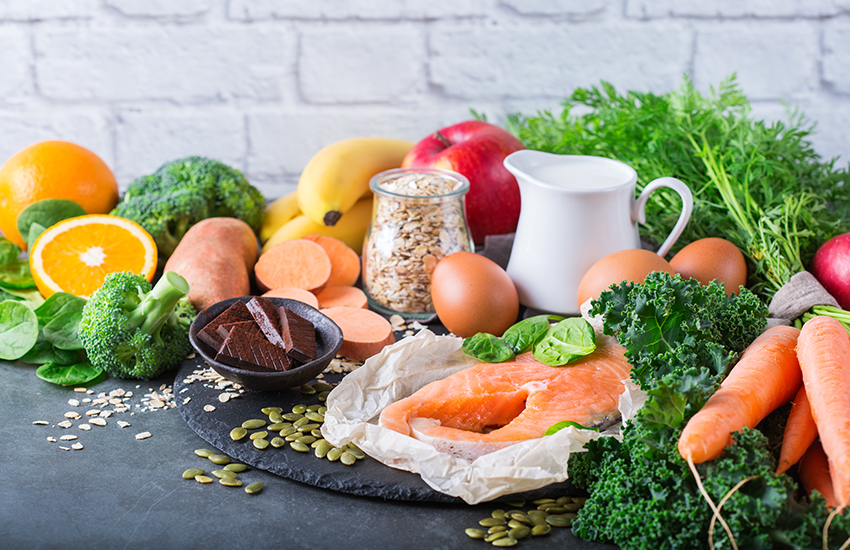
Figure 3: A deficiency of iron, magnesium, calcium, zinc, iodine or selenium can limit many physiological functions. With an appropriate diet it is usually possible to prevent a mineral deficiency effectively.
Depending on which mineral the body lacks, a mineral deficiency can present and develop very differently. Below we briefly present 6 important minerals and trace elements. We also describe the symptoms associated with a deficiency in each case and how to prevent them.
1. Iron
Iron deficiency is relatively common, especially in women of childbearing age.[2] One possible cause is regular menstrual bleeding, during which around 15 to 30 milligrams of iron are lost per cycle. A strictly vegan or vegetarian diet is also a risk factor because haem iron from meat is better utilised by the body than non‑haem iron from plant sources. Iron requirements can also be higher in certain life stages. During pregnancy it rises to 27 milligrams of iron per day, while the recommended daily intake for premenopausal menstruating women is 16 milligrams and for men 11 milligrams of iron.[3]
But what is iron needed for in the body? The trace element is, among other things, a component of haemoglobin in red blood cells and is therefore involved in transporting oxygen to the body’s cells. In addition, iron plays an important role in muscle metabolism, immune defence, cell division and energy production. Iron deficiency usually develops gradually and initially manifests itself in non‑specific symptoms such as tiredness, concentration problems, pale skin, hair loss and irritability. In pronounced iron deficiency, if insufficient haemoglobin is formed, red blood cells can shrink. This is then referred to as iron‑deficiency anaemia.
To prevent iron deficiency, it is advisable to choose iron‑rich foods. Animal foods such as beef, liver, poultry and fish, which contain readily available haem iron, are particularly suitable. Simultaneous intake of vitamin C (e.g. from oranges or peppers) can improve iron absorption from plant sources.[4] Coffee, black tea and milk, on the other hand, inhibit iron absorption and should ideally not be consumed together with iron‑rich meals.
2. Magnesium
In the body, magnesium serves as a cofactor for over 600 enzymes and is involved in numerous metabolic processes. Among other things, the mineral is important for muscle contraction and relaxation, nerve conduction and the regulation of heart rhythm, blood pressure and electrolyte balance. Magnesium also contributes, in interplay with calcium, to the strength of bones and teeth. It supports mineralisation, i.e. the incorporation of calcium into the bone structure.
Magnesium deficiency often presents with symptoms such as muscle cramps (e.g. nocturnal calf cramps), eyelid twitching, tiredness or increased irritability. Major risk factors include pregnancy, breastfeeding, eating disorders, chronic diarrhoea or vomiting, diabetes mellitus, alcohol abuse and chronic stress. As approximate values for adequate magnesium intake in healthy adults, the German Nutrition Society (DGE) recommends a daily dose of 300 milligrams (women) and 350 milligrams (men).[5]
The most important basis for preventing a deficiency is a magnesium‑rich diet. Good natural sources of magnesium are nuts and seeds, wholegrain products, green vegetables (e.g. spinach, broccoli), pulses and dark chocolate with at least 70% cocoa. In the case of a proven deficiency or increased need, supplementation can be sensible. Organic magnesium compounds (e.g. magnesium citrate, magnesium glycinate or magnesium malate) are generally better bioavailable than inorganic salts (e.g. magnesium oxide, magnesium chloride).
3. Calcium
Calcium is rightly referred to as the “bone mineral”. About 99 per cent of the calcium in the body is stored in bones and teeth, while the remainder is found in the blood and cells. Calcium is the most abundant mineral in the human body. In addition to the formation and maintenance of bones and teeth, calcium is important for muscle contraction, neuromuscular signal transmission and blood clotting.
If too little calcium is taken in through the diet, the body mobilises the mineral from the bones. An acute drop in blood calcium is therefore rare. Chronic deficiency can lead to muscle cramps, bone loss (osteoporosis), tingling in the hands and feet, brittle nails and dental damage. Possible causes of calcium deficiency range from a calcium‑poor diet (e.g. avoiding milk and cheese) to chronic diarrhoea or intestinal diseases (e.g. coeliac disease, Crohn’s disease) and the use of certain medications (e.g. cortisone, diuretics). In addition, vitamin D deficiency can promote calcium deficiency, since vitamin D is essential for calcium absorption in the intestine.[6]
How much calcium should be consumed daily depends on age. The German Nutrition Society (DGE) recommends an intake of 1,200 milligrams of calcium per day for adolescents aged 13 to 18 years, as they are in a strong growth phase. For children aged 10 to 12 years, the recommended daily dose is 1,100 milligrams, and for adults 1,000 milligrams of calcium.[7] To prevent calcium deficiency through diet, milk and dairy products, vegetables such as broccoli, kale or rocket, and calcium‑rich mineral water (more than 150 milligrams of calcium per litre) are recommended.
4. Zinc
Zinc is commonly known for its ability to support the immune system. In addition, the essential trace element is involved in wound healing, hormone production, growth processes, cell division and the regulation of smell and taste. Possible signs of zinc deficiency include increased susceptibility to infections, loss of appetite, skin problems and growth and fertility disorders.
Because zinc is essential for cell division and tissue formation as well as placental function, zinc requirements are increased during pregnancy up to about 14 milligrams per day. The body also needs more zinc during breastfeeding, growth phases and periods of intensive physical activity. The DGE recommends a daily zinc intake of 11 to 16 milligrams (men) and 7 to 10 milligrams (women).[8] The precise recommendation depends on phytate intake, as the phytate content of food influences zinc absorption in adults. Phytate binds zinc in the gastrointestinal tract, so it can no longer be fully utilised by the body.
Typical phytate‑rich foods include wholegrain cereals (e.g. oats, wheat, rye), pulses (e.g. lentils, beans, chickpeas), nuts, seeds and soy products. Preparation methods such as soaking or sprouting can reduce phytate in foods and thus increase the bioavailability of zinc. A zinc deficiency can also be prevented by regularly consuming zinc‑rich foods (e.g. beef and pork, oysters, legumes).
5. Iodine
Iodine is rightly considered an important trace element for the thyroid because it serves as a building block for the thyroid hormones thyroxine (T4) and triiodothyronine (T3).[9] These, in turn, are important for energy metabolism and protein synthesis as well as for growth, bone formation, brain development and hormonal regulatory processes in the body. If T3 and T4 can no longer be produced in sufficient amounts due to iodine deficiency, the thyroid‑stimulating hormone (TSH) is produced in greater quantities as a compensatory response. To take up more iodine, the thyroid enlarges, which is often visible as a goitre below the larynx. In the long term, this can often lead to an underactive thyroid (hypothyroidism).
Moreover, iodine contributes to the development of the nervous system and is therefore especially important during pregnancy and childhood. The trace element also influences thermoregulation and the body’s energy consumption. Low iodine content in the soil is one of the main causes of iodine deficiency. Typical symptoms of iodine deficiency include tiredness, concentration problems, muscle weakness, hair loss or mood swings.
To prevent or counteract iodine deficiency, it is sensible to regularly eat sea fish (cod, herring), seafood, eggs and dairy products. The DGE’s recommended iodine intake for healthy adults is 150 µg per day. During pregnancy the reference value increases to 220 µg iodine daily.[10]
6. Selenium
An antioxidant protection of body cells as well as the maintenance of normal thyroid function and sperm quality are just some of the bodily functions and processes in which selenium is involved. The essential trace element is found in both animal and plant foods. Suitable sources of selenium include Brazil nuts, brassica and allium vegetables, asparagus, legumes and mushrooms. In general, it is advisable to limit consumption of Brazil nuts to a maximum of two nuts per day due to their very high selenium content. In addition, Brazil nuts can accumulate natural radioactive substances, which is another reason for moderate consumption.[11]
Because enrichment of animal feed with selenium is permitted in the European Union, animal products such as meat, fish and eggs can also contribute to selenium supply. For plant foods, soil quality is again an important factor influencing the selenium content of the respective food. European soils are generally poorer in selenium than, for example, those in the USA. Selenium deficiency often presents with general weakness, muscle weakness, impaired thyroid function and increased susceptibility to infections. The German Nutrition Society (DGE) defines estimated values for an adequate daily selenium intake. These are 70 µg (men) and 60 µg (women and pregnant women) per day.[12]
Disclaimer
This article does not replace treatment by a qualified practitioner. The basis of this article is studies and current literature. It must not be used for self‑diagnosis or self‑treatment. Discuss any ideas from this article with a practitioner you trust if necessary.
Biography
Katharina Korbach regularly writes blog posts about medicinal plants and natural active ingredients for the Narayana Verlag. She developed an interest in language early on and began writing her own literary texts. A serious illness during her final school year prompted an intensive engagement with health and nutrition topics that continues to this day. After repeated failure of conventional medical treatments, she decided on a more self‑effective, naturopathic therapeutic approach. A plant‑based diet was a key element on her path to recovery.
Katharina studied Cultural Studies (B.A.) and Applied Literary Studies (M.A.). In 2022 she published her debut novel “Sperling” with Berlin Verlag. Today she lives in Berlin as a freelance author, medical editor and lecturer. In her spare time she prefers to spend time with friends or at barre training. She also loves travelling and trying out new vegan recipes.
[1] Farag MA, Abib B, Qin Z, Ze X, Ali SE. Dietary macrominerals: Updated review of their role and orchestration in human nutrition throughout the life cycle with sex differences. Curr Res Food Sci. 2023 Feb 1. https://pubmed.ncbi.nlm.nih.gov/36816001/.
[2] Milman N, Taylor CL, Merkel J, Brannon PM. Iron status in pregnant women and women of reproductive age in Europe. Am J Clin Nutr. 2017 Dec. https://pmc.ncbi.nlm.nih.gov/articles/PMC5701710/.
[3] DGE (2023): Reference values for iron. https://www.dge.de/wissenschaft/referenzwerte/eisen/ (accessed: 27.10.2025).
[4] EFSA (2014): Scientific Opinion on the substantiation of a health claim related to vitamin C and increasing non‑haem iron absorption. https://www.efsa.europa.eu/en/efsajournal/pub/3514 (accessed: 27.10.2025).
[5] DGE (2021): Reference value magnesium. https://www.dge.de/wissenschaft/referenzwerte/magnesium/ (accessed: 27.10.2015).
[6] Holick MF. Vitamin D and bone health: What vitamin D can and cannot do. Adv Food Nutr Res. 2024. https://pubmed.ncbi.nlm.nih.gov/38777417/.
[7] DGE (2013): Reference value calcium. https://www.dge.de/wissenschaft/referenzwerte/calcium/ (accessed: 28.10.2025).
[8] DGE (2019): Reference value zinc. https://www.dge.de/wissenschaft/referenzwerte/zink/ (accessed: 31.10.2025).
[9] NIH (2024): Iodine. Fact Sheet for Health Professionals. https://ods.od.nih.gov/factsheets/Iodine-HealthProfessional/ (accessed: 30.10.2025).
[10] DGE (2025): Reference value iodine. https://www.dge.de/wissenschaft/referenzwerte/jod/ (accessed: 30.10.2025).
[11] Federal Office for Radiation Protection (BfS): Natural radioactivity in Brazil nuts. 10 Oct 2025. https://www.bfs.de/DE/themen/ion/umwelt/lebensmittel/paranuesse/paranuesse.html (accessed: 30.10.2025).
[12] DGE (2015): Reference value selenium. https://www.dge.de/wissenschaft/referenzwerte/selen/ (accessed: 30.10.2025).
Figure 1: fizkes/shutterstock.com ; Figure 2: Pormezz/shutterstock.com ; Figure 3: Antonina Vlasova/shutterstock.com
15.01.2026

