

Figure 1: It is advisable to have your own vitamin D status checked regularly. However, the different units in which vitamin D is measured in serum can easily cause confusion.
A blood test can provide information about your vitamin D supply. But which forms of vitamin D are actually measured in the laboratory and how should the results be interpreted? In this blog article you will learn why it is important to check vitamin D status regularly and at which value a deficiency is present. It also explains in which cases vitamin D supplementation is recommended and what to consider when taking relevant dietary supplements.
Why should you have your vitamin D level measured?

Figure 2: In our latitudes many people are deficient in vitamin D. Measuring the vitamin D level can clarify whether a deficiency is present.
How important vitamin D is for our health and well‑being has become widely recognised. The nutrient is not only essential for the deposition of calcium in the bones, it can also support the immune system, the cardiovascular system and muscle strength. In the first part of this article about vitamin D you will find further information on the mechanisms of action and physiological functions of the “sun vitamin”.
Vitamin D deficiency is relatively common: according to surveys by the Robert Koch Institute (RKI), 30.2 per cent of adults in Germany are insufficiently supplied with vitamin D.[1] This is problematic because long‑term vitamin D insufficiency can contribute to bone loss (osteoporosis), weaken the immune system and increase the risk of falls. Numerous chronic conditions such as autoimmune diseases, diabetes, depression or dementia are also frequently associated with vitamin D deficiency.
A vitamin D deficiency typically first manifests as non‑specific symptoms such as fatigue, increased susceptibility to infections or bone pain. True certainty about your vitamin D status can only be obtained through a blood test, which can be carried out by your GP or an alternative practitioner. It is advisable to have the vitamin D level checked at regular intervals – ideally at least once a year – because only when the current value is known can vitamin D be supplemented in a targeted manner and at an individually appropriate dose if required.
Home tests: a good alternative to laboratory testing?
There is now a wide range of vitamin D home tests available, for example in drugstores, pharmacies or online. The tests promise an independent and quick determination of vitamin D status without the need to see a doctor. Using the accessories included in the test kit, you simply prick your fingertip yourself. The blood sample is then sent to a laboratory in the supplied sample tube. You receive the result within a few working days.
This type of vitamin D measurement is discreet and convenient, but also prone to error. The quality and accuracy of the results can vary greatly depending on the provider. It is also your responsibility to interpret the final values – which can be challenging. Home tests should therefore only serve for initial orientation or for monitoring trends. If, however, you have previously had a pronounced vitamin D deficiency or suspect one because of conspicuous symptoms, a test carried out directly by a doctor or alternative practitioner is the more reliable option.
Which form of vitamin D is measured in the laboratory?
In the laboratory vitamin D is usually measured as 25‑hydroxyvitamin D (25(OH)D), which is also known as calcidiol. This is the storage form of vitamin D in the blood. Calcidiol is the best marker of vitamin D status because it reflects the total vitamin D supply from sunlight, food and supplements. It also has a relatively long half‑life of about 15–21 days (two to three weeks), which ensures the stability of the measurement results.
To interpret the values correctly, it is important to know that different units exist for expressing vitamin D in serum. The two most common units are nanomoles per litre (nmol/L) and nanograms per millilitre (ng/mL). The values are not directly comparable, so correct conversion is important. To convert nanomoles per litre to nanograms per millilitre, simply divide the nmol/L value by 2.5. To convert the other way, multiply the nanogram value by 2.5.
Interpreting the values: What is an optimal vitamin D level?
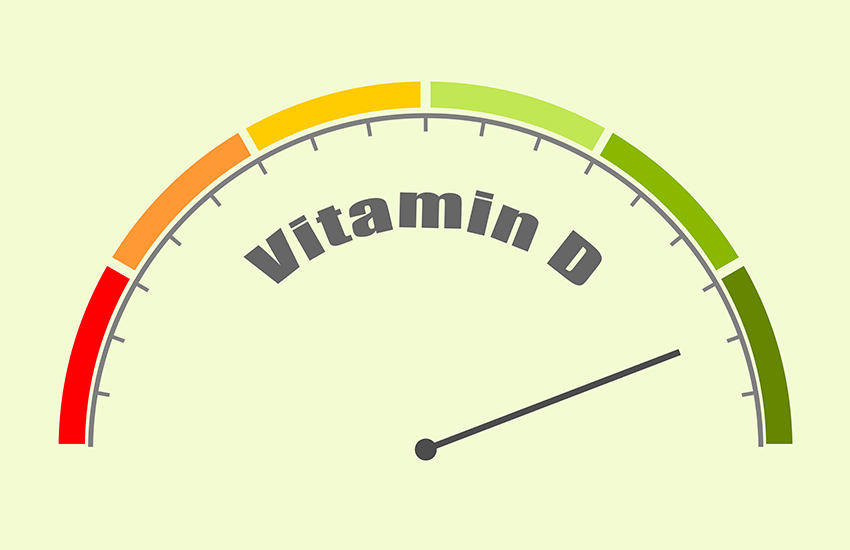
Figure 3: The question of which vitamin D level is optimal for adults is hotly debated in the professional community. Many reference ranges consider adequacy only in terms of bone health.
Once the vitamin D level has been measured, the next logical step is to interpret the results. Which value is sufficient and at what point is a deficiency present that may require supplementation? The Robert Koch Institute defines the following threshold and reference values, which are based on the classification of the National Academy of Medicine (formerly: Institute of Medicine, IOM).[2] Vitamin D status is assessed here with respect to bone health.
|
25(OH)D in nmol/L |
25(OH)D in ng/mL |
Interpretation |
|
<30 |
<12 |
Deficiency. Increased risk of osteoporosis, osteomalacia, rickets and other conditions. |
|
30 to <50 |
12 to <20 |
Suboptimal level. Possible negative effects on bone health. |
|
50 to <75 |
20 to <30 |
Sufficient level with respect to bone health. |
|
75 to <125 |
30 to <50 |
Sufficient level regarding bone health. No additional proven health benefit. |
|
≥125 |
≥50 |
Possible excess. Potential adverse health effects that in the long term may lead to hypercalcaemia, cardiac arrhythmias or kidney stones. |
The debate about the optimal vitamin D status is controversial among experts. Some institutions criticise that official recommendations are based solely on bone health and argue that a higher reference range of 40 to 70 ng/mL would provide better preventive protection against other diseases.[3]
An expert interpretation is important to assess how your vitamin D status should be classified and evaluated individually. It should also be noted that vitamin D levels are subject to natural seasonal fluctuations. After the winter months, 25(OH) vitamin D3 serum levels are at their lowest. If the vitamin D level at the first measurement during the summer months is already at the lower limit (below 30 ng/mL), a recheck between January and April is therefore highly recommended.
Is vitamin D supplementation always advisable?
Vitamin D supplementation is often generally recommended – especially in the winter months. But is taking vitamin D preparations always necessary? It is true that vitamin D deficiency is common here. Nevertheless, the vitamin D level should always be measured before any supplementation and the dosage as well as the mode of administration should be discussed with a physician.
There are also groups of people who should not take vitamin D or should only take it in low doses. These include people with hypercalcaemia (elevated blood calcium), since vitamin D can increase calcium absorption. Caution is also required in kidney disease, tuberculosis, certain cancers or when taking medications such as diuretics or antiepileptics. Controlled dosing is also strongly recommended for infants and children, older people as well as during pregnancy and breastfeeding.
Vitamin D preparations are available in different formulations, with tablets and vitamin D drops being particularly common. Dietary supplements with vitamin D are now also available in many vegan variants, usually made from lichens, algae or mushrooms and no longer, as originally, from lanolin (fat from sheep’s wool). Finally, physically active people can also benefit from taking vitamin D. As is now known, the nutrient can among other things support improvements in muscle strength, increased maximum oxygen uptake, higher general energy levels, increased testosterone production and reduced inflammatory markers in muscle.[4]
Important notes and tips for taking vitamin D

Figure 4: Taking vitamin D at a favourable time of day and combining it appropriately creates the best conditions for good and tolerable absorption of the “sun vitamin”.
For vitamin D to be absorbed and utilised optimally by the body, dosage, combination with other nutrients and timing of supplementation are crucial. The following notes and tips should be observed when taking vitamin D.
- Always take vitamin D with some fat: As vitamin D is fat‑soluble, it is advisable to take it with some fat. A simple option is to take the vitamin D preparation together with a meal. This is often better tolerated than taking it on an empty stomach.
- Best to supplement in the morning or at midday: Although there is fundamentally nothing against taking vitamin D in the evening, some people report that evening supplementation negatively affects their sleep. For this reason, taking it in the morning or at midday is recommended.
- Combine vitamin D with vitamin K2, vitamin A and magnesium: Appropriate co‑nutrients can promote the activation and utilisation of vitamin D. In particular, make sure to take vitamin D with the co‑factor vitamin K2, as K2 supports targeted calcium deposition in bones and teeth. Combining with vitamin A is also useful, as vitamin A increases vitamin D levels. The body can produce vitamin A from beta‑carotene itself. Therefore, feel free to eat more beta‑carotene‑rich foods such as raw carrots, spinach, sweet potatoes and kale. Magnesium is also required for the activation of vitamin D. Conversely, the mineral is consumed more during vitamin D activation. Especially if you take vitamin D at higher doses, you should therefore pay particular attention to ensuring you are also sufficiently supplied with magnesium.
- Avoid overdose: In general, the dosage of vitamin D preparations should always be based on the previously measured vitamin D level. A recheck of the vitamin D level eight to twelve weeks after the first intake is sensible. To avoid overdose, you can orientate yourself to the upper limit defined by the European Food Safety Authority (EFSA). According to EFSA, the recommended maximum vitamin D intake for adults is 4,000 IU (i.e. 100 µg) per day.[5]
Disclaimer
This article does not replace treatment by a qualified therapist. The basis of this article is studies and current literature. It must not be used for self‑diagnosis or self‑treatment. Discuss any ideas from this article with a therapist you trust if necessary.
Biographical
Katharina Korbach regularly writes blog posts on medicinal plants and natural active ingredients for the Narayana Verlag. She developed an interest in language early on and began writing her own literary texts. A serious illness during her final school exams led to an intensive engagement with health and nutrition topics that continues to this day. After repeated failures of conventional medical treatments, she chose a more self‑empowering, naturopathic therapeutic approach. A plant‑based diet was an important key on her path to recovery.
Katharina studied Cultural Studies (B.A.) and Applied Literary Studies (M.A.). In 2022 she published her debut novel "Sperling" with Berlin Verlag. Today she lives in Berlin as a freelance author, medical editor and lecturer. In her free time she prefers to spend time with friends or doing barre training. She also loves to travel and try out new vegan recipes.
[1] RKI (2026): Vitamin D status in Germany. Fact sheet. JoHM 2/2016. https://www.rki.de/DE/Aktuelles/Publikationen/Journal-of-Health-Monitoring/GBEDownloadsJ/FactSheets/JoHM_2016_02_ernaehrung4.html?nn=16908814 (accessed: 16.12.2025).
[2] National Academies (2011): Dietary Reference Intakes for Calcium and Vitamin D. https://www.nationalacademies.org/projects/FNBX-H-08-08-A (accessed: 17.12.2025).
[3] Grant WB, Wimalawansa SJ, Pludowski P, Cheng RZ. Vitamin D: Evidence‑Based Health Benefits and Recommendations for Population Guidelines. Nutrients. 2025 Jan 14. https://pubmed.ncbi.nlm.nih.gov/39861407/.
[4] Zentrum der Gesundheit (2025): Vitamin D in sport. https://www.zentrum-der-gesundheit.de/bibliothek/wohlbefinden/sport/vitamin-d-im-sport (accessed: 17.12.2025).
[5] EFSA (2012): Scientific Opinion on the Tolerable Upper Intake Level of vitamin D. https://efsa.onlinelibrary.wiley.com/doi/10.2903/j.efsa.2012.2813 (accessed: 17.12.2025).
Figure 1: Adisak Riwkratok /shutterstock.com ; Figure 2: angellodeco/shutterstock.com ; Figure 3: GrAl/shutterstock.com ; Figure 4: Fida Olga/shutterstock.com
22 January 2026

