
Figure 1: Proteins are called the "building blocks of life" for good reason. Without protein, no human cell could function smoothly.
Whether to support weight loss, build muscle or improve general fitness: a protein-rich diet is very often recommended. But what makes proteins so essential? In this blog article you will learn which important tasks proteins perform in our body, how to recognise a protein deficiency, and what distinguishes animal from plant protein. An overview of protein-rich foods and guidance on recommended daily intake can help you design a protein-rich diet without risking an excess of protein.
Proteins: the basic building blocks of life
In recent years proteins have enjoyed a real boom. So‑called "high-protein" products such as protein bars, shakes or protein-rich puddings have become a fixture in most supermarkets. But what exactly is protein? Alongside carbohydrates and fats, proteins are one of the three macronutrients. These nutrients are required in larger amounts because they provide energy and are needed in the body for many vital processes.
No cell could function without protein. For this reason proteins are often referred to as the "basic building blocks of life". Protein molecules are made up of many small building blocks – the amino acids. You can imagine them as long strings of beads, each bead representing one amino acid. In total, 20 different protein-forming amino acids are known.[1] These can roughly be divided into three groups:
- essential (indispensable) amino acids: histidine, isoleucine, leucine, lysine, methionine, phenylalanine, threonine, tryptophan, valine
- non-essential amino acids: alanine, asparagine, aspartic acid, glutamic acid, serine
- conditionally essential amino acids: arginine, cysteine, glutamine, glycine, proline, tyrosine
Like the non-essential amino acids, the conditionally essential amino acids can usually be produced by the body itself. Only in certain situations with increased demand (e.g. growth phases, under stress or in certain illnesses) is additional intake necessary. The essential amino acids, on the other hand, must be supplied through the diet because the body cannot produce them on its own. Adequate intake is crucial, however, because for a smooth protein metabolism all amino acids must be present in the body in a balanced ratio.
What functions do proteins fulfil in the body?

Figure 2: Proteins are an important building material for muscles, organs, skin, hair and nails. Protein is also required, among other things, for oxygen transport and the formation of hormones and enzymes.
When people hear the word "protein", many first think of strength training. However, building muscle is by far not the only physiological process supported by protein. According to the EU health claims regulation, proteins contribute to the maintenance and increase of muscle mass as well as to the maintenance of normal bones. In addition, the body requires proteins for, among other things:
- immune defence
- muscle building and maintenance
- formation of hormones, enzymes and antibodies
- cell construction and repair
- oxygen transport in the blood
- transmission of nerve impulses
Because proteins support numerous metabolic processes, they are very important for our body. Not only muscles, but also tendons and ligaments as well as skin, hair and nails consist largely of proteins. In addition, proteins are important components of hormones such as insulin or glucagon. Many antibodies that recognise and combat pathogens are also made up of proteins. If the ingested carbohydrates and fats are insufficient, the body can also use proteins as an energy source. In this process protein is converted into glucose – a process also known as gluconeogenesis.
Besides physically active people, those who want to lose body weight, older adults (from around 50 years), and people under chronic stress or suffering from lack of sleep can particularly benefit from a protein-rich diet. Protein is the most satiating macronutrient, which is why protein-rich meals can support adherence to a calorie deficit. During the digestion of protein the body also uses more energy than for carbohydrates and fats, which further increases calorie expenditure (Thermic Effect of Food).[2] Furthermore, proteins provide important amino acids that muscles need for repair and growth after exercise. In general, a protein-rich diet can help stabilise blood sugar levels, which can lead to less craving and a more stable energy level. As the body naturally loses muscle with increasing age (sarcopenia), adequate protein intake can also help maintain muscles and bones and thus preserve mobility in older age.
Protein deficiency: causes, symptoms and risk factors

Figure 3: Although undernutrition with protein is quite rare, the health consequences should not be underestimated. One of the clearest signs of protein deficiency is often persistent fatigue and increased susceptibility to infections.
Protein deficiency is relatively rare in Germany. According to the National Nutrition Survey II, only 11 percent of men and 15 percent of women fail to reach the recommended intake of 0.8 grams of protein per kilogram of body weight.[3] In certain situations, such as very monotonous diets, disorders of protein digestion or life phases in which protein needs are increased (e.g. pregnancy, breastfeeding, growth phases, intensive strength training), deficiency symptoms may be more likely to occur.
The symptoms of a protein deficiency depend on the severity of the shortage. With insufficient protein intake the body initially reduces nitrogen excretion. Instead, the body uses its own protein from muscle tissue, which is associated with reduced muscle mass and muscle function. If, in the case of a long-term protein deficiency, insufficient amino acids can be mobilised even from muscle, metabolic disorders and impairment of organ functions may occur. Other possible symptoms of protein deficiency are a general drop in performance, persistent tiredness, brittle nails, hair loss, dry or cracked skin, increased susceptibility to infections, oedema, concentration problems and mood swings.
Animal vs plant protein: which is the better protein source?
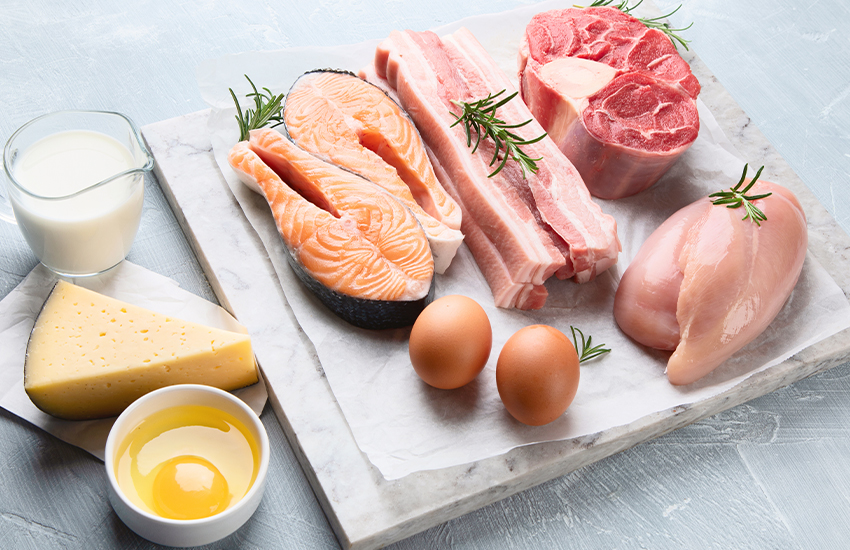
Figure 4: Biological value (BV) indicates how efficiently the body can utilise the ingested protein. Animal protein generally has a higher biological value than protein from plant sources.
The question of whether animal or plant protein is "better" cannot be answered in general terms. Besides differences in composition, bioavailability, health factors as well as sustainability and ethical aspects also play a role. Animal protein (e.g. from meat, fish, eggs or dairy products) has a different amino acid profile than plant protein (e.g. from pulses, cereals, nuts and seeds). Proteins of animal origin more closely resemble the proteins in the human body in their composition. Thus they can be more easily utilised by the organism and converted into body protein. The so‑called biological value (BV), which indicates the similarity to human protein, is generally higher for animal protein.
While animal protein contains all essential amino acids in sufficient amounts, the proportion of certain amino acids in plant protein sources can be somewhat lower (e.g. methionine in pulses, lysine in cereals). However, the biological value can be increased by a suitable combination of different plant foods (e.g. beans + rice or lentils + wholegrain bread). Because of the complete amino acid profile, animal protein (e.g. in the form of whey protein powder) is still often recommended for muscle building.
But animal protein also has some disadvantages: one study showed that increasing intake of plant instead of animal protein can reduce the risk of premature death.[4] In addition, plant protein has a significantly better ecological footprint (lower CO2 emissions and water use), is easier to digest and less likely to cause allergies than animal protein. Another argument is animal welfare: those who do not consume products containing animal protein refrain from supporting factory farming, slaughtering and other practices associated with animal suffering.
From pulses to tofu: overview of protein-rich foods
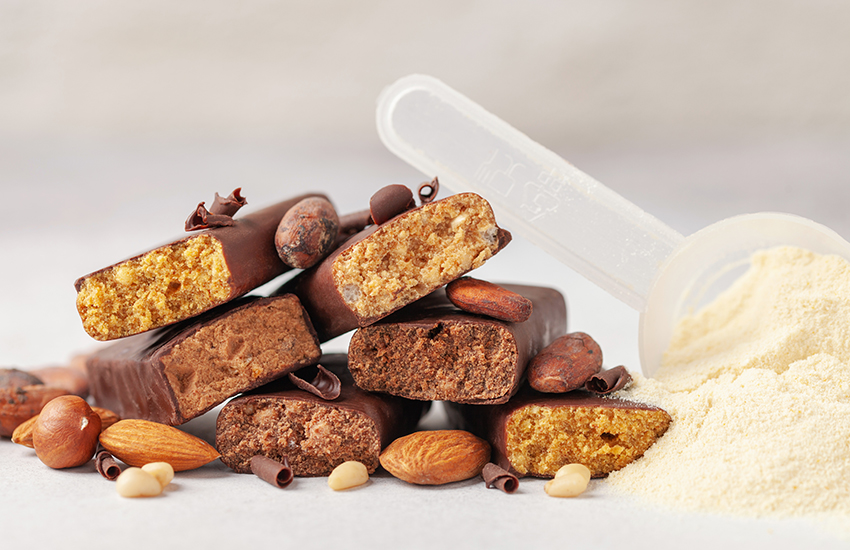
Figure 5: Industrially highly processed products labelled "high-protein" are, from a nutritional physiology perspective, unnecessary for most people.
The range of foods that contain protein in significant amounts is large. A food is considered a source of protein only if the protein content accounts for at least 12 percent of total calories. Products may be labelled as protein-rich or "high-protein" according to EFSA only if at least 20 percent of the food’s energy content is provided by protein.[5] However, caution is advised with products explicitly marketed as high-protein: these are often not only expensive but also highly processed and enriched with sugars and sweetening and preservative agents. The DGE also emphasises that so‑called high-protein products are nutritionally unnecessary.[6]
Below you will find a selection of protein-rich plant and animal foods. The protein content is given in grams per 100 grams of the named food:
- pumpkin seeds (35.6 g)
- poultry (28.9 g)
- hemp seeds (31 g)
- Emmental (28.4 g)
- tuna (27.6 g)
- smoked salmon (23 g)
- almonds (21 g)
- tempeh (19 g)
- wholemeal spelt flour (15.6 g)
- oats (13.5 g)
- buckwheat (13 g)
- chicken egg (12 g)
- cooked lentils (11.3 g)
- edamame (11 g)
- low‑fat quark (10.6 g)
- chickpeas (9 g)
- tofu (8.1 g)
How much protein should we consume daily?
There is still often controversial discussion among experts about what daily protein intake is appropriate. There is general agreement, however, that protein requirements vary from person to person: body weight affects the reference value as do age, physical activity and special life phases (e.g. pregnancy or breastfeeding).
For healthy adults of both sexes, the German Nutrition Society (DGE) recommends a daily intake of 0.8 grams of protein per kilogram of body weight.[7] From the age of 65 the average daily requirement rises to 1.0 gram per kilogram of body weight. According to the DGE, the stated daily doses are also sufficient for recreational athletes. Very ambitious, highly active athletes are recommended by the American College of Sports Medicine (ACSM) to consume a protein intake adjusted to the sport practised and to training goals and intensity of about 1.2 to 2.0 g/kg body weight per day.[8] For strength athletes it is generally sensible to distribute protein intake over the day to stimulate muscle protein synthesis and to use the ingested protein optimally for muscle building.
What happens with an excess of protein?
To provide the body with the protein it needs, it makes sense to always keep an eye on your protein supply. But how much protein is too much and can an excess have negative consequences? The effect of excess protein on the kidneys is frequently discussed. Indeed, excess protein is initially converted into urea in the body and then excreted via the kidneys. The associated increased workload for the kidneys, however — at least in healthy people without impaired kidney function — generally does not lead to health problems. Nevertheless, with a high protein intake particular attention should be paid to adequate hydration to support the excretion of urea.
The European Food Safety Authority (EFSA) considers a daily protein intake of about double the reference value (up to 1.66 grams of protein per kilogram of body weight) to be safe.[9] With a long‑term protein intake of over 2 grams of protein per kilogram of body weight per day, studies cannot exclude a harmful effect on kidney function.[10] In addition, excess protein, like other macronutrients, can be stored by the body as fat, so the risk of weight gain increases with a high protein surplus. Other typical symptoms include digestive problems such as bloating, constipation, abdominal pain or a feeling of fullness, as well as fluid retention.
Disclaimer
This article does not replace treatment by a qualified therapist. The basis of this article is studies and current literature. It must not be used for self-diagnosis or self-treatment. Discuss any inspirations from this article with a therapist you trust, if necessary.
Biography
Katharina Korbach regularly writes blog posts about medicinal plants and natural active ingredients for the Narayana Verlag. She became interested in language early on and began writing her own literary texts. A serious illness during her final school exams prompted an intensive engagement with health and nutrition topics that continues to this day. After repeated failure of conventional medical treatments she decided on a more self‑efficacious, naturopathic therapeutic approach. A plant‑based diet was a crucial key on her path to recovery.
Katharina studied cultural studies (B.A.) and applied literary studies (M.A.). In 2022 she published her debut novel "Sperling" with Berlin Verlag. Today she lives in Berlin as a freelance author, medical editor and lecturer. She spends her free time most enjoyably with friends or doing barre training. She also loves to travel and try out new vegan recipes.
[1] Huang T, Liang C, Li J, Ling X. Study on dissociated states of twenty proteinogenic amino acids and their interactions with LAT1 by HPCE-IICRD. J Chromatogr A. 2025 Aug 16. https://pubmed.ncbi.nlm.nih.gov/40403647/.
[2] Guarneiri LL, Adams CG, Garcia-Jackson B, Koecher K, Wilcox ML, Maki KC. Effects of Varying Protein Amounts and Types on Diet-Induced Thermogenesis: A Systematic Review and Meta-Analysis. Adv Nutr. 2024 Dec. https://pubmed.ncbi.nlm.nih.gov/39486625/.
[3] National Nutrition Survey II (2008). Max Rubner-Institut. https://www.mri.bund.de/fileadmin/MRI/Institute/EV/NVSII_Abschlussbericht_Teil_2.pdf (accessed: 22.09.2025).
[4] Huang J, Liao LM, Weinstein SJ, Sinha R, Graubard BI, Albanes D. Association Between Plant and Animal Protein Intake and Overall and Cause-Specific Mortality. JAMA Intern Med. 2020 Sep 1. https://pubmed.ncbi.nlm.nih.gov/32658243/.
[5] European Commission (): Nutrition Claims. https://food.ec.europa.eu/food-safety/labelling-and-nutrition/nutrition-and-health-claims/nutrition-claims_en (accessed: 22.09.2025).
[6] DGE (2021): High-protein products are unnecessary. https://www.dge.de/presse/meldungen/2021/high-protein-produkte-sind-ueberfluessig/ (accessed: 23.09.2025).
[7] DGE (2017): Reference value protein. https://www.dge.de/wissenschaft/referenzwerte/protein/ (accessed: 22.09.2025).
[8] Rodriguez N. The Emerging Science of Rehabilitative Nutrition: Protein’s Role as the Protagonist. American College of Sports and Medicine. 2024 Annual Meeting. https://southeast.acsm.org/wp-content/uploads/2025/01/rodriguez_seacsm-2024-slidedeck_pdf.pdf (accessed: 22.09.2025).
[9] EFSA (2017): Dietary Reference Values for nutrients – Summary report. https://www.efsa.europa.eu/sites/default/files/2017_09_DRVs_summary_report.pdf (accessed: 22.09.2025).
[10] Kalantar-Zadeh K, Kramer HM, Fouque D. High-protein diet is bad for kidney health: unleashing the taboo. Nephrol Dial Transplant. 2020 Jan 1. https://pubmed.ncbi.nlm.nih.gov/31697325/.
Figure 1: Housewife_freelancer/shutterstock.com ; Figure 2: todesblei/shutterstock.com ; Figure 3: Blueastro/shutterstock.com ; Figure 4: Tatjana Baibakova/shutterstock.com ; Figure 5: NatalyaBond/shutterstock.com
30.10.2025

