
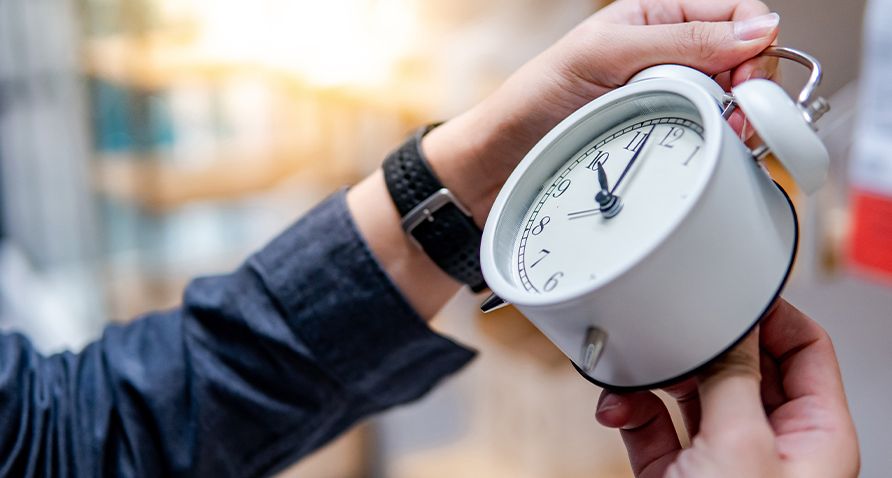
Figure 1: Switching from summer to winter time can place a heavy strain on the body. Appropriate measures can, however, ease the transition and help prevent negative side effects.
Every year in Germany the clocks are turned back to winter time on the last Sunday in October. What initially sounds positive because of the 'extra' hour of sleep can be a physical and psychological burden for many people. The good news is that you can do something yourself to avoid feeling unusually tired and exhausted after the time change. In this blog post you will learn why daylight saving time was introduced in the first place and how it can affect body and mind. Our five tips for a smooth transition can help you start winter time feeling energised.
What does the term 'time change' mean?
The term 'time change' refers to the legally regulated change of the official clock time by one hour. This change is carried out twice a year in around 60 countries worldwide. Countries that do not observe clock changes include, among others, Iceland, Russia, Turkey, Hawaii, Argentina, Brazil and most African countries. Areas close to the equator often forego changing the clocks because day lengths there vary little over the year.
In Germany and many other European countries a distinction is made between summer time and winter time:
- Summer time: On the last Sunday in March the clocks are set forward from 2 a.m. to 3 a.m.
- Winter time: On the last Sunday in October the clocks are set back from 3 a.m. to 2 a.m.
Many people are surprised by the upcoming time change every time or forget whether the clocks should be put forward or back. Mnemonics such as 'Spring forward, fall back!' have become established. In spring (spring) the clock jumps forward, in autumn (fall) it falls back. Alternatively, you can think of garden furniture being brought out in spring and put away again in winter.
Effects of the time change on body and mind

Figure 2: The time change causes the body to experience a kind of 'mini-jetlag', which is often accompanied by physical and psychological symptoms such as daytime sleepiness or irritability.
One might think that losing or gaining one hour of sleep does not significantly affect physical and mental condition. But that would be wrong. Once we have become accustomed to a certain sleep pattern, it takes time and energy to change it sustainably. It can take about a week for the body to adjust to the new rhythm. Although the switch from winter to summer time is often felt to be more difficult because an hour of sleep is lost, the transition to winter time can also be challenging. The time change disrupts the biorhythm so that the body experiences a kind of 'mini-jetlag'. Typical accompanying symptoms include:
- sleep disturbances
- daytime sleepiness
- reduced concentration
- a slightly increased risk of heart attacks
- hormonal shifts
- gastrointestinal complaints
- low mood
- increased irritability
That the time change can negatively affect sleep, heart health and attention has now been confirmed by several studies. Adolescents appear to be particularly affected. In a small study of teenagers, the time change was associated with a long-term impairment of sleep quality and vigilance.[1] The result is often reduced performance and lack of attention at school.
It would also be mistaken to assume that the consequences of the time change are limited to one night and the following day. According to a review, the switch to summer time leads in the following days to increased sleep fragmentation and prolonged time to fall asleep. Conversely, setting the clocks back in autumn does not produce any significant sleep gain on the night of the time change or in the days that follow.[2] A meta-analysis of 12 studies from ten countries also found a slightly increased risk of heart attacks after the switch to summer time.[3]
Well prepared for the time change: five tips for a comfortable transition
Perhaps you are among those who struggle with the time change twice a year. To minimise or even prevent the physical and psychological effects, some measures have proven effective. It is worth noting the date of the time change in your calendar early so you can prepare your body for the upcoming adjustment. The tips below are applicable both for the switch from summer to winter time and for the change from winter to summer time.
1. Use daylight — preferably early in the day!

Figure 3: Morning daylight helps to synchronise the internal biological clock, promotes melatonin and cortisol regulation and thus supports our natural sleep–wake rhythm — particularly important when moving into the darker season.
Light is the most important time cue for our body. Exposing yourself to natural daylight early in the morning helps your organism to synchronise its internal biological clock. This is also known as the circadian rhythm and regulates sleep, hormone release, body temperature and metabolic processes. When the circadian rhythm functions smoothly, the 'sleep hormone' melatonin is released after darkness falls, which makes us drowsy and prepares us for sleep. In the morning, cortisol peaks so we can start the day full of energy.
On the evening before the time change it is advisable not to darken the bedroom with blinds or shutters so you can be woken by natural light. In the morning you should ideally get as much daylight as possible early on to help your 'internal clock' adjust to the new rhythm. A walk or time spent outside also has the advantage of stimulating vitamin D production in the skin. In our latitudes many people are deficient in this important vitamin, which is why appropriate supplementation can be sensible, especially during the sun-poor winter months.
Even more burdensome than the switch to winter time for many people is the general shift to the darker season. Persistent energy and mood lows due to lack of daylight are common. All the more reason to make the best possible use of available daylight — whether first thing in the morning or during a short walk at lunchtime.
2. Adjust your sleep schedule in good time!
To help your body gradually get used to the new sleep–wake rhythm, you should start shifting your sleep times in stages by 15–20 minutes a day a few days before the change. For the switch to summer time you can go to bed a little earlier four to five days beforehand and correspondingly get up earlier, while for the switch to winter time you should shift bedtime and waking times slightly later each day.
Also pay attention to good sleep hygiene that promotes restorative sleep. In the evening you should avoid blue light (e.g. from TV, laptop, smartphone) as it suppresses melatonin production. The bedroom should be cool (approx. 16–19 °C) and quiet. Relaxing evening rituals such as reading, breathing exercises, a warm bath or a cup of tea can also help you unwind.
3. Don't overfill your diary!
Surveys show that the number of work and traffic accidents as well as sick notes at work increases in the days following the switch to summer time.[4] These figures underline that the physical adjustment to the new time should not be underestimated and does carry an increased risk of illness and accidents. It therefore makes sense to keep the period after the time change deliberately calm and relaxed. If possible, avoid scheduling important appointments at the beginning of the week and consciously plan breaks.
4. Support your body with the right nutrition!
One of the best nutritional tips for the time change is to avoid fatty and heavy meals in the evening. The last meal should be eaten no later than two to three hours before bedtime to avoid disturbing sleep. An early, light evening meal is ideal, for example based on a protein source (e.g. fish, pulses) and cooked vegetables. Avoid raw foods and salads in the evening as they contain a lot of hard-to-digest fibre.
In general, do not additionally burden your body during the time change with highly processed foods or a one-sided diet. Avoid fast food, convenience products, sugary foods and alcohol. A nutrient-rich, balanced diet that supplies all essential vital nutrients is recommended. As tiredness can also be caused by lack of fluids, aim to drink 1.5 to 2 litres of water or unsweetened tea daily, spread over the day.
5. Exercise — but at the right time!

Figure 4: Exercise in the fresh air, such as a morning run, helps your body activate the sleep–wake rhythm and start the day feeling fit.
Just like morning daylight, exercise in the morning or late morning can help the body adapt the sleep–wake rhythm to the new time. Physical activity temporarily raises cortisol and adrenaline levels, which makes you feel more awake and alert. Whether you choose a brisk walk, Pilates or a jog is up to you. The main thing is to get moving — preferably outdoors!
However, pay attention to timing: it is best to train in the morning to afternoon to get the circulation going and activate the circadian rhythm. Sweaty workouts in the evening are not recommended because increased cortisol can impair sleep. As the body is already under strain while adjusting to the time change, it can generally make sense to avoid intensive training sessions in the first days after the change and to exercise more moderately.
Disclaimer
This article does not replace treatment by a qualified practitioner. The basis of this article is studies and current literature. It must not be used for self-diagnosis or self-treatment. Discuss any ideas from this article with a practitioner you trust.
About the author
Katharina Korbach regularly writes blog posts about medicinal plants and natural active ingredients for the Narayana Verlag. She became interested in language early on and began writing her own literary texts. A serious illness during her final school years prompted an intensive engagement with health and nutrition topics that continues to this day. After repeated failures of conventional medical treatments, she opted for a more self-empowering, naturopathic therapeutic approach. A plant-based diet was a key element in her healing process.
Katharina studied cultural studies (B.A.) and applied literary studies (M.A.). In 2022 she published her debut novel 'Sperling' with Berlin Verlag. She now lives in Berlin as a freelance author, medical editor and lecturer. In her free time she enjoys spending time with friends or doing barre training. She also loves to travel and try out new vegan recipes.
[1] Medina D, Ebben M, Milrad S, Atkinson B, Krieger AC. Adverse Effects of Daylight Saving Time on Adolescents' Sleep and Vigilance. J Clin Sleep Med. 2015 Aug 15. https://pubmed.ncbi.nlm.nih.gov/25979095/.
[2] Harrison Y. The impact of daylight saving time on sleep and related behaviours. Sleep Med Rev. 2013 Aug. https://pubmed.ncbi.nlm.nih.gov/23477947/.
[3] Hurst A, Morfeld P, Lewis P, Erren TC. Daylight Saving Time Transitions and Risk of Heart Attack. Dtsch Arztebl Int. 2024 Jul 26. https://pubmed.ncbi.nlm.nih.gov/38888468/.
[4] Deutscher Bundestag (2016): Sachstand: Studien zu gesundheitlichen Folgen der jährlichen Zeitumstellung auf die Sommerzeit. https://www.bundestag.de/resource/blob/407624/d1fa2b547812da531f580ce77f348b4/wd-9-044-14-pdf-data.pdf (accessed: 04.09.2025).
Figure 1: Zephyr_p/shutterstock.com ; Figure 2: fizkes/shutterstock.com ; Figure 3: SKY Stock/shutterstock.com ; Figure 4: baranq/shutterstock.com
23 October 2025

