
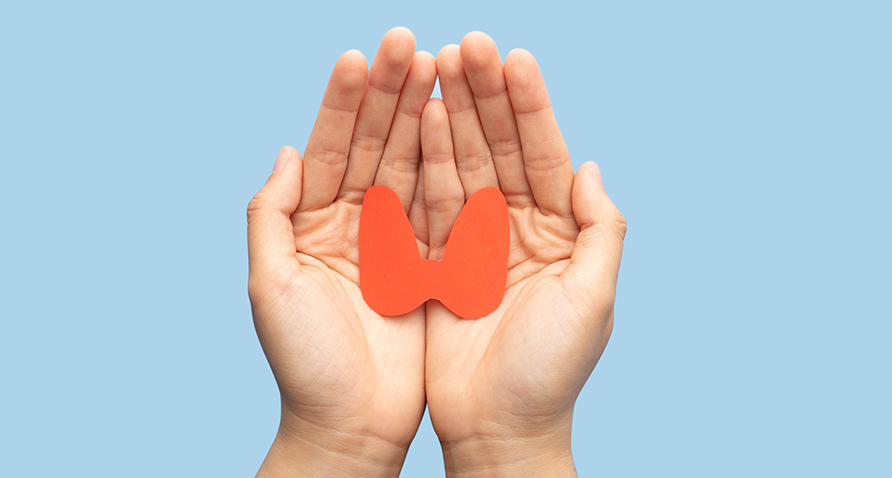
Figure 1: The thyroid is an important pacemaker for the body and is central to metabolism and hormone production, among other functions. A disease of the organ can greatly impair the wellbeing of those affected.
If the thyroid falls out of balance, the whole organism is affected. Because the gland influences, among other things, energy expenditure and other metabolic processes, thyroid disorders can significantly reduce the quality of life of those affected. This blog post outlines the most important features and possible causes of common thyroid complaints. You will also learn how thyroid diseases are diagnosed and how you can support a weakened thyroid with holistic measures.
The thyroid: a small organ with many functions
The thyroid is a small, butterfly-shaped gland located in the neck just below the larynx. At first glance an inconspicuous organ, it fulfils partly vital functions in the body. Central tasks of the thyroid include the production of the hormones thyroxine (T4) and triiodothyronine (T3).[1] The two thyroid hormones influence the function of numerous organs and the entire metabolism. Among other things, the messengers can regulate a person’s energy expenditure, body temperature, body weight and appetite. They can also affect physical growth in childhood, healthy development of the brain and nervous system, heart activity and blood pressure, as well as intestinal function.
An increasing number of studies also show effects of the thyroid on general mood and mental health. A meta-analysis of 348,000 subjects found that the risk of clinically relevant depression in people with overt hypothyroidism is about 30 percent higher compared with people with normal thyroid function.[2] Considering the many tasks the thyroid performs every day in the body, it becomes immediately clear why a disease of the organ can sometimes have serious consequences. How the thyroid can fall out of balance and which thyroid complaints occur particularly frequently are explained further on in this article.
How do thyroid diseases arise?
Thyroid diseases (also: thyropathies) are common and can be roughly divided into two areas: dysfunctions of the thyroid and changes to the organ (e.g. in size or structure). However, most thyroid complaints are mixed forms. The causes of pathological changes of the thyroid are varied. This is partly because production, release and transport of thyroid hormones to the body’s cells are each highly complex processes. If even a single adjustment of the finely tuned process does not work smoothly, this can lead to metabolic dysfunctions and other complaints.
Greatly simplified, the function of the thyroid can be described as follows: first, the hypothalamus in the brain issues the command to release the hormone TRH (thyrotropin-releasing hormone). TRH in turn acts on the pituitary gland, which then releases TSH (thyroid-stimulating hormone). Via the blood, TSH reaches the thyroid and stimulates production of the thyroid hormones T3 (triiodothyronine, active hormone) and T4 (thyroxine). The most important building block for hormone production is iodine, which the thyroid extracts from the blood. The gland then stores T3 and T4 until the hormones are released into the blood and transported to the target organs when required.
Often a genetic predisposition is responsible for the development of thyroid complaints. But iodine deficiency or excess can also affect the hormone production of the thyroid and, in the case of excess, even trigger autoimmune processes that favour secondary diseases (e.g. Graves’ disease). Other factors that can promote thyroid problems include hormonal changes (e.g. in menopause and pregnancy), emotional and physical stress, infections, inflammation, environmental toxins and nutrient deficiencies (especially of selenium, iron, zinc and vitamin D).
From hypothyroidism to Hashimoto: common thyroid complaints
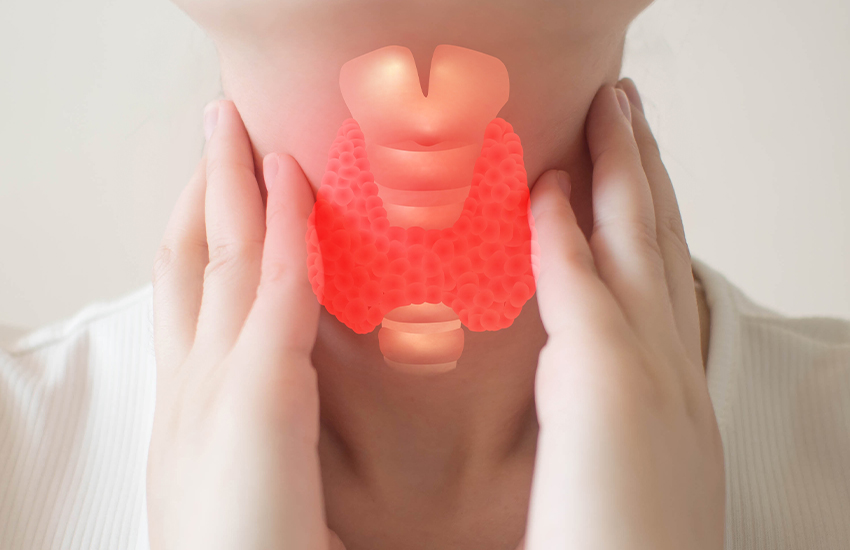
Figure 2: A dysfunction of the thyroid can manifest itself in very different ways. Fatigue and weight gain can, for example, be signs of hypothyroidism.
The range of possible thyroid complaints is large. Regardless of which dysfunction is present, thyroid problems sooner or later affect the wellbeing of those affected. A common symptom that can occur in several thyroid diseases is the formation of a so‑called goitre (struma). This visible and palpable enlargement of the thyroid can indicate, among other things, chronic iodine deficiency, Hashimoto’s thyroiditis, Graves’ disease or thyroid cancer. Below we present common thyroid diseases and their main characteristics.
Hypothyroidism
When the thyroid does not provide the body with enough hormones, this is called hypothyroidism. Due to the hormone deficiency, the metabolism is slowed down and many bodily functions proceed more slowly. Typical symptoms of hypothyroidism include persistent tiredness, low blood pressure, increased sensitivity to cold, weight gain, depressive moods, hair loss, constipation and concentration difficulties. A distinction is also made between primary, secondary and tertiary hypothyroidism. The most common is primary hypothyroidism, in which the thyroid itself is affected and produces no or too few hormones. This is often the result of Hashimoto’s thyroiditis or iodine deficiency. In secondary hypothyroidism, the pituitary gland produces too little TSH (e.g. as a result of a tumour or surgery), while in tertiary hypothyroidism the hypothalamus produces insufficient TRH.
Hyperthyroidism
Hyperthyroidism occurs when there is excessive production of the thyroid hormones T3 and T4. Symptoms may include nervousness, insomnia, weight loss (despite normal appetite), increased sweating, tremor, palpitations, fatigue and muscle weakness. Many affected people also suffer from sleep disturbances. Hyperthyroidism is often triggered by a disease such as Graves’ disease, Hashimoto’s thyroiditis or functional autonomy. All of the conditions mentioned will be discussed in more detail below.
Hashimoto’s thyroiditis

Figure 3: Hashimoto’s thyroiditis is an autoimmune disease of the thyroid and predominantly affects women.
Hashimoto’s thyroiditis (often simply called “Hashimoto”) is a widespread autoimmune disease that mainly affects women between the ages of 20 and 60.[3] In this chronic inflammation of the thyroid, the immune system attacks the gland by producing certain antibodies. This leads to inflammation and, over the long term, to destruction of the thyroid. Hashimoto’s thyroiditis is characterised by a fluctuating course in which symptoms of hyperthyroidism and hypothyroidism alternate at first. As the disease progresses and fewer thyroid hormones are produced, hypothyroidism usually predominates after some time. The disease is not curable but can be well treated with thyroid hormone replacement and complementary holistic measures.
Graves’ disease
As with Hashimoto’s thyroiditis, Graves’ disease is an autoimmune condition. Various antibodies mistakenly act against the body, for example by acting uncontrollably, attacking thyroid tissue or overstimulating the thyroid. The result is inflammatory reactions and an overproduction of thyroid hormones, which can lead to hyperthyroidism. Typical visible signs of Graves’ disease are a goitre and protruding eyeballs (exophthalmos).
Functional autonomy
In functional autonomy, the thyroid continues to produce hormones even when the body is already adequately supplied. Instead of responding to the hormone TSH, which regulates thyroid hormone production in healthy people, certain parts of the thyroid work autonomously – hence the term “functional autonomy”. The affected areas in the thyroid tissue are also referred to as “hot nodules” or autonomous areas. The term “hot nodules” comes from thyroid scintigraphy, an imaging procedure in which areas with excessive hormone production appear brighter (“hot”). As a rule, “hot nodules” are benign. However, since they do not respond to normal TSH regulation, they can easily cause a hormone surplus and lead to hyperthyroidism. The most common cause of functional autonomy is long-term and persistent stimulation of the thyroid as a result of chronic iodine deficiency.
The importance of iodine for thyroid function
No other mineral is mentioned in connection with the thyroid as often as iodine—and for good reason: without sufficient amounts of the trace element, the thyroid hormones T3 and T4 cannot be produced. Iodine is one of the essential trace elements. Because it cannot be produced by the body, iodine must be supplied through the diet. Mainly sea fish and seafood, but also milk and eggs (depending on animal feed), are suitable sources of iodine. As a plant-based source, brown seaweed (knotted wrack) is an option. Ideally, these should come from organic cultivation. Iodised table salt can also contribute to iodine intake.
The EU Health Claims Regulation lists health-related statements that have been reviewed and classified as established by the European Food Safety Authority (EFSA). For the following claims about the effects of iodine, a minimum daily intake of 22.5 micrograms (µg) of iodine is required (15% of the NRV).
Iodine:[4]
- contributes to normal thyroid function
- contributes to normal production of thyroid hormones
- contributes to normal cognitive function
- contributes to normal functioning of the nervous system
- contributes to normal energy metabolism
- contributes to the maintenance of normal skin
Up to 80 percent of dietary iodine taken up is used by the thyroid. Iodine deficiency can have a clearly negative effect both on the organ itself and on the rest of the body. To absorb more iodine from the blood, the thyroid often enlarges and a so‑called goitre (struma) develops. In addition, iodine deficiency can sometimes lead to hypothyroidism, an overall slowed metabolism, cognitive impairments, growth and developmental disorders, hair loss, dry skin or low blood pressure. During pregnancy, iodine deficiency can also increase the risk of miscarriage or preterm birth. Pregnant and breastfeeding women should therefore, according to the German Nutrition Society (DGE), aim for a daily iodine intake of 220 µg and 230 µg respectively, while the recommendation for healthy adults is 150 µg iodine per day.[5]
How are thyroid diseases diagnosed?

Figure 4: The diagnostic repertoire for thyroid diseases includes palpation and imaging procedures such as ultrasound.
Many thyroid diseases remain undetected for a long time due to nonspecific symptoms. In the case of the fluctuating Hashimoto’s thyroiditis, TSH values also fluctuate, which makes diagnosis more difficult. In hypothyroidism it is not uncommon for the TSH value to be normal even though the affected person suffers from symptoms of hypothyroidism. All the more important is to consult a specialist (usually an endocrinologist) if a thyroid disease is suspected, who can interpret and correctly assess the relevant values. Diagnosis of a thyroid disease generally takes place in several steps. After a detailed medical history, blood tests are used to determine TSH and, if necessary, also fT4 (free thyroxine) and fT3 (free triiodothyronine). Other possible examinations are palpation of the thyroid, ultrasound (sonography) and scintigraphy (e.g. when “hot nodules” are suspected).
Conventional medical treatment for thyroid disorders
Depending on which thyroid disease is present, conventional medicine proposes different treatment approaches. Treatment of hypothyroidism is usually pharmacological by taking the synthetic thyroid hormone levothyroxine (L‑thyroxine). For hyperthyroidism, antithyroid drugs (thyreostatics) are often prescribed. These medications belong to the group of thyroid‑inhibiting agents and block enzymes necessary for the production of thyroid hormones. Another treatment option for hyperthyroidism is radioiodine therapy. Patients with hyperthyroidism are given radioactive iodine, which destroys overactive cells by beta radiation.[6] In the case of “hot nodules” or very large goitres, surgery on the thyroid may also be necessary—particularly if severe swallowing difficulties or breathing problems occur concurrently.
Holistic approaches to treating thyroid complaints

Figure 5: In addition to pharmacological therapy, it is sensible with thyroid disorders to support the thyroid through holistic measures in the areas of nutrition, exercise and stress management.
Thyroid diseases generally do not have a single cause that must be removed in order for healing to occur. Rather, these are complex complaints that should be viewed and treated holistically. If the body’s regulatory mechanisms function properly, the thyroid is usually also in natural balance. If, however, the organism is overloaded, an imbalance can arise that is often associated with thyroid problems. The following suggestions can help activate your body’s self-healing capacities and gently and holistically support the thyroid.
- Pay attention to a thyroid‑friendly diet: Adequate supply of essential nutrients and vital substances forms the basis for thyroid health. Among the most important nutrients for a healthy thyroid are iodine (e.g. in sea fish and seaweed) and selenium (e.g. in Brazil nuts and eggs), as well as zinc, iron, vitamin D and anti‑inflammatory omega‑3 fatty acids. Strongly processed and sugar‑rich foods should be avoided as part of a thyroid‑friendly diet.
- Reduce your stress levels: Stress burdens the entire organism and also the thyroid enormously, which can be expressed, among other things, by a significant increase in TSH levels.[7] To counteract this, stress‑reducing measures such as yoga, meditation, breathing and relaxation exercises and sufficient sleep (ideally 7 to 9 hours for adults) can be helpful. It is particularly important in hyperthyroidism to calm the nervous system and allow adequate regeneration to relieve symptoms such as nervousness, anxiety or tremor.
- Cleanse and strengthen your gut: Optimal nutrient and vital substance absorption only succeeds if the gut is healthy. Regular, professionally supervised intestinal cleanses can be useful to rid the gut of inflammation‑promoting toxins and create space for the re‑establishment of health‑promoting gut bacteria. Also reach for fibre‑rich and fermented foods (e.g. sauerkraut, kefir, kimchi), which promote the development of a healthy gut microbiome. Since a large portion of the immune system resides in the gut, strengthening your gut health also supports your immune defences.
- Exercise regularly and moderately: Moderate endurance exercise is particularly important in hypothyroidism to stimulate the slowed metabolism caused by the disease. As a meta‑analysis showed, long‑term and regular exercise can lead to a reduction in TSH levels and an improvement in overall thyroid function.[8] Exercise can also reduce cortisol levels, thereby reducing stress, and effectively support the important hormone conversion of the thyroid (conversion of T4 to T3).[9]
- Avoid environmental toxins and pollutants: Certain chemicals and environmental toxins can stress the thyroid and should therefore be avoided as far as possible. In recent years, domestic pollutants such as flame retardants have increasingly come into the public focus in this context. These toxic substances are found, among other places, in upholstery, carpets and electronic devices. According to a study cited by the Endocrine Society, flame retardants may increase the risk of thyroid cancer.[10]
Disclaimer
This article does not replace treatment by a qualified practitioner. The basis of this article is studies and current literature. It must not be used for self‑diagnosis or self‑treatment. Discuss any ideas from this article with a practitioner you trust where appropriate.
About the author
Katharina Korbach regularly writes blog posts on medicinal plants and natural active ingredients for the Narayana Verlag. She became interested in language early on and began writing her own literary texts. A serious illness during her school leaving examinations led to an intensive engagement with health and nutritional topics that continues to this day. After conventional medical treatment methods repeatedly failed, she opted for a more self‑effective, naturopathic therapeutic approach. A plant‑based diet was a major key on her path to recovery.
Katharina studied cultural studies (B.A.) and applied literary studies (M.A.). In 2022 she published her debut novel “Sperling” with Berlin Verlag. She now works as a freelance author, medical editor and lecturer in Berlin. In her free time she most enjoys spending time with friends or doing barre training. She also loves travelling and trying out new vegan recipes.
[1] Pirahanchi Y, Tariq MA, Jialal I. Physiology, Thyroid. 2023 Feb 13. https://pubmed.ncbi.nlm.nih.gov/30137850/.
[2] Bode H, Ivens B, Bschor T, Schwarzer G, Henssler J, Baethge C. Association of Hypothyroidism and Clinical Depression: A Systematic Review and Meta-analysis. JAMA Psychiatry. 2021 Dec 1. https://pubmed.ncbi.nlm.nih.gov/34524390/.
[3] Amino N. Autoimmunity and hypothyroidism. Baillieres Clin Endocrinol Metab. 1988 Aug. https://pubmed.ncbi.nlm.nih.gov/3066320/.
[4] EFSA NDA Panel (EFSA Panel on Dietetic Products, Nutrition and Allergies). Scientific Opinion on the substantiation of health claims related to iodine. EFSA Journal 2010. https://efsa.onlinelibrary.wiley.com/doi/10.2903/j.efsa.2010.1800 (accessed: 24.09.2025).
[5] DGE (2025): Reference value iodine. https://www.dge.de/wissenschaft/referenzwerte/jod/ (accessed: 24.09.2025).
[6] Larisch R, Midgley JEM, Dietrich JW, Hoermann R. Effect of Radioiodine Treatment on Quality of Life in Patients with Subclinical Hyperthyroidism: A Prospective Controlled Study. Nuklearmedizin. 2024 Jun. https://pubmed.ncbi.nlm.nih.gov/38262472/.
[7] Fischer S, Strahler J, Markert C, Skoluda N, Doerr JM, Kappert M, Nater UM. Effects of acute psychosocial stress on the hypothalamic-pituitary-thyroid (HPT) axis in healthy women. Psychoneuroendocrinology. 2019 Dec. https://pubmed.ncbi.nlm.nih.gov/31563038/.
[8] Sundus H, Khan SA, Zaidi S, Chhabra C, Ahmad I, Khan H. Effect of long-term exercise-based interventions on thyroid function in hypothyroidism: A systematic review and meta-analysis of randomized controlled trials. Complement Ther Med. 2025 May 28. https://pubmed.ncbi.nlm.nih.gov/40446861/.
[9] Klasson CL, Sadhir S, Pontzer H. Daily physical activity is negatively associated with thyroid hormone levels, inflammation, and immune system markers among men and women in the NHANES dataset. PLoS One. 2022 Jul 6. https://pubmed.ncbi.nlm.nih.gov/35793317/.
[10] The Endocrine Society: Exposure to common flame retardants may raise the risk of papillary thyroid cancer. Science Daily. 2017 April 2. https://www.sciencedaily.com/releases/2017/04/170402111311.htm (accessed: 02.07.2025).
Figure 1: Orawan Pattarawimonchai/shutterstock.com ; Figure 2: Orawan Pattarawimonchai/shutterstock.com ; Figure 3: Nenad Cavoski/shutterstock.com ; Figure 4: H_Ko/shutterstock.com ; Figure 5: Tatjana Baibakova/shutterstock.com
16.10.2025

