
Schuessler Salts: The Supplementary Remedies
From Kalium arsenicosum to Zincum sulfuricum
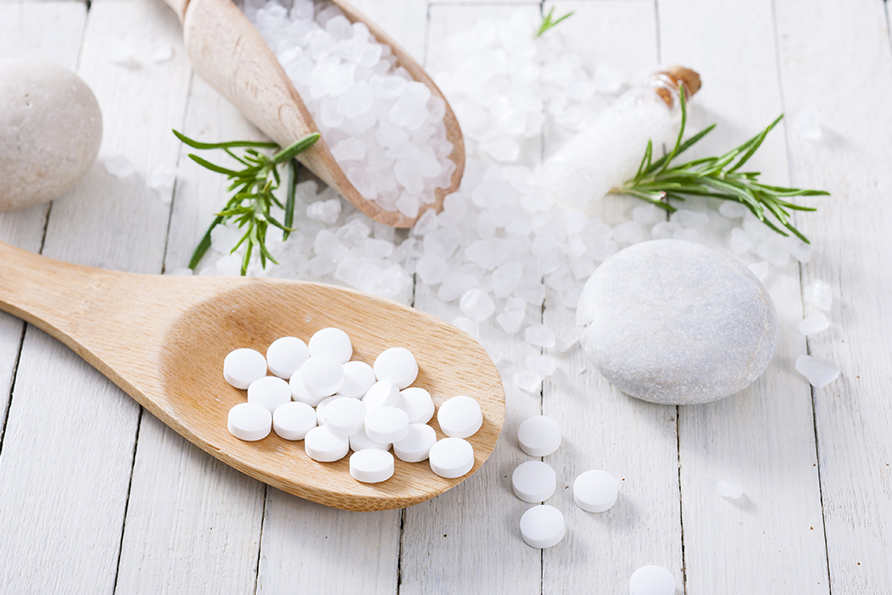
Figure 1: The repertoire of the popular Schuessler salts has been expanded by 15 remedies and many indications for personalised preventive health care.
In addition to the classic 12 functional Schuessler salts there are a further 15 so‑called supplementary salts (Nos. 13–27) that play an important role in naturopathy. These salts were introduced later to allow more targeted applications for specific health complaints. They complement the traditional Schuessler system and offer additional support for a variety of physical and emotional imbalances.
Dr Wilhelm Heinrich Schuessler laid the foundations with his first 12 salts for a biochemical healing approach based on the idea that illness arises from imbalances in the body's mineral economy. The supplementary salts deepen this approach and aim to correct further mineral deficiencies in the organism to activate self‑healing processes.
The 15 supplementary salts and their areas of use
The Schuessler supplementary salts Nos. 13–27 provide a valuable extension to the classical Schuessler therapy. They aim to correct specific deficiency states in the body and promote well‑being naturally. Due to their gentle action they are particularly suitable for people seeking a natural and holistic support for their health.
The Schuessler supplementary salts are used, like the original salts, as supportive treatment for various health problems, including:
Mineral deficiency: The supplementary salts can help to correct specific mineral deficiencies in the body that may arise, for example, from a stressful lifestyle or illnesses. Support for metabolic processes: Some of the supplementary salts can activate and regulate metabolic processes. They are used for metabolic disorders or to stimulate detoxification processes. Strengthening the immune system: Some salts are said to have immunomodulatory properties – they can strengthen the immune system and increase the body's defences. Support for the nervous system: A selection of supplementary salts can help to calm the nervous system and reduce stress. Promotion of wound healing and skin health: Certain salts are used for skin problems or to promote wound healing.
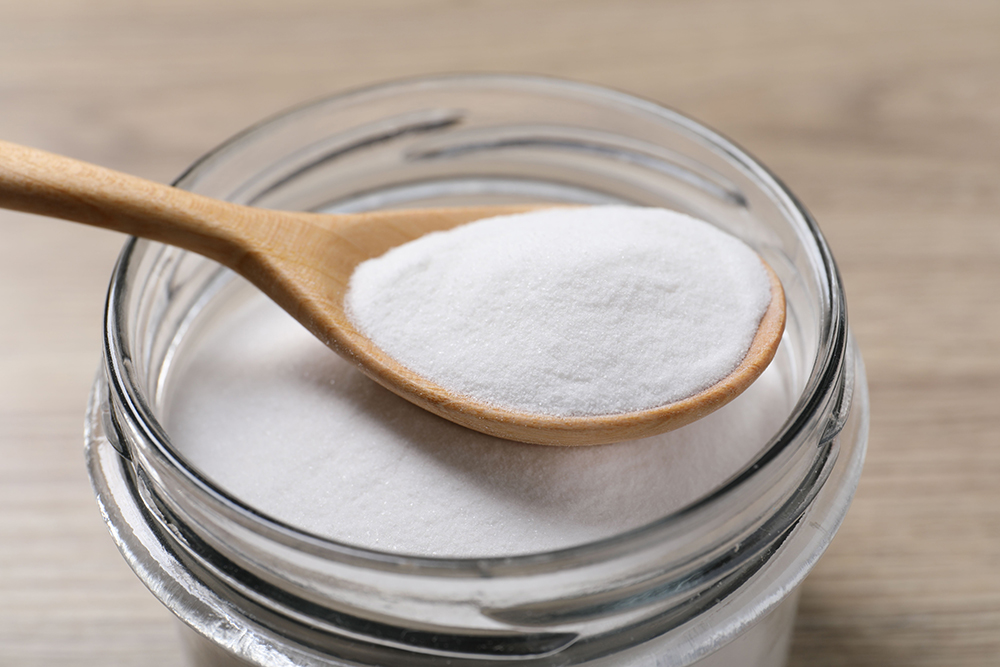
Figure 2: Sodium bicarbonate is known in the kitchen as baking soda and is a popular home remedy for heartburn. As a Schuessler salt it supports deacidification.
The supplementary remedies at a glance
|
New Schuessler salt |
Indications |
|
No. 13 Kalium arsenicosum (potassium arsenite) |
Weakness, wasting, asthma, skin problems, eczema and allergies |
|
No. 14 Kalium bromatum (potassium bromide)
|
Sleep disorders and nervous restlessness |
|
No. 15 Kalium jodatum (potassium iodide) The salt for the heart, brain, thyroid and inflammation
|
Hyper‑ and hypothyroidism, supports the metabolism |
|
No. 16 Lithium chloratum (lithium chloride)
|
Rheumatic complaints and gout |
|
No. 17 Manganum sulfuricum (manganese sulfate)
|
Poor iron absorption, anaemia, promotes blood formation and supports joint problems |
|
No. 18 Calcium sulfuratum (calcium sulfide)
|
Exhaustion, wasting, chronic skin problems and acne |
|
No. 19 Cuprum arsenicosum (copper arsenite)
|
Severe cramps, muscle cramps and tension |
|
No. 20 Kalium‑Aluminium‑sulfuricum (potassium aluminium sulfate)
|
Colic with bloating, inflammations and mucous membrane problems |
|
No. 21 Zincum chloratum (zinc chloride)
|
Menstrual complaints, nervous disorders, restless legs, supports the immune system and wound healing |
|
No. 22 Calcium carbonicum (calcium carbonate)
|
Exhaustion, senility, shortness of breath, strengthens bones and teeth. |
|
No. 23 Natrium bicarbonicum (sodium bicarbonate)
|
Acidosis, detoxification, for heartburn |
|
No. 24 Arsenum jodatum (arsenic iodide)
|
Chronic inflammations and skin problems such as weeping eczema |
|
No. 25 Aurum chloratum natronatum (gold chloride‑sodium) |
Cardiovascular problems and depression |
|
No. 26 Selenium (selenium) |
Supports the immune system and the thyroid |
|
No. 27 Kalium bichromicum (potassium bichromate) |
Chronic mucous membrane inflammations such as chronic sinusitis; for asthma, rheumatism |
Use and duration of intake of Schuessler salts
The dosage and duration of taking Schuessler salts depends on the type and severity of the complaints. Acute and chronic complaints require different approaches. As a general guideline, the following dosing recommendations can be used:
- Acute complaints: For acute and pronounced symptoms Schuessler salts are generally taken in higher doses and at short intervals. This often means several tablets hourly until improvement occurs. The overall duration of intake is usually short.
- Chronic complaints: If the complaints have been present for a longer time and developed gradually, longer‑term use is required. The dosage here is usually fewer tablets per day over a longer period to achieve a lasting improvement.
It is important to consider the patient's specific needs and the nature of the complaints. Individual adjustment of dosage and duration of intake should ideally be made in consultation with a doctor or qualified naturopath.
Conclusion:
The 15 Schuessler supplementary salts expand the classical Schuessler system and offer targeted support for specific health problems. They help to correct imbalances in the body's mineral economy and promote the body's self‑healing powers. Due to their gentle mode of action they are particularly well tolerated and a valuable addition to a holistic health strategy.
Recommended books
- Die Schüssler‑Therapie mit 36 Mineralsalzen. Rosina Sonnenschmidt
- Die neue Schüssler‑Hausapotheke. Rosina Sonnenschmidt
- Das grosse Schüssler Repertorium. S. R. Phatak
- Zungendiagnose und Schüssler‑Salze. Sigrid Molineus
- Antlitzdiagnostik nach Dr. Schüssler. Peter Emmrich
- Schüssler kurz und bündig. Thomas Feichtinger, Susana Niedan‑Feichtinger
More articles on this topic:
Disclaimer
Treatment with Schuessler salts should always be embedded in a holistic therapy concept so that the life salts can develop their effect optimally.
This article does not replace treatment by a qualified therapist. The basis of this contribution is studies and current literature. It must not be used for self‑diagnosis or self‑treatment. If in doubt, discuss any ideas from this article with a therapist you trust.
Figure 1: images72/Shutterstock.com; Figure 2: New Africa/Shutterstock.com

