
.jpg)
Figure 1: Iron is the most commonly occurring trace element in the body. The substance is essential particularly for oxygen transport and blood formation.
Although present in the body only in small amounts, iron is indispensable for many bodily functions. Among other things, this vital trace element is needed for oxygen supply in the blood and the production of red blood cells. In this blog article you will learn which other important tasks iron performs and which foods are particularly rich in iron. In addition, you will receive valuable tips for treating and preventing iron deficiency and for choosing a suitable iron supplement.
What is iron?
Alongside substances such as iodine, zinc, fluoride, selenium and manganese, iron is also classified as an essential trace element. These vital minerals occur in the body only in very small amounts, but as components of enzymes and hormones they play an important role in many bodily processes. Iron is the most abundant trace element in the body. It is particularly important for oxygen transport, energy metabolism and the function of the immune system.
Iron requirements: How much iron does a person need?
Because the body cannot produce iron itself, it must be supplied via the diet. However, the body is capable of storing small amounts of iron, which can compensate for a temporarily iron-poor diet. A large proportion of the body's iron (approx. 70 percent) is bound in the red blood pigment haemoglobin. Other bodily iron stores include the liver, spleen, bone marrow as well as certain enzymes and muscle proteins.
Depending on body weight, the body contains roughly two to four grams of iron. However, iron is regularly lost via urine, sweat, stool and menstruation. In addition, only a portion of the iron supplied through food can be absorbed and utilised by the intestinal cells. The German Nutrition Society (DGE) therefore recommends a daily intake of 11 milligrams of iron for men and 16 milligrams for women with regular menstruation. Because iron requirements increase significantly during pregnancy, the recommended daily intake for pregnant women is 27 milligrams of iron.[1]
The roles and functions of iron in the body

Figure 2: As an important component of the proteins haemoglobin and myoglobin, iron is indispensable for the body's oxygen supply and energy metabolism.
Iron is an important component of hundreds of proteins and enzymes in the human body. The trace element plays a decisive role in numerous bodily processes, which are briefly presented below.
Oxygen transport and blood formation
So that we can feel fit and energetic, our cells must be supplied with sufficient oxygen. The red blood pigment haemoglobin is required for the transport of oxygen to the cells. When we take in oxygen, it binds to haemoglobin in the red blood cells (erythrocytes) in the lungs. The oxygen-rich blood is then distributed throughout the body via the arteries and can be used by the cells to produce energy.
Iron is required not only for oxygen uptake and transport but also for blood formation. If the body does not have enough iron available, haemoglobin cannot be produced in sufficient amounts in the bone marrow. If the number of red blood cells in the body remains too low over a prolonged period, so-called iron-deficiency anaemia — a form of anaemia — can develop.
Energy metabolism
Iron not only binds to haemoglobin but is also an important building block of the muscle protein myoglobin, which transports oxygen to the mitochondria. Mitochondria, the powerhouses of our cells, provide energy by producing ATP (adenosine triphosphate). Thus, iron has an important function for the energy supply of cells and overall energy metabolism. The trace element also acts antioxidatively and can help protect mitochondria and other cellular components from free radicals.
Immune system
Iron is needed for immune cells to mature and function smoothly. If the body is not sufficiently supplied with iron, the immune system cannot work optimally. Consequently, increased susceptibility to infections is one of the typical symptoms of iron deficiency.
In a mouse study, researchers observed that iron deficiency can modulate the innate immune system. A lack of iron in blood serum led to a reduction in so-called neutrophils in the mice. These white blood cells support the body in fighting infections and healing wounds. The mice's ability to fight bacteria was diminished by the iron deficiency.[2]
Cognitive function
Last but not least, iron contributes to normal cognitive function. As several studies show, iron plays a key role in the cognitive development of children. Iron deficiency in early childhood can lead to impaired energy metabolism in the brain, which in some cases persists into adulthood.
A Canadian study that examined 130 children during the first three years of life found a significant non-linear relationship between serum ferritin levels and the cognitive abilities acquired by the children.[3] The results suggest that iron deficiency during the brain maturation phase in the first years of life may be responsible for delayed acquisition of cognitive functions and reduced mental abilities in later years.
Foods high in iron
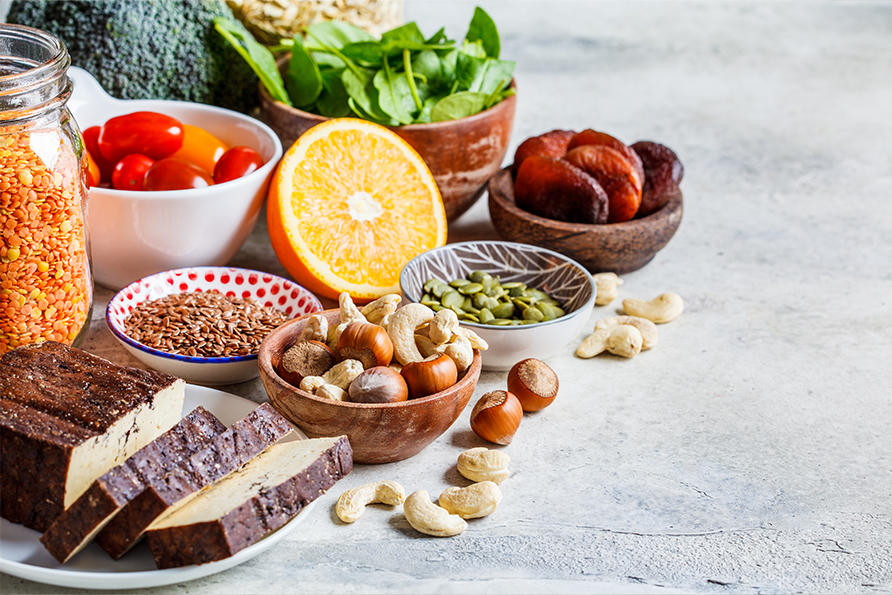
Figure 3: Iron from plant foods is generally less well absorbed by the body than iron from animal products.
Meat is commonly considered one of the best sources of iron. Indeed, foods such as pork liver, cured beef or offal are particularly high in iron because they contain the red blood pigment haemoglobin. But vegetarians and vegans can also cover their daily requirement with iron-rich foods such as dark green vegetables, millet, rolled oats or wheat bran.
However, it is important to know that the body usually absorbs iron from plant foods less well than from animal products. This is because iron from animal foods is generally present as divalent "haem iron". Iron in fruit and vegetables, by contrast, is mostly trivalent "non-haem iron". Trivalent iron must first be converted into soluble divalent iron in the small intestine and is absorbed two to three times less efficiently than iron from animal foods.
Because of the lower bioavailability of iron in plant foods, people who follow a vegan or vegetarian diet should pay particular attention to their iron intake. The list below contains a selection of iron-rich plant foods. The iron amounts in brackets refer to 100 grams of the respective food.
- Chanterelles (17.2 mg)
- Pumpkin seeds (12.5 mg)
- Millet (9 mg)
- Lentils (8 mg)
- Linseeds / Flaxseeds (8 mg)
- Egg yolk (7.2 mg)
- Beans (6.8 mg)
- Dried apricots (6.5 mg)
- Chickpeas (6.1 mg)
- Tofu (5 mg)
- Rolled oats (4.4 mg)
- Grünkern (green spelt) (4.2 mg)
- Leaf spinach (3.6 mg)
Dietary tricks to increase your iron intake
Certain measures can promote the absorption of iron from plant foods. If you want to improve your iron intake, it is worth trying the following tips and tricks:
- Combine iron-rich foods with vitamin C: Vitamin C promotes the absorption of iron from foods in the intestine. A salad dressing with lemon, fresh fruit in muesli or a glass of orange juice at breakfast are good ways to increase iron bioavailability. Sulphur-containing amino acids, which are found for example in allium vegetables, buckwheat and millet, can also support iron absorption.
- Avoid coffee, black tea and red wine with meals: In addition to substances that improve iron absorption, there are also iron inhibitors that hinder iron utilisation. These include phytates (e.g. in cereals, nuts and legumes), phosphates (e.g. in processed foods and soft drinks) and calcium (e.g. in dairy products). The polyphenols in coffee, black tea and red wine can also impair iron absorption. It is therefore advisable to avoid consuming these drinks immediately before and during iron-rich meals. Drinking again two hours after eating is usually possible without impairing iron uptake.
- Choose suitable preparation techniques: The method of preparation also influences iron availability in foods. Soaking chickpeas overnight, for example, can help reduce the phytic acid contained in the legumes. To reduce the iron-inhibiting oxalic acid in spinach, it is advisable to briefly blanch the vegetable before consumption.
- Improve iron absorption with lactic acid: Lactic acid is an ideal complement to iron-rich foods. Through the fermentation process, the bioavailability of iron in foods can be increased. Feel free to reach for fermented products more often, such as kimchi, kombucha or sauerkraut.
Recognise and correct iron deficiency early
Iron deficiency is the most common form of nutrient deficiency worldwide. Groups particularly at risk include people with increased iron requirements such as menstruating women, pregnant women or children and adolescents during growth phases. People with poor diets or those suffering from chronic inflammatory gastrointestinal diseases such as coeliac disease or Crohn's disease can also easily become iron deficient. In addition, large blood losses due to accidents or blood donations can cause the body to lose a lot of iron.
According to the National Dietary Survey, average iron intake in Germany is 9.6 mg per day for women and 11.8 mg per day for men. The recommended daily intake for iron is not met by 14 percent of men and 58 percent of women. However, a low intake does not necessarily lead to iron deficiency, as other factors such as the form of iron also play a role. Nevertheless, around three percent of men and ten percent of women in this country have an iron deficiency. Less than one percent of people are affected by the most severe form of iron deficiency, iron-deficiency anaemia.
The first signs of iron deficiency are often non-specific. Typical symptoms include:
- loss of strength and drive
- chronic fatigue
- difficulty concentrating
- pale skin
- hair loss
- cracked corners of the mouth
- reduced physical capacity
- dry and brittle skin
- increased susceptibility to infections
A blood test in the laboratory can provide information on whether an iron deficiency is present and how severe it is. The examination should check both the serum ferritin value (iron storage value) and the haemoglobin value (Hb value). To treat an existing iron deficiency, taking a well bioavailable iron supplement or receiving iron infusions can be sensible.
Tips for choosing an iron-containing dietary supplement
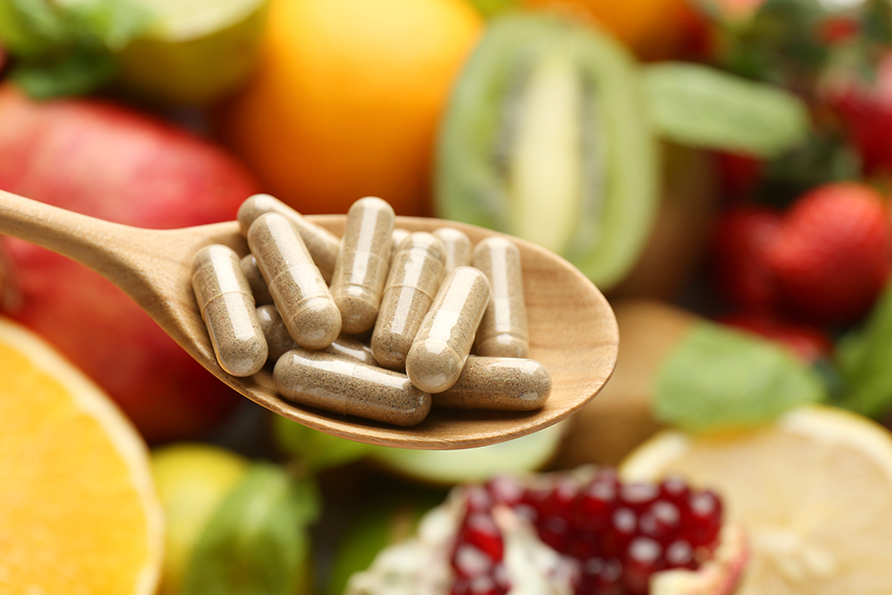
Figure 4: Many iron supplements also contain vitamin C, as the vitamin helps the body to absorb iron more effectively.
If you decide to supplement with iron, a wide range of products is available. Popular dosage forms include iron capsules, iron tablets and iron drops. When purchasing, ensure that the iron contained in the supplements is in a highly bioavailable form. The Natural Iron + Vitamin C Capsules from Unimedica contain 14 mg of natural iron from curry leaf extract and 80 mg of natural vitamin C from rosehip extract per capsule.
Vitamin C is also included in the Iron Bisglycinate from Unimedica, since ascorbic acid promotes iron absorption. Among iron supplements, combinations of active ingredients designed to specifically support certain bodily functions are also popular. For example, the Blutbildung* Complex from Unimedica contains a unique composition of iron, the trace element copper, vitamins, plant compounds and chlorophyll. The product was developed to support normal blood formation and regeneration with optimally coordinated active ingredients.
In certain life phases, such as during pregnancy or the menopausal transition, iron requirements may be increased. Dietary supplements can also provide targeted support here. The Menopower* Capsules from Unimedica were created to naturally accompany the transition into more mature years.
Correct intake and dosage of iron supplements
Taking high-dose iron supplements should only be done after consulting a physician. As a rule, iron supplements are taken about one hour before breakfast on an empty stomach or with a minimum interval of two hours after the last meal. If the dietary supplements do not contain vitamin C, it is advisable to take them with a glass of orange juice or another vitamin C-containing drink to optimise iron absorption.
Iron overdose is rare because the body can effectively regulate iron levels to a certain extent. An exception are people with a genetically determined iron storage disorder (haemochromatosis). If supplements are taken in excess over a long period, over-supply can also occur. Iron overdose typically manifests as gastrointestinal problems, abdominal pain, nausea and black stools. Studies have also suggested that an excess of iron can accelerate the ageing process of cells.[4]
What side effects can iron have?
The most common side effects when taking iron supplements include constipation, stomach cramps and nausea. If you notice these unwanted effects, you should consult your treating physician as soon as possible. Often the side effects can be prevented by taking the iron not on an empty stomach but at least two hours after a meal. If this also does not lead to an improvement, a change of supplement may be necessary.
[1] DGE (2023): Reference values for iron. https://www.dge.de/wissenschaft/referenzwerte/eisen/.
[2] Frost JN, Wideman SK, Preston AE, Teh MR, Ai Z, Wang L, Cross A, White N, Yazicioglu Y, Bonadonna M, Clarke AJ, Armitage AE, Galy B, Udalova IA, Drakesmith H. Plasma iron controls neutrophil production and function. Sci Adv. 2022 Oct 7. https://pubmed.ncbi.nlm.nih.gov/36197985/.
[3] Parkin PC, Koroshegyi C, Mamak E, Borkhoff CM, Birken CS, Maguire JL, Thorpe KE. TARGet Kids! Collaboration. Association between Serum Ferritin and Cognitive Function in Early Childhood. J Pediatr. 2020 Feb. https://pubmed.ncbi.nlm.nih.gov/31685227/.
[4] Papanikolaou G, Pantopoulos K. Iron metabolism and toxicity. Toxicol Appl Pharmacol. 2005 Jan 15. https://pubmed.ncbi.nlm.nih.gov/15629195/.
Figure 1: ImageFlow/shutterstock.com ; Figure 2: fizkes/shutterstock.com ; Figure 3:Nina Firsova/shutterstock.com ; Figure 4: New Africa/shutterstock.com

