

Figure 1: Colostrum is the first nourishment that mammals receive from their mother. The first milk contains many ideally balanced components from which adults can also benefit.
Colostrum is the first milk with which mammals feed and support the immune system of their newborns after birth. The substance contains, among other things, vital antibodies as well as growth factors, vitamins, minerals, enzymes and trace elements. In this blog article you will learn more about the valuable components of colostrum. You will also receive helpful tips for selecting a suitable colostrum product as well as guidance on correct intake and dosage.
What is colostrum?
Colostrum (also called "colostrum" or "first milk") refers to the first nourishment that mammals receive from their mother. It is a unique natural product whose nutrient density and composition are not comparable to any other food. The balanced mix of vitamins, minerals, trace elements, enzymes and natural growth factors ensures optimal nourishment of the newborn and particularly supports its immune system.
Unlike human infants, calves are born without immunisation. For this reason bovine colostrum is many times richer in vital immune factors (antibodies) compared with human colostrum. Since the structure of cow’s first milk is 99% similar to that of human breast milk, bovine colostrum is also highly bioavailable for humans.
How is colostrum obtained and processed?
Raw colostrum from cows, sheep and goats contains a lot of fat and hard-to-digest proteins. It therefore needs to be carefully processed before it is suitable for human consumption. The cow produces colostrum already during pregnancy. In the first hours after birth the substance contains the highest concentration of vital nutrients. About 72 hours after calving the colostrum is finally converted into regular milk.
For the production of colostrum capsules and other colostrum products, colostrum obtained within the first 24 hours after milk onset is generally used. It is of course ensured that the calf is first able to drink its fill and receives the amount of colostrum it needs for survival. A cow, however, produces up to 25 litres of colostrum in total – considerably more than the calf can drink. The milking surpluses are defatted in the laboratory and freed from indigestible proteins and possible contaminants. After pasteurisation or sterile filtration the colostrum can be further processed.
The valuable components contained in colostrum
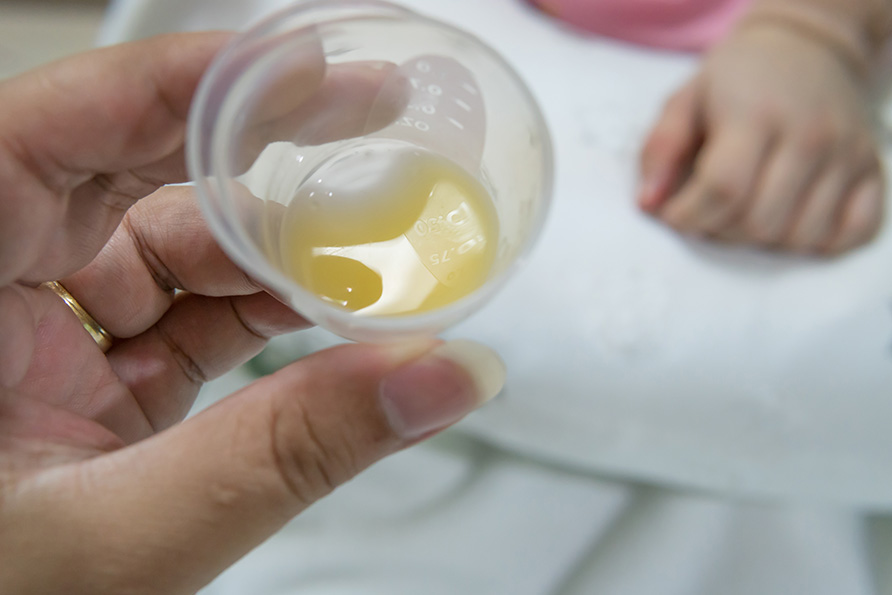
Figure 2: Colostrum contains a unique mix of nutrients that optimally supports the newborn and its immune system.
Colostrum is a veritable cornucopia of valuable nutrients: over 400 interactive substances are contained in the first milk. These include compounds such as the enzyme telomerase, which besides colostrum is not found in any other known food. Below you will find a selection of other important components of colostrum.
Immunoglobulins (IgG)
Immunoglobulin G (IgG) plays a crucial role in the rapid and stable development of the immune system. These vital antibodies circulate in the blood and fight pathogens such as bacteria, viruses and fungi. The immunoglobulins contained in bovine colostrum are also usable by humans.
Lactoferrin
Lactoferrin is also an important factor for the development of our immune system. The basic protein acts primarily against microorganisms and has both antiviral and antimicrobial properties. Lactoferrin is found in numerous body fluids as well as in white blood cells.
Growth factors
The so‑called growth factors are involved in a wide range of intracellular processes. The proteins promote the development of cells by accelerating, inhibiting or stopping cell growth as required. In addition, growth factors are important for regenerative capacity.
Cytokines
Cytokines are proteins with diverse regulatory properties. Among other things, they can contribute to an appropriate immune response of the body to certain pathogens. Interleukins, a group of cytokines, are responsible for communication between immune cells and for coordinating defence responses. Cytokines can also modulate inflammatory processes. The signalling molecules act synergistically with other components of colostrum.
The potential effects of colostrum on the body
In the European Union colostrum is officially classified as a food of animal origin. Any statements about possible healing effects or disease‑related claims in connection with colostrum are not permitted. However, there are some studies that attribute anti‑inflammatory, immunomodulatory and antimicrobial properties to colostrum, among other effects. A 2021 review analysed the results of these studies.[1] We present two important areas of application and effect of colostrum in more detail below.
Immune system
The numerous antibodies in colostrum can effectively support the immune system. Other constituents such as lymphocytes and certain immunological signalling molecules (e.g. cytokines) also contribute to normal immune function. Colostrum further contains various molecules that can fend off bacteria and viruses. In addition to the immunoglobulins, these immune proteins include lactoferrin, lysozyme and lactoperoxidase.
In a randomised controlled trial it was shown that oral intake of colostrum can modulate the immune system of healthy athletes. After an intensive training session, an increase in immunoglobulins (antibodies) was observed in the participants. The number of the body’s own T cells, important components of the adaptive immune system, was also increased in the athletes following colostrum intake.[2]
Digestion
Thanks to the contained growth factors and its anti‑inflammatory properties, colostrum can support digestion. As a meta‑analysis emphasises, several in vivo and in vitro studies suggest that supplementation with colostrum can have a positive effect on gastrointestinal diseases. The researchers therefore suspect that colostrum products may be used in the near future for the prevention and complementary treatment of various gastrointestinal complaints.[3] Another preliminary study concluded that bovine colostrum has the potential to be therapeutically effective in the bowel disease colitis.[4] However, further clinical trials are required to confirm this.
Helpful tips for choosing a colostrum product
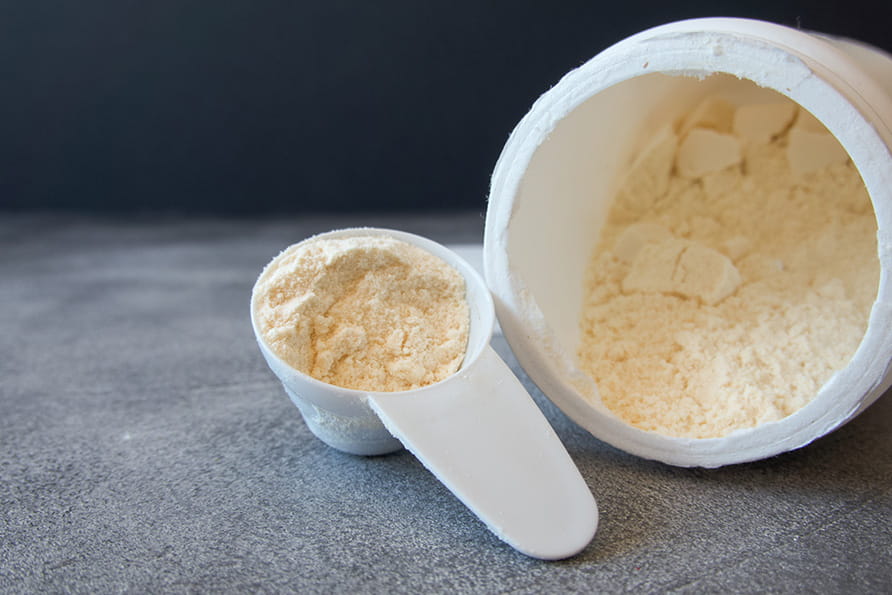
Figure 3: In addition to the immunoglobulin content, the method of production is an important aspect when choosing a colostrum product.
Colostrum products are usually available as capsules for oral intake or as a liquid serum. Capsules offer the advantage over serums that they are easier to handle and are considerably longer shelf‑stable. Liquid colostrum must be refrigerated after opening and consumed within 14 days. Colostrum products can be taken by adults as well as children and adolescents. In addition to products with bovine colostrum, there are also those that contain colostrum from goats or sheep.
Before choosing a colostrum product you should definitely check the immunoglobulin content. The Organic Colostrum capsules from Unimedica have the highest concentration of Immunoglobulin G (IgG) on the market at 60% IgG and can therefore be regarded as a premium colostrum. Per daily dose (2 capsules) they contain 600 mg organic colostrum, of which 360 mg are IgG. Last but not least, the quality and production of a colostrum product are important factors in the selection. For the Organic Colostrum capsules from Unimedica, only milking surpluses from the first and second milking of European organic dairy cows are processed.
Notes on intake and dosage of colostrum
Colostrum can in principle be taken at any time of day. It is advisable to take liquid colostrum or colostrum capsules on an empty stomach before a meal. It is important to ensure that colostrum is not taken together with hot drinks or foods. Many components, including the immunoglobulins, are very temperature‑sensitive. To preserve the valuable nutrient mix undamaged, colostrum should not be heated above 42 °C. Colostrum is, however, insensitive to acid and can therefore be mixed with yoghurt or smoothies without any problem.
The optimal dosage of colostrum depends primarily on body weight. It is recommended to take approximately one tablespoon of liquid colostrum per 30 kilograms of body weight daily, or alternatively one colostrum capsule per 25 kilograms of body weight. In the case of lactose intolerance, a colostrum product should be chosen from which the naturally occurring lactose has been largely removed. Regardless, it is advisable to start with a low daily dose to first test individual tolerance. As a purely natural food, colostrum is also suitable for long‑term use.
Colostrum and its possible side effects
As a rule, colostrum products are very well tolerated. If side effects do occur, they are usually mild and temporary. Rarely, slight gastrointestinal complaints such as bloating may occur. People with a milk protein allergy or those who are sensitive to cow’s milk for other reasons should introduce colostrum products gradually and, if necessary, choose a product with goat or sheep colostrum instead of bovine colostrum. In the case of a severe allergy to milk proteins, colostrum should only be taken under medical supervision.
[1] Guberti M, Botti S, Capuzzo MT, Nardozi S, Fusco A, Cera A, Dugo L, Piredda M, De Marinis MG. Bovine Colostrum Applications in Sick and Healthy People: A Systematic Review. Nutrients. 2021 Jun 25. https://pubmed.ncbi.nlm.nih.gov/34202206/.
[2] Shing CM, Peake J, Suzuki K, Okutsu M, Pereira R, Stevenson L, Jenkins DG, Coombes JS. Effects of bovine colostrum supplementation on immune variables in highly trained cyclists. J Appl Physiol (1985). 2007 Mar. https://pubmed.ncbi.nlm.nih.gov/17095643/.
[3] Menchetti L, Traina G, Tomasello G, Casagrande-Proietti P, Leonardi L, Barbato O, Brecchia G. Potential benefits of colostrum in gastrointestinal diseases. Front Biosci (Schol Ed). 2016 Jun 1. https://pubmed.ncbi.nlm.nih.gov/27100711/.
[4] Khan Z, Macdonald C, Wicks AC, Holt MP, Floyd D, Ghosh S, Wright NA, Playford RJ. Use of the 'nutriceutical', bovine colostrum, for the treatment of distal colitis: results from an initial study. Aliment Pharmacol Ther. 2002 Nov. https://pubmed.ncbi.nlm.nih.gov/12390100/.
Figure 1: REHAN HUSSAIN IMAM/Shutterstock.com; Figure 2: PenguinDaddy/Shutterstock.com; Figure 3: Tatiana.Sidorova/Shutterstock.com

