
Getting pregnant with TCM, the latest scientific findings and traditional methods

Figure 1: Unwanted childlessness is an issue for many.
Childlessness is a major issue in industrialised countries. Many couples want a baby but remain involuntarily childless. And it is not only in Germany that the desire to have children has become a major topic; nowhere on Earth currently seems exempt from falling birth rates.
The pain experienced by the couples themselves is great, and the issue is often an excruciating strain on the relationship. Fertility clinics are booming. There are as many as 130 fertility clinics in Germany alone, with steadily increasing demand.
In this article we examine the subject from a holistic perspective and show ways in which couples can be supported naturally on their journey towards having a child.
Fertility treatment – the conventional medical approach
Fertility treatment usually means immense stress, not only for a woman’s psyche but also for her body.
In conventional fertility treatment, identifying the cause is one priority: the fertile days are targeted, semen analyses are carried out, the vaginal environment is examined and hormone levels are tested. Added to this are urine tests, swabs, examinations of the uterus, and so on. These procedures are invasive in themselves and often uncomfortable for the couples concerned.
Many women are also willing to take the second major step in order to fulfil their strong desire for motherhood. In the next phase of fertility treatment it is no longer solely about diagnosis, but about concrete steps to enable implantation of a fertilised egg and to start a successful pregnancy. “With each step more medical control is exerted over the female cycle.” [1]
The procedure of fertility treatment
What sounds like a wish fulfilled is a rocky path that can bring pain and even secondary illnesses. An IVF treatment (in vitro fertilisation) is preceded by medical stimulation of the ovaries. After this hormone treatment the egg is retrieved and fertilised in the laboratory.
The literal meaning of IVF is “conception in a glass dish” – the fertilisation of egg and sperm is carried out outside the uterus in a small dish.
With the help of ultrasound the eggs are aspirated from the ovary (transvaginal follicular puncture).
After successful fertilisation the egg is surgically inserted back into the uterus via the vagina using a catheter. [2] IVF treatment is a heavy burden on the female body and should be carefully considered.
After successful fertilisation the egg is surgically inserted back into the uterus via the vagina using a catheter. IVF treatment is a heavy burden on the female body and should be carefully considered.
Ask about side effects!
What many women do not know is that this treatment carries risks. During IVF the ovaries are medically stimulated to promote follicle maturation and possibly to bring several eggs to maturity. This ovarian overstimulation can lead to the so‑called ovarian hyperstimulation syndrome (OHSS). This can trigger a wide range of symptoms – from mild discomfort to life‑threatening conditions. There is a risk of neurohormonal and haemodynamic changes, pulmonary manifestations, liver dysfunction, hypogammaglobulinaemia, febrile morbidity, thromboembolic phenomena, neurological manifestations and adnexal torsion. Hormonal overstimulation can also lead to ovarian tumours.[3]
Psychologically it is an enormous pressure placed on women, and the baby‑take‑home rate for fertility treatment is on average below 30 per cent. [4]
A Danish study published in February 2024 also found that women who undergo IVF have a fourfold higher risk of stillbirth than women who conceive spontaneously or by other fertility techniques. [5]
If you decide on this route, ask your doctor beforehand about the risks and side effects of the treatment so that you can make a well‑informed decision.
The gentle treatment approach from Traditional Chinese Medicine according to Dr Randine Lewis
“Conventional medicine once convinced me I was infertile or somehow broken.”
Dr Randine Lewis
Because of her own suffering, Dr Randine Lewis decided, as a physician and author, to dedicate herself to the subject of female childlessness. When she could not get pregnant she underwent conventional medical treatment herself. She knows the inner stress that invasive methods can exert on a woman. After undergoing treatment by TCM practitioners she became pregnant naturally and decided to help other women with unfulfilled desires to have children. Today many women come to her practice with the diagnosis “infertility” – whether with blocked fallopian tubes, polycystic ovary syndrome or similar. Most women are very frustrated by the invasiveness and impersonality of conventional medicine, which intrudes into their personal and intimate lives.
Combining her extensive knowledge of Traditional Chinese Medicine with conventional medical procedures, the author now says: “There is no such thing as infertility.” Her aim is to encourage every woman to change her personal attitude to infertility: “I want to encourage every woman to take her fertility treatment into her own hands.” She writes as a physician and advocate for women trying to conceive.
For every woman struggling with involuntary childlessness, conventional treatment marks the beginning of a journey through a diagnostic jungle. For Dr Randine Lewis the question arises: “Shouldn’t the goal be to bring the patient’s entire body into an optimal condition so that all systems, including reproduction, function as intended? Wouldn’t the best treatment be one that does not focus on curing individual symptoms, but on restoring whole systems that have fallen out of balance?”
Dr Lewis emphasises how important it is not to treat just one organ, but the whole system. She describes her fascinating treatment approach, with which she has already helped many women overcome infertility, in her book: The Gentle Path to Fertility.
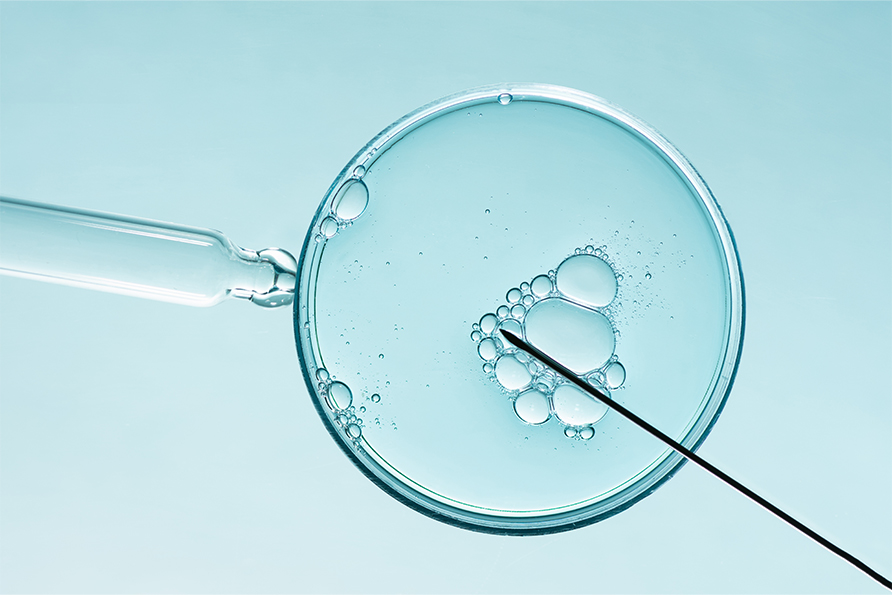
Figure 2: IVF treatment is a heavy burden on the female body and should be carefully considered.
The 4 principles according to Dr Randine Lewis
- Holistic diagnosis:
It is important to clarify the current condition of the body and how the reproductive energies, according to TCM understanding, present themselves and can then be harmonised. - Dietary changes:
The second step involves dietary changes. Foods should be chosen that cleanse the blood, strengthen the Kidney energy flow or dispel Liver stagnation. She also recommends certain vitamins and minerals – depending on the cause. - Clearing the meridians through acupuncture:
TCM is based on energies called Qi , which move along channels in the body. These energetic channels can be blocked and released again by acupuncture treatment. - Herbal tonics:
Herbs and tonics can traditionally be used in TCM to enhance fertility.
Primarily, Dr Lewis’s treatment approach aims to dissolve blockages. She describes many individual cases of women who had been “exhausted of other options” and after a period of treatment became happy mothers of so‑called “acupuncture babies”.
TCM states that the female body must be gently strengthened. Only then can it bear fruit. Whether the conventional medical cause is named as hormonal and ovulation disorders, anomalies of the fallopian tubes, uterine and cervical disorders, or unexplained infertility, according to Dr Lewis most of these problems can be remedied or at least alleviated naturally “if we apply the three elements of TCM: diet and lifestyle, acupuncture and medicinal herbs.”
How does TCM proceed?
Treatment can be carried out through four functional systems and four vital substances closely associated with female fertility. The functional systems include: Kidney, Spleen, Heart and Liver; the four vital substances are: Yin, Yang, Qi and Blood. Accordingly, depending on the woman and her individual symptoms, various disharmonies may be present that impair fertility. According to TCM these are:
- Kidney‑Yin deficiency
- Kidney‑Yang deficiency
- Spleen‑Qi deficiency
- Blood deficiency
- Blood stasis
- Liver‑Qi stagnation
- Heart‑Qi deficiency
- Heat
- Dampness
- Damp‑heat
- cold uterus.
Dr Lewis describes these syndromes with their respective symptoms in detail in her book. She also gives recommendations for acupuncture treatments for women and men and recommends stimulation of acupuncture points, for example by acupressure. She also presents important herbal and dietary recommendations as well as nutritional supplements. The influence of diet should not be underestimated.
Dr Lewis recommends to her patients:
- alkaline foods such as fruit, vegetables, sprouts (cf. alkaline or acid‑forming foods),
- essential fatty acids rich in linoleic and alpha‑linolenic acid. Fibroids and endometriosis respond well to omega‑3 fatty acids. In particular, if clotted blood passes during menstruation, Dr Lewis recommends plentiful intake of fish, flaxseed or evening primrose oil, which contain gamma‑linolenic acid,
- natural multivitamins and minerals including iron, folic acid and B vitamins. In addition bee pollen, blue‑green algae such as chlorella and spirulina, wheatgrass, vitamin B6, coenzyme Q10, folic acid,
- organic foods, above all hormone‑free meat,
- cruciferous vegetables such as broccoli, Brussels sprouts, cabbage and cauliflower, because cruciferous vegetables contain diindolylmethane, which promotes more efficient oestrogen utilisation by increasing estradiol metabolism,
- no caffeine, nicotine or alcohol,
- reducing stress, sleep deprivation and any burden on the immune system.
Stress is a major influencing factor not to be underestimated, because the body then enters fight‑or‑flight mode and the stress hormone cortisol is elevated. In TCM there is no single word for stress, but the symptom pattern is most closely reflected in Liver‑Qi stagnation, which means constricted blood vessels and muscle tension.
The treatment approach according to Rebecca Fett
Rebecca Fett, a science author with university degrees in molecular biotechnology and biochemistry, was also initially unable to have children. Her approach is based on cleansing and detoxifying the body to increase the chances of success with assisted reproduction.
Rebecca Fett, a science author with university degrees in molecular biotechnology and biochemistry, was also initially unable to have children. Her approach is based on cleansing and detoxifying the body to increase the chances of success with assisted reproduction.[6]
- Minimising toxin exposure:
“A toxin that has been shown to impair egg quality and fertility is Bisphenol A (BPA).”[7] BPA is found, for example, in reusable plastic bottles and can disrupt the endocrine system[8] and contribute to a higher miscarriage rate. [9] Phthalates, used in plastics, cleaning products, nail polishes or perfumes, can also interfere with hormones and prevent ovulation in animals. [10] Other substances, such as dioxin, lead, mercury or pesticide residues, can also affect the hormonal system. - Vitamin D deficiency:
Vitamin D is extremely important for preventing miscarriages – several clinical studies have found this. [11] According to the Endocrine Society, vitamin D deficiency should be treated short‑term with high‑dose vitamin D. - Hypothyroidism and coeliac disease:
The thyroid should also be checked in cases of recurrent miscarriage and infertility. Many fertility experts consider a TSH value of 1 mIU/L to be ideal. Testing for coeliac disease is also important, as the condition can lead to significant vitamin deficiencies.
Peat treatments for infertility
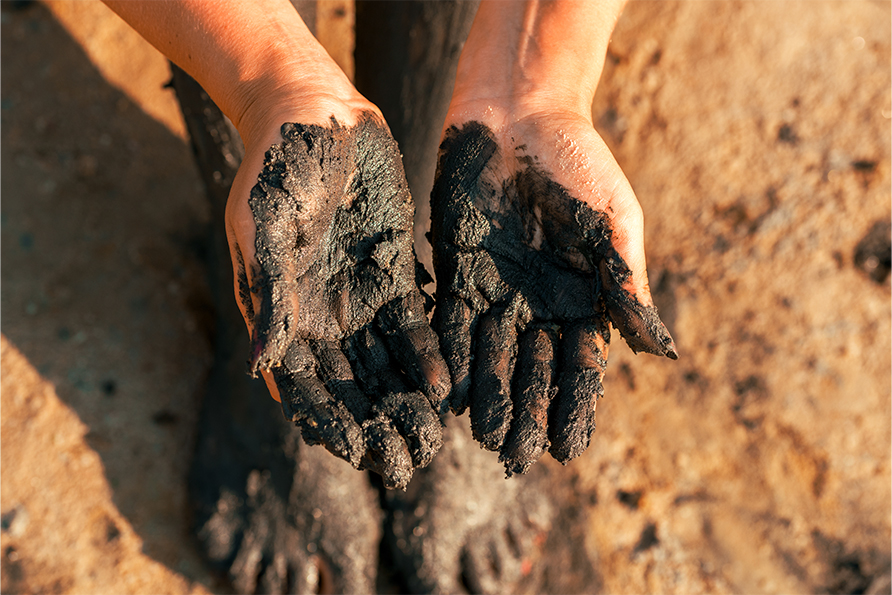
Figure 3: To this day the tradition of peat (moor) applications has been maintained in various health centres in Germany, for example in Bad Kohlgrub. Traditionally, it has long been known that many pregnancies have followed peat treatments.
Medical spa doctor Stephan Lauter, practising in Bad Kohlgrub, speaks from experience:
“Patients usually have already been on an odyssey when they come to me. They have undergone inseminations, in‑vitro fertilisations and hormone treatments in so‑called reproductive medicine clinics. If unsuccessful, they then perhaps see peat as a last resort – unfortunately! Because peat treatment is completely without side effects, it should be used earlier in the course of therapies,” says Lauter.
“Research results confirm what scientists have suspected for decades: peat contains substances that have hormonal effects and are absorbed through the skin into the body. Due to the warming effect of the peat, not only the increased blood circulation to the ovaries but also the pharmacological properties of the peat constituents are of particular importance.” [12]
Other wellness centres also report experiential observations about peat:
- It dissolves adhesions in the abdominal cavity (endometriosis),
- prevents scar tissue,
- stimulates ovulation and strengthens fertility,
- improves oxygen supply.
One can especially observe the thermal effect, which “rapidly” increases permeability so that the pores can open and the special substances of the peat, such as steroids and humic acids, can be absorbed. Through sustained warmth the ovaries are supplied and intensively perfused. A healthy hormone therapy then? [13] [14]
Conclusion: Treat the psyche as well
Alongside all physical and energetic treatment methods, the question arises: what brings a child into the world? Opening oneself again to the miracle of love is certainly an important component beyond all the treatment options described. Love so often makes the impossible possible. And if our capacity is impaired by deep‑seated trauma and wounds, this can be another reason for childlessness.
In Traditional Chinese Medicine this can be expressed, for example, as “Heart‑Yin weakness” or as a “cold uterus”. The Heart is directly connected to the uterus and supplies it with blood. On the emotional level, a woman’s love nourishes the life to be received, which wants to come to her through love. In TCM the uterus is also referred to as the “palace of the child”.
Therefore, the holistic view always includes, alongside detoxification, healthy nutrition and selected supplements, the mental‑emotional component in a gentle fertility treatment.
Disclaimer
This article does not replace treatment by a qualified physician or therapist. The basis of this article is studies and current literature. It should not be used for self‑diagnosis or self‑treatment. Discuss any inspirations from this article with a therapist you trust where appropriate.
Biographical
Jannyn Sass is a freelance medical journalist, graduate in communications, author and mother of three children. She worked as a communications expert in design and software agencies and for a tech investor in Berlin.
Since her youth she has been fascinated by the larger connections that can lead to illness or health in a person’s life. Jannyn studied business communication to discover systemic connections and the facets of interpersonal communication.
During her studies and an intensive experience in Australia she realised that there must be more to life. She began studying alternative medical systems, studied Traditional Chinese Medicine for three years in Berlin and trained as a health coach.
Her main interest is researching the effects of consciousness techniques and natural substances on the body, mind and soul of people, animals and plants. She is especially concerned with meditation therapy. Privately she loves to traverse mountains and valleys, bathe in cold rivers and discover the magic of nature.
Recommended books on the topic
- Dr Randine Lewis. The Gentle Path to Fertility
- Rebecca Fett. It Starts with the Egg
[1] https://www.destatis.de/DE/Presse/Pressemitteilungen/2024/05/PD24_174_126.html
[2] https://www.bmfsfj.de/bmfsfj/themen/familie/schwangerschaft-und-kinderwunsch/ungewollte-kinderlosigkeit#:~:text=In%20Deutschland%20ist%20fast%20jedes,Paare%20auf%20medizinische%20Hilfe%20angewiesen.
[3] https://www.narayana-verlag.de/Der-sanfte-Weg-zur-Fruchtbarkeit-Randine-Lewis/b27687.
[4] Update Reproduktionsmedizin – aktuelle Zahlen aus Österreich, Deutschland und der Schweiz | Journal für Endokrinologie, Diabetologie und Stoffwechsel
[5] https://academic.oup.com/humrep/article/26/12/3456/2914100?login=false
[6] https://www.deutsches-ivf-register.de/perch/resources/downloads/dirjahrbuch2016d.pdf
[7] https://www.abc.net.au/science/articles/2010/06/14/2926304.htm
[8] https://www.narayana-verlag.de/Am-Anfang-ist-das-Ei-Rebecca-Fett/b24194
[9] https://www.narayana-verlag.de/Am-Anfang-ist-das-Ei-Rebecca-Fett/b24194
[10] https://academic.oup.com/toxsci/article/84/2/249/1692264
[11] https://www.sciencedirect.com/science/article/pii/S0015028214002659
[12] https://www.sciencedirect.com/science/article/abs/pii/S030439591300081X
[13] https://onlinelibrary.wiley.com/doi/full/10.1111/acel.12368
[14] https://link.springer.com/article/10.1007/s10815-017-0882-x
Fig. 1: RaspberryStudio/shutterstock.com ; Fig. 2: Inna Dodor/shutterstock.com ; Fig. 3: P A/shutterstock.com

