
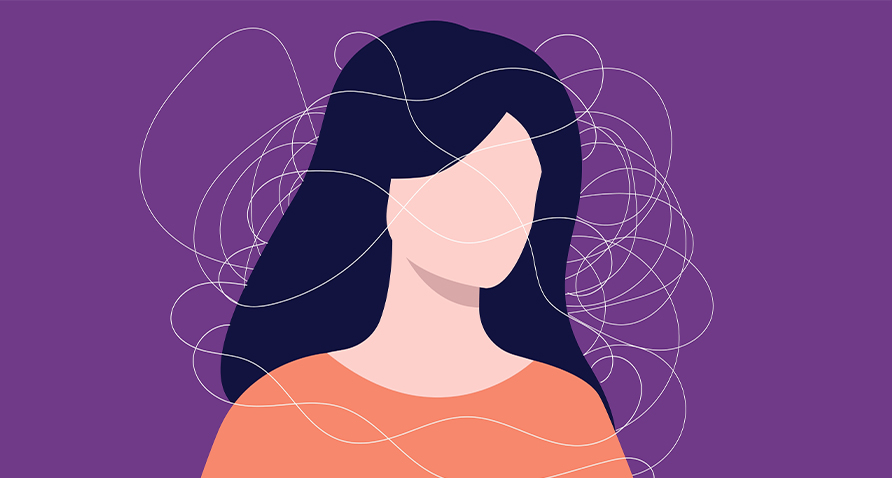
Figure 1: We live in a stressed society. Holistic stress management can help to get through stressful phases well and healthily.
Whether deadline pressure, relationship problems or fears about the future: there are many situations that can cause stress. Short-term stress is a completely natural part of life. However, when overload becomes chronic, it can have negative health consequences. In this blog post we present 10 tips for holistic stress management that consider body, mind and emotions equally. You will also learn about different types of stress and what exactly happens in the body when we are stressed.
What is stress and what do we need it for?
Our society is becoming increasingly stressed. This is also the conclusion of a study by the Techniker Krankenkasse from 2021, according to which as many as 64 percent of people in Germany feel stressed at least sometimes. Roughly one in four people even feel frequently stressed, with women affected more often than men.[1] But what exactly is stress? The Federal Institute for Public Health defines stress as "the strong strain on an organism by internal or external stimuli".[2]
What strains us in this way varies from person to person. The most common stressors in Germany are work and high demands on oneself. In addition to work-related stress there is also physical stress, which can arise, for example, from lack of sleep, hunger or overtraining. Other forms of stress are psychological stress from mental burdens or emotional conflicts and social stress, which can result from family conflicts or workplace bullying. The digital overload of stimuli, promoted in part by social media, can also contribute to increased stress.
Although it has a rather negative reputation, stress per se is not a bad thing. Rather, it is a natural reaction of the body to challenges or threats. As soon as the brain perceives a stressful situation, it activates the sympathetic nervous system. Stress hormones such as adrenaline, noradrenaline and cortisol are released, enabling us to either fight or flee. Breathing speeds up, blood pressure rises and muscles tense. These physiological adjustments certainly make sense when, for example, fleeing from a predator. In our modern western world, however, we usually live so safely that a state of heightened alertness would not actually be necessary. Yet we still perceive stress.
When does stress become a health problem?

Figure 2: When stress becomes chronic, the risk of cardiovascular disease, infections, diabetes, burnout and depression increases.
If stress persists over a long period, it can significantly impair health. For example, one study showed that men exposed to either work-related stress or an imbalance between effort and reward have a 50 percent increased risk of coronary heart disease.[3] In addition to cardiovascular diseases, chronic stress also increases the risk of diabetes and infections as well as mental illnesses such as anxiety disorders or depression.
However, stress is not all the same. Depending on the type of stress, health is more or less at risk. In general, a distinction is made between acute stress, which occurs only temporarily as a response to an immediate challenge, and chronic stress, which persists long-term. Acute stress is often the so-called eustress. This positive stress appears, for example, during sporting challenges, exams or as stage fright. In the short term, eustress helps us to motivate ourselves and to concentrate. Its opposite is distress, which results from overload, pressure or fear. This negative form of stress often arises from constant work pressure without recovery and can favour burnout or depression.
In which situations someone feels stressed is very subjective. While some people remain calm even under numerous challenges, others quickly feel overwhelmed. A person's resilience to psychological burdens is also referred to as stress resilience. Individual stress perception is partly genetic, but that does not mean you have to accept a low stress tolerance. The good news is: healthy stress management can be trained!
Stress be gone: 10 tips for holistic stress management
Each and every one of us feels stressed from time to time. Since stress is unavoidable to some extent, the aim cannot be to banish it completely from our lives. Instead, it is advisable to strive for a healthy balance between activity and relaxation. The following 10 tips for holistic stress management can help you find a good way of dealing with stress and face challenges more calmly in future.
1. Reflect on your own beliefs!
Instead of focusing on short-term measures to reduce stress, it can be useful to become aware of the underlying thought patterns. For many people it is mainly deeply ingrained beliefs such as "I must not make mistakes", "I always have to be there for others" or "Only when I achieve something am I valuable" that cause long-term stress. Attitudes such as perfectionism or an exaggerated sense of duty are often accompanied by negative inner self-talk. Constantly imagining disappointing others' expectations, not being good enough or failing increases one's own emotional stress. It can help to write down destructive beliefs and ideas and gradually replace them with positive ones.
2. Use the power of breathing!
In stressful situations breathing is often rapid and shallow. Breathing exercises against stress can help to calm the nervous system, lower heart rate and signal to the body that there is no danger. One of the best-known methods is the so-called 4-7-8 breathing, also called calming breathing. The technique is primarily intended to relax quickly and reduce feelings of anxiety. To do this, first breathe in through your nose for 4 seconds. Then hold your breath for 7 seconds before slowly exhaling through your mouth for 8 seconds. It is advisable to repeat the entire exercise cycle at least four to five times.
3. Move regularly and enjoy it!
When we move, the stress hormone cortisol is broken down, which is often chronically elevated under long-term stress. At the same time there is an increased production of mood-lifting hormones such as endorphins and serotonin. Adequate exercise can also improve sleep quality and help to reduce inner tension. For sport the general rule is: better shorter and therefore regular than intense and rare. A daily 30-minute walk is more effective for stress reduction than a several-hour hike every two weeks. Choose a sport you enjoy so that exercise does not become another item on your to-do list. Gentle sports such as slow jogging, cycling, swimming or yoga are excellent options. Group classes or exercising with friends can also make it easier to stay active.
4. Strengthen your nerves with the right nutrition!
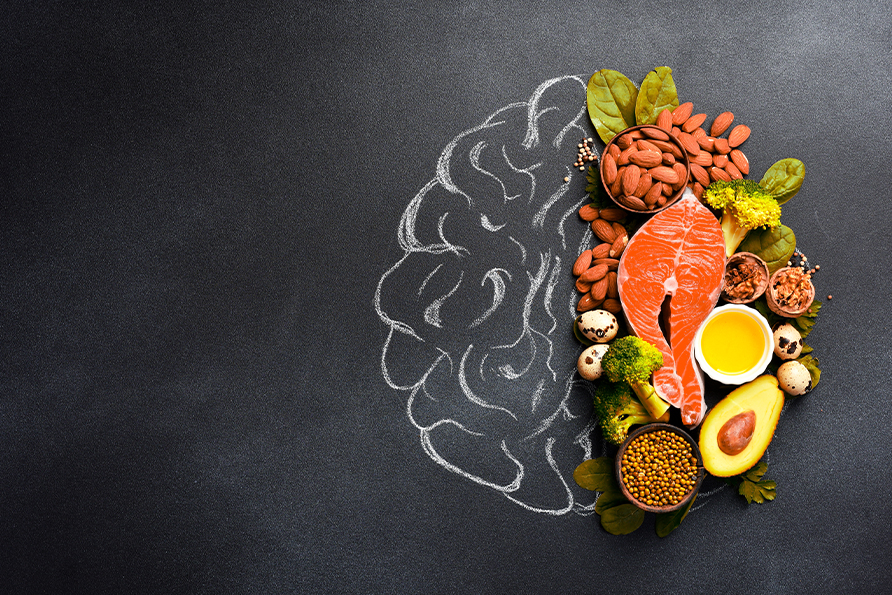
Figure 3: Mindful eating with nutrient-rich foods strengthens body and mind.
A body well supplied with nutrients is the basis for a relaxed and resilient mind. In addition to the quality of the food and gentle preparation, you should also pay attention to the "how" of eating. A meal hastily wolfed down between two meetings or in front of the screen often lies heavy in the stomach and is emotionally unsatisfying. If, by contrast, we eat mindfully and without distractions, our body can process the nutrients much better. We also prevent cravings and the typical "stress eating" that many people struggle with. Instead of convenience foods and sweets, choose nutrient-dense foods that support the nervous system and keep blood sugar stable. Ideal are magnesium-rich foods (e.g. almonds, cashews, spinach), complex carbohydrates (e.g. oats, quinoa, sweet potatoes), omega-3 fatty acids (e.g. salmon, walnuts, chia and flax seeds) and tryptophan-rich foods (e.g. dark chocolate, eggs). Coffee, energy drinks and alcohol increase the release of adrenaline and cortisol and should therefore be avoided where possible. Instead, drink mainly water or unsweetened herbal tea.
5. Practise mindfulness and meditation!
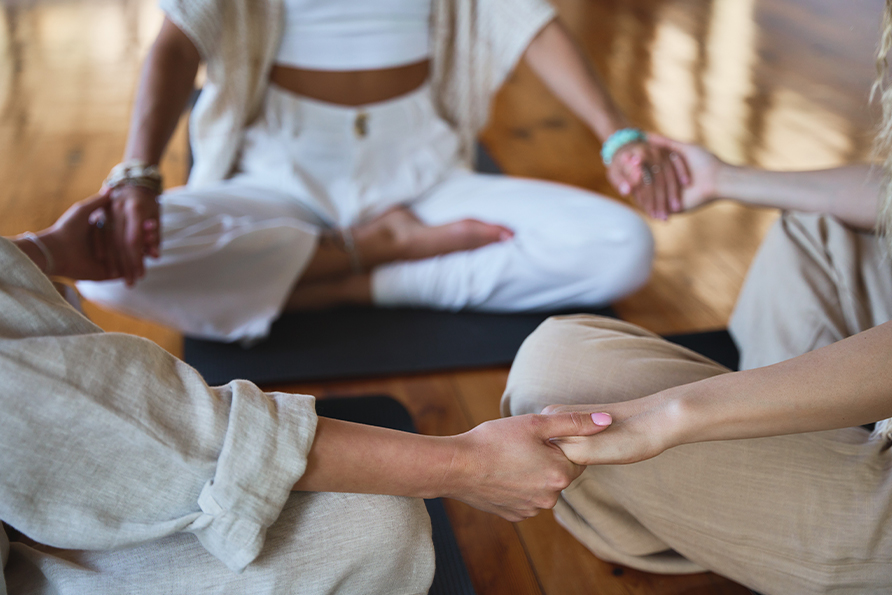
Figure 4: Short mindfulness exercises and creative hobbies help to reduce stress and calm the mind.
Just a few minutes of daily mindfulness exercises or meditation can work wonders for stress. Through meditation you learn to create distance from your own thoughts. Anxious, judgemental or sabotaging thoughts then seem less threatening. As with sport, it's worth trying different forms of meditation to find what suits you best. From sitting and breathing to walking meditation, to dynamic meditations and mindfulness exercises, there are many options. For beginners, a meditation app with guided meditations can be a helpful support.
Creative hobbies such as painting, making music or writing can also have a meditative character and help to reduce stress. However, it is important not to approach them too perfectionistically. Rather than aiming to produce a showpiece, mindful creativity should be about getting into the "flow" and switching off.
6. Set clear priorities!
When our to-do list is so full that the sheer number of tasks overwhelms us, stress is almost inevitable. In such a situation it can help to sort by priorities. Which task is the most important and must be done first? Methods such as the Eisenhower Matrix can help with prioritising. Tasks are divided into four quadrants – urgent & important / important but not urgent / urgent but not important / neither urgent nor important. Tasks in the first quadrant should be done immediately, those in the second scheduled, those in the third delegated and those in the fourth eliminated. In general, be aware that it is by no means selfish to stand up for yourself and your own needs. By setting clear priorities and saying "no" sometimes, you can prevent stress caused by overload.
7. Make sure you get enough sleep!
Sleep is essential for the organism to regenerate and recharge its batteries. During deep sleep the body releases growth hormones that are important for cell repair and muscle growth. The brain also processes the day's emotions and experiences at night and the immune system is strengthened by increased production of so-called cytokines. Because of its great importance for physical and mental regeneration, you should not skimp on sleep, especially in stressful times. Those who sleep too little are usually less able to perform the next day and feel overwhelmed more quickly in a stressful everyday life. To optimise your sleep hygiene and thus your stress management, stick to regular bedtimes and ensure a dark, quiet and cool sleeping environment. It is advisable to avoid using your phone, laptop or TV for at least an hour before going to bed, as blue light inhibits production of the "sleep hormone" melatonin.
8. Use nature as a source of strength!
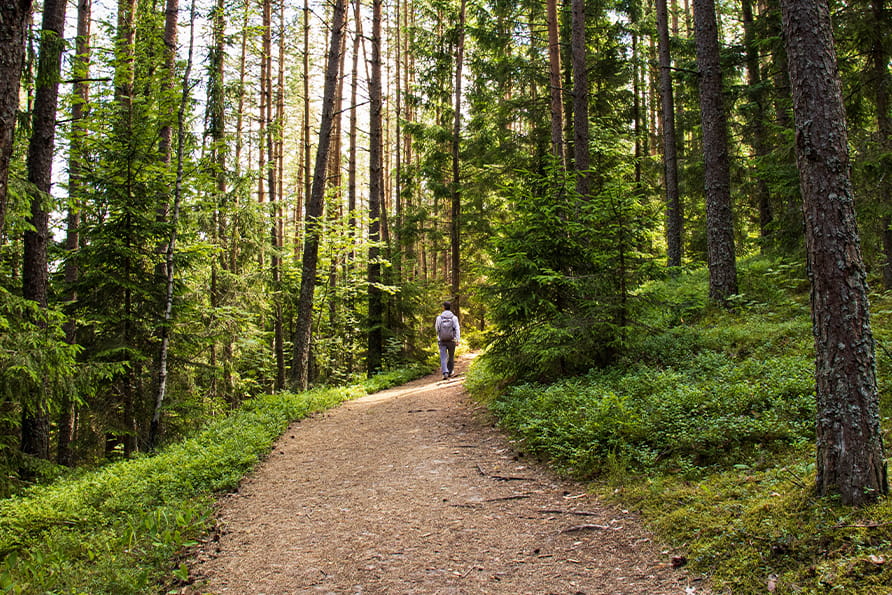
Figure 5: Spending time in nature reduces stress and promotes wellbeing.
Few things are as relaxing and grounding as time spent in nature. Especially in times of constant sensory overload, a walk in the woods or a day by the lake can be extremely healing. Studies show that just 120 minutes a week spent in nature is enough to significantly improve health and wellbeing.[4] The natural environment has a calming effect on the nervous system and can reduce cortisol production. If you don't have a forest or lake nearby, smaller measures such as walking barefoot on a green space or gardening can also have positive effects.
9. Cultivate gratitude and positive thinking!
Not only for stress is gratitude a powerful strategy to increase overall wellbeing. A regular gratitude practice can help you to focus on the positives in your life. Focusing on the present moment also interrupts negative thought spirals. You could, for example, start by writing down three things you are grateful for every day. Such a gratitude journal can foster positive emotions and stress resilience. If you are acutely stressed, a grateful reflection such as "What can I learn from this situation?" can be helpful in finding a good way to deal with the stress.
10. Seek support!
Many people tend to withdraw more in challenging times. As social beings, however, we need emotional connection to others – especially when we feel stressed and overwhelmed. So do not hesitate to share your stress with your personal network. Perhaps your family or friends can even relieve you by taking on some tasks for you. Physical contact in the form of hugs or tenderness can also lower stress levels and activate the parasympathetic nervous system, which promotes relaxation. The "cuddle hormone" oxytocin, which is released more during physical contact, is responsible for this.
If you suffer from severe chronic stress to the extent that burnout or depression is looming, professional support is often necessary. If you feel you cannot find a way out of the stress spiral on your own or despite support from your environment, you should contact your GP. They can recommend a psychotherapist, a psychiatrist or a suitable stress management course.
Disclaimer
This article does not replace treatment by a qualified therapist. The basis of this article is studies and current literature. It must not be used for self-diagnosis or self-treatment. If necessary, discuss any ideas from this article with a therapist you trust.
Biography
Katharina Korbach regularly writes blog posts about medicinal plants and natural active ingredients for the Narayana Verlag. She became interested in language at an early age and began writing her own literary texts. A serious illness during her A-levels prompted an intensive engagement with health and nutrition topics that continues to this day. After repeated failures of conventional medical treatments, she decided on a more self-effective, naturopathic therapeutic approach. A plant-based diet was an essential key on her path to recovery.
Katharina studied Cultural Studies (B.A.) and Applied Literary Studies (M.A.). In 2022 she published her debut novel "Sperling" with Berlin Verlag. Today she lives in Berlin as a freelance author, medical editor and lecturer. She likes to spend her free time with friends or doing barre training. She also loves to travel and try out new vegan recipes.
[1] TK stress study 2021: Entspann dich, Deutschland! https://www.tk.de/resource/blob/2118106/cbdb7ed26363a35145d753516510f92d/stressstudie-2021-pdf-zum-download-data.pdf (accessed: 16/03/2025).
[2] Ernst, G., Franke, A. & Franzkowiak, P. (2022). Stress and stress management. In: Federal Centre for Health Education (BZgA) (ed.). Key concepts of health promotion and prevention. Glossary of concepts, strategies and methods. https://leitbegriffe.bzga.de/alphabetisches-verzeichnis/stress-und-stressbewaeltigung/ (accessed: 15/03/2025).
[3] Lavigne-Robichaud M, Trudel X, Talbot D, Milot A, Gilbert-Ouimet M, Vézina M, Laurin D, Dionne CE, Pearce N, Dagenais GR, Brisson C. Psychosocial Stressors at Work and Coronary Heart Disease Risk in Men and Women: 18-Year Prospective Cohort Study of Combined Exposures. Circ Cardiovasc Qual Outcomes. 2023 Oct. https://pubmed.ncbi.nlm.nih.gov/37724474/.
[4] White, M.P., Alcock, I., Grellier, J. et al. Spending at least 120 minutes a week in nature is associated with good health and wellbeing. Sci Rep 9, 7730 (2019). https://www.nature.com/articles/s41598-019-44097-3.
Figure 1: verearth/shutterstock.com ; Figure 2: fizkes/shutterstock.com; Figure 3: YARUNIV Studio/shutterstock.com
01.05.2025

