

Figure 1: Nutrition plays a crucial role in high blood pressure. In particular, reducing salt intake can be an important step in lowering blood pressure.
Persistently high blood pressure can threaten health. Among other things, hypertension increases the risk of heart attack, stroke and kidney damage. A change in diet can usefully complement medication and help to lower blood pressure. In this blog post you will learn why salt intake in particular plays a key role in hypertension. Our five golden dietary rules for high blood pressure can help you successfully implement a blood-pressure-lowering diet. At the end of the article you will also find an overview of foods that may lower or raise blood pressure.
What exactly is high blood pressure?
High blood pressure (medical term: arterial hypertension) is very common and is now considered a widespread disease. According to the WHO, an estimated 1.28 billion adults aged 30 to 79 years worldwide are affected by high blood pressure, with around 46 percent unaware of the condition.[1] Because hypertension initially causes no symptoms, it often remains unnoticed for a long time. This can become a long-term problem, as untreated high blood pressure can place a burden on the heart, blood vessels and kidneys.
But what does the term "high blood pressure" actually mean? Generally, blood pressure is considered high when the pressure of the blood in the arteries is persistently elevated. This is the case when repeated measurements are above 140/90 mmHg. According to the European Society of Cardiology (ESC) and the European Society of Hypertension (ESH), a blood pressure of 120–129 / 80–84 mmHg is normal and < 120 / < 80 mmHg is ideal.[2]
The unit "mmHg" stands for millimetres of mercury. It is always given with two values: the upper value (systolic blood pressure, e.g. 140) and the lower value (diastolic blood pressure, e.g. 90). The systolic blood pressure indicates the highest pressure in the vessels that occurs when the heart contracts and pumps blood into the arteries. The diastolic blood pressure marks the lowest pressure in the vessels that exists between heartbeats. In other words: systolic pressure reflects the heart actively pumping, while diastolic pressure reflects the heart relaxing.
Possible causes and consequences of high blood pressure

Figure 2: In many cases high blood pressure arises from a combination of overweight, too little exercise, a salt-rich diet and excessive calorie intake.
There are many possible causes of high blood pressure. Usually it is not a single trigger that is responsible for elevated blood pressure values, but the condition develops multifactorially. Factors that increase the risk of high blood pressure include, among others, a genetic predisposition, overweight, a salt-rich and unbalanced diet, lack of exercise, alcohol consumption and chronic stress. In addition to primary hypertension, which accounts for the majority of high blood pressure cases, there is secondary hypertension. In secondary hypertension another disease (for example kidney disease, hormonal disorders) or the intake of certain medications (for example oral contraceptives, corticosteroids) triggers the high blood pressure.
Hypertension often remains symptom-free for a long time. If untreated, however, it can permanently strain the cardiovascular and organ systems and lead to serious health complications. If blood pressure is persistently elevated, the heart must work harder. There is a risk of vascular damage as well as heart attack, stroke, kidney impairment, circulatory disorders of the legs and visual disturbances. In general: the higher the blood pressure, the greater the risk of the aforementioned secondary diseases.
Can a low-salt diet lower blood pressure?
When it comes to the ideal diet for people with high blood pressure, salt often takes centre stage. Indeed, the link between high salt intake and high blood pressure has now been confirmed by multiple scientific studies.[3] The reason why too much table salt raises blood pressure is simple: sodium binds water in the body. This increases blood volume, the heart has to pump harder and blood pressure rises. Conversely, if salt intake is reduced, the body excretes more water and sodium via the kidneys – and blood pressure falls. A meta-analysis also emphasises this: it showed that reducing salt consumption can significantly reduce vascular load. The analysis demonstrated a decrease in central blood pressure of around 9 percent.[4]
How strongly a person reacts to salt (sodium chloride) varies individually. In this context a distinction is also made between salt-sensitive and salt-resistant people. While in the latter blood pressure remains unchanged regardless of whether much or little salt is consumed, it rises in salt-sensitive individuals depending on salt intake. It is therefore unsurprising that about half of all people with high blood pressure are considered salt-sensitive.
But how much salt is too much? The German Nutrition Society (Deutsche Gesellschaft für Ernährung, DGE) recommends that healthy adults consume a maximum of six grams (about one teaspoon) of table salt per day. In Germany, however, salt intake exceeds this recommendation for 80 percent of men and 70 percent of women. Around 39 percent of German women and 50 percent of German men even consume more than ten grams of table salt per day.[5]
Nutrient-rich and low in salt: 5 golden dietary rules for high blood pressure
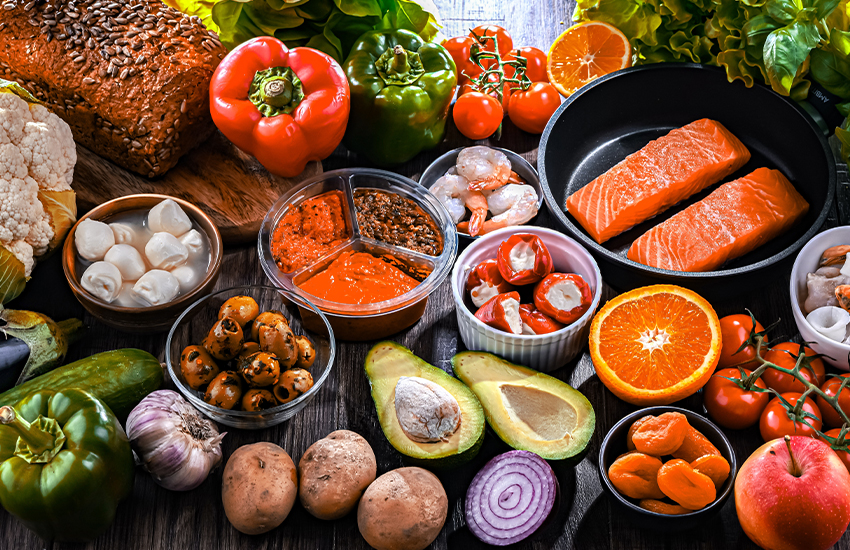
Figure 3: A nutrient-rich, fibre-rich, low-salt and low-cholesterol diet is the best choice for high blood pressure. The so-called "Mediterranean diet" can demonstrably reduce the risk of heart attacks and strokes.
A change in diet cannot replace medication for high blood pressure, but it can usefully supplement it. In many cases, adjusting the diet leads to a reduction in medication dose. This can have a very positive effect on the quality of life of people with hypertension, since many blood-pressure-lowering drugs (e.g. ACE inhibitors, calcium channel blockers) are associated with side effects. In addition to the following dietary tips, it is advisable to implement other proven measures to reduce blood pressure, such as regular exercise, stress reduction and avoidance of overweight.
1. Reduce your salt intake!
To avoid exceeding the DGE's recommended daily dose of six grams of table salt, you should be particularly careful with processed products. Although it is certainly good to avoid adding extra salt at the table, salt from the salt shaker is usually not the main problem. The far larger part of the daily salt intake comes from processed foods such as convenience meals, fast food, bread and baked goods, processed meats (e.g. ham, salami, liver sausage), cheese (e.g. feta, processed cheese), snack foods (e.g. crisps, salted sticks, salted peanuts) as well as sauces and seasonings (e.g. soy sauce, stock cubes). Even an otherwise healthy diet with lots of fruit, vegetables and wholegrain products cannot offset the blood-pressure-raising effects of a salt-rich diet.[6]
The use of potassium chloride is often a good way to reduce the consumption of blood-pressure-raising table salt (sodium chloride). Many salt substitutes for people with high blood pressure consist of a mixture of potassium and sodium chloride. However, it is important to consult a doctor beforehand. Potassium chloride salt should not be used by people with impaired kidney function, heart failure or those taking certain medications. To reduce salt intake, it is also recommended to cook as much as possible yourself or to choose deliberately low-salt frozen convenience foods. Also use plenty of fresh herbs – these not only provide extra nutrients but often deliver strong flavours that make adding salt unnecessary.
2. Follow the Mediterranean diet!
People with high blood pressure are often advised to follow a Mediterranean-style diet. And with good reason: the so-called "Mediterranean diet" consists of plenty of fruit and vegetables as well as legumes and wholegrain products. Unsaturated fats from olive oil, nuts, seeds and avocado, as well as fish and poultry, are also important components of Mediterranean cuisine. Red meat, dairy products, salt-rich foods and alcohol are consumed only in small amounts. Because it is nutrient-rich, fibre-rich and at the same time low in cholesterol and salt, the Mediterranean diet is considered one of the most effective dietary patterns for lowering blood pressure and protecting the circulatory system. For example, the well-known PREDIMED study, which examined the influence of a Mediterranean diet on cardiovascular events, found that the Mediterranean diet reduced the risk of strokes, heart attacks or cardiovascular death by about 30 percent compared with a low-fat diet.[7]
3. Include potassium-rich foods!
Potassium plays an important role in high blood pressure because the electrolyte influences the body's salt and water balance as well as vascular tone. The mineral helps the kidneys to excrete excess sodium. Potassium also helps blood vessels to relax more easily, which can also lower blood pressure. For people with hypertension, it is therefore advisable to eat more potassium-rich foods. These include bananas, apricots, tomatoes, potatoes, carrots, kohlrabi and nuts. For the prevention of high blood pressure the German Nutrition Society (DGE) recommends a daily intake of 3,500 to 4,700 milligrams of potassium.[8]
4. Avoid sugar, alcohol and smoking!
The recommendation to consume sugar, alcohol and nicotine very sparingly or preferably not at all, of course, applies not only to people with high blood pressure. However, if you want to effectively lower your own blood pressure, it is particularly sensible to avoid these substances. High sugar intake favours weight gain and the development of visceral fat – one of the main risk factors for high blood pressure. In addition, sugar raises insulin levels, which leads the kidneys to retain more sodium and thus raises blood pressure. Alcohol, in turn, triggers the release of blood-pressure-increasing hormones and accelerates the heartbeat. How strongly blood pressure rises in response to alcohol consumption varies from person to person. However, it has long been scientifically established that smokers generally react more strongly to alcohol in terms of a blood pressure increase than non-smokers.[9] In addition, nicotine causes immediate constriction of the blood vessels – blood pressure therefore rises after every cigarette.
5. Prefer heart-healthy fats and oils!
Fat is not all the same: to promote vascular health, attention should be paid above all to the composition of fats. Unsaturated fatty acids such as omega-3 fatty acids are ideal. These have anti-inflammatory effects and can lower cholesterol levels as well as blood pressure. The best sources of omega-3s include oily sea fish such as salmon, mackerel or herring. But plant-based cold-pressed oils such as linseed (flaxseed), rapeseed and walnut oil are also recommended. Algae oil is also rich in omega-3 fatty acids. It is advisable to avoid animal fats such as butter, cream or lard. These products can promote vascular calcification, as they often contain many saturated fatty acids and cholesterol.
From beetroot to olive oil: blood-pressure-lowering foods
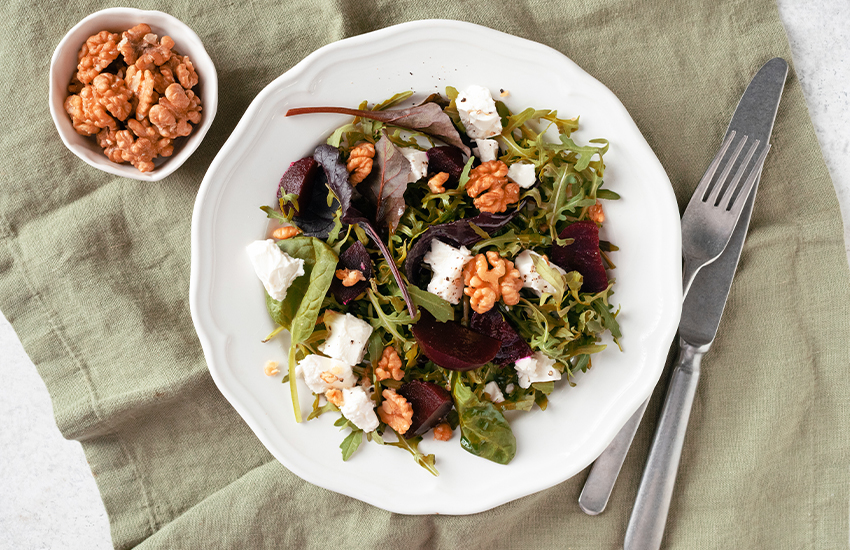
Figure 4: Numerous foods can favourably influence blood pressure – especially when they contain potassium, fibre, nitrate or antioxidant substances.
There are a number of foods that have been shown to help lower blood pressure. Beetroot and beetroot juice are very frequently mentioned in this context. Indeed, the nitrates contained in this root vegetable can have a blood-pressure-lowering effect. According to a meta-analysis, beetroot juice can effectively reduce systolic blood pressure.[10] Dark chocolate can also have a favourable effect on blood pressure – probably due to the flavonoids it contains.[11] Other blood-pressure-lowering foods include:
- Vegetables: spinach, beetroot, asparagus, chard, broccoli, kale, horseradish, onions, rhubarb
- Fruit: pomegranate, berries, bananas, citrus fruits, apricots, kiwifruit
- Legumes: white beans, peas, lentils
- Nuts and seeds: walnuts, almonds, linseed and chia seeds
- Fish: salmon, mackerel, herring
- Dairy: natural yoghurt, kefir
- Spices: garlic, ginger, cinnamon
- Other: olive oil, dark chocolate, coconut milk
Warning: These foods can raise blood pressure!
Particularly when consumed frequently or in large amounts, certain foods can significantly raise blood pressure. Such products are usually high in salt, highly processed, sweetened, alcoholic or contain large amounts of caffeine. Even unsalted liquorice has a blood-pressure-raising effect. This is because the glycyrrhizic acid contained in the liquorice root inhibits an enzyme in the kidneys that normally breaks down cortisol. As a result, cortisol acts like the hormone aldosterone, which causes the body to retain salt and water. People with high blood pressure should therefore take care to eat only very little real liquorice.
Other important potentially blood-pressure-raising foods include:
- salt-rich products (e.g. crisps, salted sticks, cheeses with a high salt content)
- convenience meals (e.g. frozen pizza, packet soups)
- processed meats and cold cuts (e.g. salami, bacon, cured meats)
- fast food (burgers, fries, döner)
- sweetened foods and drinks (e.g. sweets, soft drinks)
- alcoholic beverages
Disclaimer
This article does not replace treatment by a qualified practitioner. The basis for this article is studies and current literature. It must not be used for self-diagnosis or self-treatment. Discuss any ideas from this article with a practitioner you trust.
Biography
Katharina Korbach regularly writes blog posts on medicinal plants and natural active substances for the Narayana Verlag. She developed an interest in language early on and began writing her own literary texts. A serious illness during her school-leaving exams prompted an intensive engagement with health and nutrition topics that continues to this day. After repeated failures of conventional medical treatments, she decided on a more self-empowering, naturopathic therapeutic approach. A plant-based diet was a key element in her healing journey.
Katharina studied Cultural Studies (B.A.) and Applied Literary Studies (M.A.). In 2022 she published her debut novel "Sperling" with Berlin Verlag. She now lives in Berlin as a freelance author, medical editor and lecturer. In her free time she prefers to spend time with friends or at barre training. She also loves to travel and try out new vegan recipes.
[1] WHO (2013): Hypertension. https://www.who.int/news-room/fact-sheets/detail/hypertension
[2] Williams B, Mancia G, Spiering W, Agabiti Rosei E, Azizi M, Burnier M, Clement DL, Coca A, de Simone G, Dominiczak A, Kahan T, Mahfoud F, Redon J, Ruilope L, Zanchetti A, Kerins M, Kjeldsen SE, Kreutz R, Laurent S, Lip GYH, McManus R, Narkiewicz K, Ruschitzka F, Schmieder RE, Shlyakhto E, Tsioufis C, Aboyans V, Desormais I; ESC Scientific Document Group. 2018 ESC/ESH Guidelines for the management of arterial hypertension. Eur Heart J. 2018 Sep 1. https://pubmed.ncbi.nlm.nih.gov/30165516/
[3] Juraschek SP, Miller ER 3rd, Weaver CM, Appel LJ. Effects of Sodium Reduction and the DASH Diet in Relation to Baseline Blood Pressure. J Am Coll Cardiol. 2017 Dec 12. https://pubmed.ncbi.nlm.nih.gov/29141784/.
[4] D'Elia L, La Fata E, Giaquinto A, Strazzullo P, Galletti F. Effect of dietary salt restriction on central blood pressure: A systematic review and meta-analysis of the intervention studies. J Clin Hypertens (Greenwich). 2020 May. https://pubmed.ncbi.nlm.nih.gov/32271997/.
[5] DGE (2020): Selected questions and answers on table salt. https://www.dge.de/gesunde-ernaehrung/faq/speisesalz/ (accessed: 25/08/2025).
[6] American Heart Association. Dietary sodium`s impact may not be offset by other aspects of a diet. Hypertension. 2018 March 5. https://www.nhlbi.nih.gov/news/2018/healthy-diet-may-not-offset-effects-high-salt-intake-blood-pressure.
[7] Estruch R, Martínez-González MA, Corella D, Salas-Salvadó J, Ruiz-Gutiérrez V, Covas MI, Fiol M, Gómez-Gracia E, López-Sabater MC, Vinyoles E, Arós F, Conde M, Lahoz C, Lapetra J, Sáez G, Ros E; PREDIMED Study Investigators. Effects of a Mediterranean-style diet on cardiovascular risk factors: a randomized trial. Ann Intern Med. 2006 Jul 4. https://pubmed.ncbi.nlm.nih.gov/16818923/.
[8] DGE (2016): Selected questions and answers on potassium. https://www.dge.de/gesunde-ernaehrung/faq/kalium/ (accessed: 26/08/2025).
[9] van Leer EM, Seidell JC, Kromhout D. Differences in the association between alcohol consumption and blood pressure by age, gender, and smoking. Epidemiology. 1994 Nov. https://pubmed.ncbi.nlm.nih.gov/7841238/.
[10] Benjamim CJR, Porto AA, Valenti VE, Sobrinho ACDS, Garner DM, Gualano B, Bueno Júnior CR. Nitrate Derived From Beetroot Juice Lowers Blood Pressure in Patients With Arterial Hypertension: A Systematic Review and Meta-Analysis. Front Nutr. 2022 Mar 15. https://pubmed.ncbi.nlm.nih.gov/35369064/.
[11] Amoah I, Lim JJ, Osei EO, Arthur M, Tawiah P, Oduro IN, Aduama-Larbi MS, Lowor ST, Rush E. Effect of Cocoa Beverage and Dark Chocolate Consumption on Blood Pressure in Those with Normal and Elevated Blood Pressure: A Systematic Review and Meta-Analysis. Foods. 2022 Jul 1. https://pubmed.ncbi.nlm.nih.gov/35804776/.
Figure 1: PeopleImages.com - Yuri A/shutterstock.com ; Figure 2: BELL KA PANG/shutterstock.com ; Figure 3: monticello/shutterstock.com ; Figure 4: Vladislav Noseek/shutterstock.com
18.09.2025

