
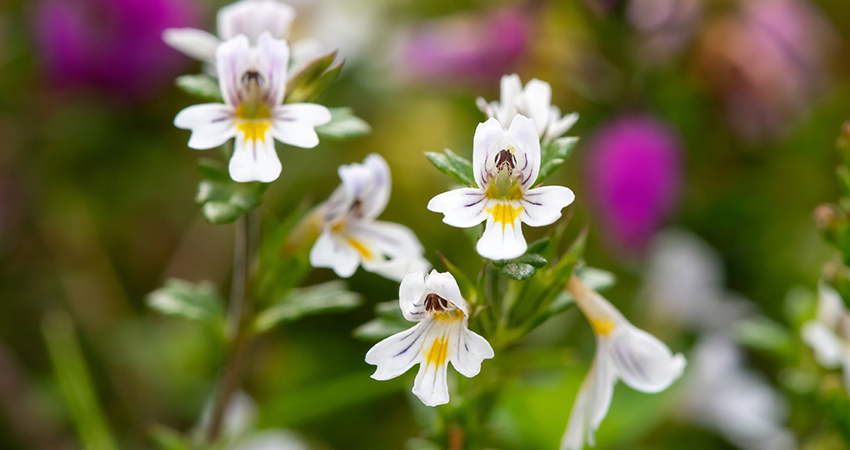
Figure 1: Euphrasia officinalis – also known as eyebright.
"One of the greatest threats to public health is the rise of antibiotic‑resistant bacteria ... this is attributable to the incorrect and excessive use of antibiotics." - James M. Steckelberg, M.D., Chair of Infectious Diseases, Mayo Clinic
Conjunctivitis. Pink eye. Eye infection. Whatever you want to call it, it’s the same underlying problem: an inflammation of the conjunctiva caused either by a bacterial or viral infection or by allergens and other irritants.
So, straight to the doctor to get a prescription for an antibiotic, right?
Nonsense! You can treat this yourself!
Conjunctivitis occurs very frequently in children, but adults can also be affected. Conjunctivitis is highly contagious, but only in the rarest cases is it a serious condition. Only when the infection spreads beyond the conjunctiva is there reason to worry that a deeper pathology might be present. However, that is rather uncommon.
Viruses or bacteria?
If it is a viral infection, an antibiotic will do nothing. In that case the accompanying tearing is clear and watery, whereas thick, yellow or greenish secretions usually indicate a bacterial infection. Even without treatment most of these infections settle within about ten days.
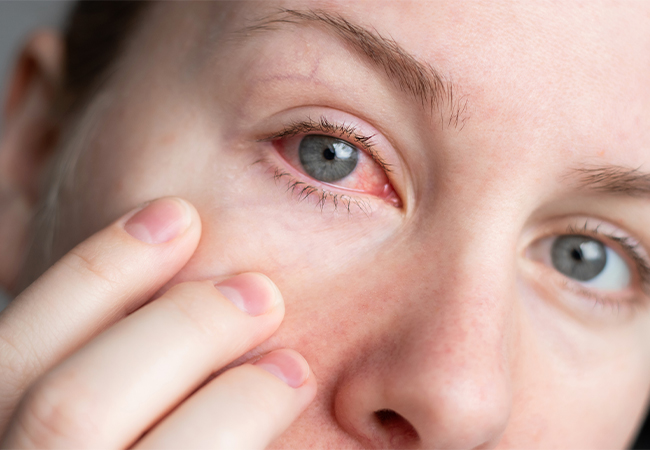
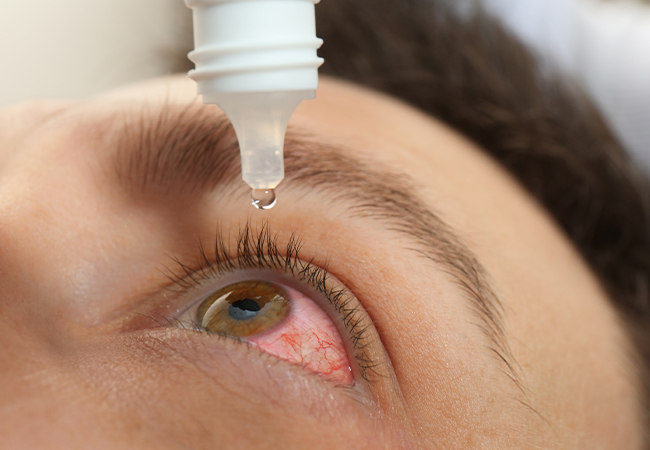
Figures 2 & 3: Recognise and treat conjunctivitis naturally – homeopathic eye drops can provide gentle relief.
A very effective medicinal plant for treating conjunctivitis is eyebright, or Euphrasia officinalis. If you buy a tincture of this medicinal plant, you should dilute it at a ratio of 1:25. That means stirring one drop of the tincture into 25 drops of warm water. The liquid is then dropped directly into the eye using a pipette. If this is not possible, a clean piece of cloth can be dipped in the solution, gently placed over the eye and lightly squeezed.
The best homeopathic remedies…
The most profound and effective method for treating conjunctivitis, however, is homeopathy. It will not only quickly resolve the current infection but supports the whole bodily system so that the likelihood of a recurrent infection is reduced. Should it recur, it will be less severe. This is the kind of health we aim for... robust, resilient and independent of conventional drugs.
If you choose a homeopathic remedy to treat conjunctivitis, you should take one dose three to four times daily for up to three days. As with most homeopathic remedies, stop taking the remedy once the illness has subsided (i.e. is no longer present).
Belladonna…
The first homeopathic remedy you should consider is Belladonna C30. The characteristic symptoms indicating this remedy are intense redness of the conjunctiva (the thin mucous membrane on the front of the eye and the inner eyelid), including a deeply bloodshot, vivid redness of the white part of the eyeball.
There may be throbbing pains, or the eye may feel hot. External stimuli such as bright light and even loud noises make the discomfort in the eye worse.
Conjunctivitis can be accompanied by fever, though it does not have to be. You can use Belladonna C30 when the eye inflammation comes on suddenly and is accompanied by a high fever (over 40°C), and you should take it as soon as possible. Please always remember that the outstanding feature indicating Belladonna is the fierceness and intensity of the symptoms. Concretely, that means concentrated heat, severe pain or vivid redness. If only mild discomfort is present, you should not consider this remedy.
Euphrasia…
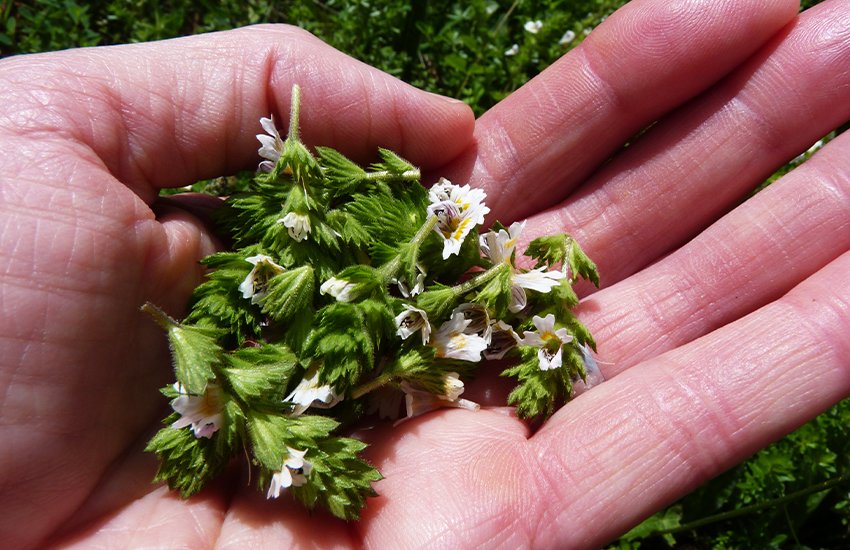
Figure 4: A remedy from nature – potentised by homeopathic method and traditionally used for watery, irritated eyes.
Euphrasia officinalis C30 is another homeopathic remedy of great value in conjunctivitis. It is made from the aforementioned eyebright but is potentised according to the homeopathic method and is therefore stronger (yet gentle) than the medicinal plant in its original form.
The use of this remedy is particularly indicated when there is a large amount of clear, flowing and watery tearing that burns on the eye and surrounding skin. This can develop over time into greenish or whitish secretions and may be accompanied by the sensation that a foreign body, like a grain of sand, is in the eye.
Or Pulsatilla?
Pulsatilla C30 is the homeopathic remedy for reddened eyes that itch strongly. Often the itching is accompanied by a thick, yellowish or greenish discharge that does not irritate the skin. This remedy is frequently indicated in women, but not always. The affected person may be particularly clingy, feel worse in warm indoor air and better in a cool breeze of fresh air. Cool, wet compresses on the eyes often relieve the symptoms and are much appreciated. Around the eyes and on the lids there may be skin eruptions such as pimples, blackheads or dandruff. Often the affected person has little or no thirst.
There are other remedies you can consider, but I want to keep this blog as simple as possible so you can use it practically and pass the information on to others, so I will stick to the essentials here.
Homeopathy is family medicine
If someone in your family should have conjunctivitis, you can also do what I did and give Hepar sulph D30 every three hours until improvement occurs, while simultaneously instilling Euphrasia tincture (of course diluted 1:25) directly into the eye. Further information on dosing and potencies of the remedies can be found here.
For my family it worked every time, even for our dog Buster and our cat Carmelina. I also teach this method to my students and have so far received only first‑class feedback.
Now you have learned what paediatricians would also like to know... how to heal without antibiotics.
Homeopathy helps – pass it on!
Warm regards,
Yours,

Source: https://joettecalabrese.com/blog/pinkeye-conjunctivitis-homeopathy/?
Figure 1: Tom Meaker/shutterstock.com ; Figure 2: Tatjana Meininger/shutterstock.com ; Figure 3: New Africa/shutterstock.com ; Figure 4: theapflueger/shutterstock.com
11.09.2025

