
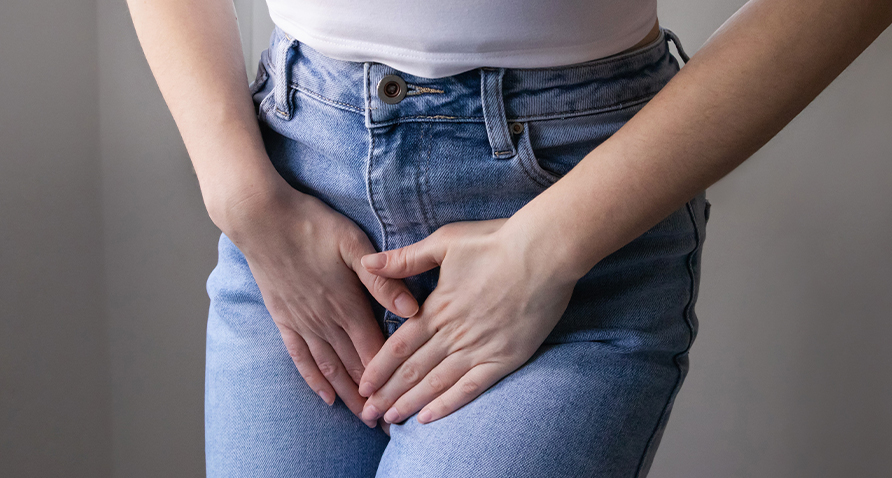
Figure 1: A bladder infection generally affects women more than men. Because the female urethra is shorter than the male one, bacteria can reach the bladder more easily and cause inflammation.
Frequent urges to urinate and burning during urination: a bladder infection is far from pleasant. Women in particular often struggle with acute or recurrent urinary tract infections. This article explains why that is, what can trigger cystitis, and which symptoms typically occur with a bladder infection. We also present four well-established home remedies that can help prevent bladder infections or relieve symptoms naturally.
What is a bladder infection?
A bladder infection (medical term: cystitis) is an inflammation of the urinary bladder usually caused by a bacterial infection. Less commonly, fungi, parasites or viruses can be responsible for the painful inflammation. In 80–90% of cases it is Escherichia coli (E. coli) from the gut that travel up the urethra into the bladder, multiply there and irritate the bladder lining. The result is a range of unpleasant symptoms—particularly frequent, intense urges to urinate and burning, painful urination.
In principle, anyone can develop cystitis, but women are clearly affected more often than men. At least half of all women experience at least one bladder infection during their lifetime. This is mainly because the female urethra is shorter than the male one, so bacteria can reach the bladder more easily. Prevalence is particularly high between about 14 and 24 years of age and in the postmenopausal period. The onset of sexual activity and hormonal changes (e.g. the decline in oestrogen after the menopause) are the main reasons for the increased incidence of bladder infections in these age groups.
Acute, recurrent or chronic? Forms of cystitis
Cystitis can occur in different forms, which differ in duration, frequency and cause. The most important forms are:
- Acute cystitis: If the bladder infection appears suddenly and lasts a few days up to a maximum of two weeks, it is referred to as acute cystitis. It is usually an E. coli infection, often triggered by chilling, unfavourable intimate hygiene or sexual intercourse. Chances of recovery are good and the course is generally uncomplicated.
- Recurrent (relapsing) cystitis: Often it does not stop at a single urinary tract infection: about 20–30% of women who have had an acute cystitis experience another bladder infection within a year. By definition cystitis is termed recurrent if the infection occurs at least twice within 6 months or at least three times within a year. One possible cause of recurrent infections is bacterial resistance. If E. coli pathogens are not completely eliminated by the immune system or by antibiotics, they can survive in the urothelium (the cell layer that lines the bladder) and cause a new infection at a later time. An imbalance in the gut caused by frequent antibiotic use can also favour urinary tract infections.
- Chronic cystitis: If the frequency of bladder infections exceeds three infections per year and the bladder lining is persistently inflamed or damaged, the cystitis is considered chronic. Symptoms may then be less severe at times but can persist for weeks to months. Chronic cystitis is usually due to a bacterial infection. Less commonly, no bacteria can be detected despite ongoing symptoms—this is referred to as interstitial cystitis, whose treatment is often complex due to the unclear trigger (possibly an autoimmune reaction or nerve irritation).
What symptoms are typical of bladder infections?
Cystitis is characterised by several distinctive complaints that can vary in intensity. Not all of the symptoms listed below have to be present for it to be a bladder infection. However, typical signs include:
- frequent urge to urinate
- burning or pain when passing urine (dysuria)
- bloodstained, cloudy and/or strong-smelling urine
- lower abdominal pain
- urinating at night
Common causes and risk factors for cystitis
The possible triggers of a bladder infection are diverse. As already explained above, it is usually strains of E. coli that cause cystitis. There are also certain factors that can promote the development of a bladder infection. These include:
- hygiene errors
- long-term use of a catheter
- hormonal changes (e.g. during menopause)
- high sexual activity
- diabetes mellitus
- wet, tight or synthetic clothing
- insufficient fluid intake
- pregnancy
- frequent antibiotic use
Bladder infections also commonly occur after hospital stays. Patients with an indwelling urinary catheter are particularly affected. The use of a catheter (e.g. after a kidney transplant) is therefore among the most frequent—but avoidable—hospital-acquired infections.[1] Many health experts therefore call for the indication for a urinary catheter to be questioned at all times and for it to be removed as early as possible. In addition, mandatory hygienic measures (e.g. hand disinfection) should be observed when handling catheters to avoid transferring bacteria and to prevent cystitis.
Possible long-term consequences of a bladder infection
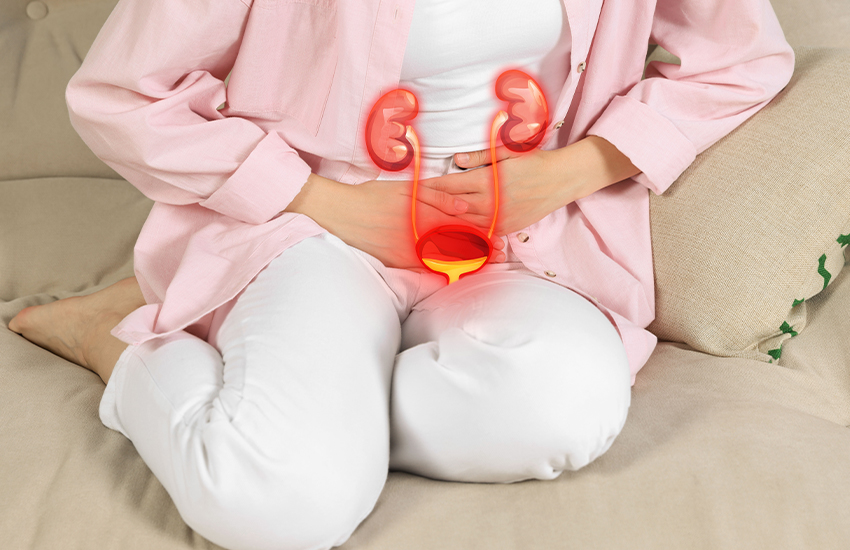
Figure 2: If a bladder infection is left untreated or is delayed, bacteria can ascend to the kidney and cause a kidney pelvic infection.
In most cases a bladder infection is not dangerous and usually resolves on its own within 5–7 days without major complications. Nevertheless, it would be wrong to take a urinary tract infection lightly. Caution is particularly warranted if bladder infections are left untreated or occur repeatedly. If the inflammation does not heal properly, a chronic course may develop. Possible long-term consequences include scarring of the bladder wall, incontinence and psychological disorders due to the ongoing burden.
Inflammations can also occur elsewhere in the body—for men, for example, inflammation of the prostate or the epididymis. Another potential and serious complication of cystitis is a kidney pelvis infection (pyelonephritis). This can occur in the worst case if bacteria ascend up the ureters and reach the kidneys. Scarring of kidney tissue and irreversible kidney damage are not uncommon with repeated or neglected infections. From the kidney, bacteria can also spread via the bloodstream throughout the body and lead to potentially fatal sepsis.
Diagnosis and conventional medical treatment approaches
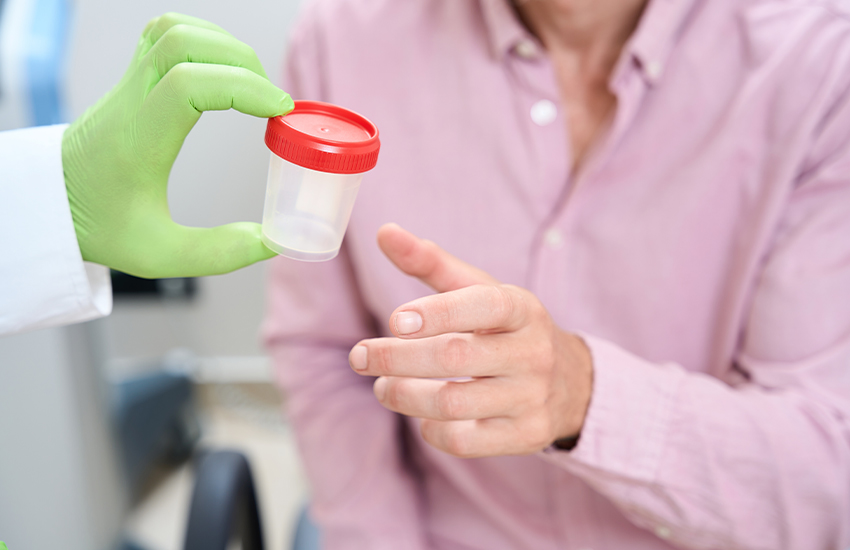
Figure 3: To be sure that a bladder infection is actually present, a urine test can be performed for diagnosis.
In most cases a review of the symptoms is sufficient to diagnose a bladder infection. Otherwise, if cystitis is suspected a simple urine test can be carried out to detect signs of inflammation. The test can easily be performed as a rapid test using a urine dipstick at the doctor’s or at home. For a more detailed analysis and the examination of bacteria, leukocytes and erythrocytes, a microscopic urine analysis in the laboratory is necessary.
How is a diagnosed cystitis treated? The conventional medical answer to this question is: with antibiotics. These drugs are indeed effective quickly but can have serious long-term side effects. For example, antibiotic use always affects the gut microbiome and thus the body's own immune defence. Frequent use can also readily lead to antibiotic resistance. For recurrent urinary tract infections, low-dose long-term antibiotic prophylaxis still remains the standard therapy—even though it demonstrably increases the risk of antibiotic resistance.[2] In addition, antibiotic use often leads to fungal infections (usually vaginal thrush). By weakening the vaginal microbiome, antibiotics make it easier for fungi to spread. Because of these accompanying effects and long-term consequences, antibiotics should never be viewed as the only possible treatment option. Moreover, their use is often not necessary. According to guidelines, uncomplicated cystitis has a high rate of spontaneous recovery, which is already 30–50% after one week.[3]
A vaccination against bladder infections also does not, from a naturopathic perspective, address the root of the problem. Its effectiveness has not yet been proven. In one study the commonly used cystitis vaccine (StroVac®) did not perform any better than a placebo injection.[4]
From warm feet to D‑mannose: 4 home remedies for bladder infections
It is not always necessary to resort to antibiotics for a bladder infection. Particularly in mild cases, the use of tried-and-tested home remedies is recommended instead. Below we present four approaches that can gently relieve the symptoms of a bladder infection or help prevent cystitis in future.
1. Flushing therapy

Figure 4: Herbal teas such as nettle or goldenrod tea support flushing therapy and promote the elimination of bacteria.
With so‑called "flushing therapy" the name says it all: by increasing fluid intake the bladder is “flushed out” to rid it of bacteria. In addition, the concentration of inflammation-promoting substances in the urine decreases with more fluid and the bladder lining is relieved. Especially in the early phase of cystitis it is important to drink enough. A good guideline for healthy adults is a daily fluid intake of around 2–3 litres.
Try to distribute fluid intake evenly over the day. In addition to water, unsweetened herbal tea is suitable. Special kidney and bladder teas (e.g. with nettle, horsetail, goldenrod or birch leaves) can have a diuretic effect and thus additionally promote the flushing out of bacteria. Coffee and alcohol should be avoided, however, as these drinks do not effectively contribute to hydration and can further irritate the urinary tract.
2. D‑mannose instead of sugar
Even if that slice of cake or ice cream looks tempting: especially with an existing bladder infection you should at least temporarily avoid sweet treats. Sugar can worsen the symptoms of cystitis and prolong the illness, as common pathogens such as E. coli multiply more rapidly with raised blood sugar levels.[5] Some unfavourable gut bacteria are also “fed” by sugar, which can weaken the gut microbiome and the immune defence.
A type of sugar that is explicitly allowed in the treatment or prevention of a bladder infection is D‑mannose. This natural simple sugar offers a gentle, antibiotic‑free support for bladder infections. The major advantage of D‑mannose is that it does not kill bacteria but only affects their ability to adhere. By binding to the bladder lining, D‑mannose prevents pathogens such as E. coli from attaching. The bacteria are instead flushed out with the D‑mannose, without leading to resistance or damage to the gut flora. In a clinical study D‑mannose was shown to be as effective as an antibiotic for recurrent urinary tract infections, while being better tolerated.[6] In the study the effects of 2 grams of D‑mannose per day were compared with those of the antibiotic nitrofurantoin.
3. Nutrient-rich and gut-healthy diet
Eating nutrient-rich foods is of course beneficial not only in relation to a bladder infection. If your goal is to speed up the healing phase of cystitis or to prevent urinary tract infections, it is particularly worthwhile to ensure that certain vitamins and minerals regularly appear on your plate. For a strong immune system, especially important are vitamin C (ascorbic acid), vitamin A, zinc, vitamin D and B vitamins. Omega‑3 fatty acids (EPA/DHA), which have anti-inflammatory effects, are found for example in fish (such as salmon, mackerel) and in linseed oil, chia seeds and walnuts.
Because the gut is the main seat of our immune system, it is also worth supporting this important organ through diet. After antibiotic use the microbiome is usually strongly weakened and needs to be rebuilt. Fibre-rich and fermented foods are particularly helpful. Fermented products such as sauerkraut, kefir and kimchi contain live microorganisms (probiotics) that promote healthy digestion and immune responses.
4. Heat to support healing
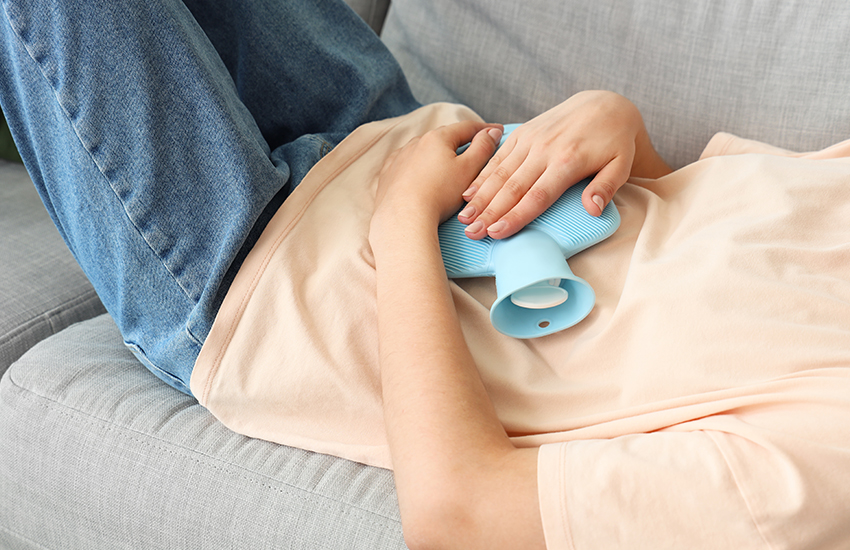
Figure 5: Heat applications are generally soothing for bladder infection. Whether a hot water bottle or a cherry stone heat pack—heat promotes circulation and activates immune cells.
Heat does not combat the causes of cystitis, but it can gently relieve symptoms. Home remedies such as a hot water bottle, a heat patch or a cherry stone cushion can be placed on the lower abdomen or pelvic floor to relieve tension and relax the muscles. Be careful not to use a hot water bottle or cherry stone cushion too hot or directly on bare skin to avoid burns. As heat promotes blood circulation, it can also relieve pain and support healing by activating immune cells.
Cold, on the other hand, tends to have an unfavourable effect on a bladder infection and can weaken the defences. Therefore, when you have cystitis make sure, above all, to keep your feet warm. For prevention, change out of wet swimwear promptly after swimming, as a cool, damp environment can favour the growth of unfavourable microbes.
Disclaimer
This article does not replace treatment by a qualified therapist. The basis of this article is studies and current literature. It must not be used for self-diagnosis or self-treatment. If in doubt, discuss any ideas from this article with a therapist you trust.
Biography
Katharina Korbach regularly writes blog posts on medicinal plants and natural active substances for Narayana Verlag. She became interested in language early on and began writing her own literary texts. A serious illness during her final school year prompted an intensive engagement with health and nutrition topics that continues to this day. After repeated failure of conventional medical treatment methods, she decided on a more self-effective, naturopathic therapeutic approach. A plant-based diet was an essential key on her path to recovery.
Katharina studied Cultural Studies (B.A.) and Applied Literary Studies (M.A.). In 2022 she published her debut novel "Sperling" with Berlin Verlag. Today she lives in Berlin as a freelance author, medical editor and lecturer. She prefers to spend her free time with friends or at barre training. She also loves travelling and trying out new vegan recipes.
[1] Chenoweth CE. Urinary Tract Infections: 2021 Update. Infect Dis Clin North Am. 2021 Dec. https://pubmed.ncbi.nlm.nih.gov/34752223/.
[2] Anger J, Lee U, Ackerman AL, Chou R, Chughtai B, Clemens JQ, Hickling D, Kapoor A, Kenton KS, Kaufman MR, Rondanina MA, Stapleton A, Stothers L, Chai TC. Recurrent Uncomplicated Urinary Tract Infections in Women: AUA/CUA/SUFU Guideline. J Urol. 2019 Aug. https://pubmed.ncbi.nlm.nih.gov/31042112/.
[3] AWMF (2017): S3-Leitlinie: Unkomplizierte Harnwegsinfektionen. https://www.bayerisches-aerzteblatt.de/fileadmin/aerzteblatt/ausgaben/2017/11/einzelpdf/BAB_11_2017_552_559.pdf (accessed: 28.07.2025).
[4] Nestler S, Peschel C, Horstmann AH, Vahlensieck W, Fabry W, Neisius A. Prospective multicentre randomized double-blind placebo-controlled parallel group study on the efficacy and tolerability of StroVac® in patients with recurrent symptomatic uncomplicated bacterial urinary tract infections. Int Urol Nephrol. 2023 Jan. https://pmc.ncbi.nlm.nih.gov/articles/PMC9870822/.
[5] Paudel S, John PP, Poorbaghi SL, Randis TM, Kulkarni R. Systematic Review of Literature Examining Bacterial Urinary Tract Infections in Diabetes. J Diabetes Res. 2022 May 17. https://pmc.ncbi.nlm.nih.gov/articles/PMC9130015/.
[6] Kranj?ec B, Papeš D, Altarac S. D-mannose powder for prophylaxis of recurrent urinary tract infections in women: a randomized clinical trial. World J Urol. 2014 Feb. https://pubmed.ncbi.nlm.nih.gov/23633128/.
Figure 1: alina_stor/shutterstock.com ; Figure 2: New Africa/shutterstock.com ; Figure 3: Svitlana Hulko/shutterstock.com ; Figure 4: Pawel Michalowski/shutterstock.com ; Figure 5: Pixel-Shot/shutterstock.com
25.09.2025

