

Figure 1: Especially in autumn and winter a functioning immune system is important to avoid infections. With the right measures the body’s defences can be specifically built up and strengthened.
Building a healthy immune system is generally always advisable. In the colder season, however, cold, pathogens and dry heating air place particular demands on our defences. To avoid infections, it is worthwhile to actively support your own immune system. In this blog article you will learn how the immune system is structured and which vital functions it fulfils. In addition, you will receive 7 holistic tips with which you can actively and sustainably strengthen your immune defence.
What is the immune system?
The term “immune system” is rather abstract for many people. Which organs and organ systems are included, how is the immune system organised and what are its main functions? In short, the immune system is the body’s defence system that — if intact — protects us from pathogens such as viruses, bacteria and fungi. It does so by not only recognising unwanted invaders but also eliminating them.
An entire network of organs, cells and proteins is involved in immune defence, each with its own tasks.[1] Skin, mucous membranes and the gut are the first points of contact for pathogens and also serve as a barrier. Bone marrow, which produces important immune cells, as well as lymph nodes and the spleen, which act as filter stations for pathogens, are also part of the immune system. Stomach acid, saliva and tears contain germ‑killing substances that inactivate pathogens before they reach the interior of the body.
Immune cells (leukocytes) are the “active fighters” of our immune system. Granulocytes, macrophages, natural killer cells, B and T lymphocytes and other important immune cells identify and combat pathogens. Some immune cells are also able to destroy already infected body cells and prevent the immune system from overreacting. It is also important to know that the performance of the immune system naturally declines with age (immunosenescence), which is why strengthening immune defence should be particularly focused from around the age of 60 onwards.[2]
How does the body’s own immune defence work?

Figure 2: While the nonspecific immune defence is present from birth, the specific immune defence only develops gradually over the course of life.
Foreign substances enter the body daily via the airways, the mucous membranes and food. Our immune system is therefore continuously at work. It has the important task of selecting which substances may actually enter the body and which must be repelled. If an intact immune defence recognises a pathogen or a potentially harmful foreign substance, it is rendered harmless by specialised immune cells and signalling molecules. Antibodies are then formed so that the pathogen can be eliminated even more efficiently on the next contact.
This is also the principle behind vaccinations such as the flu vaccine. The vaccine does not contain “live” influenza viruses, but attenuated or inactivated viral components that cannot cause actual flu. Nevertheless, the immune system produces antibodies and memory cells that will recognise the virus in the event of real exposure. In this way, vaccination builds immunological protection.
To categorise immune defence more precisely, two important categories are distinguished:
- nonspecific immune defence: The innate immune system is developed during pregnancy and is present from birth. It reacts quickly but does not distinguish between different pathogens. Because of this lack of precision, the nonspecific immune system is suitable for initial rapid defence but is not sufficient for comprehensive immune protection.
- specific immune defence: The acquired (specific) immune system develops only over the course of life. Unlike the nonspecific immune defence, it reacts more slowly but is more targeted. Another special feature is that the specific immune defence has an immune memory. Special cells, so‑called memory cells, recognise repeat infections with a particular pathogen so that it can be repelled faster and more effectively. The specific immune defence is therefore particularly important for long‑term protection.
What can weaken the immune system?

Figure 3: Unfavourable diet, lack of sleep and exercise as well as chronic stress are among the main risk factors for a weakened immune defence.
How strong or weak our immune system is varies from person to person. While some catch colds regularly, even the worst cold wave may seem not to affect others. In addition to recurrent infections, frequent exhaustion, tiredness, prolonged illnesses, allergies, hair loss and skin irritations are possible signs of a weakened immune defence.
Both lifestyle factors and environmental influences as well as certain diseases or the use of medications can cause the immune system to function suboptimally. An unhealthy and nutrient‑poor diet can promote immune weakness just as lack of exercise, chronic stress, poor sleep, smoking and excessive alcohol consumption can. In autumn and winter, dry indoor air strains the mucous membranes in the nose and throat and thus weakens the first barrier against pathogens. Infections (e.g. influenza virus, HIV), chronic diseases (e.g. autoimmune diseases, diabetes mellitus), chemotherapy or the use of immunosuppressants can also weaken the defences temporarily or permanently.
Strong against viruses and co.: 7 holistic tips for an intact immune system
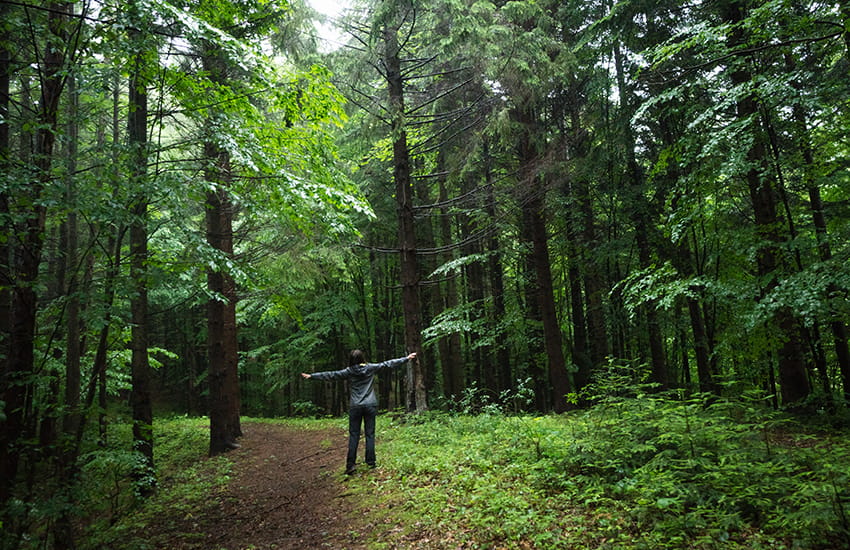
Figure 4: Strengthening the immune system is possible at any time. A holistic approach and targeted lifestyle changes can benefit not only the defences but also general well‑being.
Suffering constantly from infections and other health complaints attributable to a weak immune system can be very stressful. The good news, however, is that you can actively build up and strengthen your immune system at any time. On the one hand, this means providing the body with everything it needs for efficient defence against pathogens. On the other hand, influences that weaken or irritate the immune defence should be avoided as much as possible. To maintain a strong immune system in the long term, the following tips should be implemented regularly.
1. Strengthen your defences with the right diet!
A nutrient‑rich diet plays a key role when it comes to strengthening the immune system. A colourful and balanced mixed diet rich in vegetables and fruit as well as high‑quality protein sources, healthy fats and fibre is ideal. Protein is an important building block for immune cells and antibodies. To strengthen your defences, you should therefore regularly consume protein‑rich foods such as pulses, eggs, tofu, dairy products or lean meat. Vital nutrients that can support immune defence include especially vitamin C, vitamin D, vitamin A, vitamin E and B vitamins. Zinc, iron and selenium are also important minerals and trace elements that can support intact immune function.
Since vitamin C is heat‑sensitive, foods rich in ascorbic acid (e.g. red peppers, broccoli, Brussels sprouts, kale, blackcurrants, parsley) should preferably be eaten raw or prepared as gently as possible. The “hot lemon”, which is regarded as a wonder weapon for the immune system, should only be drunk with lukewarm water. Ginger is also often used during the cold season — and rightly so. Anti‑inflammatory and antioxidant compounds such as gingerols can protect immune cells from damage by free radicals. In addition, ginger can stimulate the circulation of the mucous membranes and thereby strengthen the defensive barrier.
Also make sure to drink enough to keep the mucous membranes moist. About two to three litres of water or unsweetened tea spread over the day are considered ideal for healthy adults.
2. Support your gut as the most important immune organ!
As it houses about 70 to 80 per cent of all immune cells, the gut is our largest immune organ.[3] Anyone who wants to build up their immune system should therefore always keep an eye on their gut health. Billions of bacteria live in the gut and together form the gut microbiome. Certain bacteria of the microbiome can train the immune system and prevent harmful germs from passing through the gut mucosa into the body. To support these “good” gut microbes, you should eat a fibre‑rich diet and, ideally, consume fermented foods daily. Fermented products such as sauerkraut, kefir, yoghurt or kimchi have probiotic effects because they contain live microorganisms that positively influence the microbiome. Conversely, factors such as an unfavourable, nutrient‑poor diet, antibiotics or stress can weaken the microbiome and thus also the immune defence.
3. Spend time outdoors every day!
Spending time in the fresh air can strengthen the immune system for several reasons: on the one hand, sunlight stimulates vitamin D production in the skin. Vitamin D is crucial for the activity of immune cells and can only be obtained in small amounts from food. To avoid UV damage, you should not expose yourself to direct sunlight for too long on hot days. Even a short sun exposure (approx. 10 to 30 minutes) is usually enough to ensure sufficient vitamin D formation.
When you are outdoors, you also come into contact with “harmless” environmental microbes. This moderate exposure can train the immune system and help prevent or reduce allergic reactions. While you are not spending time outside, you should ensure that the humidity indoors is high enough (approximately 30–60% relative humidity is ideal). Otherwise, dry heating air can dry out the mucous membranes and thus promote infections. Using electric humidifiers and ventilating rooms several times a day are recommended.
4. Exercise regularly and preferably moderately!
As many studies show, regular moderate activity can stimulate antibody production and strengthen defences against bacterial and viral infections.[4] Exercise increases heart rate and circulation, enabling immune cells to be transported more quickly around the body. In addition, sport can help reduce low‑grade chronic inflammation and the production of stress hormones such as cortisol. If you exercise outdoors, your immune system can benefit further (see point 3).
However, be careful not to overstrain your body. Moderate endurance sports such as easy jogging, swimming, cycling or brisk walking are ideal for strengthening the immune system. If physical exertion is too intense, the body can become more susceptible to infections within a certain time window (the “open‑window effect”). In addition, overtraining can lead to a rise in cortisol, which is also associated with a temporarily increased susceptibility to infection.
5. Avoid chronic stress!
Not every form of stress is bad for our immune system: in an acute stress situation, defences can even be temporarily activated. This is a completely natural physiological reaction intended to prepare the body for potential danger. It becomes problematic, however, when stress becomes the rule rather than the exception. If the body secretes cortisol continuously, this can negatively affect both the nonspecific and the specific immune defence.[5]
Chronic stress not only increases susceptibility to infections but also the risk of inflammation and autoimmune diseases. It is all the more important to reduce everyday stress through relaxation techniques such as breathing exercises, yoga or meditation. Laughter can also help lower cortisol levels. In a study that examined the immune responses of colorectal cancer patients to laughter therapy, laughter significantly improved immune response.[6]
6. Ensure sufficient and restorative sleep!
While we sleep, numerous processes take place that influence our immune system. The “immune memory” is consolidated and immune cells regenerate. In particular, many T cells that are crucial for specific immune defence are activated. In addition, the body produces anti‑inflammatory and antiviral signalling molecules during deep sleep. Sleep deprivation can therefore have a clearly negative impact on immune defence. Just one or two nights of insufficient sleep can reduce the number of functional T cells in the blood and increase the risk of infections such as colds or flu.[7]
7. Use the effects of contrast showers and sauna!
Regular sauna bathing and contrast showers act like training for the circulatory system and the defences. The heat in the sauna or a hot shower improves blood circulation to the mucous membranes and helps keep them moist. Alternating heat and cold in contrast showers additionally trains the regulation of blood vessels, which alternately dilate and constrict. However, both practices only have a potential strengthening effect on the immune system if no infection is present. A sauna session during an acute infection is not recommended, as the heat stress can overwhelm the immune system and even worsen the illness.
Disclaimer
This article does not replace treatment by a qualified therapist. The basis of this contribution is studies and current literature. It must not be used for self‑diagnosis or self‑treatment. If in doubt, discuss any ideas from this article with a therapist you trust.
Biographical
Katharina Korbach regularly writes blog posts about medicinal plants and natural active substances for the Narayana Verlag. She developed an interest in language early on and began writing her own literary texts. A serious illness during her final school years prompted an intensive engagement with health and nutrition topics that continues to this day. After repeated failures of conventional medical treatments, she chose a more self‑effective, naturopathic therapeutic approach. A plant‑based diet was an essential key on her road to recovery.
Katharina studied Cultural Studies (B.A.) and Applied Literary Studies (M.A.). In 2022 she published her debut novel “Sperling” with Berlin Verlag. Today she lives in Berlin as a freelance author, medical editor and lecturer. In her free time she prefers to spend time with friends or doing barre training. She also loves travelling and trying out new vegan recipes.
[1] Chaplin DD. 1. Overview of the human immune response. J Allergy Clin Immunol. 2006 Feb. https://pubmed.ncbi.nlm.nih.gov/16455341/.
[2] Goyani P, Christodoulou R, Vassiliou E. Immunosenescence: Aging and Immune System Decline. Vaccines (Basel). 2024 Nov 23. https://pubmed.ncbi.nlm.nih.gov/39771976/.
[3] Wiertsema SP, van Bergenhenegouwen J, Garssen J, Knippels LMJ. The Interplay between the Gut Microbiome and the Immune System in the Context of Infectious Diseases throughout Life and the Role of Nutrition in Optimizing Treatment Strategies. Nutrients. 2021 Mar 9. https://pubmed.ncbi.nlm.nih.gov/33803407/.
[4] Wang J, Zhao W, Ding J, Li Y. The effect of physical activity on anti‑infection immunity: a review. Health Inf Sci Syst. 2025 Jul 23. https://pubmed.ncbi.nlm.nih.gov/40717906/.
[5] Segerstrom SC, Miller GE. Psychological stress and the human immune system: a meta‑analytic study of 30 years of inquiry. Psychol Bull. 2004 Jul. https://pmc.ncbi.nlm.nih.gov/articles/PMC1361287/.
[6] Sakai Y, Takayanagi K, Ohno M, Inose R, Fujiwara H. A trial of improvement of immunity in cancer patients by laughter therapy. Jpn Hosp. 2013 Jul. https://pubmed.ncbi.nlm.nih.gov/23984543/.
[7] Besedovsky L, Dimitrov S, Born J, Lange T. Nocturnal sleep uniformly reduces numbers of different T‑cell subsets in the blood of healthy men. Am J Physiol Regul Integr Comp Physiol. 2016 Oct 1. https://pubmed.ncbi.nlm.nih.gov/27465732/.
Figure 1: Sharomka/shutterstock.com ; Figure 2: lemono/shutterstock.com ; Figure 3: Lysenko Andrii/shutterstock.com ; Figure 4: Ioana Catalina E/shutterstock.com
02.10.2025

