
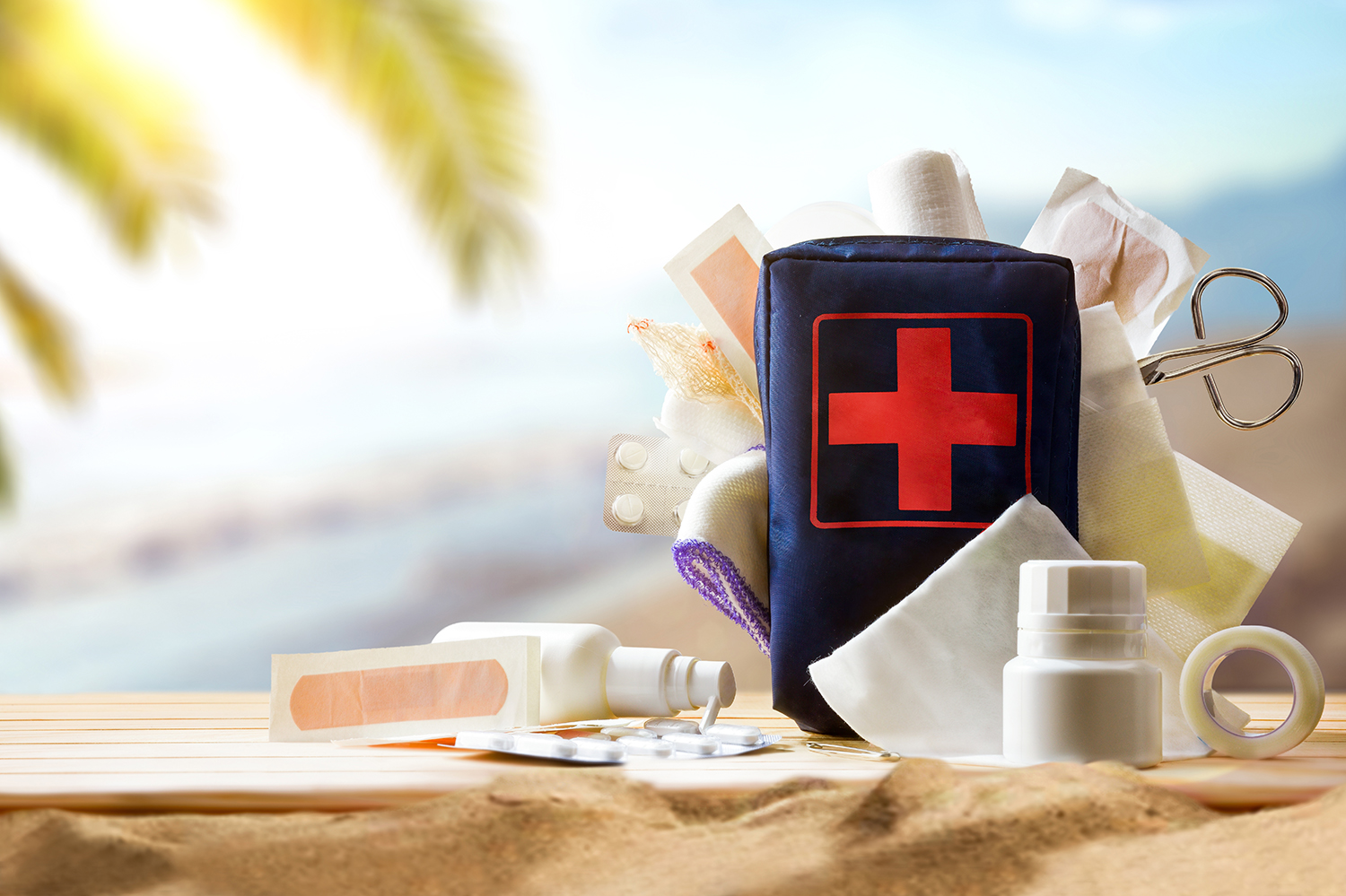
Figure 1: Medical first aid on holiday can, of course, be natural. A well-stocked travel first-aid kit can be invaluable.
Summer is holiday time. No matter where you go, a travel first-aid kit should not be missing from your luggage. That way you are prepared if health problems such as diarrhoea, constipation, insect bites or minor wounds occur while travelling. Here we present essential helpers that should not be missing from any travel first-aid kit and that can prove lifesaving on site. But what does a natural travel first-aid kit look like? Which remedies absolutely belong in your travel luggage?
Depending on where you travel and how much space you have in your luggage, the travel first-aid kit can be larger or smaller. A cycle tour through the Alps naturally allows less space than a hotel holiday in Gran Canaria. Nevertheless, the following remedies have often more than paid for themselves in your luggage:
1. For sunburn – Aloe vera
After sunburn the skin needs above all one thing: moisture and cooling. That is exactly what the desert lily, also known as Aloe vera, can provide. More than 300 plant compounds are found in the aloe plant that can support skin regeneration after sunburn. These include minerals, amino acids and vitamins. In addition, the plant itself is packed with moisture which it stores effectively – it often thrives in hot places with little rain. This stored moisture is released by the Aloe vera to the skin in case of sunburn, helping the skin to regenerate more quickly. [1] [2] A pleasant side effect of using Aloe vera for sunburn is that the tan tends to last longer.
Studies show that Aloe vera can reduce the number of cells damaged by UV light and sunburn. [3]
Usage: If you have a fresh Aloe vera plant you can apply the gel from a cut leaf directly to the skin – alternatively there is Aloe vera gel for sunburn.
2. A natural plaster – Dragon's blood
Every good travel first-aid kit should also include a plaster set. Traditionally used as a natural plaster is the resin of the dragon tree, Sangre de Drago. Tree resins act as a defence mechanism for trees by sealing injuries to their bark with their own resin. In this way they prevent the entry of pathogens such as bacteria, fungi, parasites and predators. Dragon's blood is a red resin traditionally used by many indigenous peoples as a natural wound dressing for humans and animals, especially for skin injuries.
Results from in vitro and in vivo studies largely support the ethnomedical uses of Sangre de Drago, including the treatment of insect bites and wounds. [4]
Usage: Dragon's blood can be applied to minor cuts, scratches, abrasions and insect bites to speed healing and reduce scar formation.
3. Natural antibiotic – Grapefruit seed extract
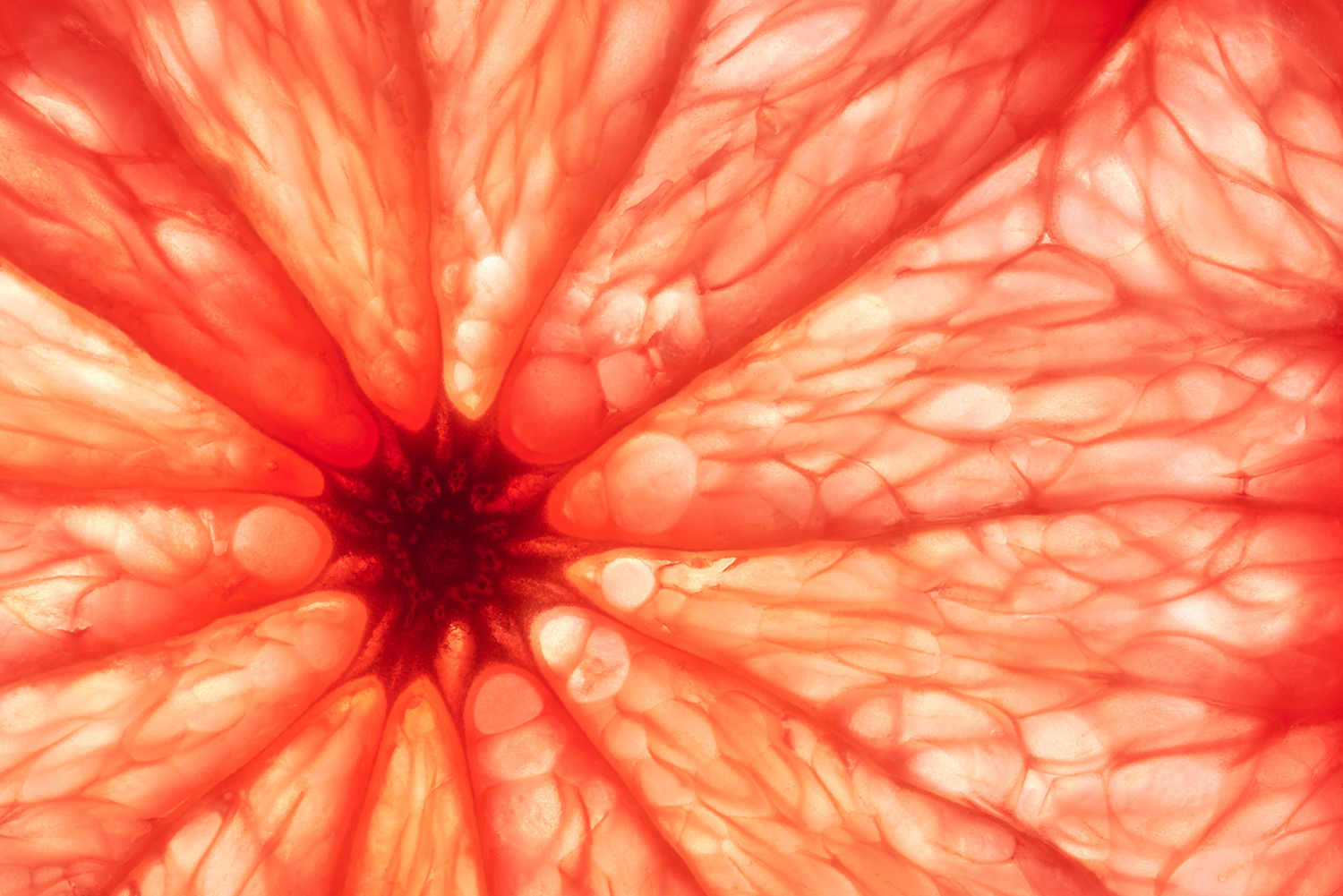
Figure 2: Provides more than vitamins and nutrients – the seeds of the grapefruit are known for their antibacterial properties.
Extracts from grapefruit seeds (Citrus x paradisi Macfad.) are known for their strong bactericidal and fungicidal properties. [5] Although grapefruit seed extract appears to have a somewhat stronger inhibitory effect on gram-positive organisms than on gram-negative ones, its efficacy against a broad spectrum of bacterial types is significant. [6] This is interesting given the emerging problem of bacterial antibiotic resistance. Grapefruit seed extract destroys the biofilm of certain bacterial species and renders them harmless. [7] Some people also use grapefruit seed extract to support digestive health. It can help maintain the balance of the gut flora and alleviate digestive complaints such as bloating and diarrhoea.
Many studies have shown that grapefruit seed extract can help against a variety of bacteria, viruses and fungi. Grapefruit seed extract (GSE) is obtained from the seeds and pulp of grapefruit. It contains compounds such as flavonoids and phenols that possess antimicrobial properties. Grapefruit seed extract has been shown to support the immune system. Its antiviral properties can help fend off infections and improve overall immune function. [8] It is also suitable for treating skin infections – such as acne, eczema or psoriasis.
Usage: Grapefruit seed extract is highly concentrated and should always be used diluted. The usual dilution is about 5–10 drops of GSE per glass of water (approx. 250 ml).
4. For drinking water disinfection – chlorine dioxide
Drinking water is not always of the best quality when travelling – water quality can vary widely. In many rural and remote areas of Asia or South America drinking water is often contaminated with pathogens, chemicals and other pollutants.
Chlorine dioxide is a strong oxidising agent and is effective against a wide range of microorganisms, including bacteria, viruses and protozoa in drinking water. It is particularly effective against biofilms that can grow in water distribution systems. Therefore chlorine dioxide (CDL) should not be missing from any travel first-aid kit.
Usage: For drinking water disinfection: the usual dosage is between 0.2 and 0.8 mg/l in drinking water, depending on water quality and specific requirements.
For surface disinfection: solutions of 100 to 200 ppm (parts per million) are used for surface disinfection.
5. For motion sickness – ginger
Ginger is often used as a natural remedy for motion sickness. It can help relieve nausea and vomiting.
The present study by researchers at the University of Michigan shows that ginger at a dose of 1,000 mg both reduces motion sickness and shortens recovery time when motion sickness is already present. [9]
Usage: It is best to start taking ginger a few days before the journey with about two grams of fresh ginger daily in a meal or as tea (steep for at least six minutes). For the trip itself you can take ginger tea in a thermos or ginger capsules (1,000 milligrams daily).
6. For diarrhoea and constipation – natural helpers
Digestive complaints while travelling are not uncommon. The change of diet, overeating, travel stress or irregular meals – diarrhoea or constipation are frequent companions on trips, whether in Asia, the heat of the Mediterranean or on a long motorway drive to Italy.
To be naturally prepared against diarrhoea, it is advisable to pack healing clay or psyllium seeds. In Asian countries you should have activated charcoal tablets on hand! Chamomile tea or ginger are also good for digestive complaints – they calm the gastrointestinal tract.
For constipation, mild laxatives are helpful. These include, for example, psyllium husks, which contain swelling fibres that increase stool volume and ease bowel movements. Flaxseeds and dried plums (prunes) are traditionally known for relieving constipation gently.
7. For bruises and abrasions – arnica and calendula
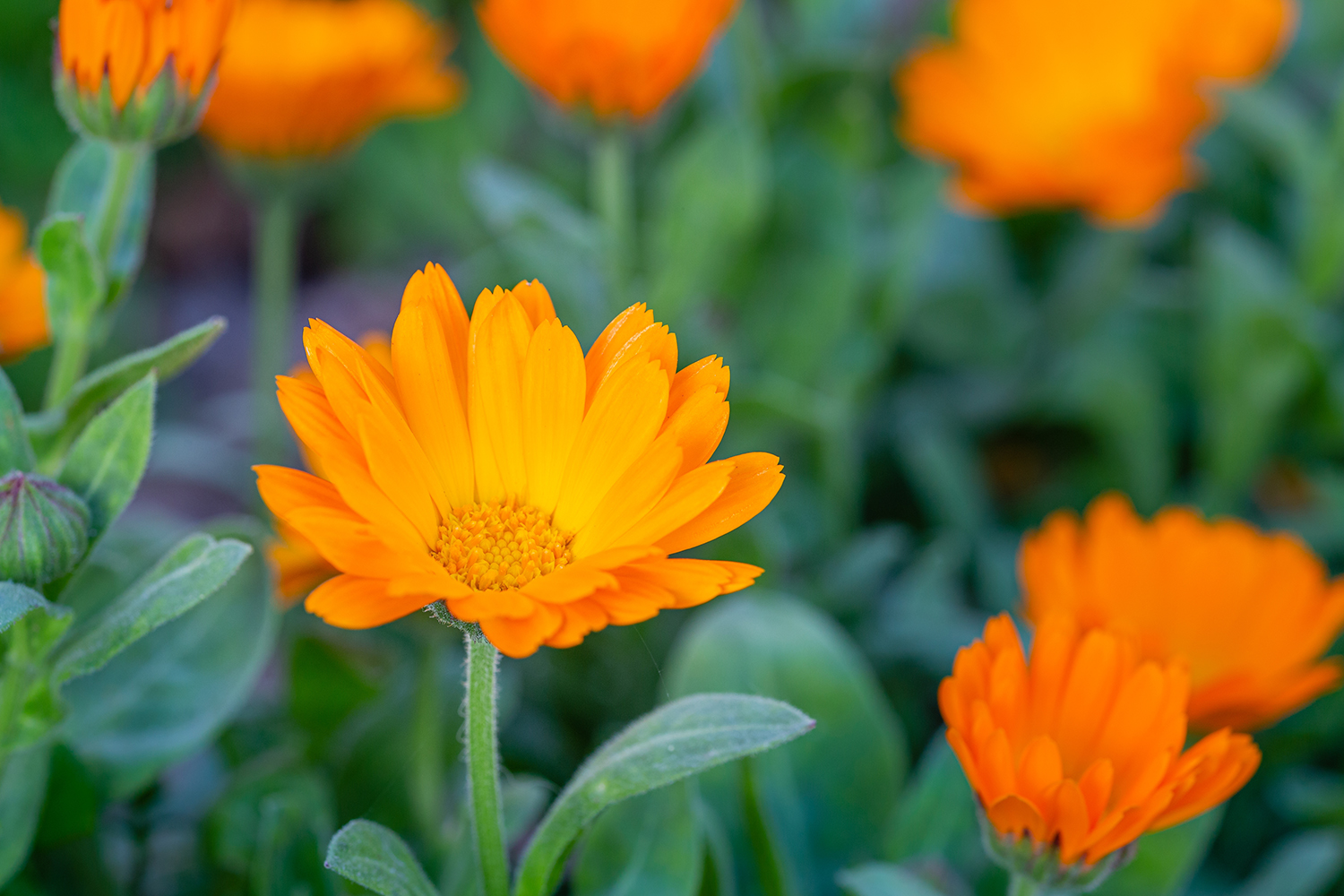
Figure 3: Calendula officinalis (marigold) promotes the formation of granulation tissue and is used to treat abrasions and minor burns.
Maria Treben already knew about the small yellow medicinal plant: arnica is a proven remedy for treating inflammation, pain and injuries, as arnica relieves pain, reduces inflammation and reduces swelling at the same time.
Arnica is often confused with calendula. Arnica, also known as mountain arnica, grows mainly in the alpine regions. You can imagine its help accordingly: it supports recovery from falls and bruises. But caution! Arnica must not be applied to open wounds.
The bright orange-yellow calendula, Calendula officinalis, originally comes from southern Europe. Calendula extracts have been shown to promote wound healing. Wounds heal faster and become infected less often. [10] [11]
Arnica and calendula are valuable components of the natural home medicine cabinet.
Usage: In short: arnica is used as a gel or cream for bruises, contusions, haematomas and muscle strains, while calendula is used as an ointment or extract for wounds and minor burns. [12]
8. The power of bees as a natural antibiotic – propolis
Propolis, a natural bee product, is used for many health problems. Propolis has antibacterial properties and is considered a natural antibiotic [13]. Traditionally it is applied to minor cuts, scratches and wounds to prevent infection. Propolis is also commonly used for inflammatory skin conditions such as eczema and dermatitis to reduce redness and swelling.
Usage: Propolis can be used as an ointment, cream or tincture. Apply an ointment or cream containing propolis directly to the inflamed area of skin. This can help with eczema, dermatitis and other skin irritations. [14]
9. Well cared for by these fragrant travel companions – essential oils from lavender and peppermint
They are small yet versatile: essential oils. That makes them valuable companions for travelling. Lavender oil, for example, is excellent for creating a calming sleeping environment in unfamiliar hotels, helps with stress thanks to its pleasant scent, and is useful for minor burns (including sunburn) or insect bites. Lavender is considered one of the most versatile medicinal plants in the world with a broad spectrum of action. [15]
Peppermint oil is ideal for headaches – simply apply to the temples – and can also help with digestive problems or nausea.
Usage: For topical application: a typical blend is 5–10% essential oil in a carrier oil (e.g. jojoba oil or coconut oil).
10. Natural mosquito repellent – citronella
In addition to lavender oil, the oils of lemon eucalyptus and lemongrass also have a repellent effect on mosquitoes. The reason is that both contain citronella – and this plant compound deters the little pests.
Usage: The oils can be dabbed directly onto the skin or diffused.
Conclusion:
A well-planned natural travel first-aid kit can treat a variety of ailments naturally and is a good complement to conventional medicines. It supports gentle and effective care on the go and promotes well-being while travelling.
Precautions:
- Dosage and dilution: Always observe the recommended dosage and dilute essential oils and concentrated extracts appropriately to avoid skin irritation or other side effects.
- Skin test: Perform a skin patch test before first use to ensure no allergic reactions occur.
- Drug interactions: Some natural remedies, such as grapefruit seed extract, can interact with medications. If you take medication regularly, consult a doctor.
- Emergencies: For severe symptoms such as severe diarrhoea, fever, blood in the stool or persistent complaints, always seek medical help.
Sources:
[1] https://pubmed.ncbi.nlm.nih.gov/7561562/
[2] https://www.researchgate.net/publication/15636680_Effect_of_Aloe_vera_gel_to_healing_of_burn_wound-_a_clinical_and_histologic_study
[3] https://www.researchgate.net/publication/15636680_Effect_of_Aloe_vera_gel_to_healing_of_burn_wound-_a_clinical_and_histologic_study
[4] https://www.liebertpub.com/doi/abs/10.1089/107555303771952235
[5] https://office2.jmbfs.org/index.php/JMBFS/article/view/4213
[6] https://www.liebertpub.com/doi/10.1089/10755530260128014
[7] https://www.jmb.or.kr/journal/view.html?uid=5244&vmd=Full
[8] https://archivepp.com/article/grapefruit-seed-extracts-antibacterial-and-antiviral-activity-anti-severe-acute-respiratory-syndro-bezi2dszyvyxzyj
[9] https://www.researchgate.net/profile/Han-Chung-Lien/publication/10910399_Effect_of_ginger_on_motion_sickness_and_gastric_slow-wave_dysrhythmias_induced_by_circular_vection/links/00b4952c0248228437000000/Effect-of-ginger-on-motion-sickness-and-gastric-slow-wave-dysrhythmias-induced-by-circular-vection.pdf
[10] https://www.ncbi.nlm.nih.gov/pmc/articles/PMC2533690/
[11] https://www.narayana-verlag.de/Gesundheit-aus-der-Apotheke-Gottes-Maria-Treben/b7538
[12] https://www.researchgate.net/profile/Vrish-Ashwlayan/publication/324744282_Therapeutic_Potential_of_Calendula_officinalis/links/5adfe8fc458515c60f63cfa8/Therapeutic-Potential-of-Calendula-officinalis.pdf
[13] https://www.mdpi.com/1420-3049/24/11/2047
[14] https://www.narayana-verlag.de/Propolis-Klaus-Nowottnick/b18791
[15] https://link.springer.com/article/10.1007/s00058-020-1602-y
Disclaimer:
This article does not replace treatment by a qualified therapist. The basis of this article is studies and current literature. It must not be used for self-diagnosis or self-treatment. Discuss any inspirations from this article with a therapist you trust if necessary.
Figure 1: Davizro Photography/Shutterstock.com; Figure 2: osobystist/Shutterstock.com; Figure 3: LFRabanedo/Shutterstock.com

