
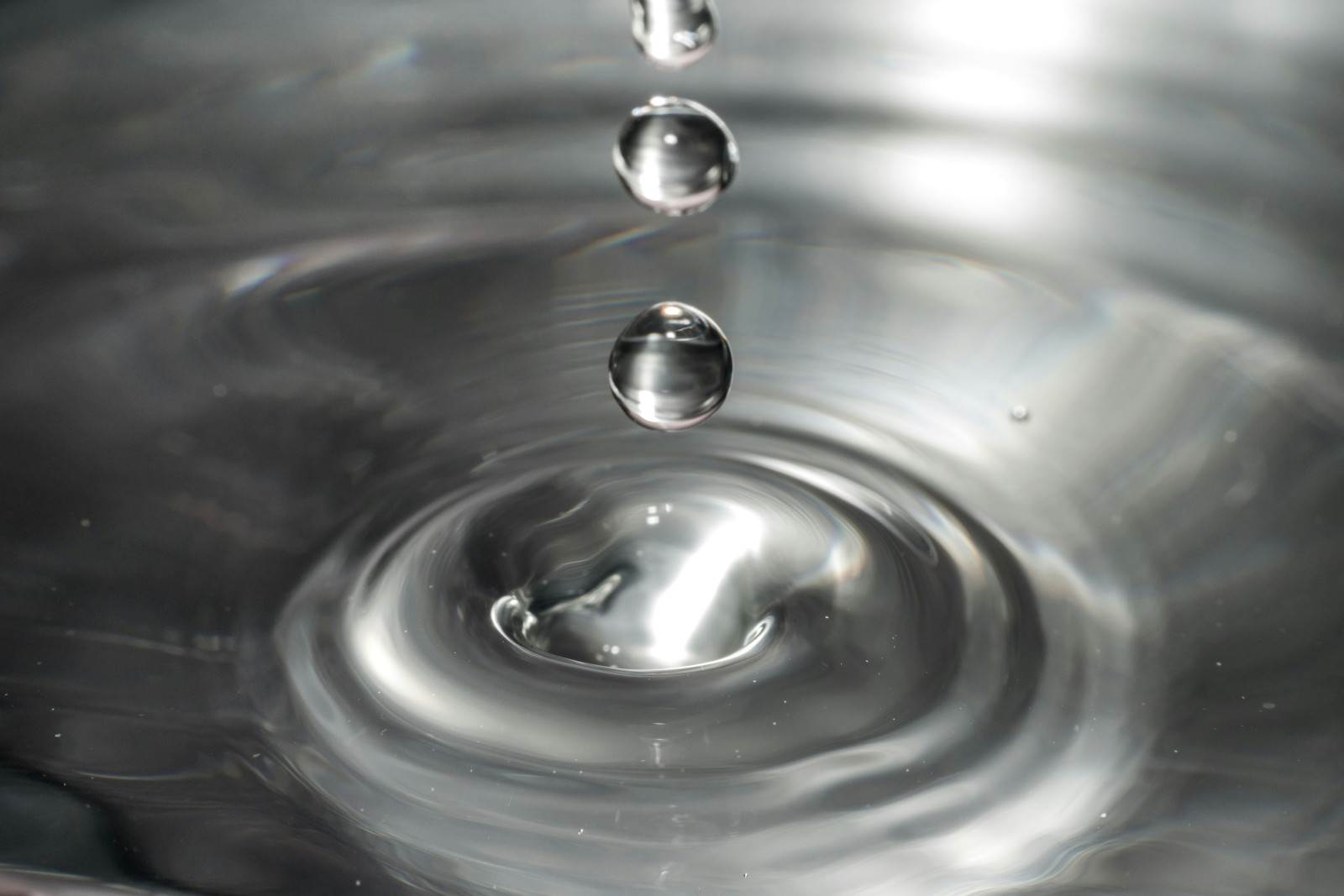
Figure 1: Colloidal silver or “silver water” is a purely natural substance. It consists of tiny silver particles dissolved in distilled water.
The antibacterial properties of silver were already appreciated in antiquity. Back then the precious metal was used, among other things, to preserve food. In medicine, colloidal silver has only been used for about a hundred years. In this blog post you will learn what silver water is and how it is produced. We also address how colloidal silver works and whether it can be more than just a disinfectant and cosmetic.
What is colloidal silver?
Colloidal silver, often also referred to as “silver water”, is a purely natural substance. Until the mid-20th century colloidal silver was successfully used to treat infectious diseases and other conditions. However, because it was not patentable and its production was initially very expensive, the pharmaceutical industry instead focused on producing antibiotics. When the first synthetic antibiotic came onto the market in 1928, colloidal silver gradually fell into obscurity.
Silver water consists of tiny silver particles that repel each other due to their electrical charge and disperse evenly in distilled water. A colloid is generally a substance present at the smallest possible particle size. The small size results in a larger total surface area of the particles and an enhanced effect of colloids compared with larger particles of the same substance. Particles at the nanoscale can also penetrate remote areas of the body and act there.
How is silver water produced?
There are several methods for producing colloidal silver. In addition to mechanically grinding silver in colloid mills, electrolysis has established itself as a common production method. With the help of a silver generator it is even possible to make colloidal silver yourself. One advantage of home production is that the silver water can be used fresh as needed and its effect is not possibly impaired by long storage times.
Electrolysis is the conversion of electrical into chemical energy. The production of silver water by electrolysis should be carried out in pharmaceutically distilled water. Silver electrodes are dissolved and charged in this. The result is ionically charged colloidal silver, which is also referred to as a silver solution. The effect of colloidal silver is determined exclusively by the charged particles (silver ions). The silver particles repel one another due to their charge and remain in a permanent suspended state.
How does colloidal silver work?
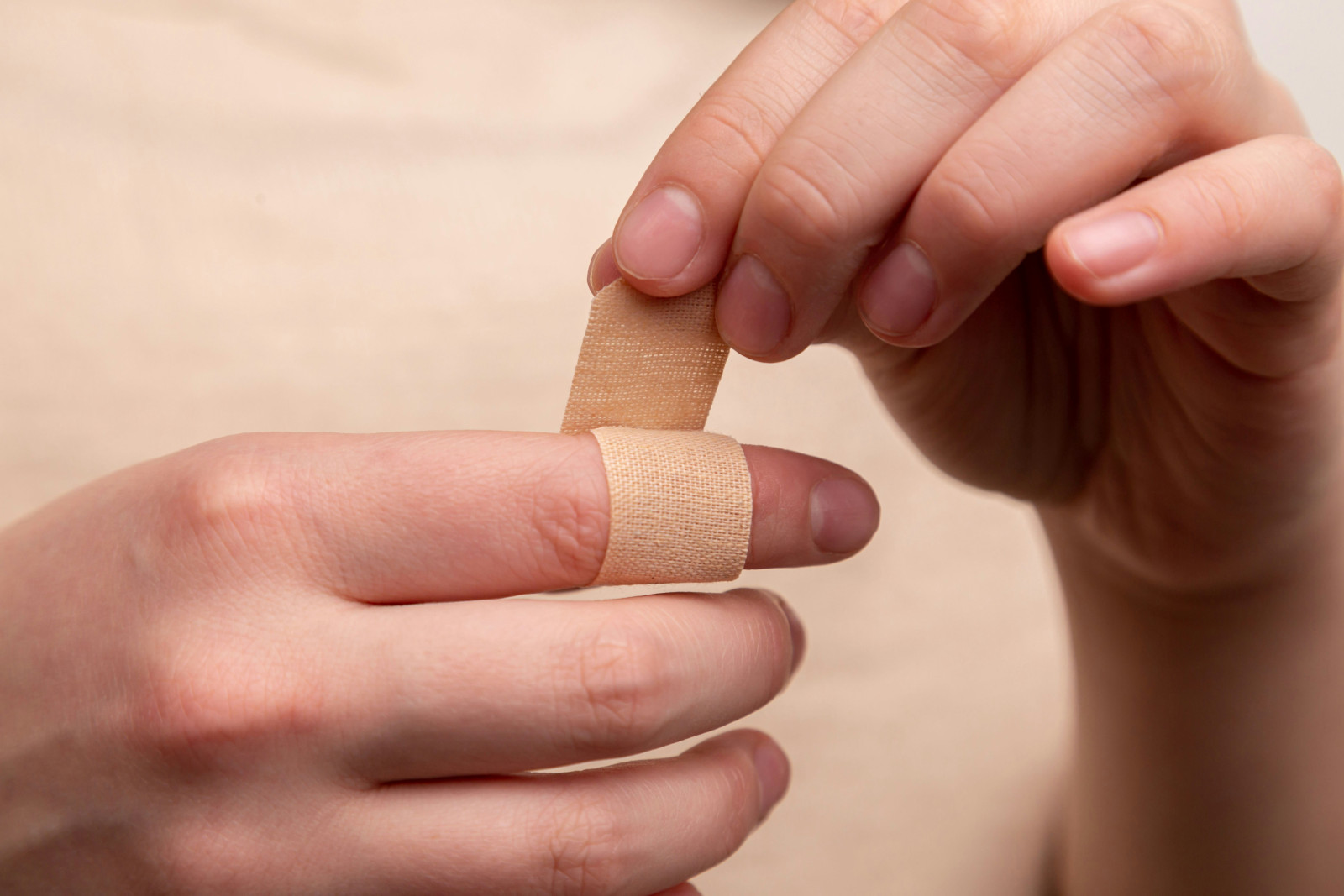
Figure 2: Due to its antibacterial and antiviral properties, colloidal silver is often used for disinfection and to help prevent infections.
Before we look more closely at the effects of colloidal silver, it must be pointed out that the following statements largely refer to cell culture or animal studies. The health effects of colloidal silver on the human body have not yet been scientifically proven. Accordingly, colloidal silver is not approved in Germany as a food, medicinal product or dietary supplement.
Antibacterial effect
The antibacterial properties of silver were already known to the ancient Romans. To keep them fresh for longer, food and drinks were often stored in silver vessels. In noble families it was also customary to eat from silverware and use silver cutlery to prevent infections.
Colloidal silver has been shown to inhibit the growth of bacteria and fungi even at low concentrations.[1] Unicellular pathogens (e.g. bacteria) require certain enzymes to function. Because colloidal silver can penetrate cell walls and membranes, it acts directly within the bacterial cell. There it deactivates enzymes vital to the pathogen and thus renders it harmless. In addition, colloidal silver destroys the genetic material of the pathogens and makes their cell membrane more permeable, which leads to dehydration of the bacterium. Remarkably, the colloidal silver remains unharmed in this process.
Antiviral effect
As shown in cell studies, colloidal silver has antiviral activity.[2][3] Some researchers suspect that nanoscale silver particles could prevent infections at the early stages of viral spread. Studies have demonstrated an inhibitory effect of nanosilver on the hepatitis B virus and the H1N1 influenza virus.[4]
Applications of colloidal silver
Colloidal silver is predominantly used topically and for cosmetic purposes. Positive effects are expected from the antibacterial and antiviral properties of the silver particles. In the medical field, colloidal silver is used for example in wound dressings and for coating medical devices.
For cosmetic use colloidal silver is available, among other forms, as a spray, cream, ointment, soap or lotion. It is often used for skin complaints such as acne, atopic dermatitis, rashes or psoriasis. Due to its germ-killing properties, colloidal silver is also used for the care of small cuts, burns and scratches.
For the treatment of irritated skin, sprays with colloidal silver are well suited. It is recommended to spray the affected areas directly several times a day or alternatively to apply sprayed compresses.
Colloidal silver as an alternative to or sensible complement to antibiotics?
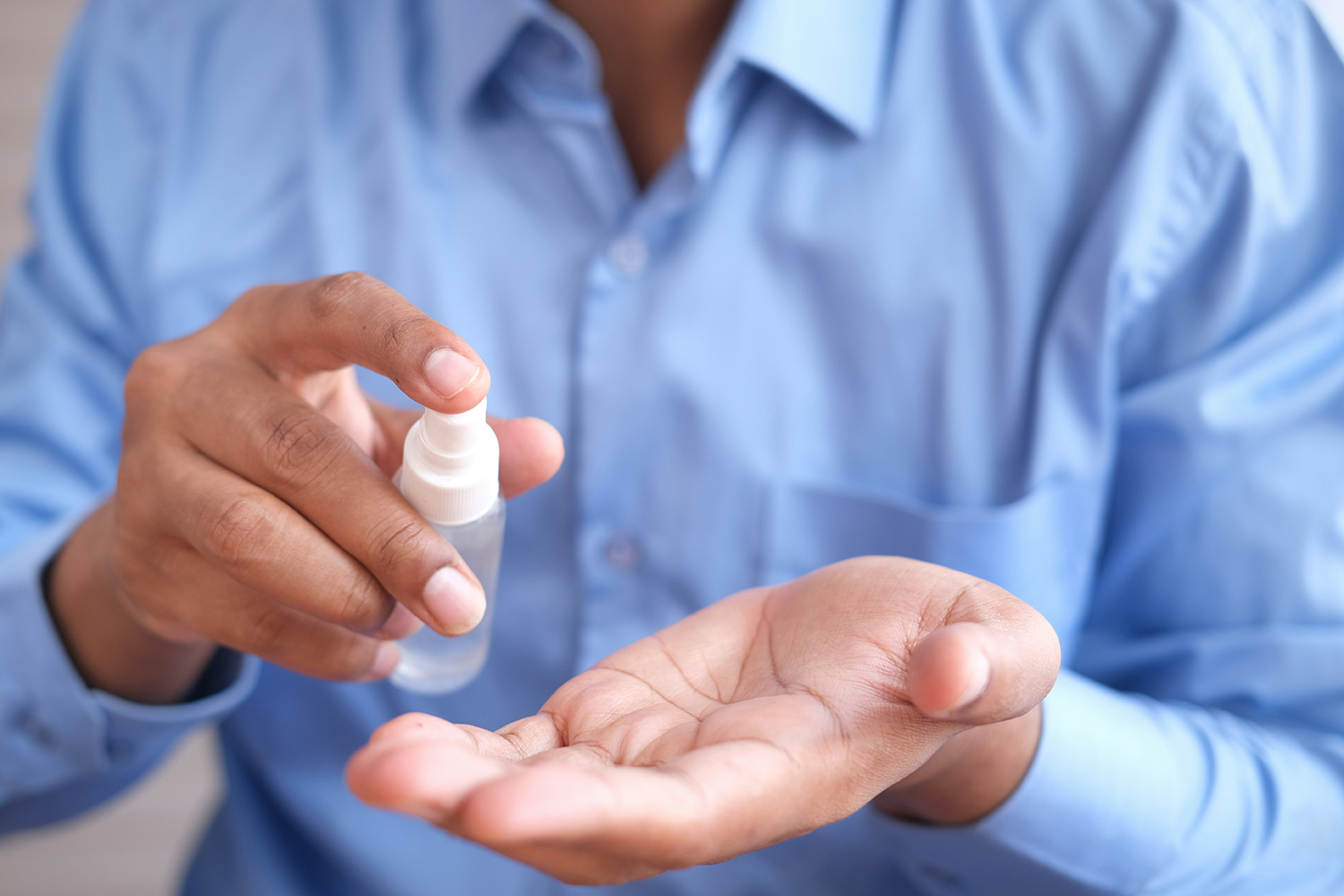
Figure 3: The combination of antibiotics with colloidal silver can increase the effectiveness of the antibiotics by up to 1,000-fold.
The question of whether colloidal silver could represent a natural alternative to antibiotics has long been controversially discussed in the scientific community. The problem of rising antibiotic resistance has reignited the debate in recent years.
But what would possible advantages of colloidal silver over antibiotics be? While any use of antibiotics can potentially lead to resistance, resistance to silver is scarcely known.[5] It is also often argued that colloidal silver is significantly gentler on the gut compared with antibiotics. Antibiotics can damage the gut flora so severely that sufferers continue to experience gastrointestinal problems or further infections for weeks after taking them. Silver particles, on the other hand, are largely absorbed already via the oral mucosa and generally act more gently than antibiotics.
A study at Boston University also found that colloidal silver can significantly enhance the effect of antibiotics. In the mouse study, the addition of colloidal silver led to an up to 1,000-fold increase in effectiveness against antibiotic-resistant superbugs.[6]
Notes on buying colloidal silver
Since colloidal silver is neither classified as a dietary supplement nor as a medicinal product, manufacturers are not permitted to advertise it with health claims. This often leads to uncertainty among consumers about the purposes for which a particular product can be used.
For cosmetic use, in addition to sprays and ointments containing colloidal silver, skin creams are very popular. Typically the creams contain, alongside silver microparticles, additional skin-caring ingredients. For example, the silver cream from Unimedica contains essential oils from lavender and myrrh. The vegan product has an effective sustained-release effect that ensures the silver ions are released gradually.
When choosing a product containing colloidal silver you should also pay attention to the ppm indication. The abbreviation “ppm” (“parts per million”) indicates how many silver particles are present per one million parts of water. The higher the ppm value, the more silver particles are contained. Which concentration of silver water is ideal depends primarily on what it is to be used for. Each bottle of colloidal silver from Unimedica contains 200 millilitres of silver water at 25 ppm.
In many product descriptions you will also come across the terms “micro-silver” and “nano-silver”. Do not be confused by this: both forms are colloidal silver. The main difference between micro- and nano-silver is the size of the silver particles. Micro-silver particles are typically larger than 1 micrometre, which results in a slow release of silver ions and a long-lasting antimicrobial effect. Accordingly, micro-silver is often used in skincare products and textiles. The particles in nano-silver are much smaller in comparison. This leads to the tiny silver particles being released quickly and able to penetrate deeply into tissues and cells.
Ionic or non-ionic colloidal silver?
Many manufacturers of silver water or silver creams confuse consumers by labelling their products with terms such as “real colloidal silver” or “non-ionic”. In fact, colloidal silver is necessarily predominantly ionic. After all, as already mentioned in the section on the production of silver water, it is the silver ions that are responsible for the effects of silver.
In general, silver ions are the form of silver with the highest biological activity.[7] The higher their proportion in the solution, the greater the reactivity and the biological and chemical effect of the silver. Colloidal silver typically consists of up to 60% ions and up to 40% atoms. Over time the ion proportion in the liquid can even rise to up to 70%.
Possible side effects and interactions
Adverse side effects can occur if colloidal silver is overdosed or if the silver concentration in the product is overall too high. If colloidal silver is used in high doses and over a long period, the risk of silver deposits in the body increases. These can, for example, lead to argyria, a permanent blue discoloration of the skin due to the deposition of silver particles. However, this phenomenon is very rare.
If you are taking medications such as antibiotics, penicillamine or thyroid hormones, you should not use colloidal silver. Colloidal silver should also be avoided during pregnancy and breastfeeding.
[1] Daniels R et al. Alte Aktivsubstanz in neuem Gewand. Pharmazeutische Zeitung. Issue 16. 2009. https://www.pharmazeutische-zeitung.de/index.php?id=29566 (accessed: 25.06.2024).
[2] Morris D, Ansar M, Speshock J, Ivanciuc T, Qu Y, Casola A, Garofalo R. Antiviral and Immunomodulatory Activity of Silver Nanoparticles in Experimental RSV Infection. Viruses. 2019 Aug. https://www.ncbi.nlm.nih.gov/pmc/articles/PMC6723559/ (accessed: 25.06.2024).
[3] Galdiero S, Falanga A, Vitiello M, Cantisani M, Marra V, Galdiero M. Silver nanoparticles as potential antiviral agents. Molecules. 2011 Oct. https://www.ncbi.nlm.nih.gov/pmc/articles/PMC6264685/ (accessed: 25.06.2024).
[4] Xiang DX, Chen Q, Pang L, Zheng CL. Inhibitory effects of silver nanoparticles on H1N1 influenza A virus in vitro. J Virol Methods. 2011 Dec. https://pubmed.ncbi.nlm.nih.gov/21945220/ (accessed: 25.04.2024).
[5] Lansdown AB. Silver in health care: antimicrobial effects and safety in use. Curr Probl Dermatol. 2006. https://pubmed.ncbi.nlm.nih.gov/16766878/ (accessed: 25.06.2024).
[6] Jose Ruben Morones-Ramirez et al. Silver Enhances Antibiotic Activity Against Gram-Negative Bacteria. Sci. Transl. Med. 5. 2013. https://www.science.org/doi/10.1126/scitranslmed.3006276 (accessed: 26.06.2024).
[7] BUND (2010): Nano-Silber – der Glanz täuscht. https://www.bund.net/fileadmin/user_upload_bund/publikationen/chemie/nanotechnologie_nanosilber_studie.pdf.
Figure 1: Sonika Agarwal/unsplash.com; Figure 2: Diana Polekhina/unsplash.com; Figure 3: Towfiqu Barbhuiya/unsplash.com

