
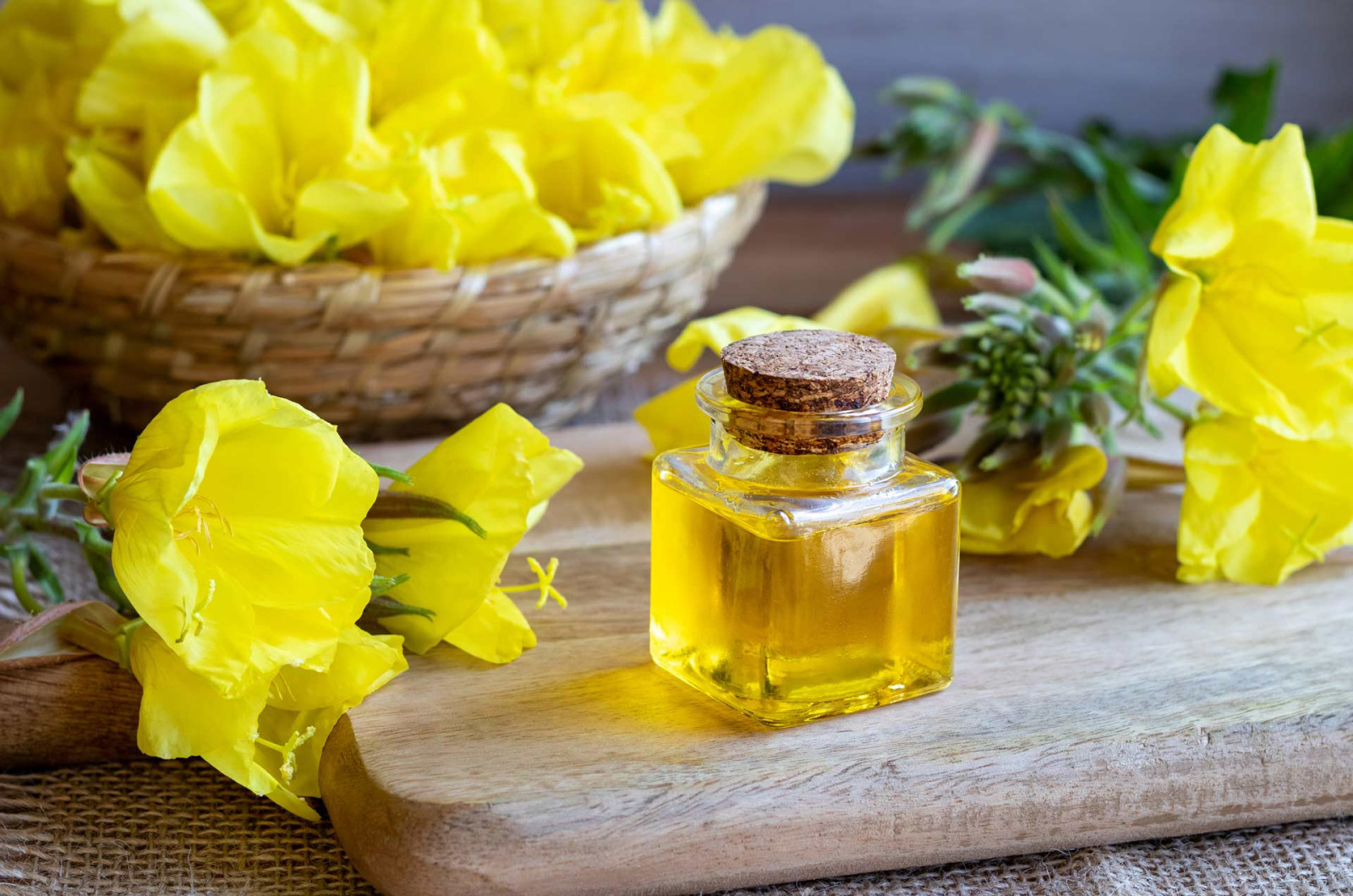
Figure 1: Evening primrose is a popular medicinal plant. Its oil is used, among other things, for various skin problems, menopausal and menstrual complaints.
As a natural medicinal plant, evening primrose is valued not only by the indigenous peoples of North America. Its valuable oil contains the high-quality unsaturated fatty acids linoleic acid and gamma-linolenic acid as well as vitamin E. In this blog article you will learn which complaints evening primrose oil is particularly often used for. In addition, you can find information about the available forms of administration and possible side effects of evening primrose oil.
Evening primrose: The fascinating medicinal plant in profile
Originally native to the tropics, evening primrose was introduced to Europe in the 17th century as an ornamental plant. Since then, several adapted species have also been growing here, usually flowering in high summer. The plant's name comes from a special characteristic: the bright yellow flowers only open within a short time at dusk. The petals then glow like candles in the dark and give off a sweet scent that attracts night-flying moths for pollination.
To benefit from the health-promoting effects of evening primrose, oil is pressed from the plant's seeds. A single flower spike produces around one hundred seeds. The common evening primrose (Oenothera biennis) is generally used for oil production. Before pressing, the black seeds are cleaned and dried. Gentle cold-pressing ensures that the valuable ingredients are preserved as well as possible. Evening primrose oil has a pale yellow colour and, due to its high fat content, a very oily consistency.
The valuable ingredients of evening primrose oil
Figure 2: In addition to the unsaturated fatty acids linoleic acid and gamma-linolenic acid, evening primrose oil also contains valuable plant compounds and vitamin E.
Evening primrose oil owes its reputation as an effective remedy primarily to its high concentration of unsaturated fatty acids. But the vitamins and plant compounds contained in the oil can also have a positive effect on health. Below we present the most important ingredients of evening primrose oil.
Linoleic acid
Evening primrose oil contains a very high proportion of linoleic acid, at 60 to 80 percent. This polyunsaturated omega-6 fatty acid is an important component of cell membranes and supports an intact skin barrier. Linoleic acid regulates the skin's moisture balance and at the same time protects it from external influences. It is an essential fatty acid that the body cannot synthesise itself and therefore must be obtained from the diet.
Gamma-linolenic acid
Apart from evening primrose oil, gamma-linolenic acid (GLA) is found in only a few oils (e.g. hemp oil). This triple-unsaturated omega-6 fatty acid contributes, among other things, to the maintenance of normal brain function. It is also frequently used for inflammatory skin conditions such as atopic dermatitis and psoriasis, as well as for inflammatory joint diseases because of its anti-inflammatory properties.
Vitamin E
Vitamin E, often called the "beauty vitamin", is especially known for its antioxidant effect. As an antioxidant it protects cells from free radicals. By counteracting the development of oxidative stress in the body, vitamin E makes the skin more resilient and helps prevent premature skin ageing.
Evening primrose oil: effects and common uses
Evening primrose oil is rightly highly regarded in naturopathy and skincare. Since the body is unable to produce linoleic acid and gamma-linolenic acid itself, supplementary intake can support many bodily functions. However, you should be patient if you decide to use evening primrose oil. It can take several weeks before the oil develops its effects and positive results become noticeable.
Atopic dermatitis
People with atopic dermatitis are thought to have too little gamma-linolenic acid in their blood serum. It is therefore hypothesised that supplying evening primrose oil could correct this deficiency and thus counteract atopic dermatitis. Indeed, several studies have found an improvement in the clinical symptoms of atopic dermatitis with evening primrose oil.[1] Typical symptoms such as itching were reduced, as were redness and flaking.
However, other researchers question the positive effects of evening primrose oil on atopic dermatitis. More conclusive studies are lacking. A meta-analysis examined 27 studies on the effectiveness of borage and evening primrose oil. In the studies considered, patients with atopic dermatitis were treated with borage or evening primrose oil for 3 to 24 weeks. Neither patient assessments nor physician evaluations showed a significant improvement compared with the placebo group.[2]
Dry, mature and impure skin
Evening primrose oil is considered a real wonder weapon for skin problems. As a study conducted in Switzerland showed, just 1.5 grams of evening primrose oil per day can have a positive effect on the skin's moisture content as well as on its elasticity and firmness.[3]
Due to its ability to normalise the skin's moisture balance, evening primrose oil is particularly beneficial for dry skin. But impure and damaged skin can also benefit from the oil's anti-inflammatory effect. Because of its high fat content, evening primrose oil is nourishing and relieves itching. The vitamin E it contains can counteract skin ageing accelerated by oxidative stress. For this reason, creams with evening primrose oil are also regarded as "anti-ageing boosters" and are often recommended for the care of mature skin.
Menopausal and menstrual complaints
Evening primrose oil is rich in plant hormones containing oestrogen and progesterone. These plant-derived hormones can partially balance a hormonal imbalance in the body, which is why they are often used for hormonal fluctuations.
It is suspected that taking evening primrose oil can reduce common menopausal symptoms such as hot flushes. However, the data are insufficient here as well. In some studies, an improvement in typical physical symptoms during the menopause was observed with evening primrose oil.[4]
In general, evening primrose oil is attributed a balancing effect on the hormone system. This can particularly benefit women who suffer from premenstrual syndrome (PMS). Linoleic acid and gamma-linolenic acid support the synthesis of prostaglandin E1, which can help to alleviate PMS symptoms.[5]
High blood pressure
In addition to skin, menstrual and menopausal complaints, high blood pressure is among the areas in which evening primrose oil is frequently used. The contained gamma-linolenic acid can lower blood pressure naturally. The unsaturated fatty acid can also have positive effects in the case of mildly elevated blood cholesterol levels.
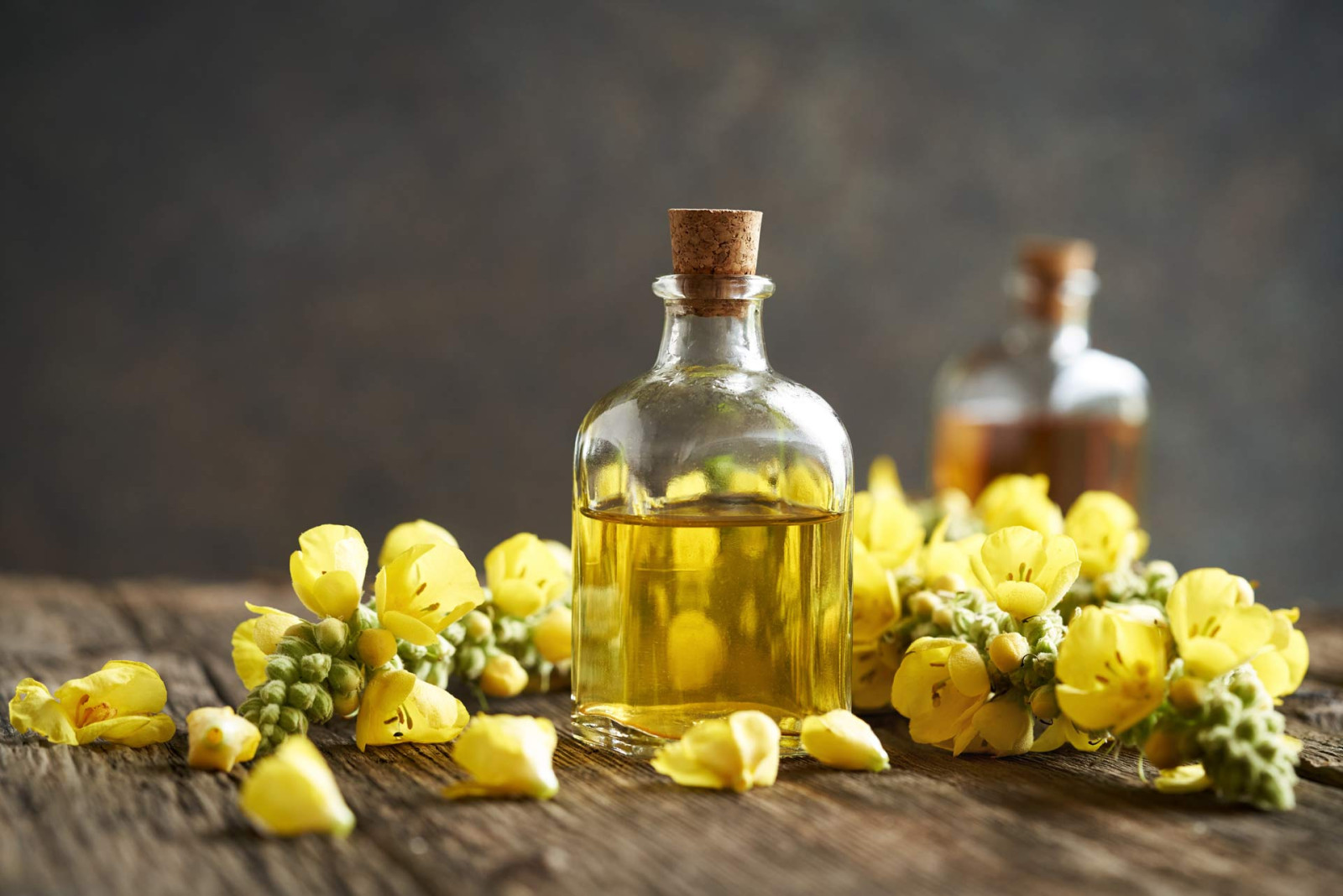
Figure 3: Among the most popular products with evening primrose oil are the pure oil as well as creams and evening primrose oil capsules.
Which forms of evening primrose oil are available?
Evening primrose oil is available in different forms. Which product you ultimately choose mainly depends on your personal preferences and the purpose of use.
Pure evening primrose oil is suitable for external use, for example for inflamed, dry or acne-prone skin. The pure oil can also be taken internally and used to refine salads, mueslis, smoothies, dips or marinades. When buying pure evening primrose oil, pay attention to the method of production. The Organic evening primrose oil from Unimedica contains only naturally pure, virgin and cold-pressed evening primrose oil from organic cultivation.
If you mainly want to use evening primrose oil for skincare, suitable creams and cosmetics are available. There is also evening primrose tea, which can be very soothing for gastrointestinal illnesses and coughs. However, some people find the taste of evening primrose and its oil an acquired taste. For these people, products such as the evening primrose oil capsules from Unimedica are ideal. The capsules are flavourless and contain 2000 mg evening primrose oil per daily dose, of which 200 mg is gamma-linolenic acid.
Combination preparations are also popular, in which other active ingredients are included alongside evening primrose oil. The Menopower* capsules from Unimedica contain an active ingredient complex specifically designed to accompany and gently support the transition into later years in a natural way. In addition to evening primrose oil, the capsules contain iron and B vitamins as well as valuable plant extracts, including wild yam, red clover, valerian and chaste tree.
How to use evening primrose oil correctly
Oil from evening primrose seeds can be used both internally and externally. Evening primrose oil capsules should usually be taken twice daily with sufficient liquid. The recommended daily dose is typically two to three grams. Your doctor can recommend an individually suitable dosage. Note, however, that evening primrose oil is a natural remedy that cannot replace medical treatment, although it can sensibly complement it.
If you want to do a course, you can take one teaspoon of evening primrose oil daily. Make sure to take it at the same time each day. If you find the oil's natural taste unpleasant, you can simply mix it into salads, smoothies or dressings. To preserve the valuable ingredients, evening primrose oil should not be heated.
Possible side effects of evening primrose oil
Evening primrose oil is generally considered safe and low in side effects. In individual cases, however, unwanted symptoms such as headaches and digestive problems may occur. As evening primrose can trigger epileptic seizures, the use of evening primrose oil is unsuitable for people with epilepsy. Pregnant and breastfeeding women should consult their doctor before using evening primrose oil or related products. The same applies if blood-thinning or anticoagulant medications are being taken. Due to the lack of clinical studies, evening primrose oil should also not be used by children under one year of age.
1] Chung BY, Park SY, Jung MJ, Kim HO, Park CW. Effect of Evening Primrose Oil on Korean Patients With Mild Atopic Dermatitis: A Randomized, Double-Blinded, Placebo-Controlled Clinical Study. Ann Dermatol. 2018 Aug. https://pubmed.ncbi.nlm.nih.gov/30065580/.
[2] Bamford JT, Ray S, Musekiwa A, van Gool C, Humphreys R, Ernst E. Oral evening primrose oil and borage oil for eczema. Cochrane Database Syst Rev. 2013 Apr 30. https://pubmed.ncbi.nlm.nih.gov/23633319/.
[3] Muggli R. Systemic evening primrose oil improves the biophysical skin parameters of healthy adults. Int J Cosmet Sci. 2005 Aug. https://pubmed.ncbi.nlm.nih.gov/18492193/.
[4] Safdari F, Motaghi Dastenaei B, Kheiri S, Karimiankakolaki Z. Effect of Evening Primrose Oil on Postmenopausal Psychological Symptoms: A Triple-Blind Randomized Clinical Trial. J Menopausal Med. 2021 Aug. https://pubmed.ncbi.nlm.nih.gov/34463069/.
[5] Mahboubi M. Evening Primrose (Oenothera biennis) Oil in Management of Female Ailments. J Menopausal Med. 2019 Aug. https://pubmed.ncbi.nlm.nih.gov/31497576/.
Figure 1: Madeleine Steinbach/Shutterstock.com; Figure 2: Shutterstock AI/Shutterstock.com; Figure 3: Madeleine Steinbach/Shutterstock.com

