
Figure 1: Primarily because of its key role in energy production, Q10 is essential for humans.
Coenzyme Q10 is present in all human cells and is essential for energy metabolism. In addition, this vitaminoid is relevant as an antioxidant. In this blog article you will learn about the main differences between the various forms of Q10. You will also find useful information on foods containing Q10 and on choosing a suitable dietary supplement with coenzyme Q10.
What is Coenzyme Q10?
Q10 is an endogenous, vitamin-like nutrient (a vitaminoid) that is particularly important for human energy metabolism. Accordingly, coenzyme Q10 occurs in especially high concentrations in organs that require a lot of energy to function. These include, for example, the heart, the kidneys, the liver and also muscle tissue.
Coenzyme Q10 is a fat-soluble molecule whose structure resembles vitamins K and E. For humans Q10 is not essential in the strict sense, because the body can synthesise the coenzyme itself. In addition to certain amino acids such as tyrosine and phenylalanine, all B-group vitamins are required for this.
However, with increasing age or an unbalanced lifestyle the body’s own Q10 production declines. Production can already start to decrease from around the age of 30. In 40-year-olds the Q10 level can drop by up to 30%, and in 80-year-olds by up to 80%. With increasing age it is therefore particularly important to ensure an adequate supply of Q10 through diet and, if necessary, through a suitable dietary supplement.
The difference between Q10, ubiquinone and ubiquinol
Figure 2: Ubiquinone and ubiquinol are two forms of Q10 with different properties and functions.
Ubiquinone and ubiquinol are two different forms of Q10. Both fulfil important functions in the body and can be converted into one another. Ubiquinol is the active, reduced form of the endogenous coenzyme Q10, while ubiquinone is the oxidised form of ubiquinol. While the oxidised ubiquinone is needed, among other things, to produce energy in the form of ATP (adenosine triphosphate), the reduced ubiquinol acts as an antioxidant. Q10 that is taken in through the diet or produced in the liver is present in the oxidised form (ubiquinone).
Function and effects of coenzyme Q10 in the body
As it is present in all human cells, Q10 is of central importance to the organism. Many vital processes only run smoothly if the coenzyme is available in sufficient amounts. Q10 is particularly relevant for the body areas and systems listed below.
Energy supply
In the mitochondria, the body’s “powerhouses”, Q10 acts like a spark for energy production. One can imagine the coenzyme as a kind of “ignition spark” that helps the body convert the energy obtained from food into ATP. This process of energy conversion is also known as the respiratory chain, in which, in addition to oxygen, certain enzymes, micronutrients and coenzyme Q10 are involved. In the case of a Q10 deficiency the body is no longer able to produce sufficient energy in the form of ATP, which is why the molecule is indispensable for the body’s energy supply.
Cell health
As a powerful antioxidant, Q10 has the ability to neutralise free radicals in the body. Harmful external influences such as cigarette smoke, alcohol, environmental toxins or UV radiation often lead to increased formation of free radicals. This can in turn cause oxidative stress, which may contribute to the development of diseases such as cardiovascular disease, diabetes, cancer or Alzheimer’s. Thanks to its antioxidant properties, Q10 can capture and neutralise free radicals before cell damage occurs.
Cell damage caused by free radicals also affects the appearance of the skin. When free radicals damage cells, accelerated cell ageing often becomes visible sooner or later as pale and wrinkled skin. As an antioxidant, Q10 can slow the process of skin ageing[1], which is why it is often used as an ingredient in cosmetics and anti-ageing products.
Immune system
To defend itself against viruses and bacteria the body needs sufficient energy. As already described, Q10 plays a key role in energy supply. A Q10 deficiency can therefore be associated with a weakened immune system and increased susceptibility to infections. Q10 not only supports the immune system through its anti-inflammatory properties but also helps, together with vitamin E, the so-called natural killer cells[2]. Killer cells destroy virus-infected cells and can thus play a crucial role in limiting the spread of viruses in the body.
Muscles and fat burning
Q10 can also have a positive effect on muscles and fat metabolism. As the coenzyme is heavily involved in the production of ATP in the mitochondria, Q10 is considered an energy supplier and is frequently supplemented by athletes. Further studies suggest that Q10 may even support weight loss. Consuming 90 mg per day is already sufficient to activate so-called UCPs (proteins in brown adipose tissue) and thus stimulate fat burning[3].
Which foods contain natural coenzyme Q10?
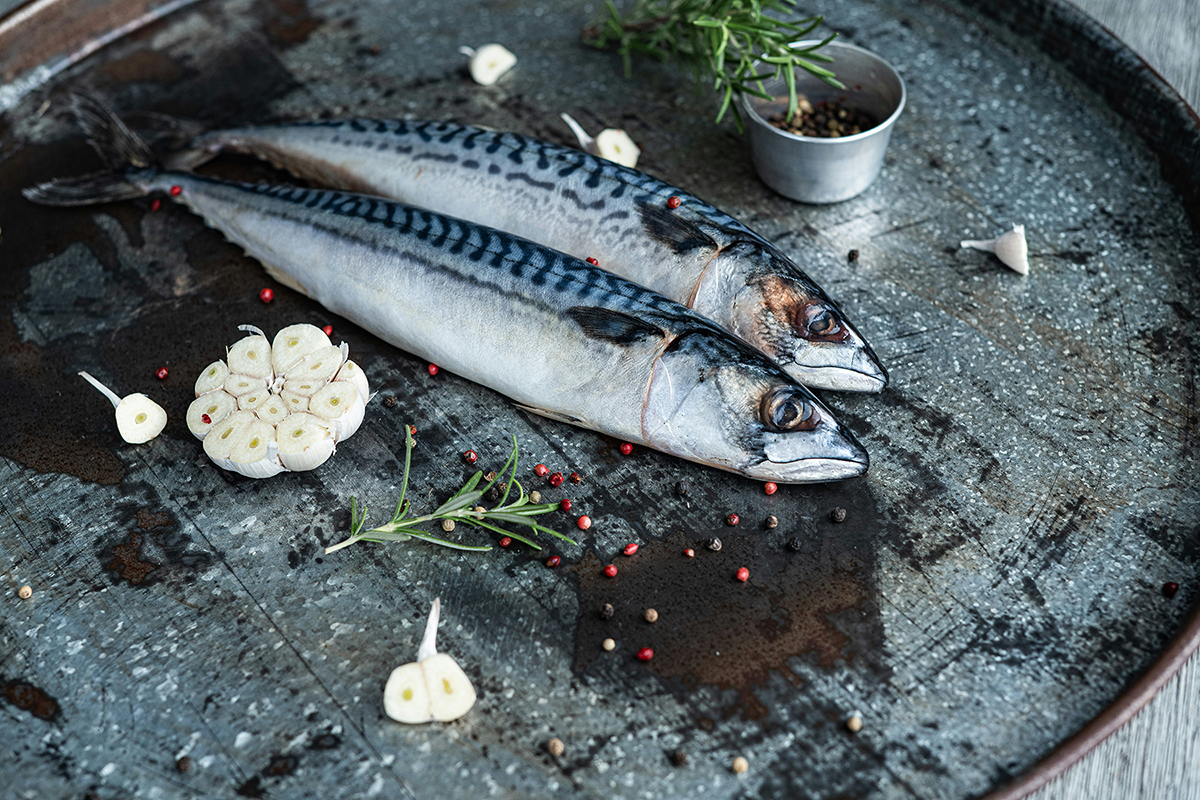
Figure 3: Animal products such as oily fish, meat and offal are among the richest Q10 sources.
A large proportion of an individual’s Q10 requirement is covered in healthy people by the Q10 produced by the body itself. Only a comparatively small amount of on average 3 to 6 mg per day is supplied additionally via the diet. Due to its fat solubility, coenzyme Q10 is mainly found in fatty foods and in animal products. These include, among others, oily fish (e.g. sardines), animal offal (e.g. pork heart, chicken liver) as well as pork and beef.
Since most plant foods contain relatively little Q10, people who follow a vegetarian or vegan diet may be more likely to be affected by a Q10 deficiency. Some good plant sources of Q10, however, are vegetable oils, nuts, soy, legumes and certain vegetables (e.g. broccoli, spinach).
Coenzyme Q10 as a dietary supplement
The requirement for coenzyme Q10 can vary widely. However, some groups of people should pay particular attention to an adequate Q10 supply. These include, among others, people over 40, whose Q10 production naturally declines steadily, as well as people who suffer from chronic stress and those who take cholesterol-lowering medications.
In addition to daily nutrition, coenzyme Q10 can be supplied through dietary supplements. Such products are commonly offered in the form of capsules, tablets or dragees. A typical daily dose of 200 mg coenzyme Q10 is also contained in the high-dose Coenzyme Q10 capsules from Unimedica and in the Coenzyme Q10 softgel capsules from Unimedica. If you follow a vegetarian or vegan diet, you should ensure that the product has a purely plant-based capsule shell.
For dietary supplements containing Q10 to work optimally, the bioavailability of the chosen product is also crucial. Coenzyme Q10 KANEKA Ubiquinol® from Unimedica contains the patented KANEKA branded active ingredient from Japan. This is currently the only bioidentical coenzyme Q10 available as a dietary supplement in the active form. KANEKA Ubiquinol is absorbed and processed by the body up to 10 times better than conventional Q10 products with ubiquinone, which is why it is very well bioavailable and highly effective.
Notes on taking coenzyme Q10
Q10-containing preparations can, depending on personal preference, be taken either in the morning or in the evening. It is generally recommended to swallow one capsule per day with plenty of water after breakfast or lunch. As Q10 is a fat-soluble substance, it is advisable to take the supplement with a little fat. Because the body cannot store Q10, continuous intake is recommended.
How much Q10 should be taken daily?
It is estimated that our organism requires about 500 mg of coenzyme Q10 daily. Ideally, this amount is largely covered by the body’s own production and by consuming Q10-rich foods. A Q10 deficiency requiring treatment and possible resulting deficiency symptoms are not known to date.
Overall, the data on supplementation with coenzyme Q10 are still insufficient. Further studies, for example on possible side effects of Q10 overdose, would be desirable. However, the Federal Institute for Risk Assessment (BfR) points out that, based on the current state of scientific knowledge, no health concerns are expected at a daily dose of 10 to 30 mg Q10[4].
If you are unsure whether or in what amount you should take Q10 as a dietary supplement, it is worth seeking medical advice. Your doctor can also carry out a blood test to determine Q10 concentration in whole blood.
[1] Q. Ayunin/Miatmoko, A./Soeratri, W. et al. Improving the anti-ageing activity of coenzyme Q10 through protransfersome-loaded emulgel. In: Sci Rep. 12. 2022.
[2] Ravaglia G et al. Effect of micronutrient status on natural killer cell immune function in healthy free-living subjects aged >/=90 y. Am J Clin Nutr. 2000 Feb.
[3] Cooke M et al. Effects of acute and 14-day coenzyme Q10 supplementation on exercise performance in both trained and untrained individuals. J Int Soc Sports Nutr. 2008 Mar.
[4] BfR: Coenzym Q10. https://www.bfr.bund.de/de/a-z_index/coenzym_q_10-5118.html (accessed: 11.04.2024).
Figure 1: Leohoho/unsplash.com; Figure 2: Planet Volumes/unsplash.com; Figure 3: Anita Austvika/unsplash.com

