
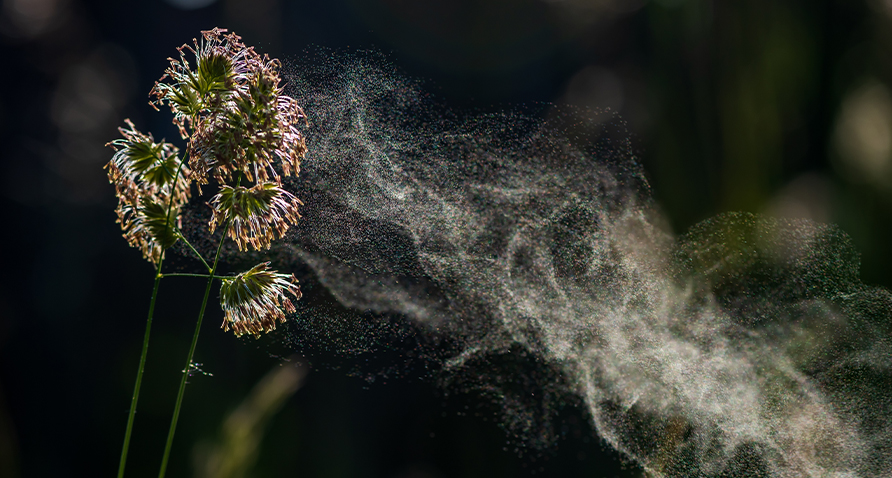
Figure 1: In spring and summer many people suffer from hay fever. Appropriate measures and home remedies can help prevent and relieve the symptoms.
As soon as nature awakens again in spring, many pollen allergy sufferers have to contend with hay fever. An overreaction of the immune system leads to annoying symptoms such as itchy, watery eyes, strong urges to sneeze or a runny nose. The good news: you can do something about it! In this blog article you will not only learn what a pollen allergy entails, but also receive 10 helpful tips to relieve hay fever symptoms naturally and to prevent high pollen exposure.
What is hay fever and how does it develop?
The start of spring is a reason for joy for most people: after the long winter months it finally gets warmer and flowers bloom everywhere. Those who suffer from hay fever usually do not look forward to spring with unalloyed pleasure. Airborne pollen can trigger an overreaction of the immune system, which defends itself by producing antibodies against otherwise harmless plant proteins. Such allergic reactions are particularly commonly triggered by certain trees (e.g. birch, hazel, alder and beech), sweet grasses, cereals (e.g. rye, wheat, barley) or herbs (e.g. sorrel, plantain).
In medical terminology, the pollen allergy commonly known as hay fever is referred to as allergic rhinitis. If left untreated, this can lead to allergic asthma in the long term. It is estimated that around 15 percent of people in Germany suffer from a pollen allergy. The severity of the seasonal allergy can vary greatly from person to person. For some people just a few pollen grains are enough to trigger a strong allergic reaction. Cigarette smoke, dust or air pollutants can worsen hay fever.
Typical symptoms of pollen allergy
A pollen allergy is often accompanied by a whole range of symptoms that can significantly reduce quality of life. The eyes, airways and general well-being are particularly affected. Typical hay fever symptoms include:
- itchy, burning and watery eyes
- redness and swelling of the eyelids
- blocked nose
- urge to sneeze
- coughing fits
- runny nose
- tiredness and exhaustion
- headaches
From nasal rinses to proper ventilation: 10 natural tips for hay fever
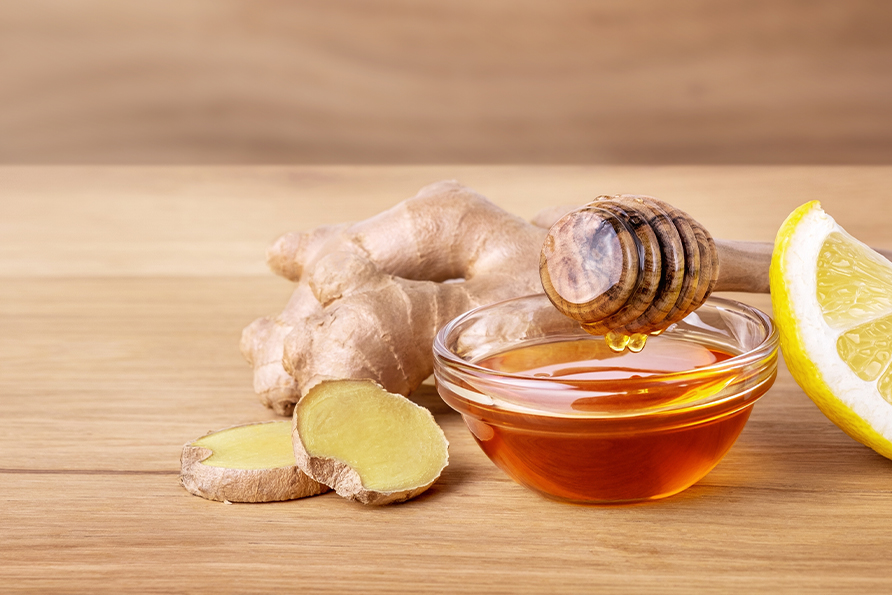
Figure 2: Natural methods for preventing and treating pollen allergy are often at least as effective as conventional hay fever medicines.
If you suffer from a pollen allergy, it is worth taking some measures by the start of the pollen season at the latest. To avoid or minimise troublesome hay fever symptoms, you should try to avoid the allergens you react to as far as possible. Medications such as antihistamines are often poorly tolerated and can have a sedative, i.e. sleep-inducing effect.[1] By contrast, naturopathic remedies generally act more gently and are less likely to cause side effects. Below we present some proven strategies with which you can prevent a pollen allergy and treat its symptoms naturally.
1. Pollen forecast calendar
People with a pollen allergy should regularly check the current pollen load during the season. This allows everyday outdoor activities to be better scheduled. Certain websites or pollen apps that display the pollen count index are good sources of information. In general, pollen dispersal is strongest in warm, dry weather and when it is windy. Pollen counts are usually particularly high during the day between 12:00 and 18:00. Allergic sufferers should also check the pollen forecast of their travel destination before going on holiday and, if possible, prefer regions with low pollen levels.
2. Proper ventilation and vacuuming
To keep as few pollen as possible from entering your home, you should ventilate only at times of low pollen levels, preferably using short bursts of ventilation. Depending on where you live, different time windows are suitable. In the city, early morning ventilation between 6am and 8am is usually the best option, while in rural areas airing between 7pm and midnight is recommended. In addition, you can install pollen protection screens on windows, which filter up to 90 percent of pollen from the air and thus reduce indoor pollen levels.
Other recommended measures to keep pollen out of the home include daily damp mopping of floors and vacuuming with a special filter. So-called HEPA filters are ideal for allergy sufferers because they not only trap virtually all pollen, mites and fine dust particles, but also prevent pollen from being stirred up and generally improve air quality. Carpets, upholstered furniture and mattresses should be vacuumed regularly in particular, as these areas tend to accumulate large amounts of pollen.
3. Nasal rinses
A nasal rinse is useful for flushing pollen and mucus out of the nose. For this you can, for example, use a saline solution made from one teaspoon of sea salt and 500 millilitres of lukewarm water. Use the nasal rinse by tilting your head slightly forward and to one side. Let the liquid flow into the upper nostril and out through the other nostril. Then gently blow your nose and repeat the process on the other side. During the pollen season the nasal rinse may be used twice daily (ideally morning and evening).
4. Eye compresses
Many people affected by hay fever complain of watery, itchy or inflamed eyes. A tried-and-tested home remedy that provides quick relief are eye compresses. For the simplest version, place a cloth soaked in cool water over the irritated eye area. Alternatively, a comfrey (eye-bright) compress can be used. For this application, pour one teaspoon of dried eye-bright herb over about 150 millilitres of boiling water. After a ten-minute steeping time, strain the mixture through a clean cloth or a coffee filter and let it cool to a comfortable temperature. Then soak a cloth in the tea and place it on the closed eyelids for ten to fifteen minutes.
5. Pollen-free night’s sleep
During pollen seasons, allergy sufferers often struggle with sleep problems. To avoid bothersome allergy symptoms at night, people with hay fever should wash their hair before going to bed. This removes pollen that may have become trapped in the hair during the day. It can also be sensible to remove clothing worn outdoors before entering the bedroom.
6. Anti-inflammatory diet
An eating pattern that reduces inflammation in the body can help to rebalance the immune system after an excessive immune reaction to pollen. Preventatively, it makes sense to include plenty of anti-inflammatory foods in your diet. Particular attention should be paid to adequate intake of antioxidants and vitamin C. The latter is regarded as a natural antihistamine and is found, among other foods, in broccoli, red peppers, citrus fruits, elderberries, spinach and parsley. In a study of Korean schoolchildren, increased vitamin C intake through diet was associated with a reduced frequency of hay fever symptoms.[2]
It is also advisable for hay fever sufferers to ensure an adequate intake of omega-3 fatty acids (e.g. linseed oil, oily fish such as salmon and mackerel, walnuts), as these also have potential anti-inflammatory and immune-modulating effects. Polyphenols and quercetin from onions, apples or green tea can block histamine release and thus help relieve hay fever. A diet aimed at reducing inflammation should also include fibre, as this strengthens the gut microbiome and thereby the immune system. Good sources of fibre include vegetables such as onions, garlic and artichokes as well as legumes, linseed and chia seeds or oats.
In the context of an anti-inflammatory diet you should particularly avoid sugar and highly processed foods. You should also refrain from fried foods that contain unhealthy trans fats and excessive alcohol consumption.
7. Honey and ginger
That honey could help with a pollen allergy may seem surprising at first. After all, the bees that produce honey are constantly exposed to various pollens. Many researchers actually suspect that regular consumption of honey could have effects similar to immunotherapy. Because the allergens in honey are present only in low doses, the body may gradually become accustomed to them without triggering an excessive immune response. However, larger clinical trials are needed to confirm this hypothesis. Apart from its potential immunomodulatory effect, honey also has antibacterial and anti-inflammatory properties that can soothe irritated mucous membranes and support the healing process overall.[3]
Ginger is also considered a true all-rounder among natural remedies. In addition to its anti-inflammatory effect, certain gingerols in ginger appear to be able to suppress the production of so-called T cells, which are often involved in the development of allergic reactions.[4]
8. Steam inhalation
Like nasal rinses, steam inhalation can clear blocked noses, moisturise the mucous membranes and flush pollen from the airways. In classic steam inhalation, the airways are also warmed by the water vapour, which can help reduce swelling and make breathing easier. To inhale steam, pour one litre of hot water into a bowl. Drape a towel over your head and inhale for about ten minutes. Breathe in deeply through your nose and out through your mouth. If desired and depending on your personal preferences, you can add natural additives to the water such as chamomile, thyme, sea salt or essential oils.
9. Acupuncture
In Traditional Chinese Medicine (TCM), acupuncture is used to harmonise the flow of energy (“Qi”) in the body and thereby relieve both physical and psychological complaints. Many people with hay fever report that treatment with the fine needles has helped them to relieve symptoms such as sneezing, itching or a blocked nose. However, studies to date have not been sufficient to conclusively prove this. A meta-analysis in the American Journal of Rhinology & Allergy does, however, conclude that acupuncture can be considered an alternative and safe treatment method for pollen allergy.[5]
10. The power of oils
In naturopathy, high-quality oils have long been used for therapeutic purposes. Oils such as lavender, sandalwood or ylang-ylang are said to have a relaxing and calming effect on the nerves. For hay fever, black seed oil has proven particularly effective due to its anti-asthmatic and anti-allergic properties. In one study, rhinitis patients received either black seed oil or regular oil as nasal drops over six weeks. After the study period, as many as 92 percent of the patients in the black seed oil group were free of symptoms, whereas this was the case for only 30 percent of participants in the control group.[6]
Disclaimer
This article does not replace treatment by a qualified practitioner. The basis of this article is studies and current literature. It must not be used for self-diagnosis or self-treatment. If necessary, discuss any ideas from this article with a practitioner you trust.
About the author
Katharina Korbach regularly writes blog posts about medicinal plants and natural active ingredients for the Narayana Verlag. She began taking an interest in language and writing her own literary texts at an early age. A serious illness during her final school year prompted an intensive engagement with health and nutrition topics that continues to this day. After repeated failures of conventional medical treatment methods, she opted for a more self-effective, naturopathic therapeutic approach. A plant-based diet was a major key on her path to recovery.
Katharina studied Cultural Studies (B.A.) and Applied Literary Studies (M.A.). In 2022 she published her debut novel “Sperling” with Berlin Verlag. She now lives in Berlin as a freelance author, medical editor and lecturer. She prefers to spend her free time with friends or doing barre training. She also loves travelling and trying out new vegan recipes.
[1] Li L, Liu R, Peng C, Chen X, Li J. Pharmacogenomics for the efficacy and side effects of antihistamines. Exp Dermatol. 2022 Jul. https://pubmed.ncbi.nlm.nih.gov/35538735/.
[2] Seo JH, Kwon SO, Lee SY, Kim HY, Kwon JW, Kim BJ, Yu J, Kim HB, Kim WK, Jang GC, Song DJ, Shim JY, Oh SY, Hong SJ. Association of antioxidants with allergic rhinitis in children from seoul. Allergy Asthma Immunol Res. 2013 Mar. https://pubmed.ncbi.nlm.nih.gov/23450181/.
[3] Asha'ari ZA, Ahmad MZ, Jihan WS, Che CM, Leman I. Ingestion of honey improves the symptoms of allergic rhinitis: evidence from a randomized placebo-controlled trial in the East coast of Peninsular Malaysia. Ann Saudi Med. 2013 Sep-Oct. https://pmc.ncbi.nlm.nih.gov/articles/PMC6074882/.
[4] Kawamoto Y, Ueno Y, Nakahashi E, Obayashi M, Sugihara K, Qiao S, Iida M, Kumasaka MY, Yajima I, Goto Y, Ohgami N, Kato M, Takeda K. Prevention of allergic rhinitis by ginger and the molecular basis of immunosuppression by 6-gingerol through T cell inactivation. J Nutr Biochem. 2016 Jan. https://pubmed.ncbi.nlm.nih.gov/26403321/.
[5] Feng S, Han M, Fan Y, Yang G, Liao Z, Liao W, Li H. Acupuncture for the treatment of allergic rhinitis: a systematic review and meta-analysis. Am J Rhinol Allergy. 2015 Jan-Feb. https://pubmed.ncbi.nlm.nih.gov/25590322/.
[6] Alsamarai AM, Abdulsatar M, Ahmed Alobaidi AH. Evaluation of topical black seed oil in the treatment of allergic rhinitis. Antiinflamm Antiallergy Agents Med Chem. 2014 Mar. https://pubmed.ncbi.nlm.nih.gov/23855426/.
Figure 1: krstrbrt/shutterstock.com ; Figure 2: Olesia Bech/shutterstock.com
27 March 2025

