
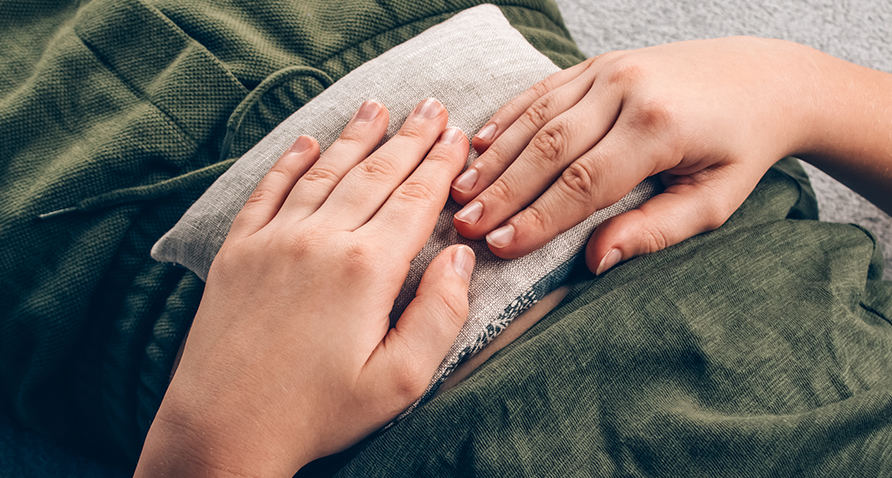
Figure 1: Some methods of heat therapy are suitable both for medical use and for private use at home. We explain what distinguishes each method and which complaints can benefit from heat applications.
Popular heat applications such as peat packs, infrared light, the classic hot water bottle or cherry-stone cushions have a relaxing effect and can relieve pain. In this blog article you will not only learn which complaints heat therapy is commonly used for, but also how heat exerts its effects in the body. In a comprehensive overview you will get to know four of the most frequently used heat applications and find out how best to use the healing power of heat for your health.
What is meant by heat therapy?
Heat has been used for centuries in many cultures to relieve pain and promote relaxation. Well-known examples include the Finnish sauna and the Turkish hammam. In Japan, hot thermal springs, so-called onsen, are known for their healing properties. The minerals contained in these springs have anti-inflammatory effects and are particularly beneficial for muscle and joint complaints. In Ayurveda, heat is used, among other forms, in oil massages where medicinal herbs are warmed and applied to tense areas of the body.
In today’s Western world, heat therapy is classified under thermotherapy. The term “thermotherapy” encompasses both invasive and non-invasive medical treatments in which heat or cold is used deliberately to relieve pain, improve circulation and support healing processes. Heat applications such as peat and mud packs are very often used in combination with physiotherapy, manual therapy or chiropractic exercises. Heat therapy typically uses moderate temperatures (around 40 °C) over a longer period. Besides medical applications, there are also forms of heat therapy (e.g. hot water bottles and cherry-stone cushions) that are particularly well suited for self-treatment at home.
For which complaints is heat therapy useful?
While cold therapy is primarily suitable for treating acute complaints, heat therapy is generally used only for non-inflammatory conditions. Common indications include:
- muscle tension
- stiff neck
- back pain
- osteoarthritis and other joint complaints
- menstrual pain
- abdominal cramps
- chronic pain
- circulatory disorders
- stress and mental tension
When muscles become severely tense, their blood supply worsens. This sets off a vicious circle in which reduced circulation leads to a fall in pH. As a result, the tissue becomes more acidic (tissue acidosis), which typically causes further pain and tension as well as fatigue and reduced performance. To prevent a worsening of muscle tension and to counteract it, heat therapy is well suited. Heat dilates the blood vessels and stimulates circulation again. This also helps to regulate metabolism in the tissue so that acidosis does not occur.
As several small studies show, heat therapy can sometimes have a positive effect on mental illnesses. For example, in a US study a whole-body heat treatment in patients with depression led to a lasting improvement in mood.[1] The researchers conclude that whole-body hyperthermia is a safe and rapidly acting treatment method with a long-term therapeutic effect in depression. At the same time, they point out that larger clinical trials are needed to confirm the possible positive effects of heat therapy on depression.
What health benefits do heat treatments offer?
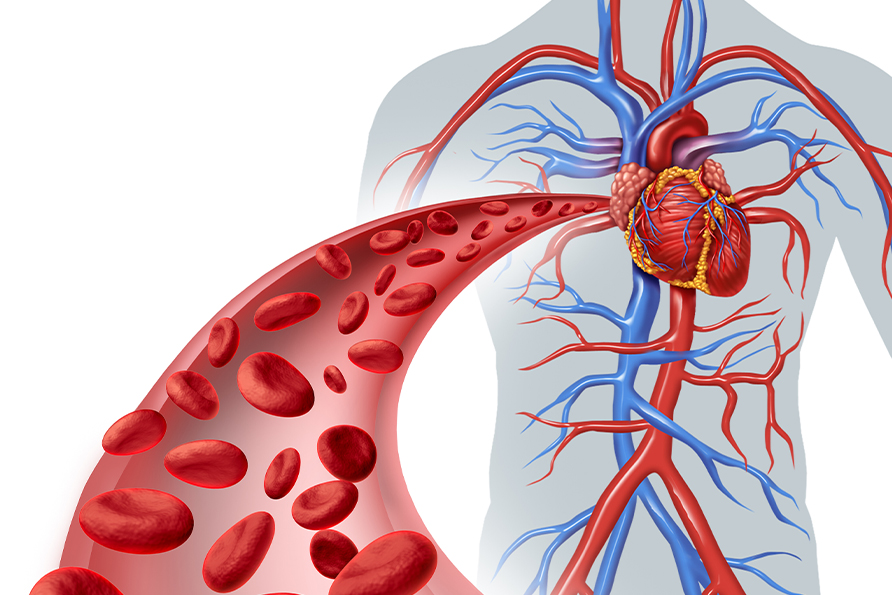
Figure 2: Heat therapy can influence the metabolism as well as the regenerative capacity and mobility of certain areas of the body.
If applied correctly and in a targeted way, heat treatments can have a wide range of positive effects on physical and mental well‑being. The primary aim of heat therapy is always to stimulate the body’s potentially health-promoting responses to heat. Below we have summarised the most important basic principles of heat therapy for you.
Heat therapy …
- … promotes circulation: Heat causes the blood vessels in the body to dilate and stimulates blood flow.
- … supports metabolism: Improved circulation also speeds up metabolism. This allows metabolic waste products to be transported away more easily and reduces inflammation in the long term. A better metabolism also contributes to strengthening the immune system.
- … speeds up healing processes: Not only the removal of unwanted substances, but also the transport of helpful enzymes is facilitated by vasodilation. This means enzymes and other healing-promoting substances reach the affected areas more quickly and damaged tissue can regenerate faster.
- … improves mobility: When muscles relax, the muscle fibres become more supple and overall mobility improves.
- … relieves pain: As the tissue loosens and tension decreases, associated pain usually diminishes as well. The pain-relieving effect of heat applications also works through another, fascinating mechanism: when a heat stimulus is applied it competes with pain signals for neural transmission. Overall, fewer pain signals reach the brain and the perception of pain decreases.
- … contributes to relaxation: In addition to muscle relaxation, heat also has a calming effect on the autonomic nervous system. Stress hormones such as cortisol are reduced and neurotransmitters such as endorphins are released. Endorphins elevate mood by promoting the release of the “feel-good” hormones serotonin and dopamine.
From hot water bottle to infrared: Four popular heat applications compared
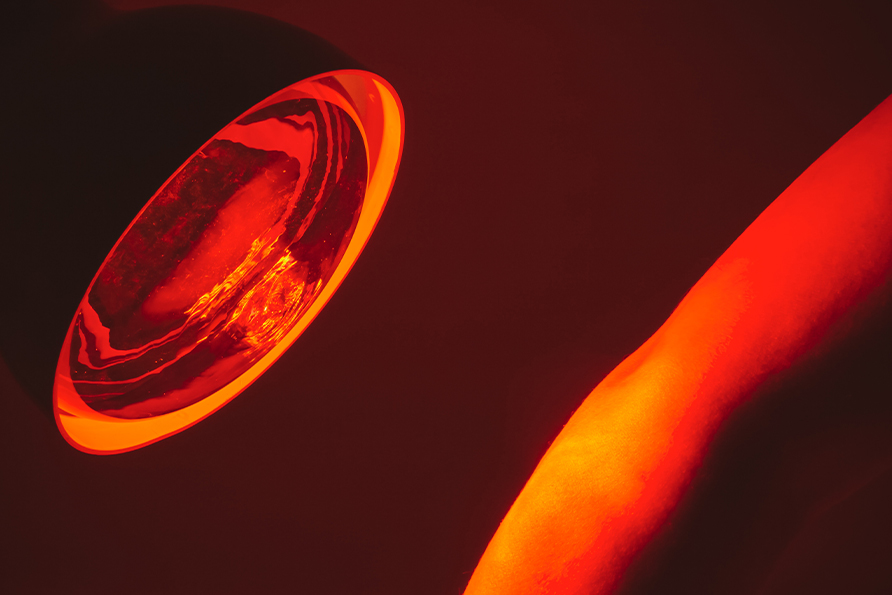
Figure 3: The various available heat applications differ, among other things, in the type, duration and intensity of heat delivery.
There are various ways to use the healing power of heat. Which heat application is best for you depends, among other things, on the intended use, your general state of health and your personal preferences. The different methods of heat therapy also differ in their intensity and in the way heat is delivered. While, for example, peat packs generate long-lasting deep heat, the warming effect of a cherry-stone cushion is more superficial and shorter-lived. Below we present four popular heat applications with their key characteristics.
Peat packs
Peat and mud packs have been used since antiquity in European spa towns, especially in Germany, Austria and the Czech Republic. In the classic treatment, peat packs are warmed to over 40 degrees and applied locally to the affected areas of the body. The heat stored in the peat pack is then released gradually and evenly. Peat contains numerous valuable bioactive components, including many minerals, trace elements and plant antioxidants that can support the healing process. Particularly noteworthy are the humic acids contained in peat, which, due to their anti-inflammatory effects, are especially effective in conditions such as rheumatism or osteoarthritis.
A systematic review that compared several studies conducted between 2000 and 2020 found that peat therapy can have promising positive effects in osteoarthritis. Because of their synergistic effects, the authors of the study recommend that peat therapy for patients with arthritis should always be combined with other proven treatments such as physiotherapy.[2] In addition, peat packs are frequently used for muscle tension, chronic pain and skin problems. The major advantages of this heat application are its very long heat duration and its deep-acting effect.
Infrared
Unlike most other heat therapy methods, infrared light application does not require direct skin contact. Nevertheless, the heat penetrates into deep tissue layers and effectively promotes circulation and regeneration. The strongest natural source of infrared is the sun. Devices such as infrared lamps or cabins imitate its warming effect through electromagnetic radiation. When infrared radiation hits body tissue, molecules are set into vibration and heat is generated. The main indications for infrared light include back pain and muscle tension.
Among infrared lamps there are numerous portable and lightweight models that can be used flexibly and directed at specific body areas. For private use, however, you should be careful not to expose the light for too long, to keep a distance of 30 to 50 centimetres from the lamp and not to increase the temperature too much. Otherwise there is a risk of burns.
Hot water bottle
Especially in the cold season many people like to relax with a cup of tea and a hot water bottle. A hot water bottle is inexpensive and can be used flexibly for complaints such as abdominal pain, bloating, menstrual cramps, muscle pain or cystitis. Most hot water bottles are made of plastic, filled with hot water and then applied to the affected area. Make sure not to bring the water to the boil for the hot water bottle or to let it cool for a few minutes after heating. This not only prolongs the life of the hot water bottle but also helps to prevent burns. Additionally, a cloth can be wrapped around the hot water bottle before use and removed once the water temperature has dropped sufficiently. In contrast to deep-acting methods such as peat packs or infrared light, the hot water bottle provides superficial heat and cools comparatively quickly.
Cherry-stone cushion
Like the hot water bottle, a cherry-stone cushion only provides superficial heat. Its gentle and natural heat release is ideal for people with sensitive skin and for children. For mild tension and cold hands or feet, a cherry-stone cushion can provide quick relief. It is therefore one of the most popular heat applications used privately. If needed, the cherry-stone cushion can be heated quickly and easily in the microwave or oven and then provides pleasant, localised warmth. Another advantage is that a cherry-stone cushion is better able than a hot water bottle to conform to individual body shapes. Consequently, cherry-stone cushions can also be used wonderfully as warming neck rolls to help relieve tension in the neck and shoulder area.
Who should avoid heat applications?
Despite the many benefits described, heat therapy is not equally suitable for everyone and for all complaints. Heat should be avoided in acute inflammations and infections because the increased circulation can exacerbate inflammatory processes. Heat therapy is also not recommended for people with cardiovascular diseases, circulatory disorders and vascular diseases. During pregnancy, strong or too frequent heat applications can stress the circulation and even trigger premature labour. People with sensory disorders such as polyneuropathy should also be cautious, as they may not fully perceive heat in certain body areas, which can sometimes lead to burns.
Disclaimer
This article does not replace treatment by a qualified therapist. The basis of this contribution is studies and current literature. It must not be used for self-diagnosis or self-treatment. If applicable, discuss any ideas from this article with a therapist you trust.
Biography
Katharina Korbach regularly writes blog posts on medicinal plants and natural active ingredients for the Narayana Verlag. She became interested in language early on and began writing her own literary texts. A serious illness during her A‑level years led to an intensive engagement with health and nutrition topics that continues to this day. After repeated failures of conventional medical treatments, she opted for a more self‑empowering, naturopathic therapeutic approach. A plant‑based diet was a key element in her healing journey.
Katharina studied Cultural Studies (B.A.) and Applied Literary Studies (M.A.). In 2022 she published her debut novel “Sperling” with Berlin Verlag. She now lives in Berlin as a freelance author, medical editor and lecturer. She spends her free time preferably with friends or at barre training. She also loves to travel and try out new vegan recipes.
[1] Janssen CW, Lowry CA, Mehl MR, Allen JJ, Kelly KL, Gartner DE, Medrano A, Begay TK, Rentscher K, White JJ, Fridman A, Roberts LJ, Robbins ML, Hanusch KU, Cole SP, Raison CL. Whole-Body Hyperthermia for the Treatment of Major Depressive Disorder: A Randomized Clinical Trial. https://pubmed.ncbi.nlm.nih.gov/27172277/.
[2] Maier GS, Rosar G, Dietz G, Hemken N, Kafchitsas K, Seeger JB, Horas K. Effectiveness of Mud-Pack Therapy and Mud-Bath Therapy in Osteoarthritis: A Systematic Review. Complement Med Res. 2024. https://pubmed.ncbi.nlm.nih.gov/38008065/.
Figure 1: Iryna Mylinska/shutterstock.com ; Figure 2: Lightspring/shutterstock.com ; Figure 3: Sanem Ozkan/shutterstock.com
03.04.2025

