
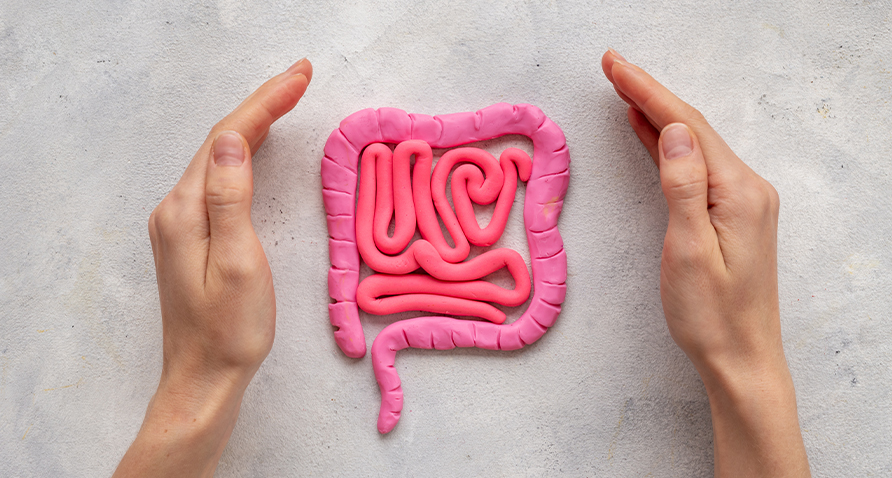
Figure 1: Lifestyle changes offer effective ways to prevent colorectal cancer.
Colorectal cancer is one of the most common cancers worldwide. Especially in Western countries, the incidence of colorectal cancer is relatively high.[1] The good news: colorectal cancer is a type of cancer against which preventive measures can be taken. Many risk factors can be positively influenced by lifestyle.[2] Holistic colorectal cancer prevention is therefore of great societal importance. In the following article we address possible approaches to the prevention of colorectal cancer.
If we first consider what promotes the development of colorectal cancer, the first possibilities for holistic prevention can be derived from these insights. Further prevention options arise from examining potentially health-promoting aspects that may protect against or counteract colorectal cancer.
Avoidance of harmful substances
As with many other diseases, smoking is also a risk factor for the development of colorectal cancer. Smokers have a twofold increased risk of adenomas in the colon and an increased risk of colorectal cancer. Excessive alcohol consumption is also correlated with the occurrence of colorectal cancer. Low or no alcohol consumption leads to a significantly lower risk of colorectal cancer, which is why limiting alcohol intake is desirable.2,[3]
Normal weight as a protective factor
Furthermore, being overweight is one of the main risk factors for colorectal cancer. The rule is: the greater the overweight, the higher the risk of developing colorectal cancer. For this reason, it is sensible for colorectal cancer prevention to maintain a healthy body weight or, if necessary, aim for weight reduction. In addition to reducing inflammation and hormonal imbalances, a healthy body weight contributes to overall metabolic health and a stable gut microbiota – essential factors for cancer prevention.2,3

Figure 2: A healthy lifestyle includes maintaining a healthy body weight.
Physical activity as prevention
Another effective measure for colorectal cancer prevention is exercise. According to scientific guidelines, regular physical activity can reduce the risk of colorectal cancer while inactivity is a risk factor.2 A high level of physical activity leads to fewer colon polyps, a precursor to colorectal cancer, and up to a 30% lower risk of colorectal cancer. Moderate physical activity lasting 30 to 60 minutes per day can already reduce the risk of colorectal cancer.3 The timing of physical activity may also play a role in prevention. The greatest reduction in colorectal cancer risk was observed with exercise in the morning and evening, resulting in an 11% reduction in risk. Morning and evening activity proved more advantageous compared with activity in the middle of the day or at night. These findings came from a study at the University of Regensburg, which were independent of the presence of other risk factors.[4]
Polyphenols – natural helpers in colorectal cancer prevention
Polyphenols are health-promoting plant compounds that positively affect gut health and possess anti-inflammatory and anticancer properties. They are therefore considered valuable support in the prevention of colorectal cancer.
These secondary plant compounds are found in a wide variety of foods, including spices, tea, nuts, and fruits and vegetables. Polyphenols exert their health-promoting effects in part through their antioxidant properties, thereby protecting against cellular damage. Another mechanism is the positive influence on the gut microbiota. Certain polyphenols support the growth of beneficial gut bacteria, inhibit harmful microbes and thus positively affect the composition of the gut microbiota. A healthy gut microbiota, in turn, has numerous health-promoting properties.[5]
Some of these polyphenols already show promising preliminary research results regarding their preventive effects.
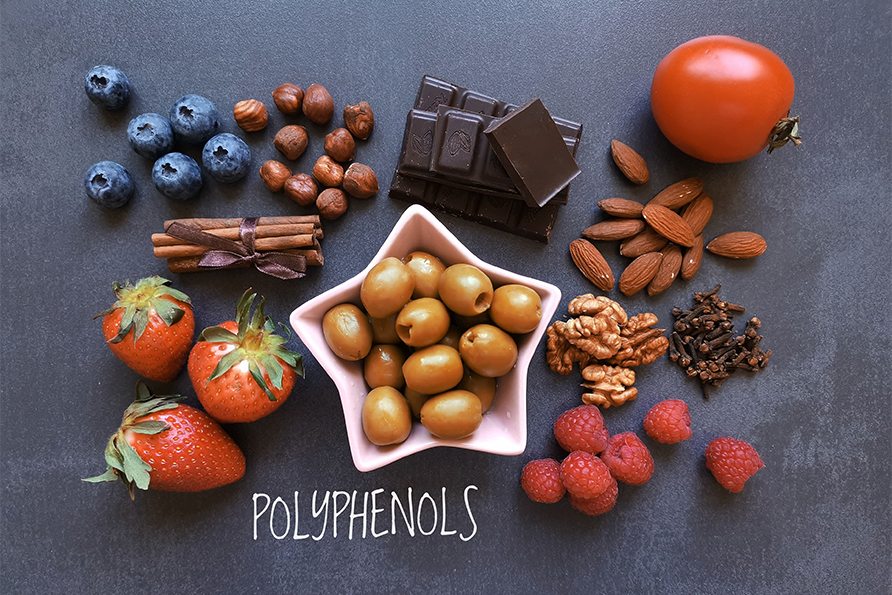
Figure 3: Polyphenols are true powerhouse agents for a healthy gut.
Anthocyanins – colourful plant compounds with powerful effects
Anthocyanins are secondary plant compounds belonging to the flavonoids, a subgroup of polyphenols, and could also be used in the prevention of colorectal cancer. They are plant pigments that give flowers and fruits an intense red, purple or blue colour and have antioxidant effects. They are found, among other foods, in purple aubergines, berries, red onions, purple potatoes and other fruits and vegetables. Epidemiological studies have shown an association between high anthocyanin intake and a lower risk of colorectal cancer. By interfering with the cell cycle and promoting programmed cell death of cancer cells, these plant pigments can inhibit colorectal cancer. It has also been shown that anthocyanins can induce autophagy. In this process, cells are cleansed, regenerated and renewed, which protects cells from becoming cancerous and thus suppresses tumour formation.[6]
“EAT THE RAINBOW” – colourful eating for holistic colorectal cancer prevention
Overall, a wide variety of foods not only supports the intake of different polyphenols but is also beneficial for holistic colorectal cancer prevention. A colourful and varied diet could, according to a 2024 scientific study, be associated with a lower risk of colorectal cancer and lower cancer mortality. Particularly beneficial is the consumption of colourful fruits and vegetables, as they contain a variety of valuable plant compounds.[7] In addition, an intake of sufficient fibre (around 30 grams per day) together with a balanced diet is recommended for the prevention of colorectal cancer. Fibre not only promotes digestion but also acts as a prebiotic that supports the growth of health-promoting gut bacteria. A well-balanced gut microbiota can favour anti-inflammatory processes and strengthen the gut barrier, which contributes to cancer prevention in the long term. Furthermore, a reduced intake of red meat and especially processed meat products may be advisable, as these can promote inflammatory processes and thus the development of cancer.2,3 In addition, trans fatty acids are considered particularly harmful to health. These are found, among other things, in hardened vegetable fats, fried foods, oils heated too high or highly processed products.[8]
A colourful, varied, minimally processed and plant-rich diet can therefore be an important component of colorectal cancer prevention. Those who consciously incorporate a wide variety of natural foods into their diet benefit from their protective effects against cancer and support overall health.
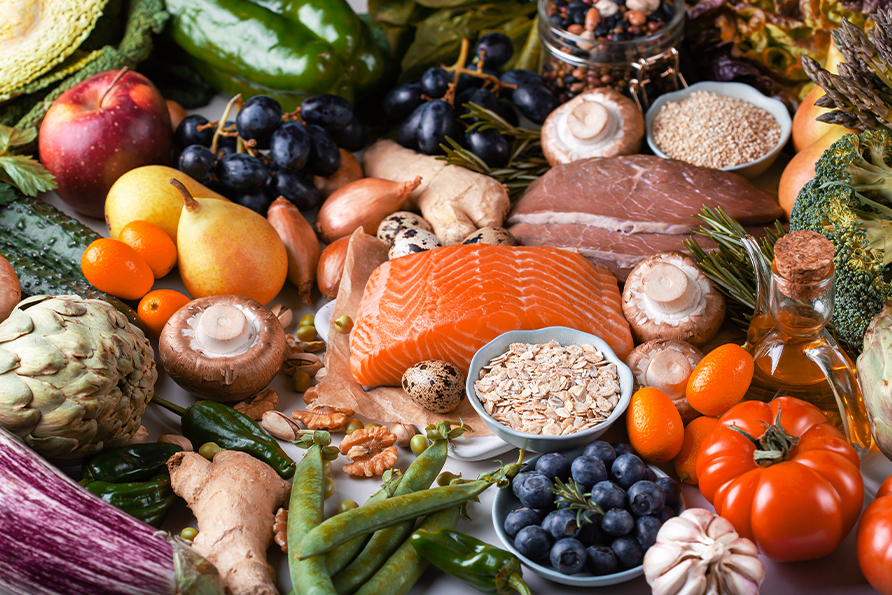
Figure 4: A wide variety of foods serves not only general health but also colorectal cancer prevention.
Early detection enables timely intervention and improves chances of cure
Colorectal cancer usually develops slowly over the years. This opens up the possibility of detecting and treating colorectal cancer at an early stage through screening measures. This reduces the mortality rate. Suitable screening measures, according to scientific papers, are a colonoscopy every 10 years and annual immunological stool tests.[9] According to the Cancer Information Service, these examinations are recommended in Germany from the age of 50 (or colonoscopy for women from 55) and are covered by health insurance.[10]
Conclusion
Prevention of colorectal cancer is therefore far more than a single measure – it requires a combination of various health-promoting lifestyle factors. A colourful, plant-rich diet, regular exercise, normal weight and avoidance of harmful substances are effective strategies for holistic colorectal cancer prevention. A holistic approach can help maintain long-term health and effectively reduce the risk of colorectal cancer.
Disclaimer
This article does not replace treatment by a qualified therapist. The basis of this article is studies and current literature. It must not be used for self-diagnosis or self-treatment. Discuss any inspirations from this article with a therapist you trust, if necessary.
Biography
Vivian Zajac is a trained health educator (B.Sc.) and a trainee naturopath with a special focus on holistic health and prevention. In a further training course to become a gut health consultant, she devoted herself to her passion for gut health in 2022. In her free time she also engages intensively with topics around health, naturopathy and biohacking, acquires knowledge and repeatedly tries out new things herself. Methods such as breathwork, ice bathing, strength training, healthy nutrition and an optimal supply of micronutrients are a fixed part of her life. Vivian Zajac not only loves to continuously optimise her own health but also to pass on her knowledge and enthusiasm – both privately and professionally. For her
[1] Klimeck L, Heisser T, Hoffmeister M, Brenner H. Colorectal cancer: A health and economic problem. Best Pract Res Clin Gastroenterol. 2023 Oct;66:101839. doi: 10.1016/j.bpg.2023.101839. Epub 2023 May 23. PMID: 37852707. https://www.sciencedirect.com/science/article/abs/pii/S1521691823000197?via%3Dihub Accessed on: 07.03.2025.
[2] Brenner H, Chen C. The colorectal cancer epidemic: challenges and opportunities for primary, secondary and tertiary prevention. Br J Cancer. 2018 Oct;119(7):785-792. doi: 10.1038/s41416-018-0264-x. Epub 2018 Oct 4. PMID: 30287914; PMCID: PMC6189126. https://pmc.ncbi.nlm.nih.gov/articles/PMC6189126/ Accessed on: 03.03.2025.
[3] Leitlinienprogramm Onkologie (Deutsche Krebsgesellschaft, Deutsche Krebshilfe, AWMF): S3-Leitlinie Kolorektales Karzinom, Langversion 2.1, 2019, AWMF Registrierungsnummer: 021/007OL. Accessed on: 03.03.2025.
[4] Stein MJ, Baurecht H, Bohmann P, Fervers B, Fontvieille E, Freisling H, Friedenreich CM, Konzok J, Peruchet-Noray L, Sedlmeier AM, Leitzmann MF, Weber A. Diurnal timing of physical activity and risk of colorectal cancer in the UK Biobank. BMC Med. 2024 Sep 18;22(1):399. doi: 10.1186/s12916-024-03632-4. PMID: 39289682; PMCID: PMC11409794. https://pmc.ncbi.nlm.nih.gov/articles/PMC11409794/ Accessed on: 03.03.2025.
[5] Yang, G., Bibi, S., Du, M., Suzuki, T., & Zhu, M.-J. (2016). Regulation of the intestinal tight junction by natural polyphenols: A mechanistic perspective. Critical Reviews in Food Science and Nutrition, 57(18), 3830–3839. https://pubmed.ncbi.nlm.nih.gov/27008212/ Accessed on: 03.03.2025.
[6] Wang X, Yang DY, Yang LQ, Zhao WZ, Cai LY, Shi HP. Anthocyanin Consumption and Risk of Colorectal Cancer: A Meta-Analysis of Observational Studies. J Am Coll Nutr. 2019 Jul;38(5):470-477. doi: 10.1080/07315724.2018.1531084. Epub 2018 Dec 27. PMID: 30589398. https://pubmed.ncbi.nlm.nih.gov/30589398/ Accessed on: 03.03.2025.
[7] Huybrechts I, Chimera B, Hanley-Cook GT, Biessy C, Deschasaux-Tanguy M, Touvier M, Kesse-Guyot E, Srour B, Baudry J, Berlivet J, Casagrande C, Nicolas G, Lopez JB, Millett CJ, Cakmak EK, Robinson OJK, Murray KA, Schulze MB, Masala G, Guevara M, Bodén S, Cross AJ, Tsilidis K, Heath AK, Panico S, Amiano P, Huerta JM, Key T, Ericson U, Stocks T, Lundblad MW, Skeie G, Sacerdote C, Katzke V, Playdon MC, Ferrari P, Vineis P, Lachat C, Gunter MJ. Food biodiversity and gastrointestinal cancer risk in nine European countries: Analysis within a prospective cohort study. Eur J Cancer. 2024 Oct;210:114258. doi: 10.1016/j.ejca.2024.114258. Epub 2024 Aug 3. PMID: 39168001. https://pubmed.ncbi.nlm.nih.gov/39168001/ Accessed on: 03.03.2025.
[8] Song M, Garrett WS, Chan AT. Nutrients, foods, and colorectal cancer prevention. Gastroenterology. 2015 May;148(6):1244-60.e16. doi: 10.1053/j.gastro.2014.12.035. Epub 2015 Jan 6. PMID: 25575572; PMCID: PMC4409470. https://pubmed.ncbi.nlm.nih.gov/25575572/ Accessed on: 13.03.2025.
[9] Jacobsson M, Wagner V, Kanneganti S. Screening for Colorectal Cancer. Surg Clin North Am. 2024 Jun;104(3):595-607. doi: 10.1016/j.suc.2023.11.009. Epub 2023 Dec 14. PMID: 38677823. https://www.sciencedirect.com/science/article/abs/pii/S0039610923002001?via%3Dihub Accessed on: 03.03.2025.
[10] German Cancer Research Center in the Helmholtz Association. Cancer Information Service. Colorectal cancer screening. 11.08.2021. https://www.krebsinformationsdienst.de/darmkrebs/frueherkennung Accessed on: 03.03.2025.
Figure 1: 9dream studio/shutterstock.com ; Figure 2: Izf/shutterstock.com ; Figure 3: Danijela Maksimovic/shutterstock.com ; Figure 4: Antonina Vlasova/shutterstock.com
07.04.2025

