
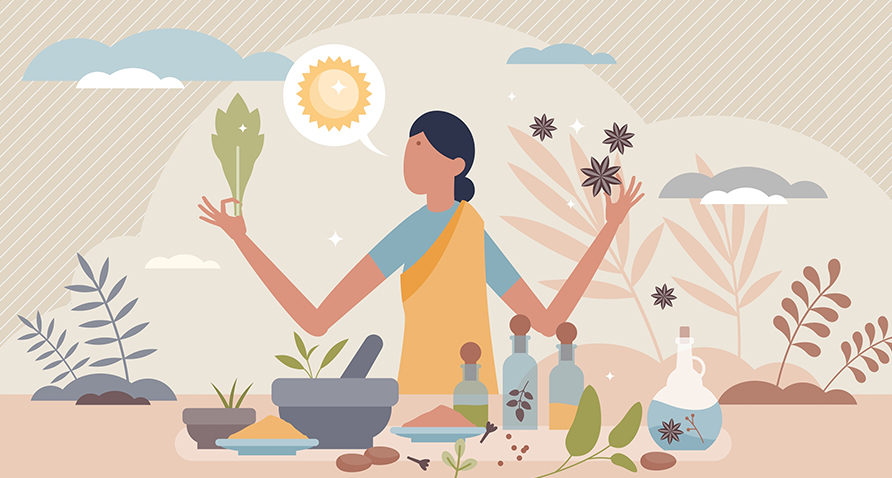
Figure 1: In Ayurveda beauty is seen as an expression of the whole person. Ayurvedic beauty care is intended not only to provide clear skin and a youthful appearance, but also relaxation and fresh life energy.
Soothing oil pours, steam baths, massages with blossoms and herbs – the list of Ayurvedic beauty treatments is long. In Ayurveda, however, body and beauty care is not only aimed at increasing external attractiveness. Instead, beauty is regarded as an expression of holistic health and inner balance. In this blog article we introduce some of the most popular Ayurvedic beauty treatments that benefit skin, hair and wellbeing alike. You will also learn which constitutional and skin types are distinguished in Ayurveda and what to consider in skincare from an Ayurvedic perspective.
Holistic and natural: beauty from an Ayurvedic perspective
The traditional Ayurvedic doctrine of beauty is also called "Saundarya", which in Sanskrit means "beauty". Rather than relying on cosmetics that act only superficially, Ayurvedic beauty rituals focus on care and relaxation that work holistically to promote inner radiance and general wellbeing. This distinguishes the Ayurvedic approach clearly from the concept of beauty often promoted by the media or the cosmetics industry. The aim is not to conform to a socially recognised and often unrealistic ideal of "beauty", but to give oneself attention and, through the treatments, to connect with one’s own soul. Those who feel good because they are balanced internally and holistically healthy usually radiate this automatically and are perceived as attractive by others.
The path to balance of body, mind and soul is, according to Ayurveda, different for each person. Accordingly, not all Ayurvedic beauty treatments are equally suitable for everyone. An important criterion are the three Ayurvedic constitutional types: Vata, Pitta and Kapha. Depending on which dosha someone is assigned to, an experienced Ayurvedic specialist can recommend appropriate applications. Naturalness is paramount in all beauty treatments. Instead of chemical or perfumed cosmetics, Ayurveda uses exclusively natural plant oils, herbs and other natural ingredients.
The different skin types in Ayurveda
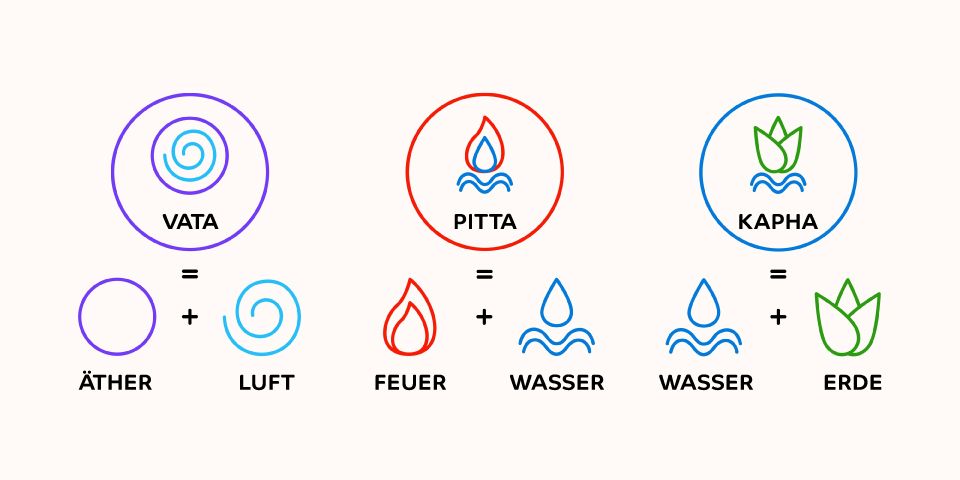
Figure 2: In Ayurveda the balance of the three constitutional types (doshas) is considered an important prerequisite for health and wellbeing. Not only diet and daily routines but also skincare should be adapted to the respective dosha.
The skin is regarded in Ayurvedic teaching as the mirror of the soul and therefore has a particularly high significance. Ojas, which in Ayurveda denotes the finest and most precious essence of the body, is especially clearly visible in the skin. People with strong ojas appear healthy, energetic and radiant – one could also say: they glow from within. In addition to a fresh, balanced diet and rituals such as meditation, yoga and breathing exercises (pranayama), ojas can also be strengthened by suitable skincare. Which care routines and treatments are recommended is primarily a question of the dominant constitutional type (dosha):
- Vata skin type: Those who belong to the Vata type often have rather dry, pale, sensitive and sun‑sensitive skin. A mild cleansing and skincare that supplies moisture while nourishing the skin is essential. Shirodhara, the Ayurvedic forehead oil pour, can help to soothe irritated skin. Abhyanga, a form of Ayurvedic oil massage with warm sesame oil, almond oil or ghee, is also recommended for the Vata skin type.
- Pitta skin type: The fiery Pitta type often has reddish, warm and oily skin that is also prone to inflammation. Cooling and calming measures, for example an Ayurvedic oil massage with coconut oil or ghee, are very soothing for Pitta skin. Rose water is also a good natural remedy for refreshment and calming the skin. For redness, gentle scrubs with chickpea flour and turmeric can help.
- Kapha skin type: For the Kapha skin type, cleansing and activation are the most important basic principles in skincare. Because people with Kapha dosha often tend to oily, impure skin with enlarged pores, only light oils (e.g. mustard oil) should be used in care and beauty treatments. Steam baths with herbs such as tulsi or eucalyptus can help to open clogged pores. Garshana, an Ayurvedic dry massage with silk gloves, is also well suited to the Kapha skin type, as it can have an activating and detoxifying effect.
From forehead pours to rejuvenation cures: 10 popular Ayurvedic beauty treatments
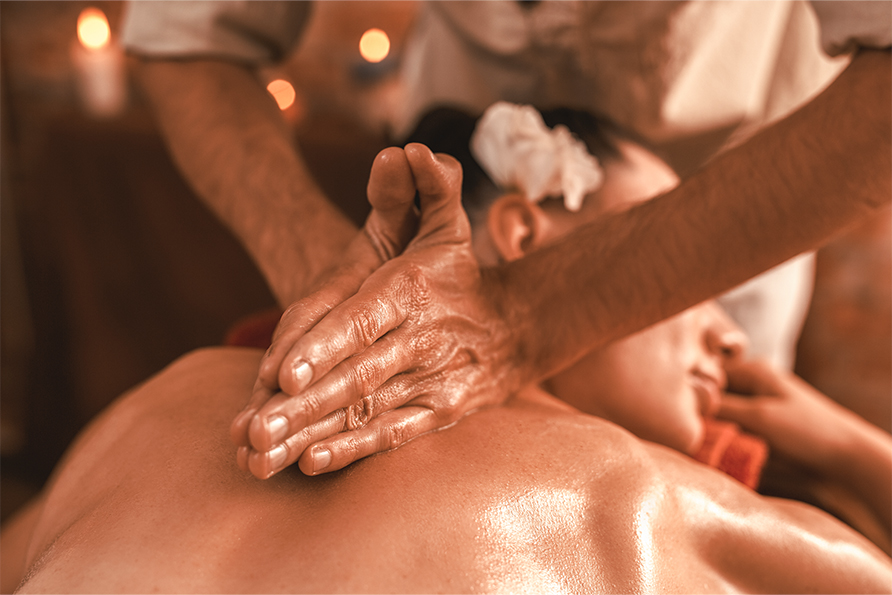
Figure 3: The range of Ayurvedic beauty treatments is broad. Full-body massages, herbal scrubs and forehead oil pours are included as well as sweating therapies and detox cures.
Ayurvedic teaching views beauty rituals as opportunities to strengthen wellbeing on all levels of being. Plant-based ingredients are combined with detox techniques and relaxing massages to support not only the external appearance but the health of the whole body holistically. Below we present a selection of the most popular Ayurvedic beauty rituals and treatments:
1. Abhyanga – Ayurvedic full-body massage
Translated from Sanskrit, "Abhyanga" roughly means "anointment with oil". The Ayurvedic oil massage is one of the most important Ayurvedic massage techniques and primarily aims to detoxify and relax the body. In addition, the skin is nourished by the use of oils. The oils enhance the effect of Abhyanga when they are matched to the respective dosha. Sesame and almond oil are generally suitable, as are mustard, sandalwood or coconut oil.
The full-body massage, which is usually performed as self-massage or by an Ayurvedic therapist, can also have positive effects on fascia, tendons and muscles. Warmed oil is usually used, which contributes to relaxation and conveys a general sense of wellbeing. If you want to perform Abhyanga yourself, you can simply warm a suitable oil and massage yourself from head to toe in gentle circular movements. Leave the oil to absorb for ten to twenty minutes before rinsing it off with warm water.
2. Mukhabyanga – facial oil massage for the "opening of the heart"
Inner balance and personal wellbeing are, according to Ayurveda, important prerequisites for beauty to unfold externally. Ayurvedic massages such as Mukhabyanga aim to connect the head with the face and heart. In the classic Mukhabyanga facial massage, scalp and face and then neck and shoulders are first massaged with warmed oils (e.g. rose oil, sandalwood oil, brahmi oil). It is said to open the heart, which is usually expressed in a natural radiance of the person being massaged. In addition, the oil massage promotes blood circulation, lymph flow and collagen production in the skin.
3. Ubtan – cleansing facial mask & peel
The natural skincare paste Ubtan is not called one of the great Ayurvedic beauty secrets for nothing. Classic Ubtan ingredients include chickpea flour, turmeric, rose water or milk, sandalwood powder, neem powder as well as honey or yoghurt. The mixture can be slightly adjusted according to the dosha. The Vata skin type can add more oil or yoghurt for an extra moisture boost, while rose water provides cooling for Pitta and ginger or mustard flour can provide an invigorating effect for Kapha. Those who use Ubtan regularly as a mask or scrub can enjoy a fresh, soft and radiant complexion. The paste cleanses the skin deeply, removes dead skin cells and fights impurities. Due to the antibacterial effects of ingredients such as turmeric and neem, Ubtan is also usually suitable for acne and other skin conditions.
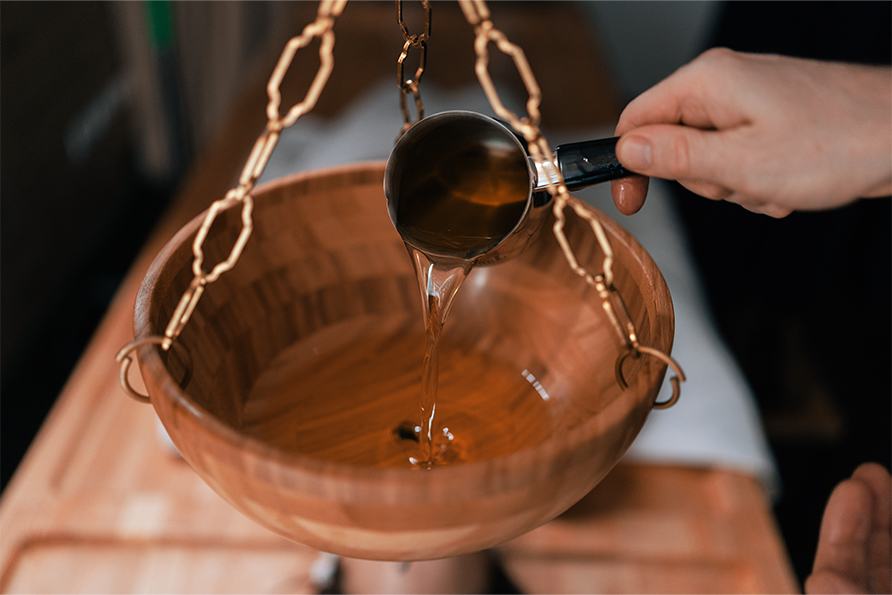
Figure 4: The forehead oil pour in Ayurveda promotes relaxation, calms the nervous system and harmonises the doshas.
4. Shirodhara – forehead oil pour for a calm mind
The forehead oil pour is one of the best-known beauty treatments in Ayurveda. Besides caring for the scalp and hair, relaxation is the main focus. The warm stream of oil that flows evenly and gently onto the forehead during Shirodhara helps to calm the nervous system and harmonise the doshas in the body. In Ayurveda it is believed that the relaxing and harmonising effect of the forehead oil pour is mainly based on the activation of the "Ajna chakra" (also called the "third eye"). According to Ayurvedic teaching, intuition resides here. People who suffer from nervousness, mental unrest, migraine, stress, burnout or sleep problems in particular can benefit from the treatment.
5. Nasya – nasal oil for detoxification and clear skin
A nasal cleansing that at the same time strengthens the mind? In Ayurveda that really exists. Under the motto "clear airways, clear mind", medicated oils or herbal extracts are dripped into the nose in Nasya. This is intended not only to cleanse the nasal passages and sinuses but also to improve breathing and sharpen the senses. However, there are different types of Nasya, which can act, among other things, as cleansing, nourishing or calming. The choice of the correct Nasya variant and the appropriate oil depends on the purpose of use but also on the constitutional type. It is advisable to consult an experienced Ayurvedic therapist to find out which form of Ayurvedic nasal and mental cleansing best suits you and your needs.
6. Garshana – invigorating dry massage
Garshana is a powerful beauty ritual that detoxifies and invigorates body and mind. The full-body massage is performed with coarse silk gloves or a natural brush and activates lymphatic flow and the entire metabolism. Garshana is often used for tissue firming as well as for reducing water retention and cellulite. Because it has a stimulating and energising effect, it is advisable to perform the Ayurvedic dry massage in the morning. How about trying to integrate Garshana into your morning routine? Massage your dry skin with silk gloves or a natural brush in circular motions, working from bottom to top. After a five- to ten-minute dry massage you can take a warm shower and then massage your skin with an oil suitable for your dosha.
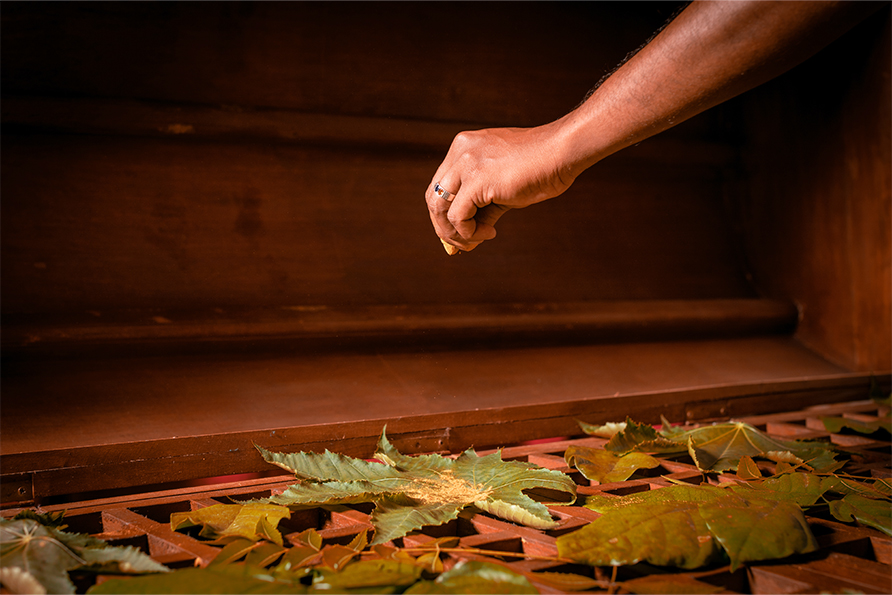
Figure 5: Svedana promotes detoxification, strengthens the immune system and relieves stress, tension and skin problems.
7. Svedana – Ayurvedic sweating therapy
Sweat cures are an essential part of Ayurvedic beauty care, primarily serving to expel toxins. The best-known form of sweating therapy is called Svedana. It is usually applied after an Ayurvedic full-body massage such as Abhyanga. This prevents the skin from drying out from the heat, since the body has previously been oiled during the massage. Svedana can be carried out in various ways, including as a steam bath (Uttara Svedana) or herbal svedana. In any case, the warm steam softens the tissue and opens the pores of the skin. In this way, toxins, which in Ayurveda are also called "ama", can leave the body. In addition to the detoxifying effect, Svedana can also strengthen the immune system, relieve tension, reduce stress and help with skin problems.
8. Lepana – herbal packs with deep action
In Ayurveda, Lepana has been recommended for centuries for skin diseases, injuries and joint complaints. The treatment possibilities with Lepana are extremely versatile. One variant is the application of a healing salve made from various herbs, oils and minerals. To reduce inflammation and pain and to support the healing process overall, the salve is applied directly to the affected areas. A popular alternative is body wraps with Ayurvedic herbs that either cool or warm. In both Lepana variants, natural Ayurvedic ingredients and active substances such as healing clay, turmeric, aloe vera, neem, ghee, sandalwood, brahmi, tulsi or ashwagandha are used. During the application time of around 20 to 60 minutes, the heat and medicinal herbs can penetrate deeply into the skin and unfold their positive effect.
9. Kansa wand – facial massage with a copper rod
It is not surprising that Kansa wand literally means "magic wand" when you consider how effective this traditional Ayurvedic massage tool can be for relaxation and wellbeing. The special alloy of the Kansa wand consists of copper and tin. Both metals are known to be able to soothe the skin and detoxify the body. But even the best tool is useless if you do not know how to use it properly. If you want to use the copper rod yourself, you should first inform yourself precisely about the correct application.
Usually the Kansa wand is first rubbed with a suitable oil. The massage of the face and/or body follows, during which the massage rod is guided over the skin in gentle circular movements. In the head area the Ayurvedic "magic wand" is particularly used to stimulate the body's energy centres (e.g. the Ajna chakra). This reduces tension and harmonises the flow of energy. In addition, facial massage can release muscle tension and stress, improve circulation and naturally firm the skin.
10. Rasayana – the classical Ayurvedic rejuvenation cure
Methods to promote longevity and healthy ageing, which today are experiencing a real hype under the buzzword "longevity", were already known to Ayurvedic teaching thousands of years ago. A central concept in Ayurveda that focuses on rejuvenation and extension of life as well as strengthening vitality, life energy and inner balance is called Rasayana. Appropriately, the term is composed of the words "rasa" (life essence) and "ayana" (direction or path). There are a number of Rasayana treatments that are often combined during therapy.
One possible component is the implementation of Panchakarma, the classical Ayurvedic cleansing cure, which consists of several treatment steps. After Vamana (emetic therapy) follow Virechana (purgation therapy), Basti (enema therapy for detoxification of the intestines and tissues), Nasya (nasal cleansing) and Raktamokshana (bloodletting). Both Rasayana and the Panchakarma cure are always accompanied by soothing massages and oil treatments such as the Ayurvedic full-body massage or forehead oil pours. In addition, herbs that are said to have rejuvenating or life‑extending effects in Ayurveda are increasingly used. Ashwagandha and shatavari are among them, as are amalaki (amla), turmeric, ginseng, haritaki and brahmi.
Biographical
Katharina Korbach regularly writes blog posts about medicinal plants and natural active ingredients for the Narayana Verlag. She developed an interest in language and began writing her own literary texts at an early age. A serious illness during her final school year prompted an intensive engagement with health and nutrition topics that continues to this day. After repeated failures of conventional medical treatments, she decided on a more self‑empowering, naturopathic therapeutic approach. A plant‑based diet was a key element on her path to recovery.
Katharina studied Cultural Studies (B.A.) and Applied Literary Studies (M.A.). In 2022 she published her debut novel "Sperling" with Berlin Verlag. Today she lives in Berlin as a freelance writer, medical editor and lecturer. In her free time she likes to be with friends or do barre training. She also loves to travel and try out new vegan recipes.
LIVING AYURVEDA - Claire Ragozzino
The Ayurveda Cookbook for Every Day - Kate O'Donnell
Ayurveda Basics - Susan Weis-Bohlen
Ayurveda - Nature and Methodology - Subhash Ranade
Figure 1: VectorMine/shutterstock.com ; Figure 2: LiiaLonnArt/shutterstock.com ; Figure 3: Viktoriia Hnatiuk/shutterstock.com ; Figure 4: Dikushin Dmitry/shutterstock.com ; Figure 5: Sajis De Silva/shutterstock.com
10.04.2025

