

Figure 1: Selenium is involved in numerous vital processes. As a component of enzymes, the trace element supports, among other things, the thyroid and the immune system.
Selenium is a guardian of our well-being. This essential trace element protects body cells and supports the normal function of the immune system. In addition, selenium is involved in the production of thyroid hormones and sperm. In this blog article you will learn why it is particularly important to pay attention to your own selenium supply. We also reveal which foods are rich in selenium and what to consider when buying and taking a selenium supplement.
What is selenium?
As an essential trace element, selenium cannot be produced by the body itself and must therefore be taken in with the daily diet. Although only minimal amounts of selenium are required, the element is extremely important for the body. Selenium is present in all organs and tissues, with the largest proportion stored in skeletal muscle. The trace element is absorbed from food in the small intestine into the blood and is excreted again via the urine.
In the form of the amino acid selenocysteine, selenium is an important building block of enzymes and plays a key role in many metabolic processes. For example, selenium is a component of antioxidant enzymes and helps protect the body from cellular damage caused by free radicals.
Why should you pay attention to your selenium intake?
Normally, a balanced diet ensures an adequate supply of selenium. However, selenium levels in European soils are steadily declining, mainly due to intensive agriculture with high pesticide and fertiliser use. Because too much sulphur from fertilisers and "acid" rain enters the soil, plants absorb less selenium. In addition, selenium binds to heavy metals such as mercury, cadmium, aluminium or lead present in the soil. In this bound form, plants can no longer absorb and utilise the selenium.
The problem of selenium-poor soils is exacerbated by climate change, for example when selenium is washed out of the soil by increasingly frequent heavy rainfall. On the other hand, moist soil can retain selenium better, so prolonged dry periods can also negatively affect soil selenium content. To prevent deficiencies, some farmers enrich animal feed with selenium or fertilise with selenium. To prevent selenium deficiency, it is therefore sensible to pay attention to the selenium content in your daily diet and, if necessary, to take selenium as a dietary supplement.
Which foods contain a lot of selenium?
The selenium requirement can usually be met by consuming certain foods. How much selenium a plant-based food contains, however, depends greatly on the soil, as already described. Since soil selenium levels in Europe are generally low, animal foods are the main sources of selenium here. Selenium content in animal foods fluctuates less than in plant foods. This is due to homeostasis, the ability of living organisms to keep internal systems — including selenium levels — relatively constant even under changing external conditions.
Since animal feed may be fortified with selenium in the EU, animal foods such as eggs and meat can particularly contribute to selenium intake. Fish and seafood are also good sources of selenium. Vegetarians and vegans should rely on plant-based foods that are naturally rich in selenium. The best plant sources of selenium include:
- Brazil nuts
- Broccoli
- Cabbage
- Allium vegetables (garlic, onions)
- Asparagus
- Mushrooms
- Legumes
Selenium and its health benefits

Figure 2: Among the many tasks selenium fulfils in the body are cell protection and the production of thyroid hormones.
As an essential trace element, selenium is indispensable for health. The element is one of the important antioxidants that help reduce oxidative stress in the body. Selenium is also critically involved in the production and regulation of numerous hormones, particularly thyroid hormones. Below is an overview of the most important health functions and applications of selenium.
Protection of cells
Inflammation in the body, as well as external influences (e.g. UV radiation, environmental toxins, cigarette smoke) can promote the increased formation of free radicals. Free radicals are aggressive oxygen-containing molecules that can attack and destroy cells. This process is also referred to as "oxidative stress". It can trigger inflammation in the body and promote the development of diseases such as diabetes, cancer, Parkinson's and atherosclerosis. As a component of selenoproteins, selenium acts as an antioxidant that helps protect cells from oxidative stress.
Thyroid health
Alongside iodine, selenium is probably the most important trace element for the thyroid. It supports a balanced supply of thyroid hormones by activating or deactivating them as required. Selenium is involved in the production of thyroid hormones as well as the conversion of the prohormone thyroxine (T4) into the active triiodothyronine (T3). Selenium also protects the thyroid from free radicals and thus helps prevent inflammation of the organ. Together with glutathione peroxidase, selenium ensures that free radicals generated during hormone production are neutralised.
There is evidence that selenium's anti-inflammatory effect may also have a positive impact on the autoimmune disease Hashimoto's thyroiditis. In people with Hashimoto's, the immune system produces antibodies that can damage thyroid tissue. Studies have shown that additional selenium supplementation can reduce elevated thyroid autoantibodies in the blood. [1] However, larger-scale studies are still needed to demonstrate that selenium truly supports the recovery of chronic Hashimoto's thyroiditis.
Strengthening the immune system
Selenium can support immune defence in several ways: firstly, as a component of certain enzymes it helps minimise oxidative stress in the body. This is particularly beneficial in viral infections, which are usually associated with massive oxidative stress. The replication of viruses can also be slowed by selenoenzymes. The infection is effectively "slowed down" because selenium prevents viruses from spreading rapidly in the body. In addition, selenium stimulates the production of antibodies and thus supports recovery.
In the context of the immune system, selenium's ability to bind heavy metals is also relevant. Such compounds can form not only in soil but also in the human body. Here, the poorly soluble complexes of selenium and heavy metals ensure that the latter can no longer harm the organism. Accordingly, selenium's heavy-metal-binding effect often relieves the immune system.
Sperm production
Selenium can also have a positive effect on male fertility and sperm production. As the trace element is a component of sperm, selenium deficiency can negatively affect sperm formation. Researchers at the Polish Uniwersytet Wroclawski first demonstrated the link between selenium deficiency and reduced sperm quality. [2] Men who would like to become fathers are therefore advised to ensure an optimal selenium supply.
Mood-enhancing effect
Many studies clearly show that selenium has a mood-enhancing effect. For example, participants in a double-blind study received 100 µg of selenium daily or a placebo for five weeks. Unlike the placebo group, the mood of the selenium group improved significantly during this period. [3] This mood-enhancing effect of selenium is partly due to its antioxidant action. Selenium is also involved in the production of various neurotransmitters, including serotonin, often referred to as the "happiness hormone".
When is selenium supplementation useful?
The German Nutrition Society (DGE) lists reference values for selenium intake of 70 µg per day for men and 60 µg per day for women. Higher reference values of 75 µg selenium are given for breastfeeding women. [4] Whether the recommended daily dose is being met or a selenium deficiency is present can be determined by measuring selenium levels with a doctor. White spots on the fingernails, thin and scaly skin and increased susceptibility to illnesses can indicate inadequate selenium supply.
In general, selenium supplements should not be taken long-term. Supplementation is only advisable if a concrete deficiency exists or if supplementation is therapeutically necessary. In the thyroid disease Hashimoto's, for example, selenium can have an anti-inflammatory effect and reduce damage to the thyroid.
Tips for buying a selenium supplement
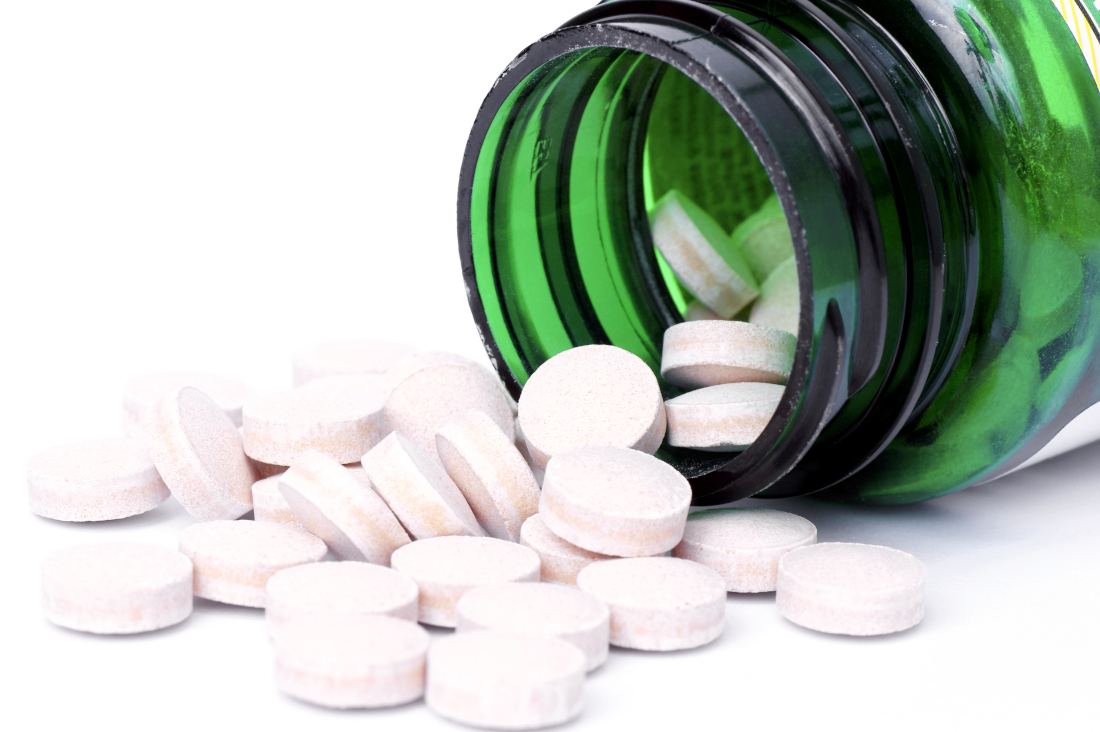
Figure 3: When choosing a selenium supplement, check whether the trace element is present in inorganic or organic form.
If you decide to supplement with selenium due to a deficiency or as part of a therapy, you should pay particular attention to a few aspects when choosing a product. First of all, you need to decide on a dosage form. Selenium dietary supplements are commonly available as tablets, capsules or drops. Liquid selenium has the advantage that it can be absorbed immediately through the oral mucosa and does not first have to pass through the gastrointestinal tract with its aggressive acid.
It is also important whether the selenium is present in an organic or inorganic form. The Selenium drops from Unimedica contain the inorganic form sodium selenite, which has a significantly higher bioavailability than organic selenium. This means that 50 to 60% of the selenium is immediately and more readily available to the body. Other products consist of both inorganic and organic selenium compounds. For example, the Selenium complex from Unimedica ensures short- and long-term selenium supply through the combination of sodium selenite (inorganic) and selenomethionine (organic) in a 3:1 ratio.
If you want to take selenium to specifically support one or more body areas, active ingredient complexes containing selenium are well suited. The Thyroid complex from Unimedica, for example, consists of carefully selected active ingredients that comprehensively support the thyroid and normal metabolism. The ultra-high-dose Biotin Plus with selenium and zinc tablets from Unimedica as well as the Hair Vitamins Forte capsules from Unimedica are aimed at internal care of skin, hair and nails or the maintenance of normal hair, respectively.
The trace element zinc can not only benefit the hair but also contribute to normal fertility and reproduction as well as the maintenance of normal testosterone levels in the blood. Selenium, in turn, protects cells from oxidative stress and contributes to normal sperm formation. The Prosta-Complex forte from Unimedica combines selenium, zinc and other valuable active ingredients into a nutrient complex specifically tailored to men's needs.
Correct dosage and administration of selenium
When taking selenium as a dietary supplement, it is particularly important to find an individually appropriate dosage. The daily dose should be neither too low nor too high so that the products can both exert their effect and avoid an excess of selenium. According to the European Food Safety Authority (EFSA), an intake of up to 300 µg selenium per day is safe for adults. Most dietary supplements contain a maximum of 200 µg per daily dose, so an excess of selenium from supplementation is unlikely.
Selenium capsules and tablets can generally be taken at any time of day. While capsules should be swallowed whole with sufficient liquid, selenium drops should first be shaken well before being taken undiluted or with some liquid.
Sources
[1] Wichman J, Winther KH, Bonnema SJ, et al. Selenium supplementation significantly reduces thyroid autoantibody level in patients with chronic autoimmune thyreoiditis: a systemic review and meta-analysis. Thyroid 2016. https://pubmed.ncbi.nlm.nih.gov/27702392/ (accessed: 24/05/2024)
[2] Pieczynska J et al. The role of selenium in human conception and pregnancy. Journal of Trace Elements in Medicine and Biology. July 2014.
[3] Benton D, Cook R. Selenium supplementation improves mood in a double-blind crossover trial. Psychopharmacology (Berl). 1990. https://pubmed.ncbi.nlm.nih.gov/2096413/ (accessed: 24/05/2024).
[4] DGE (2015): Estimated values for an adequate selenium intake. https://www.dge.de/wissenschaft/referenzwerte/selen/#c1071 (accessed: 25/05/2024).
Figure 1: Kamonwan Wankaew/shutterstock.com; Figure 2: Pavel105/shutterstock.com; Figure 3: pelfophoto/shutterstock.com

