
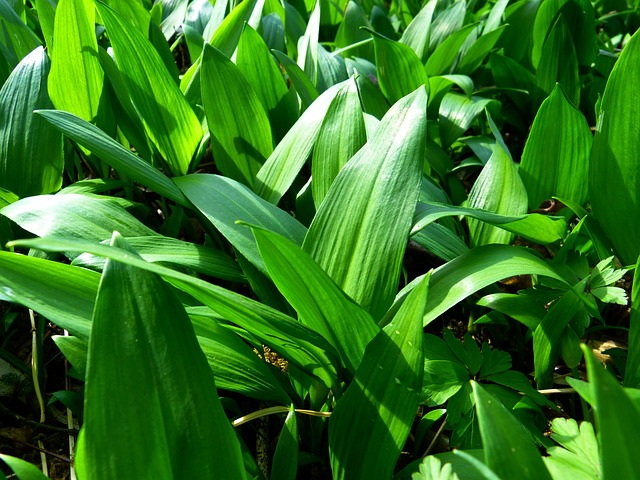
 Figure 1: Capturing the first spring rays - wild ramsons
Ramsons, or in Latin Allium ursinum, is one of the first wild herb plants to grow at the beginning of the year in spring. It is also known as wood garlic, bear's garlic or wild garlic. In folk tradition it is sometimes called witch's onion, a good hint at its medicinal properties and versatile uses. The name "ramsons" is indeed linked to the bear: in earlier times bears could be seen in spring feeding on the aromatic spring plant to strengthen themselves.
Ramsons are native to large parts of Europe and partly to Asia. They are among the oldest cultivated and medicinal plants and were eaten as far back as the Stone Age. The Romans and the ancient Germanic peoples also valued their healing powers.
Ramsons prefer to grow in moist, shaded mixed woodlands, where nutrient-rich soil provides good conditions for growth. Once they find a suitable spot, they spread their leaves like a carpet. It is sometimes possible to establish ramsons in a shady spot in the garden as an early spring-flowering plant.
The leaves of ramsons, as well as the buds and flowers, are edible.
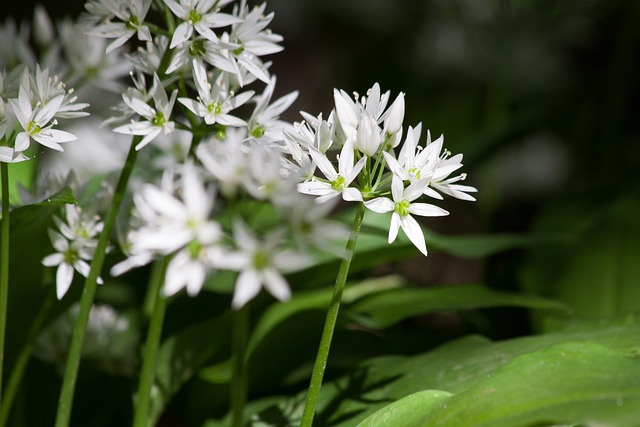 Figure 2: The ramsons flower cluster
Young plants have a very intense, almost sharp taste. During its growth phase ramsons become progressively milder. Towards the end of the growth period flower buds form and bloom. Then ramsons taste rather mild, as the sulphur content decreases at this stage.
Ramsons in Cuisine and Medicine
Ramsons are a popular culinary plant that also possess many health-promoting properties. In recent years the wild herb has enjoyed a real renaissance and is now even sold in many supermarkets.
In the kitchen it imparts a garlic-like aroma to dishes, although unlike garlic it does not cause the typical body odour. The leaves are often added fresh to salads, herb quark or vegetables. Chopped like chives and spread on bread, it is particularly tasty. It also adds a special flavour note to smoothies, fresh vegetable juice, pasta or soups.
The buds of this popular wild plant are often made into capers by pickling, and the flowers dry well. They are good in blossom salt or used as a refined decorative ingredient in salads and other dishes.
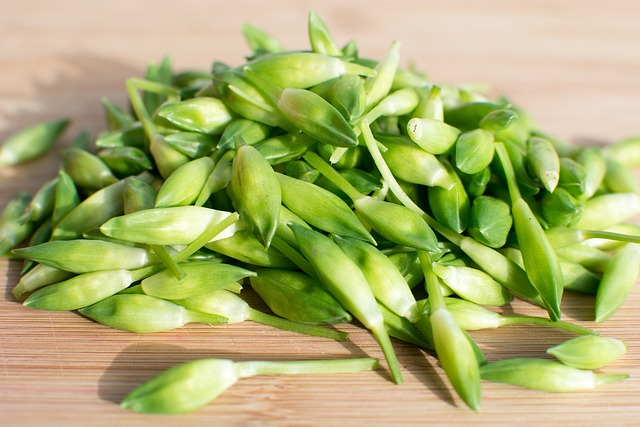 Figure 3: Ramsons buds
Preserving ramsons is not entirely simple. Making a pesto is the best method. Freezing ramsons is possible, but the beneficial effects are lost in the process. The same applies to drying, although at least the aroma is retained.
Botany
External characteristics
Ramsons are a perennial plant. They have oval, broad, parallel-veined leaves of dark green colour. The underside of the leaf is noticeably dull and the shape tapers to a point. The leaf margin is smooth. A characteristic feature is the garlic-like smell. Rubbing the leaves between the fingers intensifies this aroma.
Each leaf has a stalk that is three-angled and hollow. The leaves usually grow in tufts through the leaf litter on the ground. The plant reaches a height of 20 to 30 cm.
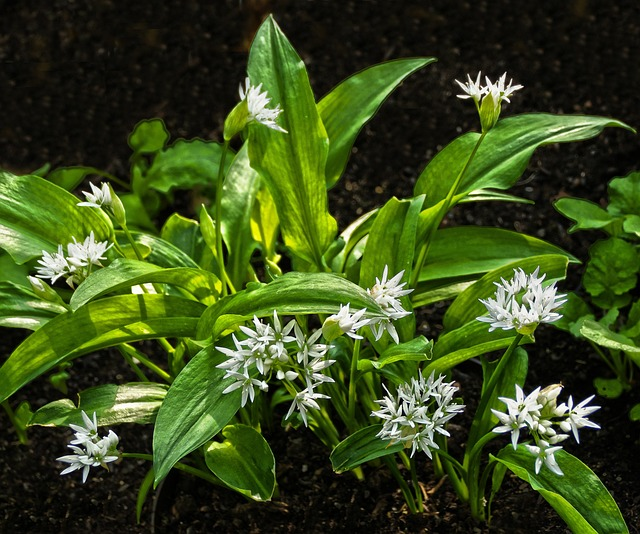 Figure 4: Ramsons with flower
Towards the end of the ramsons season flower buds form: white, star-shaped flower umbels appear. Ramsons belong to the lily family.
Distribution and habitat
Ramsons grow from February to at the latest March in moist, semi-shaded places. Flowering is over by the end of April to May and the leaves turn yellow. The plant then retreats to the bulb in the ground.
Easily confused - botanical lookalikes
In theory there is a risk of confusion — albeit relatively small — with some highly poisonous plants. The leaves of ramsons bear certain similarities to
-
lily of the valley,
-
autumn crocus,
-
the many-flowered white hellebore, and
-
arum (lords-and-ladies).
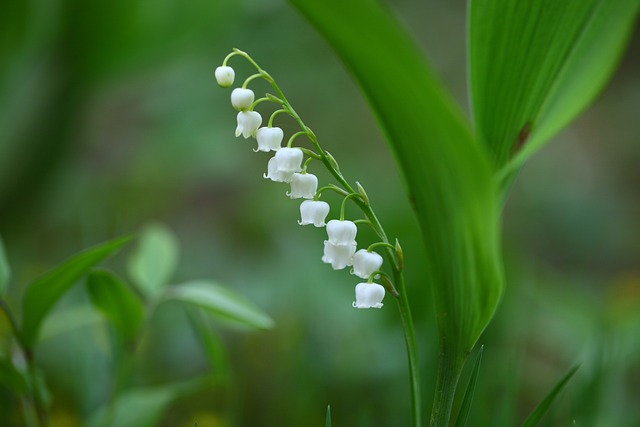 Figure 5: Lily of the valley - not ramsons!
These plants can look deceptively similar to ramsons, but they grow and flower at different times of year. Ramsons bloom very early in the year, whereas their lookalikes generally flower later.
The main characteristics of ramsons summarised briefly:
-
Smell - only ramsons have the characteristic garlic smell
-
Leaf colour - ramsons are lush green and have a dull underside
-
Stalk - ramsons leaves have a clearly recognisable stalk that is three-angled and hollow
-
Flowers - the flowers of ramsons are upward-facing, star-like blossoms of white colour.
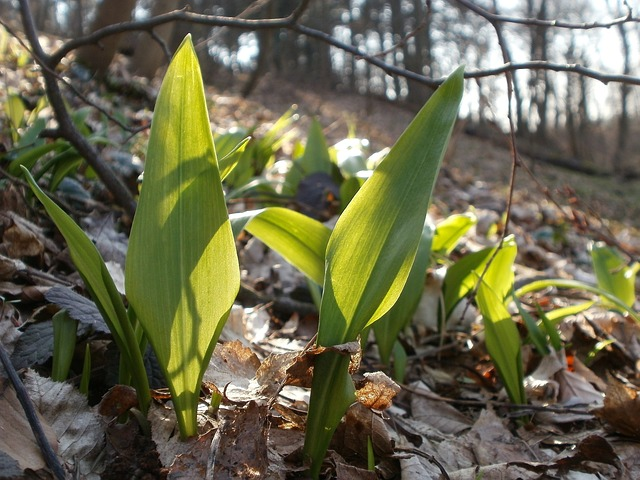 Figure 6: Ramsons leaves in the wood
Harvest
As with all wild herbs, ramsons should be harvested with care and consideration. Always take only a few leaves per plant so that the plants can retain their vigour. Please always pick only clean and undamaged leaves.
Ingredients and effects
Vitamins, minerals and trace elements in ramsons
Vitamin C
With 150 mg of vitamin C per 100 grams, ramsons provide us with a considerable amount of this supervitamin (150% RDA), which strengthens our immune system and has antiviral, antibacterial, antitumour and detoxifying properties. As a strong antioxidant, this vitamin counters free radicals in our body and neutralises them. Vitamin C is also an important co-factor in the formation of collagen in our body, which explains its tissue-strengthening property.
Vitamin A
Ramsons contain as much as 200 µg vitamin A per 100 grams in the form of 1200 µg beta-carotene (25% RDA). This gives ramsons a supportive effect on the eyes and on healing processes in general. Skin and mucous membranes also benefit from this traditional medicinal plant.
Vitamin B1
Ramsons leaves provide 130 µg vitamin B1 per 100 grams (9.29% RDA). Vitamin B1 belongs to the B-vitamin family, which act as co-factors in many bodily functions and are thus extremely valuable. It is especially important for energy production from carbohydrates, amino acid metabolism and the nervous system. However, this vitamin is very sensitive to heat and oxygen.
Vitamin B6
With 200 µg vitamin B6 (10% RDA) per 100 grams of plant material, ramsons contain another B vitamin. This is also an important coenzyme in amino acid and fat metabolism and plays a significant role in the formation of neurotransmitters for the nervous system.
Potassium
With 336 mg (16.9% RDA) per 100 grams, the potassium content of the fresh plant is particularly high. Potassium is involved in energy metabolism and fluid balance. The mineral has a positive effect on the heart muscle and heart function.
Calcium
With 76 mg per 100 grams (7.6% RDA), ramsons contain relatively little calcium. This mineral is known for its effect on bone stability and dental health. Muscle function also benefits from calcium and it plays a role in blood clotting.
Magnesium
Magnesium is present at 22 mg per 100 grams of plant material (7.3% RDA) and complements the action profile of calcium perfectly. The plant shows an optimal ratio of calcium to magnesium. This mineral is involved in almost all bodily processes. It is particularly known for its importance in the smooth functioning of muscles and therefore the heart. Magnesium counteracts muscle cramps.
Phosphorus
The leaves of ramsons also contain 50 mg phosphorus (6.25% RDA) per 100 grams of plant. Phosphorus is important for energy balance and a balanced acid-base metabolism.
Manganese
The trace element manganese is present with 320 µg (9.14% RDA) per 100 grams in ramsons. It is a component of detoxifying enzymes and also plays an important role in the mitochondria and thus in energy production.
Iron
With 2.87 mg per 100 grams (20.5% RDA), the iron content of ramsons is comparatively high. This micronutrient is important for oxygen binding and transport in the blood and thus supplies us with energy for concentration and attention.
Folic acid
Ramsons contain 17 µg (8.5% RDA) folic acid (vitamin B9) per 100 grams. This important vitamin is involved in cell division and the formation of blood cells. It also plays a role in iron and vitamin B12 metabolism. Supplementing folic acid is especially recommended during pregnancy.
Secondary plant compounds in ramsons: small but potent powerhouses
In addition to vitamins, minerals and trace elements, secondary plant compounds (phytochemicals) play the main role when it comes to the effectiveness of plants and wild herbs.
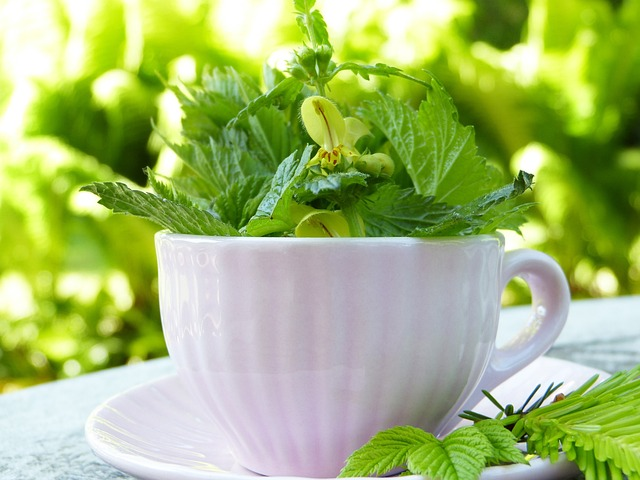 Figure 7: Secondary plant compounds are found in many green herbs
Allicin
Allicin is the primary secondary plant compound in Allium ursinum, i.e. ramsons.
Allicin is a sulphur-containing compound responsible for the typical garlic-like smell and taste of the plant. Ramsons belong to the genus of bulbous plants, all of which are known for sulphur-containing compounds. The compound protects the plant from soil parasites and fungi. Allicin is formed from the amino acid alliin. With 8 mg per 100 grams of dry matter, ramsons show a very high sulphur content.
Sulphur-containing compounds have a strong detoxifying effect on the organism. They are able to bind pollutants and even help to chelate heavy metals. Furthermore, sulphur has anti-inflammatory and decongestant effects, making it valuable in the fight against joint pain and joint diseases. It also appears to inhibit cartilage breakdown.
Sulphur is involved in the construction of many proteins and enzymes, giving it an important role in overall metabolism. Sulphur is also indispensable in the formation of insulin.
As a medicinal herb ramsons are attributed antibacterial, antiviral and antifungal effects. In addition, they have anti-inflammatory and decongestant properties and appear to lower cholesterol biosynthesis.
Chlorophyll
The green plant pigment chlorophyll is strongly represented in ramsons at 422 mg / 100 grams of leaves, which is another plus for its effects. Chlorophyll is also credited with detoxifying and antioxidant properties. In addition, this special plant pigment supplies valuable oxygen to our cells.
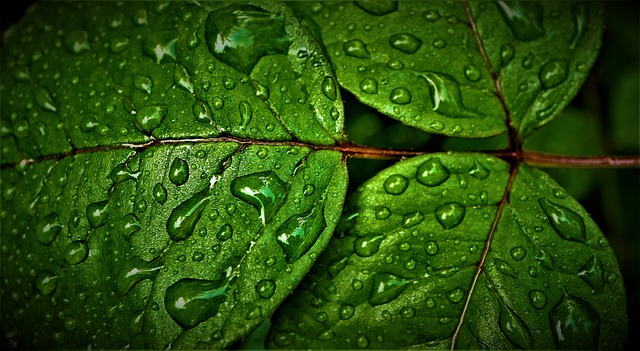 Figure 8: Chlorophyll is the green pigment of plants
Medical uses of ramsons
Medically, ramsons are used in the form of a tincture or as fresh-pressed juice. Ramsons are applied particularly in cardiovascular diseases [1]. Furthermore, ramsons are used for detoxification and support of the gastrointestinal tract, and they have proven useful for skin problems due to their blood-purifying effect.
The germ-killing property [2] of the wild plant ramsons can be used particularly well in the gut, where it helps to establish a healthy balance of the intestinal mucosa and is active against Candida [3]. In addition, ramsons provide constituents that stimulate digestive juices. This stimulates metabolism and counteracts bloating, which is attributable to their content of mustard-oil glycosides.
The effect of ramsons on atherosclerosis is attributed to the fact that they, on the one hand, stimulate circulation. On the other hand they have a positive effect on cholesterol levels and also prevent the oxidation of cholesterol, thereby protecting the vessels. They support healthy blood pressure.
The positive effect of allicin with regard to various cancers has also been mentioned in studies. [4] [5]
Recipes
Ramsons belong in every spring kitchen. Ramsons unleash their full potency when fresh. Although drying and freezing preserve their aroma, the active ingredients lose their effectiveness. Therefore it is advisable to process ramsons as fresh as possible. They keep in the refrigerator for 2 to 3 days.
The active ingredients are sensitive to heat and oxygen. If you want to benefit from the positive effects of ramsons as well as the flavour, it is best to process them quickly and avoid or minimise heating, i.e. eat them fresh where possible.
However, their wonderful aroma also comes through in cooked dishes. They can lend a lovely note to vegetable dishes, dumplings, bread, meat dishes, soups and of course especially salads.
Ramsons pesto
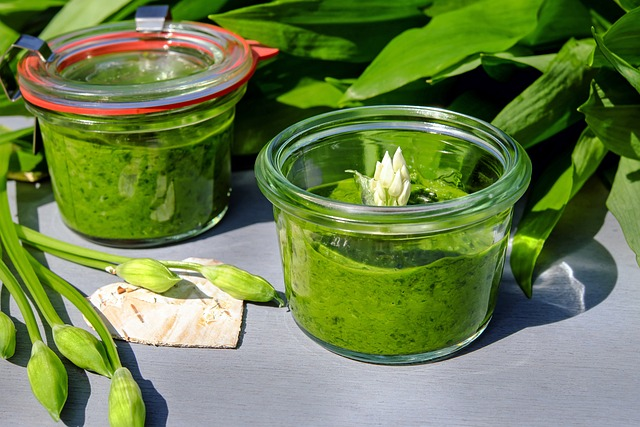 Figure 9: Ramsons pesto brings spring into the kitchen
The most common way to preserve ramsons is to make a pesto. For this you only need three ingredients:
-
ramsons leaves
-
salt
-
olive oil
This pesto is a very tasty and healthy base for many dishes and can be combined with cheese and/or nuts as desired when used.
Bottling should be done in sterilised jars. Before screwing the lid on, always add a layer of oil to form a seal. Please store in a cool, dark place to increase shelf life.
Spreads
Wash and finely chop the ramsons. Fresh ramsons mix well with quark, cream cheese or vegan spreads as a flavouring. They also combine well with other herbs. Ground elder, parsley, dandelion and nettle are excellent partners. Season with a little lemon juice, pepper and salt.
Grill seasoning with ramsons
Ramsons are an excellent flavour for the barbecue season. With the following ingredients you can make a robust grill seasoning yourself:
-
dried, chopped tomatoes
-
finely chopped ramsons
-
pepper
-
sweet paprika
-
parsley
-
grated lemon zest
-
salt
-
optionally some chilli.
Mix all ingredients and place in a dehydrator or dry well in the air. Then fill into jars and seal airtight.
Ramsons butter
Mix freshly and finely chopped leaves with fresh butter and lightly season with salt and pepper. This herb butter can be used as a spread and also enhances warm vegetable dishes. Add the butter at the end so that the ramsons are exposed to as little heat as possible. Depending on taste, other herbs (see above) can be added to the butter.
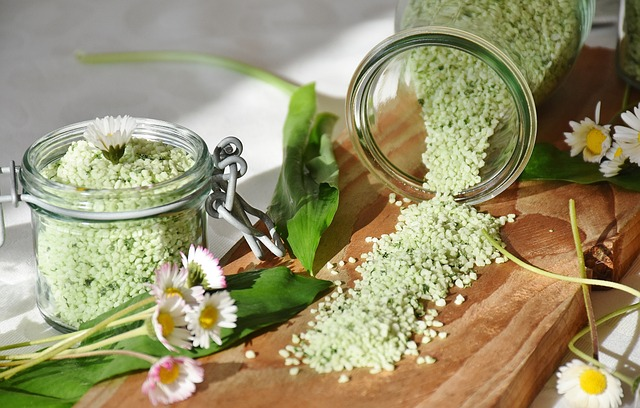 Figure 10: Homemade ramsons salt tastes best
What do ramsons taste like?
Wild ramsons impress with their robust-fresh aroma. Unlike garlic, the ramsons flavour does not leave body odour. The flowers are also used in the kitchen but are much milder in taste.
Risks associated with using ramsons
Risk of confusion with poisonous plant species
Confusing ramsons with other plants can lead to poisoning. Therefore great care is required when collecting the leaves. For the poisonous lookalikes see the section "Botanical lookalikes".
Allergic reactions to ramsons
Allergic reactions have so far been rather rare. As ramsons grow in popularity, however, the occurrence of intolerances or allergies may increase. Symptoms can include, for example, facial redness, irritation of the mouth mucosa, pimples and pustules.

