

Figure 1: Biotin is involved in many metabolic processes in the body and contributes to the maintenance of normal skin and hair.
Biotin is commonly regarded as a "beauty vitamin" that benefits skin and hair, but it also plays an important role in many metabolic processes. As it is water-soluble and cannot be stored in the body, vitamin B7 should be consumed regularly through the diet. In case of a deficiency, supplementation in tablet or capsule form can be considered. In this blog article you will learn, among other things, how biotin works, which symptoms may indicate a deficiency, and what adequate biotin intake and dosing can look like.
What is biotin (vitamin B7)?
As one of the eight B vitamins, vitamin B7 is involved in many vital processes in the body. It is no coincidence that the name "biotin" derives from the Greek word "bios" (life). The B-group nutrients often work closely together, which is why adequate supply of all B vitamins is crucial. Colloquially, biotin is sometimes referred to as vitamin H, as it contributes to the maintenance of normal skin and hair.
Biotin is a coenzyme, which means the molecule is partly responsible for the smooth functioning of certain bodily processes. Among other things, biotin is involved in energy and fat metabolism. Protein synthesis also benefits from vitamin B7, as the nutrient supports the formation of the amino acid leucine. Other important areas of action for biotin are carbohydrate and cholesterol metabolism, as well as cell growth and the regeneration of hair follicles.
Which foods contain biotin?
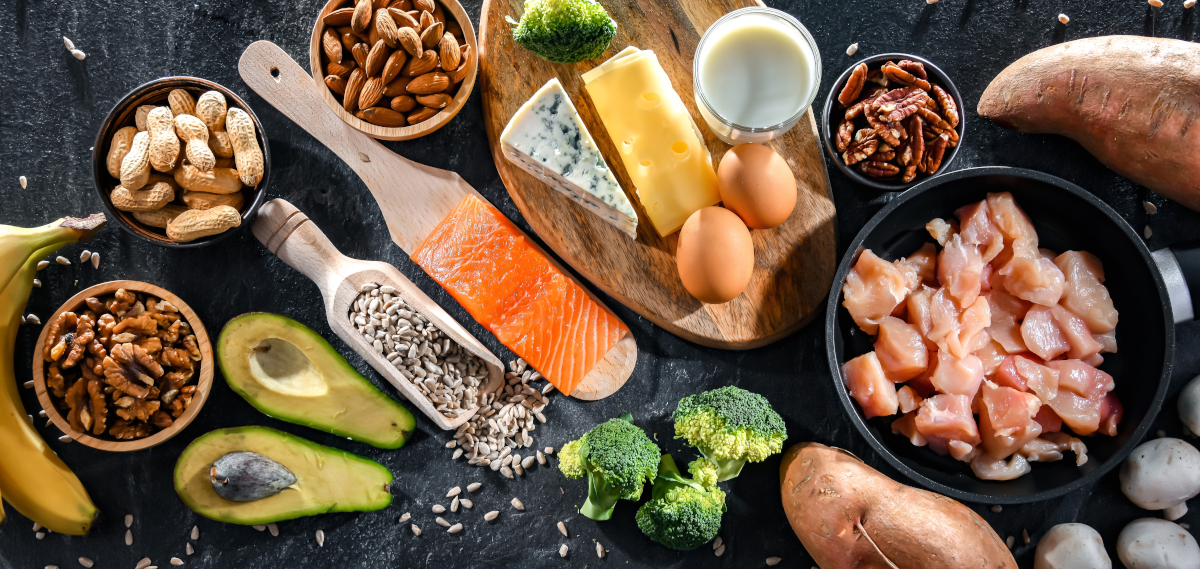
Figure 2: Many animal and plant foods contain small amounts of vitamin B7.
Numerous plant and animal foods contain biotin. However, the amounts are generally very small. In addition, biotin is produced by bacteria in the gut, but in such small quantities that this gut-produced vitamin B7 hardly contributes to overall biotin supply in humans. Foods in which biotin occurs naturally include:
- beef liver
- yeast
- nuts (e.g. hazelnuts, peanuts, walnuts)
- soybeans
- sunflower seeds
- chicken eggs (cooked)
- oat flakes
- mushrooms (e.g. chanterelles, porcini, button mushrooms)
- brown rice
- fish
- spinach
- bananas
- cow's milk
- lentils
In all the foods listed here, the biotin content is only a few micrograms per 100 g. To fully cover biotin requirements, the German Nutrition Society gives the following example food combinations:
For omnivores:
- 150 millilitres whole milk
- 150 grams cooked peas
- 200 grams cooked mushrooms
- 125 grams cooked pork schnitzel
For ovo-lacto vegetarians:
- 2 slices wholemeal bread with sunflower seeds
- 1 slice Emmental
- 1 cooked chicken egg
- 200 grams cooked green beans
- 100 grams low-fat quark
How does vitamin B7 act in the body?
Biotin has a broad spectrum of action, although the effects of the vitamin in some areas are not sufficiently supported by studies and are therefore not officially confirmed. However, there are several health-related claims that have been confirmed by the European Food Safety Authority in connection with biotin. According to EFSA, vitamin B7 (biotin) contributes, among other things, to:
- the maintenance of normal hair
- the maintenance of normal skin
- the maintenance of normal mucous membranes
- normal energy-yielding metabolism
- normal functioning of the nervous system
- normal metabolism of macronutrients
- normal psychological function
That vitamin B7 supports the normal function of certain body tissues such as skin and hair is undisputed. Biotin helps supply the skin's sebaceous glands with protective lipids, which is why it is not surprising that vitamin B7 is a common ingredient in cosmetics and anti-ageing products.
The body's own production of glucose also depends on an enzyme that contains biotin. Glucose is important for the organism to avoid hypoglycaemia and to keep blood sugar levels stable. Vitamin B7 also affects the activity of various genetic elements, including those of DNA-forming proteins that in turn influence insulin secretion.
In addition, biotin can stimulate the formation of keratin and thereby strengthen hair structure. Corresponding supplements with biotin are therefore often designed to comprehensively and sustainably strengthen hair. The Haarvitamin Forte capsules by Unimedica, for example, contain a unique vitamin-mineral combination of biotin, selenium, zinc and other valuable active ingredients that support the maintenance of normal hair.
How does a biotin deficiency manifest?
As we usually obtain sufficient biotin through our diet, a deficiency of vitamin B7 is rare. However, there are some medical conditions and lifestyle factors that can promote deficiency symptoms. If you are unsure whether your biotin supply is adequate, comparing with the typical symptoms of biotin deficiency can be a useful indicator.
Causes
A biotin deficiency can have numerous causes. Certain illnesses as well as behaviours and life situations can encourage deficiency symptoms. These include, in addition to alcohol dependence and smoking, long-term antibiotic intake or excessive consumption of raw eggs. Egg white contains the compound avidin, which can neutralise the vitamin action of biotin. When eggs are heated, avidin loses this property.
Breastfeeding women temporarily require more biotin and may therefore be at risk of not covering their biotin needs through diet alone during lactation. Certain hereditary diseases, such as biotinidase deficiency, can also be the cause of the body being unable to utilise enough biotin.
Symptoms
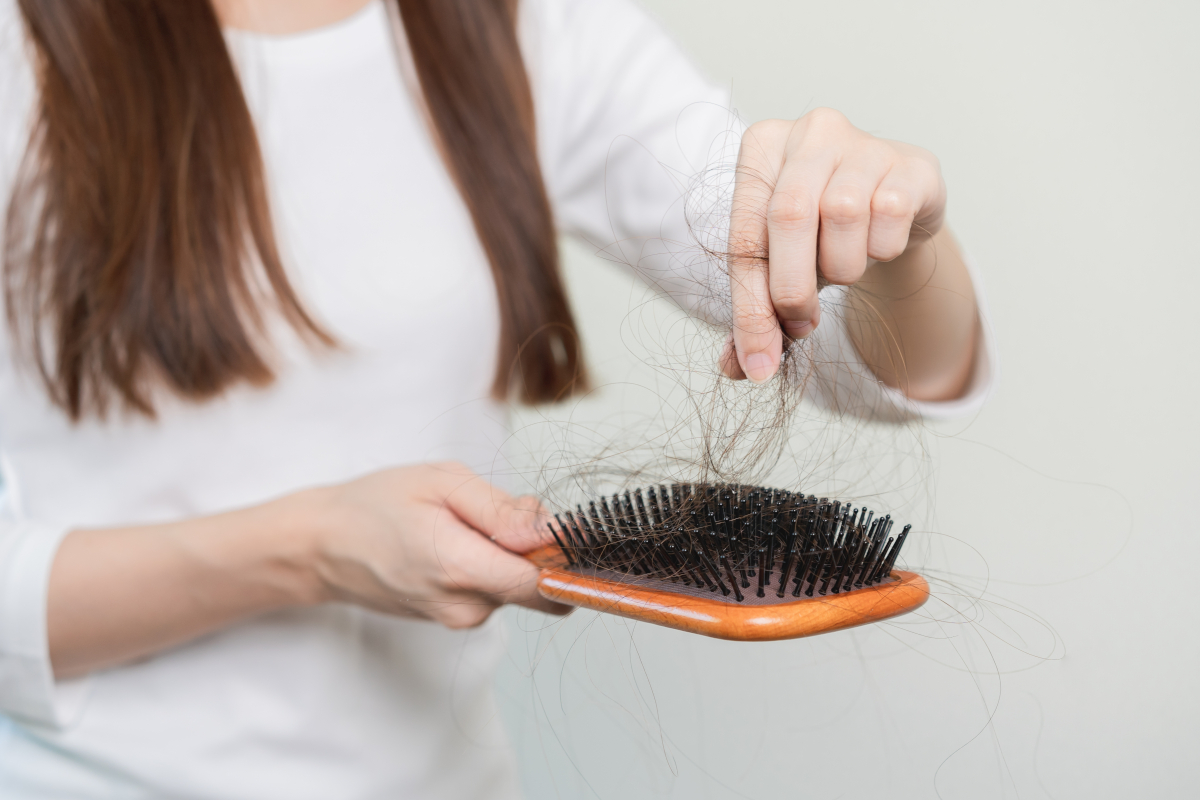
Figure 3: Hair loss is one of the possible consequences of a biotin deficiency.
When the body lacks biotin, this often becomes particularly noticeable in the skin and hair. The skin can be dry, reddened and inflamed. Increased hair loss can also occur. In addition, a biotin deficiency is often associated with the following symptoms:
- loss of appetite
- tiredness and general weakness
- nausea
- hypersensitivity
- scaly rash around the eyes, mouth or nose
- brittle nails
- muscle pain
- depression
- elevated cholesterol levels
Taking biotin capsules or tablets is a sensible measure to counteract a biotin deficiency. To prevent deficiency symptoms, attention should be paid to ensuring that biotin is consumed in sufficient quantities through the daily diet.
What to consider when buying a biotin supplement
Especially for people who suffer from a vitamin B7 deficiency, taking biotin supplements can be sensible. It is advisable to discuss this with your doctor before you decide to take a biotin preparation. A medical assessment can also be helpful when deciding which of the many biotin supplements is suitable for you.
Primarily, the available preparations differ in their biotin content and the active ingredients contained in addition to vitamin B7. The Biotin Vitamin B7 tablets by Unimedica are among the high-dosed preparations. Each tablet contains 10,000 µg vitamin B7, which corresponds to 20,000 times the recommended daily dose for healthy adults. Other products, such as the Biotin Plus tablets by Unimedica, also contain selenium and zinc, which additionally support the maintenance of normal skin and hair.
How much biotin should you take per day?
The appropriate biotin dosage depends on the chosen preparation and should always be determined individually. Recommendations vary depending on personal need and the specific life situation. For healthy adults, the German Nutrition Society (DGE) recommends a daily dose of 40 µg, while the recommended dose for breastfeeding women is 45 µg. According to the DGE, infants should receive 4–6 µg vitamin B7 per day, whereby about 4.5 µg of biotin are already contained in 750 ml of breast milk. [1]
As there is no evidence that biotin overdose has negative effects on health, there is no established upper limit for biotin intake. Excess biotin is simply excreted in the urine. However, before undergoing laboratory tests you should inform your doctor if you are taking biotin supplements. In some tests, such as measurements of thyroid and sex hormones or checks of vitamin D levels, results may possibly be distorted by biotin supplementation.
When is the best time to take biotin?
The timing of taking biotin tablets or capsules generally does not matter. Depending on personal preference, the chosen preparation can be taken either before or after a meal. For people with a sensitive stomach, however, it can be helpful to take biotin supplements after a meal rather than on an empty stomach, as the active ingredient is often better tolerated that way.
Source:
[1] German Nutrition Society (Deutsche Gesellschaft für Ernährung): Biotin - estimates for an adequate intake. Reference values for nutrient intake, accessed on 13.02.2024: https://www.dge.de/wissenschaft/referenzwerte/biotin/
Figure 1: Moskalenko Yuliya/shutterstock.com ; Figure 2: monticello/shutterstock.com ; Figure 3: Kmpzzz/shutterstock.com

