
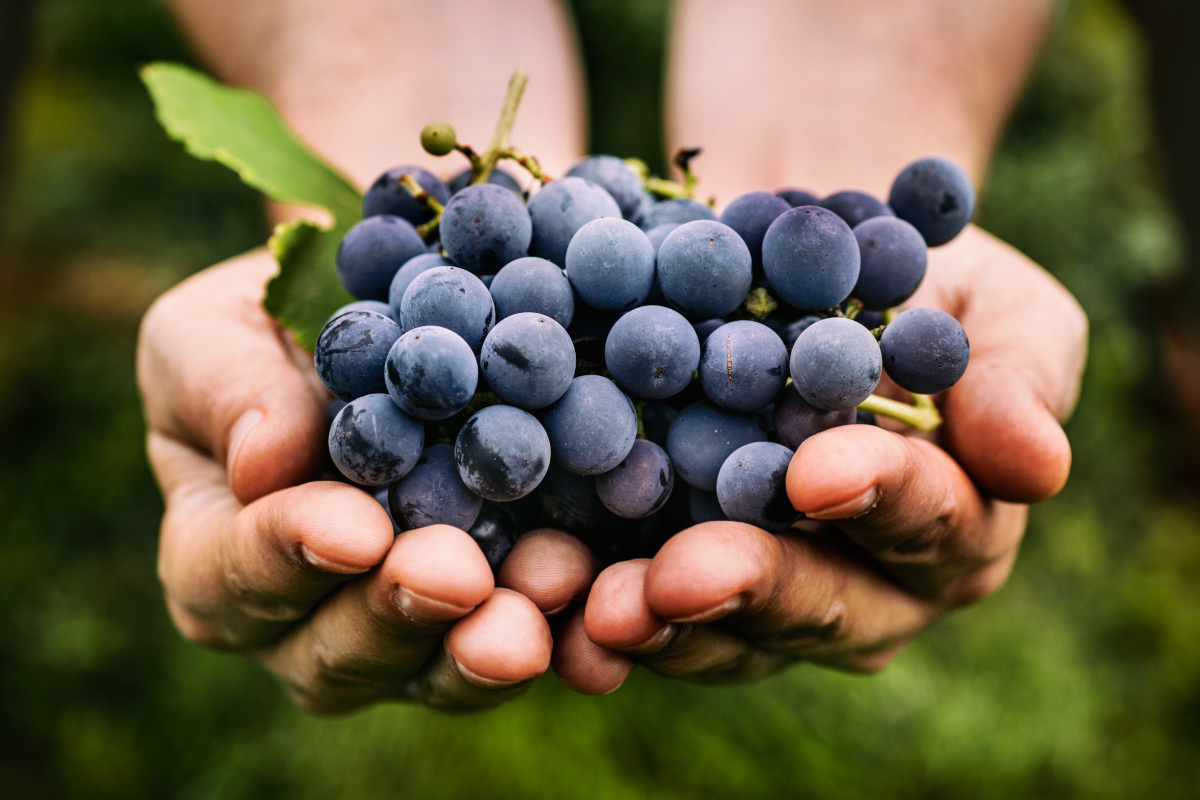
Figure 1: Grape seeds contain particularly high levels of the valuable secondary plant compound OPC.
Do you also like to snack on a few grapes now and then? Wonderful! The sweet fruit not only tastes delicious, but also contains many important vitamins and minerals. What most people do not know, however, is that the valuable constituents are not only in the flesh but also in the grape seeds. These have a particularly high proportion of the secondary plant compound OPC. What the abbreviation stands for and to what extent supplementation with OPC can be useful are explained in this article.
OPC – what is it exactly?
For several years now the term “OPC” has been appearing increasingly often, especially in connection with dietary supplements. But what exactly does it mean? The abbreviation “OPC” stands for “oligomeric proanthocyanidins”. These are secondary plant compounds, more precisely substances from the group of polyphenols. Secondary plant compounds are not essential for plant survival, but they protect plants from external influences such as UV radiation or predators.
Grape seed extract contains a high level of OPC, which is why it is often used to produce corresponding dietary supplements. In this context the antioxidants contained in both the grape seeds and the grape skins are particularly relevant. As an antioxidant, OPC is said not only to offer many health benefits but also to contribute to beautiful skin and shiny hair.
Which foods contain OPC?
Although the term OPC is primarily used in connection with grape seed extract, the antioxidant also occurs naturally in other foods. These include, among others:
- Cranberries
- Apples
- Plums
- Nectarines
- Peanuts
- Pecans
- Almonds
- Strawberries
- Blueberries
- Rose hips
- Dark chocolate
- Cinnamon
OPC is often found particularly abundantly in the skins of fruits and vegetables. Apples, plums and nectarines should therefore ideally be eaten unpeeled to make the most of the versatile plant compound's benefits. As a sensible addition to OPC intake via the diet, dietary supplements such as grape seed extract capsules or OPC powder are recommended.
What effects does OPC have on the body?
OPC has enjoyed a reputation for some time as having many positive effects on health and appearance. It is said not only to strengthen the immune system and hair, but also to act as a kind of anti-ageing wonder remedy. But how exactly does OPC work in the body and what effects can you realistically expect from taking it? Below you will find a summary of the main actions and areas of use:
OPC as an antioxidant
As briefly mentioned above, OPC is credited with enormous antioxidant power. In fact, an in vitro study found that OPC has a 20-fold higher antioxidant potential compared with vitamin E. The popular vitamin C even surpasses OPC by a factor of 50. [1]
Antioxidants are mainly valued for their ability to neutralise free radicals. These aggressive oxygen compounds can otherwise, if present in excess, trigger oxidative stress in body cells. If oxidation and antioxidation in the body are no longer in balance and oxidation predominates, cells can no longer function fully. General well‑being suffers.
The main triggers for oxidative stress are environmental factors such as X‑rays and UV radiation as well as air pollution. [2] Diet also influences the oxidation of body cells. One example is the process of glycolysis, in which carbohydrates must first be oxidised before the glucose from food can be utilised by the body.
Improved skin appearance

Figure 2: As an antioxidant, OPC can scavenge free radicals and thus help counteract skin ageing.
The antioxidant effects of OPC also benefit the skin: by neutralising free radicals as an antioxidant, OPC helps prevent the destruction of skin cells and of structural proteins. Structural proteins in blood vessels are responsible for supplying skin cells with oxygen and nutrients. They also support the long‑term maintenance of the skin's elasticity and firmness.
By preventing tissue damage caused by free radicals, OPC counteracts skin ageing. [3] In addition, the compound contributes to the repair of unstable collagen and can stimulate the activity of skin enzymes. Strengthening connective tissue then increases the skin's firmness. So it acts like a kind of natural face‑lift – without knives or pain!
Naturally beautiful hair
OPC can also have a positive effect on hair: studies have shown that hair can become more voluminous, softer and shinier through taking grape seed extract. [4] OPC increases the number of hairs in the so‑called anagen phase (growth phase). The compound can also influence the hair cycle and affect hair density and overall appearance.
Blood‑thinning effect
In addition to its strong antioxidant effect, grape seed extract containing OPC also has blood‑thinning properties. The plant compound acts as a vasodilator. It can reduce pressure on the vessels and support better blood flow. This is also why OPC is often used to help lower blood pressure. [5] In addition, grape seed extract helps prevent platelets from sticking together.
What to look for when buying an OPC supplement?
There are now so many products containing OPC on the market that choosing one can be a real challenge. However, if you bear a few essential criteria in mind, it will be easier to decide on a suitable dietary supplement.
An important aspect when deciding which product to buy is the varying OPC content of products. Above all, make sure you do not confuse this value with the proportion of grape seed extract – both values are usually stated separately. It is also important to know that there are different methods for measuring OPC content, such as the HPLC method and the vanillin method. Depending on the method used, different measurements can result, so it is advisable to compare only products whose OPC values were determined using the same method.
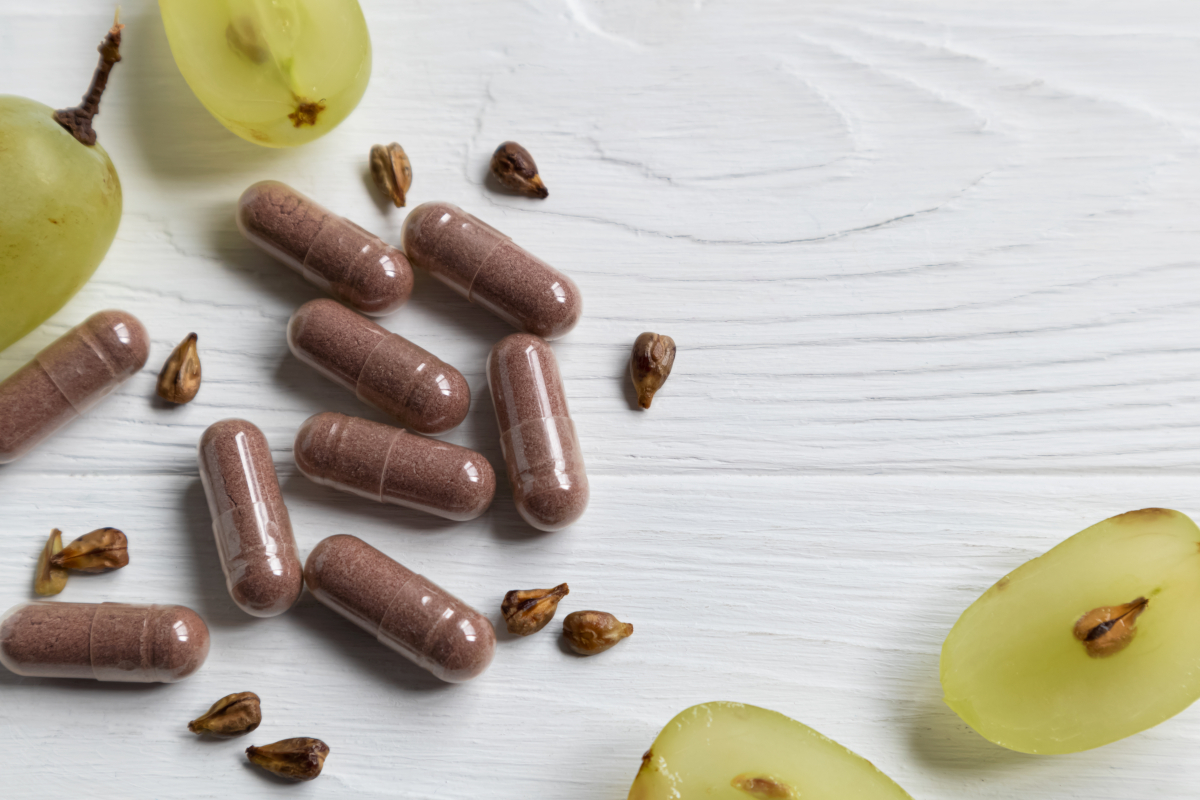
Figure 3: When buying a grape seed extract product, always pay attention to the amount of pure OPC and the measurement method used.
Depending on individual needs, taking a higher‑ or lower‑dosed product may be sensible. While products such as the OPC capsules from Unimedica contain a moderate dose with 700 mg grape seed extract (of which 280 mg OPC), the OPC forte capsules from Unimedica are highly dosed with 800 mg grape seed extract (of which 414 mg OPC). The OPC Ultra with 70% OPC capsules from Unimedica even contain an OPC proportion of 70% (700 mg OPC) per daily dose.
In addition, when buying an OPC product you should pay attention to the purity of the ingredients and their origin. For all the products mentioned above, only pure grape seed extract obtained from French wine grapes without additives is used. An alternative to taking capsules are OPC products in powder form. Dietary supplements such as the OPC powder from Unimedica can easily be stirred into water or mixed with a meal and taken that way.
How to take grape seed extract properly
OPC products are best taken on an empty stomach. This way the body can absorb the micronutrients much better. However, if you find that you react sensitively to OPC, taking it with a meal may be better tolerated. Ideally, allow a time window of 30 minutes before or after a meal before taking OPC.
There are no officially established consumption recommendations for OPC. However, it is advisable to follow the manufacturer's instructions on the packaging of the chosen product. The recommended dose should not be exceeded. A daily requirement of 1–2 milligrams of OPC per kilogram of body weight is considered a good guideline for healthy people. As OPC and antioxidant vitamins enhance each other's effects, it is also recommended to take OPC together with vitamin C.
Possible side effects and interactions of OPC
Taking secondary plant compounds such as OPC generally has no harmful consequences, provided the recommended intake amount is observed. Only people taking anticoagulant medication should avoid OPC intake. The plant compound itself has a blood‑thinning effect, so the combined effect could be too strong and increase the risk of unwanted side effects.
Sources:
[1] D. Bagchi et al. (1997): Oxygen free radical scavenging abilities of vitamins C and E, and a grape seed proanthocyanidin extract in vitro, accessed 08/02/2024: https://pubmed.ncbi.nlm.nih.gov/9090754/
[2] Robert Koch Institute (RKI, 2008): Oxidative stress and possibilities for its measurement from an environmental medicine perspective, accessed 08/02/2024: https://www.rki.de/DE/Content/Kommissionen/UmweltKommission/Archiv/OxidativerStress_BGBL.pdf?__blob=publicationFile
[3] Bagchi, Debasis, et al. (2000): Free radicals and grape seed proanthocyanidin extract: importance in human health and disease prevention. Toxicology 148.2-3: 187-197.
[4] T. Takahashi (1998): Proanthocyanidins from grape seeds promote proliferation of mouse hair follicle cells in vitro and convert hair cycle in vivo, accessed 08/02/2024: https://pubmed.ncbi.nlm.nih.gov/9833041/
[5] Park, Eunyoung, et al. (2016): Effects of grape seed extract beverage on blood pressure and metabolic indices in individuals with pre‑hypertension: a randomised, double‑blinded, two‑arm, parallel, placebo‑controlled trial. British Journal of Nutrition 115.2: 226-238.
Figure 1: mythja/shutterstock.com ; Figure 2: fizkes/shutterstock.com ; Figure 3: Golga101/shutterstock.com

