
“If there is a remedy for me, it will be water.”
Sebastian Kneipp
Slow metabolism, circulatory disorders, tired circulation … – does that sound familiar? And did you know that cold water can help? Many people know the cold-water treatments of Sebastian Kneipp. But that there is much more holistic knowledge behind the well-known water treatments – beyond what most people know – is perhaps less well known.
Sebastian Kneipp was a priest – not a doctor – and yet he created a healing method that became known far beyond Germany’s borders. Kneipp practice continues across Europe to this day. Initially inspired by his own suffering, he developed a simple yet profound method that helped many people. Over his lifetime he defined more than 100 Kneipp applications, each of which affects body and mind in its own way – either invigorating or sleep-promoting, skin-firming or pain-relieving. The holistic Kneipp cure has long held a firm place within naturopathy.
Find out,
- what a Kneipp cure is and how Sebastian Kneipp used it to help himself and many others,
- how a holistic Kneipp cure can be integrated into your life and which simple application tips let you practise Kneipp easily at home every day,
- more about scientific findings on which physical ailments a Kneipp cure can help with.
What is a Kneipp cure?
The range of cures according to Sebastian Kneipp extends from cardiovascular and vascular diseases through metabolic disorders to rheumatic diseases, allergies, hormonal disorders and respiratory diseases. The Kneipp cure is a sound, holistic naturopathic method of timeless value. (See Dr Robert M. Bachmann. Naturally healthy with Kneipp) For besides the well-known hydrotherapy it integrates four other naturopathic areas: exercise, nutrition, herbal medicine and lifestyle regulation. It is precisely this holistic approach that has made the Kneipp cure so successful.
“All too often it happens
that those who are physically ill are even more ill
in their souls.”
Sebastian Kneipp
Who was Kneipp? Water doctor, herbal pastor, pioneer
Isn’t it often the case that people who become healers for others were called to it by their own suffering? So it was with Sebastian Kneipp. His life story is shaped by an indomitable will not to become the victim of an incurable disease. That is exactly what makes his story so fascinating: it shows how he freed himself from his physical suffering and later went on to help many others. He was a visionary of his time, made so by life itself.
Recovery from illness as the birth of the Kneipp cure
The great naturopath suffered from a severe pulmonary consumption (TB), considered incurable in his day. None of the 200 doctors he consulted could help him. His unshakeable will would not let him give up and led him to philosophical literature. When he came across the book “On the Strength and Effect of Water in the Bodies of People in Health and Disease” by Dr Johann Siegmund Hahn, he immediately realised this could be his path to healing.
Boldly he put into practice what was described: “This meant, well dressed and moving quickly to warm the body, hurrying to the Danube. There Kneipp briefly immersed himself in the river without clothes, merely letting the water run off and then dressing again. He then moved quickly back to his lodgings, sweating again, to rest.” (See Hans Gasperl. The Great Kneipp Book)
He continued this every day and after a few days felt much stronger; after a few weeks his lung disease had disappeared.
This profound experience convinced him of the healing power of water, on which he built the first pillar of his method.
Sebastian Kneipp and the holistic Kneipp principles of action
“There truly are many people whose lives are a great torment because of the wretchedness of their bodies. If they then
seek their cure through indulgence and over-medication, they will all the more readily find their coffin.”
Sebastian Kneipp. So shall you live
Although Sebastian Kneipp was able to cure himself with “water therapy”, his entire work rests on five pillars:
- Hydrotherapy (water therapy)
- Phytotherapy (herbal medicine)
- Nutritional therapy
- Exercise therapy
- Order therapy (the body–soul balance)
Each of these pillars encompasses a variety of further methods that can be used preventively to treat illness.

Hydrotherapy: hardening, strengthening and healing – the Kneipp water applications
“There is healing in water.”
Sebastian Kneipp
Kneipp hydrotherapies are not for the faint-hearted. Cold water can certainly elicit a yelp or two. At the same time a cold shower or a full pour is a genuine hardening exercise. It brings on faster breathing immediately and invigorates the whole bodily system.
The heart of the Kneipp cure is the use of water in various forms such as baths, douches, washings and compresses. Medically, the water applications are often used for metabolic disorders or to stabilise the autonomic nervous system. The cold causes blood vessels to constrict, before dilating again after the cold stimulus ends. This stimulates circulation, the cardiovascular system, the nervous system and metabolism, which in the long term strengthens the body’s own defences. Alternating applications (cold/warm) are also very popular with beginners.
“A sensible hydropath will never become obese. With water applications unhealthy substances do not so easily settle in the various
corners of the human body. Thirdly, cold water strengthens the whole body as well as its individual parts.”
(See Sebastian Kneipp. So shall you live!)
The good thing about Kneipp hydrotherapy is that it is so easy to integrate into everyday life. Here are some tips for practising Kneipp at home:
- Alternating showers (cold/warm), preferably daily
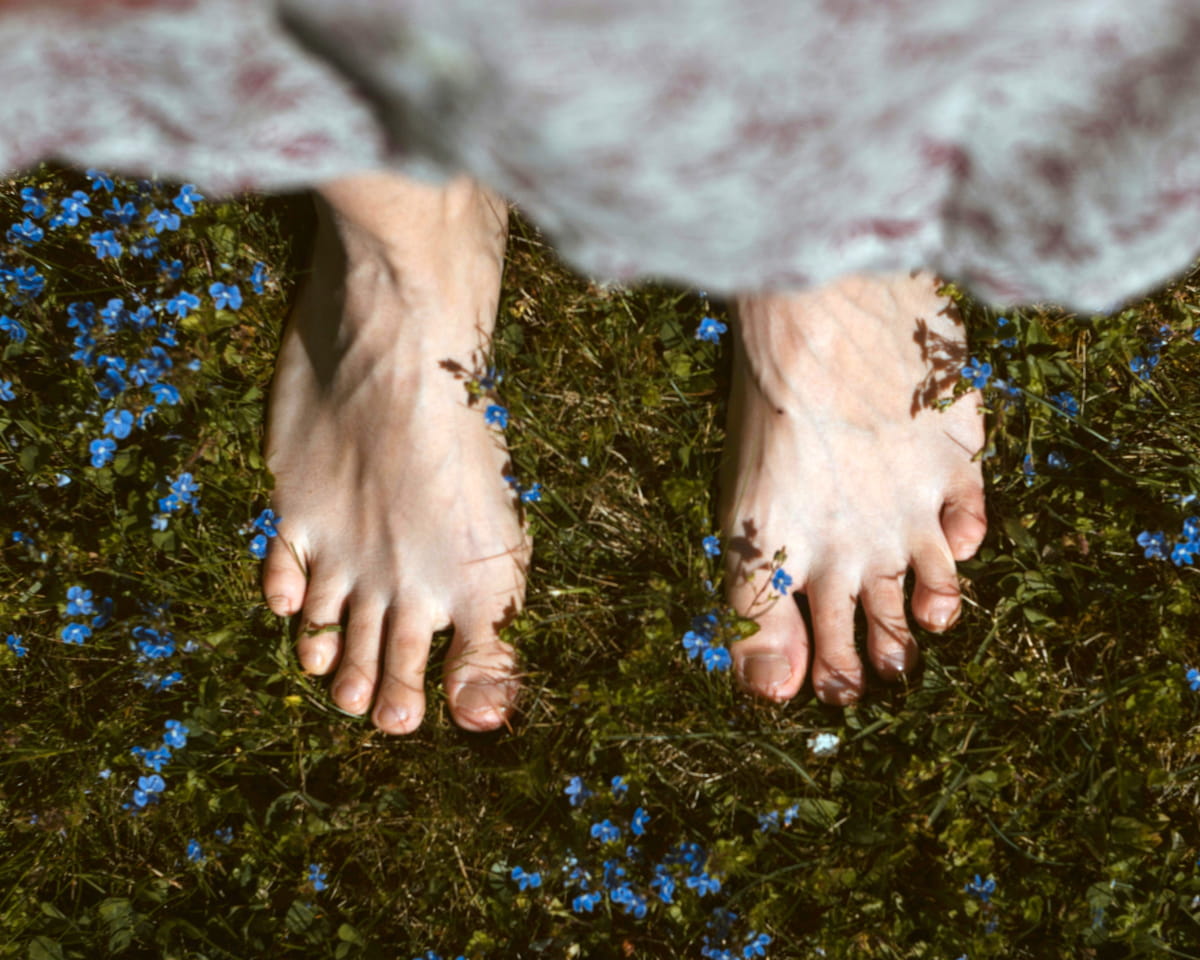
- Barefoot walking and dew-treading in the morning
- A cold arm bath with alternating warmth for in-between
- Face douse (traditionally used, for example, for headaches) for a refreshed complexion
- Full-body douse (full pour) to stimulate the circulation
Tip: How to perform a full-body douse (with cold water!)
If you try a full-body douse once, you will surely notice and be able to confirm some of the following effects on your own body. A full-body douse
- is a strengthening hardening exercise
- boosts the metabolism
- gives a strengthened sensation throughout the organism
- increases breathing rate
- stabilises the autonomic nervous system
- invigorates and refreshes.
Procedure:
- Please cool your heart area and forehead briefly before the douse.
- Begin at the outside of the right foot, then pour slowly up to the groin and back down again. The movement goes from outside to inside and back outwards. Repeat the same starting with the left foot.
- Next come the hands – following the same principle: start with the right hand, pour cold water over the outside up to the shoulder and then back down. Then do the same on the left side.
- When your outer limbs have been refreshed, move in circular motion clockwise over the abdomen.
- Then carefully go over the chest up to the right shoulder, using two-thirds of the water for the front and one-third for the back.
- Again, pour cold water over your abdomen in a clockwise circular motion.
- Finally, finish with your face. You may pour over it in circular motions.
- Very important for the finish: brush the water off – do not dry with a towel – and immediately produce warmth – preferably dress straight away or move about a little. You may also lie down briefly afterwards.
Phytotherapy: Did Kneipp lay the foundations for a sound herbal medicine?
“I have the deepest conviction that herbs are not only remedies but also excellent foods; a look at what the herbs achieve convinces us of this.”
Sebastian Kneipp
If he had not been called the “water doctor”, Kneipp might well have been called the “herbal pastor”: “With every step and tread we make in nature we encounter new plants that are extremely useful and beneficial to us”, wrote Sebastian Kneipp.
Whether blackberry leaves, strawberry leaves, raspberry leaves, shepherd’s purse, hops, coltsfoot, marshmallow, wild garlic or horsetail – Kneipp welcomed the herbal pharmacopeia: “For many years I mainly treated with herbs and achieved the most beautiful successes.” (See Hans Gasperl. The Great Kneipp Book)
Kneipp devoted himself ardently to the literature of his time and tried out many things, especially in the area of herbal teas. Thus he was able to systematically build the second pillar of the Kneipp cure in addition to hydrotherapy and, together with his pharmacist friend Leonhard Oberhäußer, laid the groundwork for a scientifically based phytotherapy.
Tip: How to apply a hayflower poultice according to Kneipp
The hayflower poultice according to Kneipp is commonly used in Kneipp clinics to relieve pain, and is therefore described as “the morphine of the natural healing method”. (Swiss Kneipp Association)
The Swiss Kneipp Association describes the application of a hay poultice as follows:
- Place a few stones in a pan, put a grid on top and fill water up to 3 cm below the grid.
- Place the hayflower sack on the grid as soon as the water is hot (not while heating).
- Put a lid on and let the hay sack steam for about 20 minutes, turning it once if desired.
- The water should simmer lightly the whole time.
- Afterwards carefully remove the hayflower sack and wrap it in towels.
- When the temperature is tolerable, place it on the liver area and rest for about 30 minutes.
Nutritional therapy: Does nutrition contribute to health?
“The way to health leads through the kitchen, not through the pharmacy.”
Sebastian Kneipp
The third pillar of Kneipp’s teachings rests on a healthy diet, based on the assumption that a high percentage of illnesses are nutrition-related. Therefore, Kneipp advocated changing entrenched and unhealthy eating habits. He recommended a balanced diet of high-quality produce as well as fasting cures to relieve the intestines. Thus, a change in diet is always part of a Kneipp cure. An increased fluid intake is also recommended to ease the organism. (See Dr Robert M. Bachmann. Naturally healthy with Kneipp)
Tips: How to switch to Kneipp nutrition
- If you want to follow a Kneipp nutritional cure, a balanced, nutrient- and fibre-rich wholefood diet made from as fresh and organically grown ingredients as possible is recommended.
- Choose half of your daily food as raw foods such as fruit, salads and vegetables according to the season, sprouted grains, fresh muesli, nuts, cold-pressed oils.
- Please avoid refined and denatured foods such as refined flours, isolated sugars, hardened oils, chemical additives in food, and excessive meat consumption (especially avoid pork and processed meats).
Exercise therapy: Alternation between tension and relaxation
“With the alternation between tension and relaxation, between movement and rest
you will most quickly attain physical and mental well-being.”
Sebastian Kneipp
It relieves stress, prevents disease and can even heal. We are talking about exercise. Regular physical activity benefits not only the body but also brings lasting relaxation to the mind. Movement should be balanced, however. Those who move too little should move more. Sebastian Kneipp recognised the value of “reasonable exertion” and its positive effects on the body. The healthy measure is always central, prioritising personal well-being rather than perfection or self-optimisation.
Kneipp therefore advised those who are physically inactive in daily life: “That all parts of the body should come into movement so that no harmful substances accumulate in different places.” It is important to stimulate blood circulation and to maintain and increase physical strength. The Swabian priest particularly emphasised the importance of regular movement patterns as the most effective route to better health.
As with his other teachings, Kneipp placed great importance on a holistic therapy concept regarding movement. He regarded physical activity as an individual form of training – always adapted to the age, constitution and occupational demands of each patient.
Tip: How to integrate Kneipp exercise therapy
- Not only active but also passive movement is recommended in Kneipp exercise therapy. Do regular endurance training depending on what gives you pleasure, e.g. brisk walking, hiking, cycling, swimming, cross-country skiing, but also gymnastics.
- Ideally, do this outdoors in the fresh air.
- No one is demanding elite sport.
- Combine movement and breathing exercises with water applications if you have the opportunity.
Order therapy: When life falls out of balance
“One must realign them or remove the troublemaker,
then all parts will in accustomed subservience serve the whole.”
Sebastian Kneipp
A central aspect of Kneipp’s teachings was lifestyle. Where lifestyle falls out of balance, whether through overstrain or underuse, Kneipp saw a dysbalance. This lifestyle imbalance, whether conscious or unconscious, can negatively affect health.
Our well-being, body and psyche can suffer from the consequences of an unbalanced lifestyle. The degree and intensity of the strain or relief are decisive for the body.
Kneipp emphasised in his writings that observing a balanced lifestyle in health prevention should not be a dogma, but ideally should arise from personal insight and conviction.
Tip: How to integrate aspects of Kneipp order therapy
- If you look at your life with an honest, conscious view, you will surely notice where you have fallen out of balance.
- Perhaps you have too much stress in one area? Then look for what helps you to balance it.
- Or do you have emotional problems in another area? Here too you can try to restore order out of love for yourself and those close to you, rather than clinging to old hurts.
- Maybe your sleep–wake rhythm has fallen apart? Then examine the factors that are stealing your sleep.
Is the Kneipp cure scientifically recognised?
While the Kneipp cure was considered scientifically recognised in numerous preclinical, human physiological and some clinical studies in the 1980s and 1990s, there are efforts to revoke this established method’s status, even though this naturopathic and complementary medical approach was widely accepted by both the public and the medical profession. The reason is that the focus today increasingly shifts toward evidence-based medicine, where a research deficit predominates. (See overview)
Nevertheless: many studies have been able to scientifically substantiate Sebastian Kneipp’s holistic approach. Significant changes after Kneipp therapy have been reported for chronic venous insufficiency, hypertension, mild heart failure, menopausal complaints and sleep disorders, as well as for depression. (See study)
Other studies have shown that regular Kneipp applications can, for example, lead to improved quality of life in patients with bronchitis. (See study)
Conclusion
“To remain healthy, man must move, sweat and
use water in its mildest form.”
Sebastian Kneipp
In our hectic world, where stress and daily demands often become overwhelming, many people long for a break that not only provides relaxation but also contributes to the regeneration of body and mind. One way to restore this balance is the Kneipp cure.
This old knowledge about temperature stimulation of the body according to Kneipp has not lost its relevance today. On the contrary: since so many people are currently confronted with high levels of stress in their way of life and thus have fallen out of balance, it is important to pay attention to the body’s regulatory mechanisms and harmonise the proper functioning of the autonomic nervous system.
The Kneipp cure can help prevent a variety of health problems, including stress, muscle and joint complaints, circulatory problems, digestive disorders and much more. (See Dr Bachmann)
Kneipp cures can be carried out on an outpatient basis at home as well as in specialised Kneipp clinics or spa towns.
Disclaimer
The cure must not be used in severe conditions that require inpatient clinical treatment or in acute states. For example, severe heart, kidney, liver and brain failure, as well as infectious diseases, tuberculosis, active inflammations of the liver and kidney, addictions, severe mental and emotional illnesses and a pronounced overactive thyroid are generally contraindications for any type of cure. (See Dr Bachmann)
Image 1: Merri J/unsplash.com ; Image 2: Feteme Fuentes/unsplash.com ; Image 3: Niklas Hamann/unsplash.com

