

How to maintain healthy-looking skin during the cold season
“That really gets under my skin” — are you familiar with this saying? It shows how much the skin is connected to our sensitive inner emotional world. It is both a sensory organ and a protective barrier and needs a lot of attention and care, especially in the dark, cold months.
Pay attention if your skin becomes dry, dull or lined, because this can be caused by winter cold, but may also be an early warning sign of a lifestyle that has fallen out of balance. In such cases, your skin needs care from the outside and from within.
Whether a radiant complexion, dry, lined skin or spots – your skin always reveals something about your inner state – how comfortable do you feel in your own skin?
Therefore, holistic winter skin care means not only external care but also inner attention.
In this article we reveal
- valuable tips for skin care in winter,
- more about the language of the skin: what the skin shows about the condition of the inner world,
- why nutrition is also important for skin care.
Valuable tips for winter skin care
Your skin is particularly stressed in the cold months. Icy cold alternating with warm central heating air – the skin often reacts to winter strains with patches and redness or feels tight and irritated. How can you care well for dry skin in winter?
If your skin feels dry and tight, it itches or flakes, this is a sign that it is heavily stressed. The problem is that dry skin quickly becomes cracked and brittle and therefore offers less protection against germs. Your protective barrier is impaired. This can lead to eczema or bacterial infections. That can be very unpleasant.
That is why gentle natural cleansing and the right care with oil- and moisture-providing creams are so important. They form good all-round protection.
However, most people often do not know whether the skin needs more oil-rich or more moisture-providing substances in winter.
The answer is simple:
Younger skin usually needs more moisture, while older skin often needs both moisture and oil.
If, for example, your skin is only very dry in winter and tends to flake and feel parched, it usually lacks moisture. If it feels tight throughout the year and gives a persistent sensation of dryness, this is a sign that lipids (fats) are missing.
Tips for your winter skin care:
- For ideal winter skin care, moisturise twice daily and additionally use a hydrating serum.
- Be cautious at sub-zero temperatures! Water-based moisturisers can freeze at low temperatures and damage the skin.
- If you spend a lot of time outdoors in winter, an oil-rich cream (water-in-oil emulsions) is therefore recommended.
- If you do not want to forgo moisture, you can alternatively apply the moisturiser or hydrating serum under the cold-protective oil-rich cream.

Aloe vera – natural hydration for a radiant complexion
A wonderful moisturiser is provided by a plant that manages to store water efficiently even in the greatest summer heat: aloe vera. Aloe vera is a medicinal plant with a millennia-old tradition. It readily donates its moisture to eliminate dryness – a great gift from nature. [See study]
Its juicy leaves with the gel-like substance have long been used for skin care: aloe vera, also called the desert lily, can soothe the skin and at the same time supply moisture. It is rich in enzymes, micronutrients and salicylic acid – valuable ingredients that can be moisturising, cooling, pain-relieving and anti-inflammatory. Scientific studies have also confirmed that aloe accelerates the healing of pustules and wounds and reduces scarring. [See study]
Hyaluronic acid – the light, moisturising skin care for winter
Another wonderful substance with moisturising properties is hyaluronic acid. It is also found in many care products. The reason is: hyaluronic acid helps keep the skin elastic, well-hydrated and plump. It is a component of connective tissue and acts in the body like a moisture magnet, binding water in the skin. It is worth knowing that the hyaluronic acid used in skincare and medicine is often produced synthetically. Even for natural products, you should ensure that no animal ingredients such as cockerel combs or mineral oils are used. In the past, hyaluronic acid was obtained exclusively from rooster combs and was sometimes even called "rooster comb extract".
This is not only ethically questionable! Why should other living beings suffer for our well-being when it can be done differently? It was also shown that the proteins contained in animal-derived hyaluronic acid cannot always be completely broken down. Some people experienced severe allergic reactions up to allergic shock. Pathogens can also be transmitted via animal hyaluronic acid. Vegetarian hyaluronic acid, on the other hand, is usually produced by fermentation and is therefore not only more ethically acceptable but also carries fewer risks.
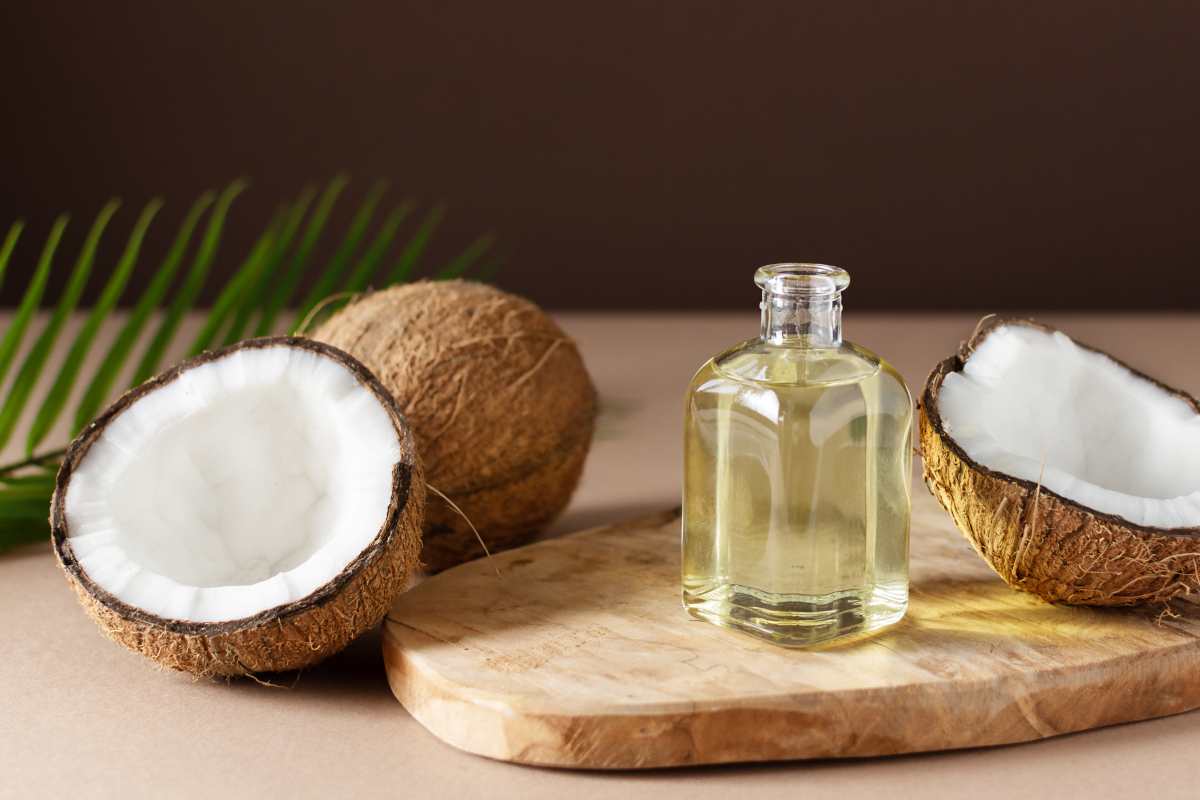
Rich creams and oils for winter skin – the "fat suppliers"
In addition to moisture, oil-rich creams are part of comprehensive winter skin care. Dry winter skin needs high-quality lipids and moisture to regain its elasticity. A wide range of plant oils is available to you, such as almond oil, jojoba oil or evening primrose oil.
Almond oil: fast-absorbing, oil-rich skin care
Almond oil is derived from the sweet almond (Prunus dulcis) and is a very light oil that absorbs quickly into the skin. Almond oil contains vitamin E, which has antioxidant properties, and is particularly suitable for sensitive skin. It soothes the skin while supplying it with both fats and moisture.
Jojoba oil: the light yet nourishing winter skin care
Jojoba oil comes from the seeds of the jojoba plant (Simmondsia chinensis) and is very similar to the skin's natural oil (sebum), which allows it to blend well with the skin. It is light, non-greasy and has moisturising properties. Jojoba oil is also suitable for oily skin since it can help balance the skin's natural oil production.
Evening primrose and its special magic
Unique and special is the evening primrose, which unfolds its magic after sunset. Only then does it quickly open its large yellow flowers to attract the night’s moths. Evening primrose oil is obtained from its seeds and is particularly rich in gamma-linolenic acid, an essential fatty acid important for skin health. Evening primrose oil (Oenothera biennis) is often valued for its anti-inflammatory properties and can help with skin problems such as eczema or acne.
Shea butter from the karité tree: oil-rich skin care from the African savannahs
An ideal winter blend is shea butter, which has a high fat content and helps retain moisture in the skin. It comes from the karité trees (Vitellaria paradoxa) of the African savannah. Shea butter is rich in fats including oleic acid, stearic acid, linoleic acid and palmitic acid. It is also a source of vitamin E.
Coconut oil: the rich tropical skin care
For thousands of years, people in tropical countries have used the coconut (Cocos nucifera) as a staple in diet and body care. In Sanskrit the nut is known as "kalpa vriksha", meaning "the palm that provides everything necessary for life". One of the special gifts of the coconut is its virgin oil, which keeps the skin soft in winter and simultaneously nourishes it. In addition to these caring and nourishing properties, coconut oil also has anti-inflammatory qualities [See study] and can be very beneficial externally for many skin issues. [See study]
Beeswax salve from beeswax and propolis: for protection and moisture in winter
A lesser-known but still very traditional winter skin care remedy is the beeswax salve. It consists of beeswax and propolis, which show their qualities particularly well in winter cold. The dream team of beeswax and propolis can be very helpful for cracked skin or small skin injuries. Bees build their combs from beeswax and propolis is the substance they use to seal their hive to protect it from disease. Beeswax supplies moisture and forms a naturally protective barrier on the skin. It is rich in vitamin A, which is important for skin health. Propolis has antimicrobial, anti-inflammatory and antioxidant properties and is often valued for skin problems such as acne, eczema and minor skin injuries. [See study]
Lip care in winter
In addition to facial care, the lips also need attention in winter. The skin in this area is extremely thin and lacks sebaceous glands, so it can quickly become rough and cracked. It is therefore recommended to use a lip balm with a high fat and moisture content.
Tip: For example, argan oil or beeswax salve are suitable to prevent dry, chapped lips. You can use either pure or as ingredients in care products.
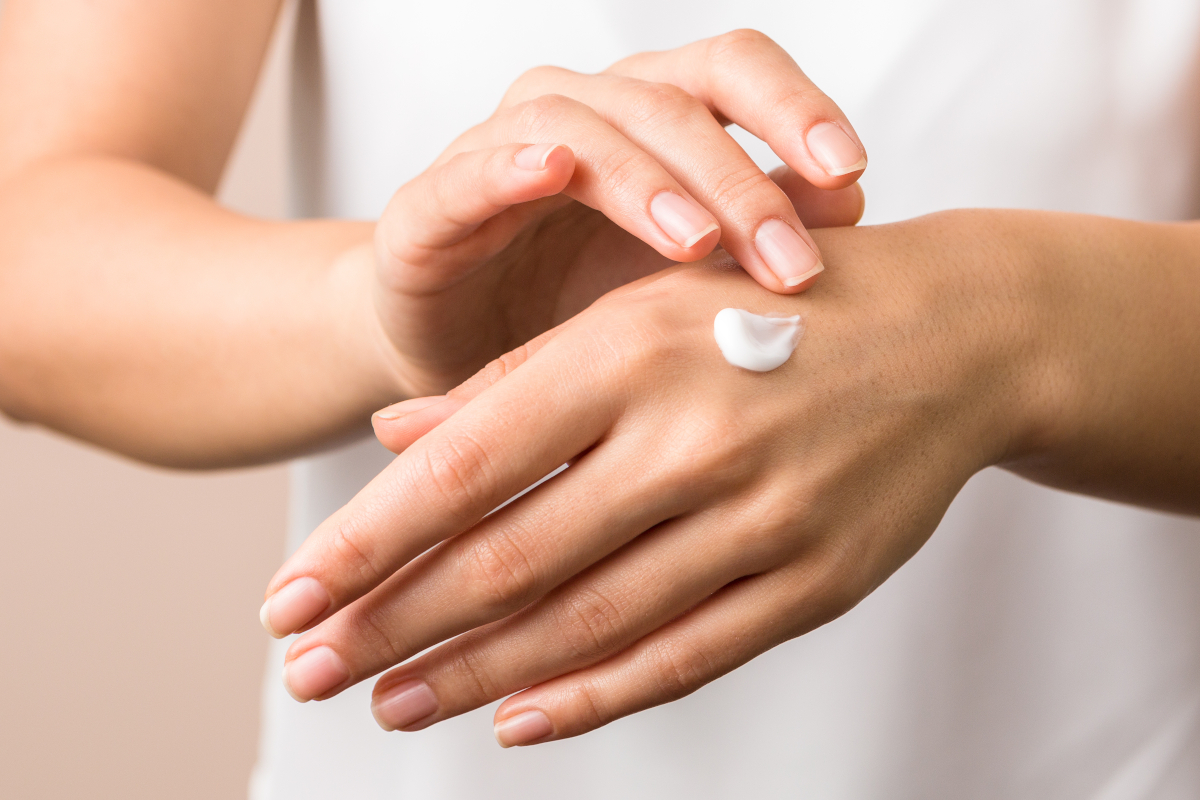
Supple hands despite the cold
Do you know the feeling? If gloves are left at home just once in winter, your hands become rough and cracked? An "intensive hand treatment" helps here. You can massage your hands with an organic oil overnight, preferably while the hands are still damp. Afterwards apply an oil-rich hand cream, put on cotton gloves and leave them on overnight. You can also try this if you tend to have rough, cracked feet. (For the feet, castor oil is also a good option.)
Special skin care for spots and acne in winter
If you or people you know suffer from spots or acne, a special winter skin care routine is recommended. First of all, it is advisable not to use alcohol-based cleansing products on impure skin, even though the temptation can be strong. The alcohol in these cleansing products dries out the skin and makes it very vulnerable. The natural skin barrier is disturbed. Instead, chamomile steam baths are recommended for skin cleansing, followed by a skin care product such as argan oil, which does not clog the pores. Beeswax salve can also be considered for acne therapy and for caring for irritated and sensitive skin.
Deep skin care in winter: facial masks for beautiful skin
Nothing is nicer in winter than a wellness day focused solely on you, giving your skin an extra dose of care. In addition to a soothing alkaline bath, cream masks with rich ingredients such as shea butter, avocado oil or hyaluronic acid are suitable for dry skin, while for oily skin masks with seaweed or healing clay are recommended. A peeling can also help stimulate circulation and make the skin soft and supple again.
What you can do for internal skin care
The skin and its emotional significance – the connection between inner and outer worlds

As within, so without … The skin is our connection between our inner and outer worlds. It protects us, shielding us from external influences such as weather factors, microorganisms, chemicals and UV radiation. Yet it is not a rigid wall but rather a permeable membrane through which we can also absorb or release substances. At the same time, the skin is a sensory organ through which we perceive and feel. It is also an expression of how we feel.
“The skin breathes, it absorbs nutrients, has a metabolism and excretes. It is also called the 'third kidney' or the 'third lung'. Fundamental reactions of an intact immune system manifest on it, by sweating germs and foreign substances are diluted and by fever they are 'burned'.”
See Rosina Sonnenschmidt, Skin and the Lymphatic System – Bastions of Immune Power
The language of the skin: what the skin reveals about the condition of your inner world
If you have ever suffered from skin problems yourself, you will surely know that this often occurred during periods of particularly high stress. The skin mirrors our well-being and likes to show it when we are stressed.
Chronic skin diseases, on the other hand, can also signal deep traumatic experiences related to the theme of truly being touched (on the level of the heart). (It is worth taking a look at the findings of the New Medicine, which deals with the psychological causes of diseases in depth.) For example, it is possible that your personal boundary of touch was crossed in the past, which can lead to a recurring fear of boundary violations and skin problems. Long-standing skin problems can often be traced back to unresolved relationship conflicts that have been repressed in the subconscious for a long time.
Therefore: if you suffer from skin problems year-round or repeatedly, not only due to cold exposure in winter, it is worth also looking into the emotional aspects.
Why nutrition is also important for skin care
You surely know this as well: when work stress rises and you no longer pay attention to your diet, the result appears quickly: spots. As an expression of the inner state, the skin shows when you are overloaded. The stress-poor-diet combination consisting of fast food, lots of sugar and refined flour increases the burden of toxins in the body. Alongside the kidneys and liver, the skin is another "detoxification organ". The body then attempts to excrete toxins through the skin. The gut and the skin are closely linked. Therefore, the condition of your skin also indicates that you should pay attention to "internal" skin care in winter – and that you can do a lot for a radiant complexion if you understand the connections. This mainly means recognising and reducing stress factors and being aware of nutritional influences.
Sugar and your skin
Of course many people, and perhaps you too, reach for sweets when stressed. Unfortunately, the effects can appear within a very short time, especially in people who already suffer from skin impurities or acne.
Too much sugar intake shows up as a sallow, aged and slack facial skin, particularly below the eyes the skin becomes very thin. Excess sugar also leads to furrows on the forehead, fine creases, pustules and a dull complexion. Often the tear bags become more prominent.
Therefore, when tackling winter skin care, a change in diet regarding sugary foods (and, of course, stress reduction) is advisable.
Alcohol and your skin
Alcohol consumption also affects the skin, as blood vessels and connective tissue are damaged, which leads to dilated capillaries and redness, but also swelling, spots and oily skin. Alcohol depletes your body of fluid and also trace elements and minerals. Over time the skin therefore looks sallow and dehydrated and the face loses its glow.
Thus, looking at your alcohol consumption also belongs to internal skin care – ideally omit it, at least for the sake of beauty. :)
Milk and your skin
Did you know that cow's milk is not really good for your facial skin? Dairy products cause a high insulin response, which increases the production of dihydrotestosterone – a breakdown product of the male sex hormone testosterone. This in turn causes the sebaceous glands to produce far too much sebum, which can lead to inflammation. Skin impurities are strongly promoted by cow's milk.
Natural is good
The top priority for radiant skin is therefore also your diet – especially for internal skin care. You can consider the following when caring for your skin from the inside out:
- Avoid any food that is highly heated, as it is unfortunately denatured.
- The more natural and unaltered the food we eat, the more healing it is.
- A healthy, nutrient-rich diet with plenty of fresh fruit and vegetables supports and strengthens the immune system, can prevent diseases and positively influence disease courses.
- Consume plenty of fruit, vegetables and freshly pressed juices.
- As much raw food (salads, fruit) as possible.
- Vary foods and eat a diverse diet.
- Prepare food tasty and nutrient-preserving (little heat).
- Less animal fats.
- Sweets only occasionally.
- Use more whole grain products as they are high in fibre and cleansing for the gut.
- Season well, but don’t over-salt (use fresh herbs).
- Eat less – keep moderation.
- Drink enough (pure, filtered tap water, herbal teas).
Supplements for "skin care from within"
A balanced diet is the foundation for healthy skin. Nevertheless, you can support yourself additionally with nutrients in winter.
- Omega-3 fatty acids, found for example in fish oil or krill oil, have anti-inflammatory effects and promote skin elasticity. [See study]
- Vitamin E, found in nuts, seeds and green leafy vegetables, supports the regeneration of skin cells. [See study]
- Vitamin D is another important nutrient that is often neglected in winter due to reduced sunlight. Taking vitamin D can help promote skin health. [See study]
Conclusion: What matters for holistic skin care
When winter returns with cold or unstable temperatures and you suffer from skin problems, you are well equipped with natural skin care.
The be-all and end-all for external care are creams with moisturising properties as well as rich oil creams or oils. This supports the skin's natural protective barrier.
For your "internal skin care" you can support yourself with targeted detoxification or dietary changes and thus care for your skin from the inside. Drink enough water to flush toxins from the body and to hydrate the skin.
Wellness days with sauna visits can also help to detoxify the skin by opening pores and sweating out pollutants. Make sure to care for your skin afterwards to protect it from drying out again.
Overall, a holistic approach to winter skin care is crucial. By combining external care, appropriate supplements, stress reduction, emotional awareness and targeted detoxification, you can protect your skin (and yourself) from the strains of the cold season and give it a radiant appearance.
Figure 1: Ground Picture/shutterstock.com; Figure 2: Didecs/shutterstock.com; Figure 3: Inna Dodor/shutterstock.com; Figure 4: Andrei David Stock/shutterstock.com

