

Guide, reasons and positive effects
Have you been feeling listless and tired for some time, or do you repeatedly suffer from headaches and frequent infections? These could be signs of an over-acidified metabolism, a way your body tells you it is overloaded and that you should take time for a basic cleanse!
If you do not want to undergo a radical cure but are looking for a cleansing method that fits well into your everyday life, alkaline fasting is recommended.
The great advantage of alkaline fasting is that you can detoxify your body gently, help it break down excess acids and restore an alkaline environment. You will learn how in this article.
In this article you will find out,
- what this fasting method involves
- why you should try alkaline fasting
- which physical symptoms indicate that a cure is necessary
- and how to carry out an alkaline cure.
Alkaline fasting: what is behind this fasting method?
Alkaline fasting is perhaps the easiest form of fasting there is. It means eating fruit and vegetables over the period of a week. That’s achievable!
The good news is: you are allowed to eat! And you may have three meals a day.
Compared with a radical fast in which food is avoided altogether, alkaline fasting means you will not feel hungry.
Alkaline foods such as fruit, vegetables and fresh herbs, sprouts or sprouted grains are placed on the plate, while acid-forming foods are excluded. This enables detoxification, deacidification and will very likely make you feel much lighter. An alkaline cure can not only have a positive effect on your health but may also lead to a weight loss of up to 4 kilograms. Curious?
Why should you try alkaline fasting?
Acidosis is always a cry for help from your body because it creates the breeding ground for many illnesses. One of the main reasons so many people are over-acidified is diet: too much food is eaten and especially too much fat and protein. In addition, people often eat too late, so food remains in the body overnight. Thoughtless eating due to stress, frustration or boredom also causes acidosis. Too much cake, too much pizza, too much meat or industrially processed food because things must be quick – the gates are wide open for the uninvited guest that arrives as acidosis. Less well known is that milk and dairy products promote acidity. And of course our civilisation treats: coffee, alcohol, nicotine, sweets, cola or other soft drinks.
Besides diet, the whole lifestyle – from too much or too little exercise to fears, worries or anger and negative thoughts – contributes to acidification of the body.
“Mineral depletion” through acidosis
The problem is that at a certain point the body is no longer able to break down and eliminate acids – simply because there is too much. It begins to store them instead. To do this it must first neutralise them – and this at the expense of two important alkaline minerals: calcium and magnesium.
If calcium and magnesium are not available in sufficient amounts, the body must take them from the bones. Could acidosis therefore be one reason why so many people in our society suffer from osteoporosis in old age?
At the very least, acidosis takes a toll on the body's substance when calcium and magnesium are drawn from the bones, the teeth, connective tissue, tendons and other tissues to neutralise the acids!
“Here we see the action of our bodily intelligence:
If the body cannot excrete the waste products because the excretory organs are overloaded, it packages these substances and stores them in an interim depot until the excretory organs have capacity again.”
Sabine Wacker
Developer of the alkaline fasting method,
author & naturopath
The neutralised acids are colloquially referred to as “slags”. This means the salts that arise in the conversion process and which ultimately lead to symptoms such as malaise, lack of energy and tiredness. These slags are often – to the distress of many women – deposited in the connective tissue and show up, for example, as cellulite (orange-peel skin).
But wrinkles or adhesed fascia can also be traced back to slags. Besides connective tissue, slags are often deposited in the form of uric acid in the joints, which then manifests as physical symptoms such as arthritis or arthrosis. Stone formations are also signs of acidosis and slag deposits – it makes no difference whether as kidney or gallstones. (The Autor Andreas Moritz writes extensively about this topic.)
The following physical symptoms are a good reason for a detox cure
Your metabolism shows very directly that you may be over-acidified. According to Andreas Moritz, Autor of the book The Miraculous Liver and Gallbladder Cleanse, bowel movements of up to three times daily are considered normal. You can tell from the colour of your stool whether you are over-acidified: the darker the stool, the more acidified you are. Of course, colouring foods like beetroot are an exception.

According to the developers of the alkaline fasting method, Dr med. Andreas Wacker and Sabine Wacker, the following signs can also clearly be attributed to acidosis:
- Lack of drive,
- headaches,
- tiredness,
- nervousness,
- susceptibility to infections,
- inflammations,
- depressive moods,
- skin blemishes,
- skin itching,
- the reappearance of old symptoms
In addition, acidosis can also lead to brittle nails and hair loss, especially when the body, in attempting to correct pH, draws on various mineral depots such as the hair follicle and nail bed.
“I am often met with surprise when I ask: ‘What have you done so far to relieve your body, for example through a detox cure?’ ‘Detoxify …? But I have migraines, my mother had that too, it must run in the family. I have nothing to do with toxins.’ ”
How astonished these patients are when after a few weeks, through suitable detox measures – and usually with little effort – they experience a marked improvement. Often it is surprisingly simple to get long-standing ailments under control.”
Sabine Wacker
Developer of the alkaline fasting method,
author & naturopath
How to recognise the signs of acidosis
Cloudy eyes
Do you notice this in yourself or others? The eyes are not as clear as usual. A cloudy look, puffy upper or lower lids, tear bags, discolouration around the eyes – all these can be indications of acidosis. This connection becomes evident after fasts – the fasters’ eyes almost always become much clearer, as if the gaze becomes friendlier. :)
By the way: if someone has tear bags, this can indicate an overloaded excretory function of the kidneys.
Pale or spotty skin
You can also recognise acidosis from the skin: if the skin tends to blemishes of any kind, this shows, among other things, that the gut may be burdened. If the skin is pale and wrinkled, this can also be a sign of acidosis. The appearance of your skin should always be smooth, clear and rosy, as it reflects your inner condition.
Discoloured and deformed nails
Nails can also indicate acidosis. While healthy nails are simultaneously firm, elastic and glossy, nail problems indicate imbalances. A detox is therefore indicated if you have thick, horny, yellow, brown or grey-black nails. Calluses or sticky skin on the feet, heavily discoloured nails or nail fungus are clear cries for a detox.
Teeth and gums
As Sabine Wacker describes in her books on alkaline fasting, healthy teeth are free from caries, and the gums are free from periodontitis. An ideal that we rarely find. This connection is also explained by the author as a sign of acidosis, often as a consequence of too high a sugar intake.
Coated tongue
You do not need to be versed in tongue diagnosis of Traditional Chinese Medicine to recognise whether a detox is necessary. According to Sabine Wacker, a yellow, brown, grey-black or sticky coating on the tongue indicates a necessary cleanse. This is always a sign of existing toxins.
Do you recognise the symptoms described and feel affected by one or more points? Then now might be exactly the right time to start alkaline fasting!
Alkaline fasting, how to do it – a guide
You have probably realised by now: it’s time for a cleanse.
If you are in the middle of everyday life and cannot find extra time for a therapeutic fast, we recommend alkaline fasting. With alkaline fasting you detox by removing all foods that burden the metabolism and form acids from your meal plan for a time. You will find out which these are shortly.
1. Preparation
So that alkaline fasting can really be a pleasant experience, you should make a few important preparations. These include:
- Choose the right time for you so that you can integrate alkaline fasting into your daily routine.
- Give up caffeine at least three days before the cure to prevent “detox headaches”.
- In the time before the fast, set aside animal products and sweets to reduce the metabolic burden in advance.
- Inform those around you that you will be doing an alkaline cure so that well-meaning cake offers are kept to a minimum.
- Buy the essential ingredients before you begin and read up on the positive effects of an alkaline cure. This can be very motivating and help you get through any crises during the cure.
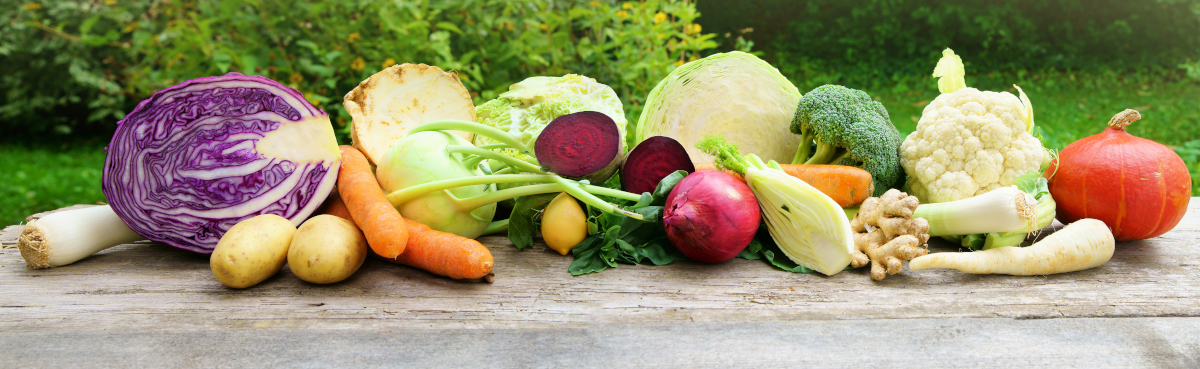
Your shopping list could look like this:
- 4 apples
- 5 bananas
- 250 g parsnips
- 1 large celeriac
- 2.5 kg potatoes
- 4 onions
- 4 beetroot
- 1 large Hokkaido pumpkin
- 4 carrots
- 10 mushrooms
- 4 lemons
- 1 piece of ginger
- cress
2. Fasting week: the alkaline fasting programme
The 10 golden rules
First of all it is important to familiarise yourself with the ten golden rules of alkaline fasting, as these will accompany you through your alkaline fasting period:
- Only for those who tolerate it
- Raw food only until 2 pm
- Evening meal until 6 pm
- Prepare vegetables gently
- Eat according to your “feel-good amount”
- No wild combinations
- Season moderately
- Listen to your gut feeling
- Fruit portion max 20 per cent
- Chew thoroughly
The most important basics of alkaline fasting
Please also observe the following basics for your alkaline fasting week:
- From the start day you can have three meals daily and, if you feel a little hungry in between, two snacks – depending on what you feel like.
- In addition, you should perform bowel cleanses with Glauber’s salt, warm water enemas or colon hydrotherapy every two to three days. This supports your body in eliminating toxins.
- From now on avoid all acid-forming foods such as meat, cold cuts, fish, dairy products, grain products, sugar, alcohol, coffee and black tea.
- Instead, during the alkaline fasting period enjoy tasty, fresh fruit, fresh vegetables, fresh herbs, crunchy sprouts and natural, high-quality oils. You may eat, you may get full and you should even enjoy it!
- Ensure sufficient exercise daily for at least 30–45 minutes. Go swimming, walking or even jogging to train your endurance.
- Kneipp cures have also proven useful as additional measures to promote good circulation and help remove slags.
These ideas will help you create a delicious alkaline breakfast:
In the morning it is best to eat fruit or an alkaline muesli. Pair it with a freshly pressed juice, as this supplies essential vital nutrients. You can’t just swallow the juice as usual, but should consciously “chew” it. This stimulates digestive enzymes already in the mouth.
However, make sure you choose only ripe fruit and seasonal vegetables. Oat flakes are acid-forming and are not suitable for the alkaline cure, nor are cornflakes. Please choose tigernut flakes (chufa nuts) instead for an alkaline muesli.
How to make your alkaline lunch tasty:
A crisp, fresh raw salad, for example with fresh sprouts or fresh herbs, is recommended here. If that seems too little, you can follow the salad with a cooked vegetable dish.
From potato wedges to vegetable ragout to delicious desserts: in the “bible” of alkaline fasting you will find alkaline recipes for your lunch such as salads and soups, but also breakfast ideas. (See Elisabeth Fischer: Heilsames Basenfasten - Die Bibel)

How to plan an alkaline evening meal:
For the evening meal, make sure not to eat after 6 pm and not to eat too much. Ideal options are, for example, a vegetable soup or a small steamed vegetable dish. Do not eat raw food in the evening – neither salad nor fruit. If possible, avoid snacks and drink a glass of water or herbal tea instead.
Many tips for your shopping list and wonderful recipes can be found here: Sabine Wacker: Einfach Basenfasten
What may be on the plate and what not?
Now comes probably the most important part, because it is not always so easy to distinguish alkaline foods from acid-forming ones.
These are the main acid-formers according to Sabine Wacker:
- All meat and cold cuts, meat broth
- Fish
- Shellfish
- Mustard and vinegar
- Dairy products, even low-fat: all cheeses, quark, pasteurised milk
- Egg, egg white (yolk alone = alkaline)
- Pulses
- Asparagus
- Brussels sprouts
- Artichokes
- All nuts except almonds and fresh walnuts
- Carbonated drinks (including mineral waters)
- Fruit teas, mate teas, black, green and white teas
- Wholegrain cereals
- All sweets, especially those made with factory sugar, ice cream
- All white flour products, including grey rolls
- Pasta, hulled and polished cereals (e.g. polished rice)
- Hardened, refined fats and oils, ordinary margarine, cheap salad oils
- Filter coffee, lemonades, cola, alcohol
- Soya and soya products
The list of alkaline foods
A food is alkaline when it is rich in alkaline minerals such as potassium, magnesium and calcium or when it has only a low protein content. These foods are metabolised by your body in an alkaline way. Alkaline foods include, among others:
- Apples
- Apricot kernels
- Avocados
- Bananas
- Broccoli
- Lamb’s lettuce
- Cardamom
- Potatoes
- Sour cherries
- Celery stalks
- Lemons
Here you will find a detailed list of alkaline foods according to Sabine Wacker.
Attention! Common mistakes
Even with the tips given, there are some mistakes that occur again and again:
For example, coffee is often given up too late, which can lead to detox reactions such as headaches or dizziness. Stop drinking coffee at least three days before the fast. Another mistake is forgetting the bowel cleanse; this too can trigger unwanted and unnecessary detox reactions. Remember to do an enema from the first day of fasting and then repeat at least every 2nd or 3rd day. Often too little is drunk – two to three litres of water or thin herbal tea should be consumed daily. Incorrect meal times or too much raw food can be further mistakes.
Support from herbs and minerals
You can also support yourself with herbal plants during the fast. Traditionally, dandelion, milk thistle or artichoke are used for liver cleansing; for kidney cleansing goldenrod, field horsetail, nettle, blackcurrant leaves; for the lymphs geranium leaves. Sweating-promoting plants such as elder or linden flowers were also used historically to support fasts. Schuessler salts are also recommended for support. (See Sabine Wacker: Basenfasten & Schüssler-Salze)
3. The time after the fast
Often after a fast you initially have no desire to fall back into old eating habits. The body feels cleansed and light. Nevertheless, it is advisable after alkaline fasting to continue integrating alkaline foods. Ensure you have alkaline foods three times a day. Plan regular alkaline days to support your body.
Enjoy acid-forming foods in moderation – ideally a maximum of 20% of your diet. Treat yourself to coffee, cola and the like only occasionally. Limit consumption of meat, cold cuts and fish to at most 2–3 times per week.
Conclusion
The results of an alkaline fasting cure will not take long to appear. After just one week you can expect a changed bodily sensation, altered complexion and clearer eyes. Most people feel more energy and improved concentration after the cure. Sustainable weight loss is also frequently reported. When the metabolism functions better again, micronutrients can also be absorbed more effectively.
You may continue the alkaline cure for as long as you wish. Here you can completely follow your gut feeling.
Disclaimer
In general, alkaline fasting is suitable for anyone who wants to eat more healthily. However, detox cures are not recommended during pregnancy and breastfeeding.
It is always advisable, especially if you have existing health problems, to consult a doctor or an herbalist.
Image 1: Mykola Mazuryk/shutterstock.com; Image 2: Johanna Muehlbauer/shutterstock.com; Image 3: margouillat photo/shutterstock.com

