
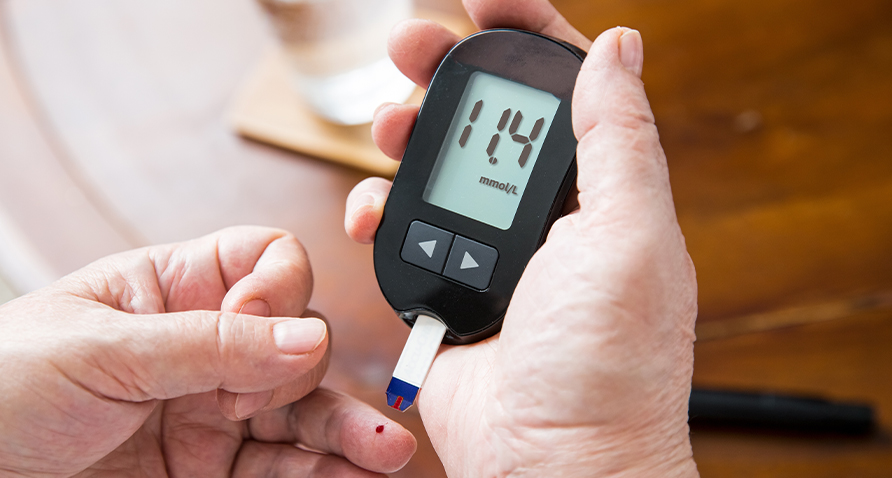
Figure 1: If blood glucose levels remain elevated in insulin resistance, the risk of type 2 diabetes and other secondary diseases increases. Appropriate lifestyle and dietary changes can help prevent this effectively.
In insulin resistance, the body’s cells no longer respond adequately to the hormone insulin. The result is an elevated blood glucose level and an increased risk of type 2 diabetes and other potential secondary conditions such as metabolic syndrome, cardiovascular disease and hormonal disorders. In this blog article you will learn how insulin resistance develops and what it can cause. You will also receive eight lifestyle and nutrition tips that can help you prevent insulin resistance or bring your blood glucose levels back to normal.
What is insulin resistance and how does it develop?
Insulin resistance is a metabolic disorder characterised primarily by elevated blood glucose levels. To understand this connection, it is necessary first to consider the role of insulin in the body. Insulin is a hormone crucial to human metabolism, produced by the beta cells of the pancreas. It is required to transport glucose from food into body cells, where the sugar is used to generate energy (ATP production).
In insulin resistance this mechanism does not function correctly: because the cells respond less or not at all to insulin signals, the sugar does not enter the cells but remains in the blood – the blood glucose level rises. The pancreas reacts to the persistently elevated or even rising blood glucose by producing ever more insulin. The result is an excessive amount of insulin that accumulates in the blood; a state also referred to as hyperinsulinaemia.
Insulin resistance can already occur during adolescence. A temporary insulin resistance is also possible during life phases when the hormonal balance changes significantly – for example during pregnancy or puberty. Early detection is crucial to prevent the development of type 2 diabetes and other sometimes serious secondary conditions.
The link between insulin resistance and type 2 diabetes
In Germany about 10 percent of adults suffer from diagnosed diabetes mellitus, with over 90 percent of these diabetes cases being type 2 diabetes.[1] Because insulin resistance often precedes diabetes, it is also referred to as "prediabetes". But how can insulin resistance develop into type 2 diabetes? Insulin resistance does not occur overnight but usually develops gradually. If the pancreas secretes increased insulin for a long time to compensate for the elevated blood glucose, the metabolic disorder becomes established. Blood glucose levels rise more markedly and fall more slowly than in metabolically healthy people. Over the long term the pancreas may become overworked and eventually stop producing insulin altogether. Blood glucose then remains elevated permanently and independently of food intake – this is known as type 2 diabetes.
Common causes of insulin resistance
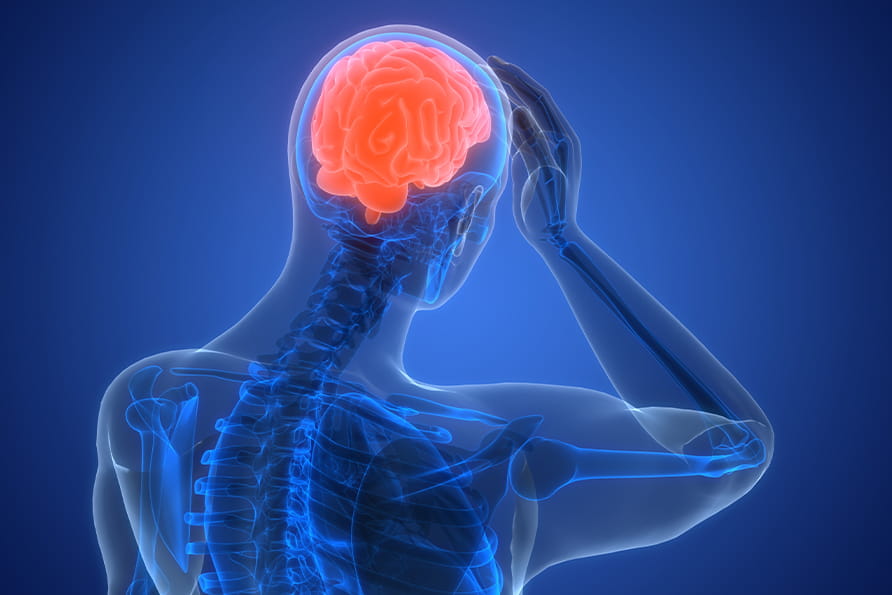
Figure 2: In the development of insulin resistance not only a possible genetic disposition is relevant. Certain lifestyle factors can also promote the development of the condition.
The mechanisms by which insulin resistance develops are complex and still not fully understood. It is known that insulin resistance can be inherited; however it can also develop without a hereditary predisposition. Certain lifestyle factors play a major role in disease development. Risk factors that can favour insulin resistance include:
- cases of type 2 diabetes in the family
- (abdominal) overweight
- unfavourable diet (e.g. high in calories, sugar and carbohydrates)
- lack of exercise
- chronic stress
- medication (e.g. glucocorticoids)
- smoking
- high alcohol consumption
- infections
In addition, insulin resistance can occur as an accompanying feature of other conditions. People with PCOS (polycystic ovary syndrome) or non-alcoholic fatty liver disease[2], as well as women who have been diagnosed with gestational diabetes, generally have an increased risk of developing insulin resistance.
Studies also indicate that abdominal fat (visceral fat) can promote the development of insulin resistance.[3] This is mainly because visceral fat is hormonally active and negatively affects metabolism. For example, abdominal fat can release pro-inflammatory signalling molecules (cytokines) that disrupt insulin signalling within cells. In addition, visceral fat produces increased free fatty acids, which can inhibit glucose uptake in muscle and thereby cause a rise in blood glucose.
Short- and long-term consequences of insulin resistance
In addition to type 2 diabetes, insulin resistance can lead to other diseases and health problems. This includes the so-called metabolic syndrome. The combination of several metabolic disorders is a significant risk factor for cardiovascular disease and stroke. For a diagnosis of metabolic syndrome, at least three of the five criteria must be met – visceral obesity, elevated blood glucose, high triglyceride levels, low HDL cholesterol and high blood pressure.
The high blood glucose typically seen in insulin resistance can also damage blood vessel walls. Narrowing of the vessels occurs, often accompanied by high blood pressure and circulation problems (especially in the feet and fingers). Overall, the risk of cardiovascular disease and nerve damage increases.[4] The association between insulin resistance or hyperinsulinaemia and certain cancers has also been confirmed by multiple studies.[5]
How can I tell if I am insulin resistant?
Insulin resistance often remains symptom-free for a long time. The fact that the first signs are usually non-specific further complicates correct diagnosis. Accordingly, many people with insulin resistance are not aware of their condition. Because early detection and timely countermeasures are crucial to prevent the development of type 2 diabetes, you should be alert if you notice one or more of the following symptoms:
- persistent tiredness
- weight gain (especially around the waist)
- bouts of intense hunger
- strong thirst
- frequent urination
- delayed wound healing
If insulin resistance is suspected, medical examination is advisable. Laboratory diagnostic procedures such as an oral glucose tolerance test and a blood test measuring insulin and glucose values have proven useful in determining insulin resistance.
Preventing or improving insulin resistance: 8 holistic tips
If you are affected by insulin resistance, the good news is: you can actively do something about it! Just as some lifestyle factors can favour the development of insulin resistance, changing certain habits can help bring blood glucose levels back into the normal range and prevent the development of type 2 diabetes. Even if you do not have insulin resistance, it is advisable to follow the tips below for effective prevention.

Figure 3: Targeted lifestyle changes in the areas of diet, exercise and stress management can successfully improve insulin sensitivity.
1. Avoid sugary and highly processed foods!
With diet the prime rule is to avoid sharp rises in blood glucose. In particular, sugary foods and easily digestible carbohydrates can cause blood glucose fluctuations. These glucose spikes also cause insulin levels to rise rapidly, which can reduce insulin sensitivity in the long term. To keep blood glucose stable, it is advisable to avoid the following foods in particular: refined wheat products, sweets, sugar-rich pastries, fast food, crisps, sugary drinks, dried fruit, red meat, convenience foods, fruit juices and fruits high in fructose (e.g. grapes, pomegranate, sweet cherry).
2. Follow the "Mediterranean diet"!
Instead of relying on sugary and highly processed products, to prevent insulin resistance you should opt for natural, whole foods wherever possible. Wholemeal bread or wholemeal pasta contain many long-chain, complex carbohydrates that cause insulin levels to rise only slowly. Fibre, which is found for example in pulses such as lentils, chickpeas and beans, can also promote longer satiety and thus facilitate weight loss.
To avoid losing track amid sometimes contradictory dietary recommendations, it can be helpful to follow a Mediterranean dietary pattern. The so-called "Mediterranean diet" is regarded as particularly healthy because it has been shown to reduce the risk of many chronic diseases – including type 2 diabetes, cardiovascular disease and fatty liver – and can also improve insulin sensitivity.[6] Those who eat a Mediterranean-style diet consume plenty of vegetables, pulses, nuts, seeds and fresh fruit and eat fish, dairy products and eggs sparingly. The main fat source should be extra virgin, cold-pressed olive oil, which is rich in anti-inflammatory omega fatty acids.
3. Support a healthy microbiome!
Gut health is an important but often overlooked key factor in preventing insulin resistance. Certain beneficial gut bacteria produce short-chain fatty acids such as butyrate, which improve insulin action, have anti-inflammatory effects and help regulate glucose uptake into cells. Conversely, a microbiome out of balance can promote fat accumulation in the liver and abdominal area, which can worsen insulin sensitivity. To promote a healthy microbiome, you should eat a fibre-rich diet and include plenty of probiotic foods (e.g. sauerkraut, kefir, kimchi) in your diet.

Figure 4: Regular exercise improves insulin sensitivity – even 30 minutes a day has a positive effect on blood glucose.
4. Be physically active regularly and diversely!
Lack of exercise is one of the key risk factors for insulin resistance. A sedentary lifestyle promotes weight gain, which can negatively affect insulin sensitivity. Furthermore, without sufficient muscle activity the body is less able to utilise glucose and must therefore secrete more insulin. Conversely, regular physical activity supports glucose utilisation in muscles.
A review that examined the effects of physical activity on insulin sensitivity concluded that both endurance sports and strength training can improve insulin sensitivity. A combination of both training approaches was often more effective than performing only endurance or strength-based exercise alone.[7] Even short but regular activity sessions – for example a daily 30-minute walk, gentle cycling, power walking or swimming – can have very positive effects.
5. Reduce stress and your cortisol levels!
Certain hormones – above all cortisol, known as the "stress hormone" – can raise blood glucose. Targeted relaxation techniques and stress-reduction measures can help prevent this. Gentle yoga, meditation or conscious breathing help to calm the nervous system. Good stress management also includes good sleep hygiene and regular bedtimes. Lack of sleep (less than 5 to 6 hours per night) increases the risk of insulin resistance. This often creates a vicious circle: chronic stress leads to poorer sleep, which in turn raises stress levels. To improve sleep quality and relax more easily, it is advisable to avoid blue light in the evening (e.g. mobile phone, laptop, TV) and to avoid caffeine during the second half of the day.
6. Use meal breaks and intermittent fasting!
The timing of food intake is also crucial for blood glucose regulation. For many people a structured meal pattern with three main meals has proven effective. Meal intervals of at least four hours should be observed between meals. Snacks should be consumed only in moderation, because each time something is eaten the body secretes insulin. Intermittent fasting (e.g. 16:8) is also an effective method to improve insulin sensitivity and stimulate fat burning as well as cellular cleansing (autophagy). Do not eat too late in the evening or skip dinner to prevent high blood glucose levels at night.
7. Maintain a healthy body weight!
Abdominal fat in particular produces inflammatory signalling molecules that can promote insulin resistance. Overweight people should therefore aim to reduce body weight. However, losing weight with existing insulin resistance can be difficult because a constantly high insulin level inhibits fat breakdown – even with reduced calorie intake. Nevertheless, long-term and sustainable weight reduction is possible if crash diets are avoided, an appropriate calorie deficit is maintained and plenty of protein is included in the diet. Regular strength and endurance exercise also helps to maintain or achieve a healthy body weight.
8. Keep your cigarette and alcohol consumption as low as possible!
Ideally you should avoid smoking and alcohol completely to improve or prevent insulin resistance. Studies show that smoking increases average blood glucose values and the incidence of diabetes.[8] This is partly because nicotine negatively affects carbohydrate metabolism and can inhibit the action of insulin. In addition, smoking activates certain pro-inflammatory signalling molecules that block insulin action in cells.
Alcohol can also have unfavourable effects in the presence of or risk for insulin resistance by, among other things, impairing glucose production in the liver and promoting fat deposition in the abdominal area. Even a single glass of alcohol can inhibit fat burning for several hours – sometimes for a whole day – and, due to its high calorie content, trigger weight gain and blood glucose fluctuations.
Disclaimer
This article does not replace treatment by a qualified practitioner. The basis of this contribution is studies and current literature. It must not be used for self-diagnosis or self-treatment. Discuss any ideas from this article with a practitioner you trust, if appropriate.
Biography
Katharina Korbach regularly writes blog posts about medicinal plants and natural compounds for Narayana Verlag. She developed an interest in language early on and began writing her own literary texts. A serious illness during her school-leaving exams prompted an intensive engagement with health and nutrition topics that continues to this day. After repeated failures of conventional medical treatments, she decided on a more self-empowering, naturopathic therapeutic approach. A plant-based diet was a crucial key in her healing journey.
Katharina studied Cultural Studies (B.A.) and Applied Literary Studies (M.A.). In 2022 she published her debut novel "Sperling" with Berlin Verlag. She now works as a freelance author, medical editor and lecturer in Berlin. In her free time she prefers to spend time with friends or at barre training. She also loves travelling and trying out new vegan recipes.
Book recommendations
Never Again Diabetes - Robby Barbaro / Dr Cyrus Khambatta
Dr Barnard's Revolutionary Method Against Diabetes - Neal Barnard
Dr Barnard's Cookbook for Diabetes - Neal Barnard
[1] Federal Ministry of Health (Germany) (2024): Diabetes mellitus type 1 and type 2. https://www.bundesgesundheitsministerium.de/themen/praevention/gesundheitsgefahren/diabetes.html (accessed: 09.05.2025).
[2] Marchesini G, Brizi M, Morselli-Labate AM, Bianchi G, Bugianesi E, McCullough AJ, Forlani G, Melchionda N. Association of nonalcoholic fatty liver disease with insulin resistance. Am J Med. 1999 Nov. https://pubmed.ncbi.nlm.nih.gov/10569299/.
[3] Kahn SE, Hull RL, Utzschneider KM. Mechanisms linking obesity to insulin resistance and type 2 diabetes. Nature. 2006 Dec 14. https://pubmed.ncbi.nlm.nih.gov/17167471/.
[4] Adeva-Andany MM, Martínez-Rodríguez J, González-Lucán M, Fernández-Fernández C, Castro-Quintela E. Insulin resistance is a cardiovascular risk factor in humans. Diabetes Metab Syndr. 2019 Mar-Apr. https://pubmed.ncbi.nlm.nih.gov/31336505/.
[5] Perseghin G, Calori G, Lattuada G, Ragogna F, Dugnani E, Garancini MP, Crosignani P, Villa M, Bosi E, Ruotolo G, Piemonti L. Insulin resistance/hyperinsulinaemia and cancer mortality: the Cremona study at the 15th year of follow-up. Acta Diabetol. 2012 Dec. https://pubmed.ncbi.nlm.nih.gov/22215126/.
[6] Ros E. The PREDIMED study. Endocrinol Diabetes Nutr. 2017 Feb. https://pubmed.ncbi.nlm.nih.gov/28440779/.
[7] Bird SR, Hawley JA. Update on the effects of physical activity on insulin sensitivity in humans. BMJ Open Sport Exerc Med. 2017 Mar 1. https://pmc.ncbi.nlm.nih.gov/articles/PMC5569266/.
[8] Brath H, Kaser S, Tatschl C, Fischer-See S, Fasching P. Smoking, heated tobacco products, alcohol and diabetes mellitus (Update 2023). Wien Klin Wochenschr. 2023 Jan. https://pmc.ncbi.nlm.nih.gov/articles/PMC10132922/.
Figure 1: Aleksandra Suzi/shutterstock.com ; Figure 2: Magic mine/shutterstock.com ; Figure 3: monticello/shutterstock.com ; Figure 4: r.classen/shutterstock.com
29 May 2025

