
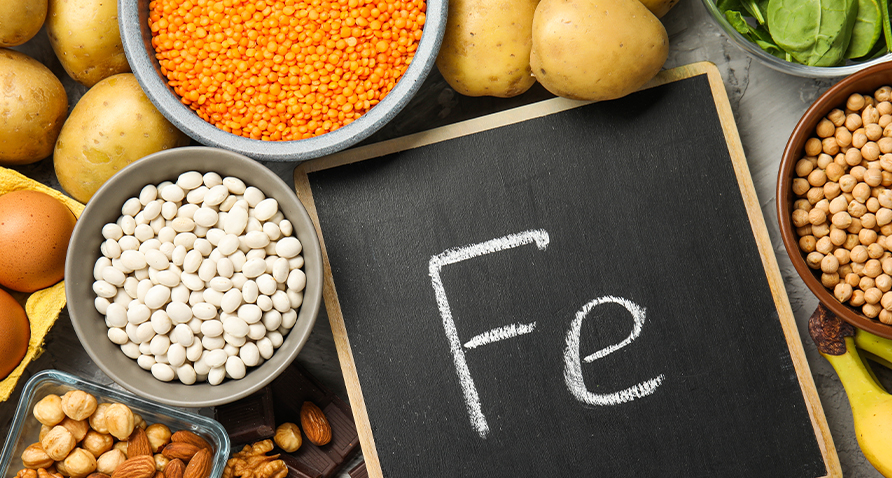
Figure 1: Iron is an essential micronutrient that must be obtained through the diet. If this trace element is not consumed in sufficient amounts or cannot be properly absorbed, iron deficiency may occur.
Iron deficiency is one of the most common nutrient deficiencies worldwide and can have negative effects on the entire organism. Often, an unfavourable diet is the reason the body is not sufficiently supplied with this important trace element. In this blog article you will learn not only which vital functions iron fulfils in the body, but also which dietary measures are recommended in case of iron deficiency. In addition, you will receive ten helpful tips to prevent iron deficiency and effectively improve your iron intake.
What is iron and why is it so important?
With a presence of 2.3 to 4.4 grams in adults, iron is the most abundant trace element in the human body. Although only small amounts are required, iron is essential for many physiological processes. One of its main roles is oxygen transport: after iron is absorbed in the upper small intestine, most of it travels via the blood to the bone marrow, where it is incorporated into haemoglobin. Haemoglobin is the red blood pigment in red blood cells that transports oxygen to all body cells. If organs are insufficiently supplied with oxygen due to iron deficiency, anaemia may develop.
Iron is also an important component of many enzymes and of the muscle pigment myoglobin, which can store oxygen in muscle tissue. In addition to muscle, iron is stored in the body in the liver, spleen and bone marrow, with the liver being the most important iron storage organ.[1] The ability to store excess iron for later use is particularly important because the human organism cannot produce this trace element itself. Instead, this essential nutrient must be obtained through the diet.
When is it considered iron deficiency?
Figure 2: Many people worldwide are affected by iron deficiency. Possible causes range from an iron-poor diet to heavy menstruation and surgical bleeding.
Iron deficiency is one of the most widespread deficiency diseases; it is estimated that around two billion people worldwide are affected.[2] In Europe, 5 to 10 percent of the population are affected by iron deficiency; among women of childbearing age it is about one in five. Infants, children and adolescents are also at risk. Pregnant women, women with heavy menstrual bleeding and people who do high-performance sport or donate blood frequently are often insufficiently supplied with iron.[3]
But what exactly is meant by iron deficiency? In short: a disorder of iron metabolism caused by inadequate supply of iron to the body. Possible reasons include increased iron requirements (e.g. during pregnancy and breastfeeding), reduced iron absorption (e.g. in inflammatory gastrointestinal diseases) or increased iron loss (e.g. due to heavy bleeding). Basically, a distinction is made between absolute and functional iron deficiency, although mixed forms are possible. Absolute iron deficiency exists when the body's iron stores are actually depleted, for example due to insufficient dietary iron intake, dialysis or severe blood loss after surgery. In functional iron deficiency there is a disturbance of iron mobilisation. This is often the case with chronic inflammation or infections. The iron is then present in the body but not available for blood formation.
Whether iron deficiency is present can be determined by a blood test in which several relevant laboratory values are ideally measured. In addition to other parameters, reduced values of ferritin (storage iron), serum iron and haemoglobin are possible signs of iron deficiency. The ferritin threshold below which a deficiency is legitimately assumed is debated in the scientific community. While lower reference limits for ferritin are usually set between 10 and 15 µg/l, some studies conclude that a manifest iron deficiency is already present at ferritin values below 30 µg/l.[4]
How high is the recommended daily iron intake?
As an essential nutrient, iron must be supplied regularly and in sufficient amounts. The German Nutrition Society (DGE) recommends that girls, female adolescents and menstruating women consume 16 milligrams of iron daily. For postmenopausal women the reference value is 14 milligrams, and for male adolescents, men and younger non‑menstruating women it is 11 milligrams per day. Because iron requirements are increased during pregnancy and breastfeeding, the daily intake recommendations are highest at 27 milligrams for pregnant women and 16 milligrams in the period after birth (regardless of breastfeeding status).[5]
Regarding these reference values, it is important to know that the body can absorb only five to ten percent of the iron ingested from food via the intestinal cells. Although a healthy adult actually needs only about one milligram of iron per day, ten to fifteen times that amount must therefore be consumed through the diet.
The risk of iron overload is, in contrast to the danger of iron deficiency, very low, because the body normally regulates iron absorption itself. However, this does not apply to people with alcohol dependence or to those with a genetic iron storage disease (haemochromatosis). In both cases iron regulation is disturbed, so these groups more often suffer from iron excess.
From chronic fatigue to hair loss: typical iron deficiency symptoms
The symptoms caused by iron deficiency and the severity of complaints vary individually and also depend on the severity of the deficiency. Often iron deficiency develops gradually and initially causes no noticeable symptoms. Over time, nonspecific general symptoms usually appear first, before the typical accompanying signs of iron deficiency occur. Common symptoms of iron deficiency include:
- chronic exhaustion and fatigue
- lack of drive
- concentration problems
- hair loss
- brittle nails
- pallor
- cracked corners of the mouth (angular cheilosis)
- muscle weakness
- increased irritability
- loss of appetite
- headaches
- shortness of breath
- a pronounced feeling of cold
- increased susceptibility to infections
Vegan diet: a common cause of iron deficiency?
The myth that a vegan diet is a major risk factor for iron deficiency persists. In fact, the deficiency occurs even less often in people who eat a vegetarian diet than in meat eaters. Several studies confirm that there is no causal relationship between dietary style and iron deficiency.[6] Thus the claim that a diet containing meat protects against iron deficiency cannot be confirmed.
What is true, however, is that haem iron, which occurs only in animal foods, is more bioavailable than the non‑haem iron found primarily in plant foods. This is mainly because the inorganic, non‑bound iron from plants must first be converted by the body before it can be utilised. Deciding therefore to eat a lot of red meat from now on — one of the best sources of haem iron — would be shortsighted. Excessive meat consumption can have other health disadvantages and, among other things, increase the risk of cardiovascular disease and certain cancers such as colorectal cancer.
People who follow a plant‑based diet should pay attention to an appropriate choice of foods and suitable food combinations. If some basic rules are followed, a vegetarian or vegan diet can even achieve a higher iron intake than an omnivorous diet. Some aspects to pay attention to are described in the final section of this article.
Foods high in iron and those that promote iron absorption
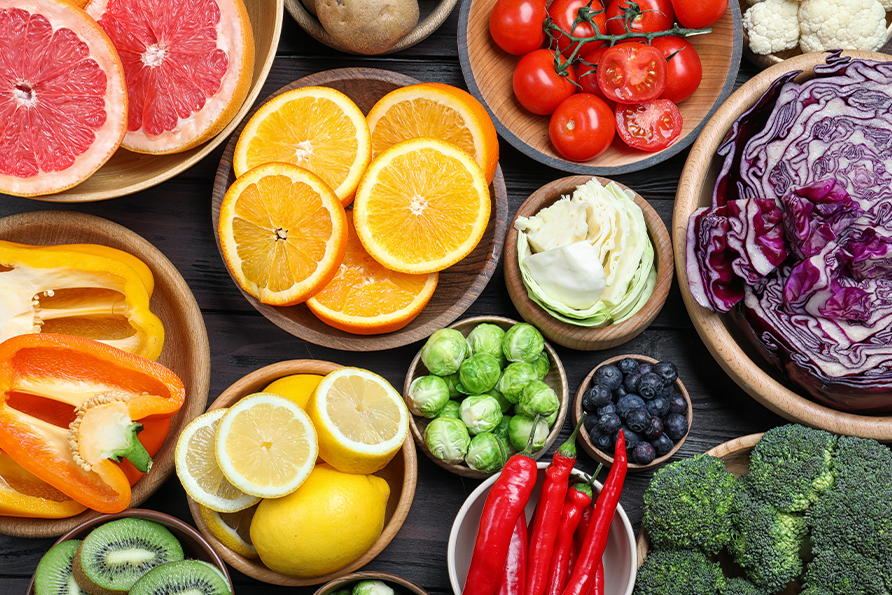
Figure 3: Consuming foods high in vitamin C can improve iron absorption from both animal and plant foods.
To prevent iron deficiency or to correct an existing deficiency, iron‑rich foods should be more frequently included in the diet. People who are generally healthy and eat a balanced diet can usually meet their iron needs through diet alone. Although red meat and processed meat products are among the best sources of iron, there is also a whole range of plant foods that naturally contain a lot of iron. It is advisable to choose wholegrain products, as these are often richer in iron than refined varieties.
Because the iron content of individual foods naturally varies depending on factors such as variety, growing region or storage time, the iron values given below are approximate guidelines (values given in milligrams per 100 grams). Among the most iron‑rich animal and plant foods are:
- pork liver (19.5 mg / 100 g)
- sesame (10 mg / 100 g)
- veal liver (9 mg / 100 g)
- lentils (8 mg / 100 g)
- dark chocolate, at least 70% cocoa (8 mg / 100 g)
- amaranth (7.5 mg / 100 g)
- pistachios (7.3 mg / 100 g)
- millet (7 mg / 100 g)
- chanterelles (5.8 mg / 100 g)
- tofu (5 mg / 100 g)
- peas (5 mg / 100 g)
- rolled oats (5 mg / 100 g)
When choosing foods, the amount actually consumed should always be considered. Certain spices such as turmeric and cinnamon contain 40 and 28 milligrams of iron per 100 grams respectively, but are usually eaten in such small quantities that they do not meaningfully contribute to meeting iron requirements. It is more advisable to prioritise foods that can enhance iron absorption. These include in particular vitamin C‑rich foods such as acerola cherries, blackcurrants, red peppers, broccoli or fresh parsley.
Which foods can inhibit iron absorption?
In addition to foods that may promote iron absorption, there are certain “iron blockers”. These should ideally be avoided or consumed only several hours apart from iron‑rich meals to ensure adequate iron uptake. Substances that can inhibit iron absorption include:
- phytates (e.g. in wholegrains and legumes)
- oxalic acid (e.g. in spinach, almonds, beetroot, chard, rhubarb, wheat bran)
- tannins (e.g. in coffee, black and green tea, red wine)
- calcium (e.g. in milk and dairy products)
- phosphate (e.g. in ready meals and soft drinks)
Prevent iron deficiency and improve iron absorption: 10 tips
Diet is the most important lever to prevent iron deficiency and avoid troublesome symptoms such as persistent tiredness, fatigue and concentration problems. In addition to choosing iron‑rich foods, you should follow a few other important tips to optimise your iron supply:
- Pay attention to iron bioavailability: Iron from animal sources is generally better absorbed by the body than non‑haem iron from plant foods. If you follow a vegetarian or vegan diet, it makes sense to take targeted measures to improve the bioavailability of the iron you consume (see further tips). If you eat mixed diets, combine plant and animal iron sources, as this can positively influence iron utilisation.[7]
- Avoid inhibitory foods: Foods whose constituents can inhibit iron absorption should not be consumed together with iron‑rich meals. For example, because of their tannin content, coffee or black tea should not be drunk immediately after a meal, but at the earliest one hour later.
- Prioritise vitamin C: Since vitamin C can enhance the absorption of non‑haem iron, foods such as kiwis, red peppers, broccoli, blackcurrants or citrus fruits should appear more often on the menu. You can also simply drink a glass of orange or sea buckthorn juice with an iron‑rich meal to optimise iron uptake.
- Supplement your diet with rice protein: The amino acids methionine and cysteine can promote iron absorption. Both are present in relevant amounts in rice protein. A serving of rice protein powder – for example mixed into a shake, smoothie or yogurt – is therefore well suited to support iron resorption.
- Eat onions and garlic more often: As an Indian study showed, the consumption of onions and garlic in combination with a cereal meal can improve iron and zinc absorption.[8] It does not matter whether the vegetables are eaten raw or cooked.
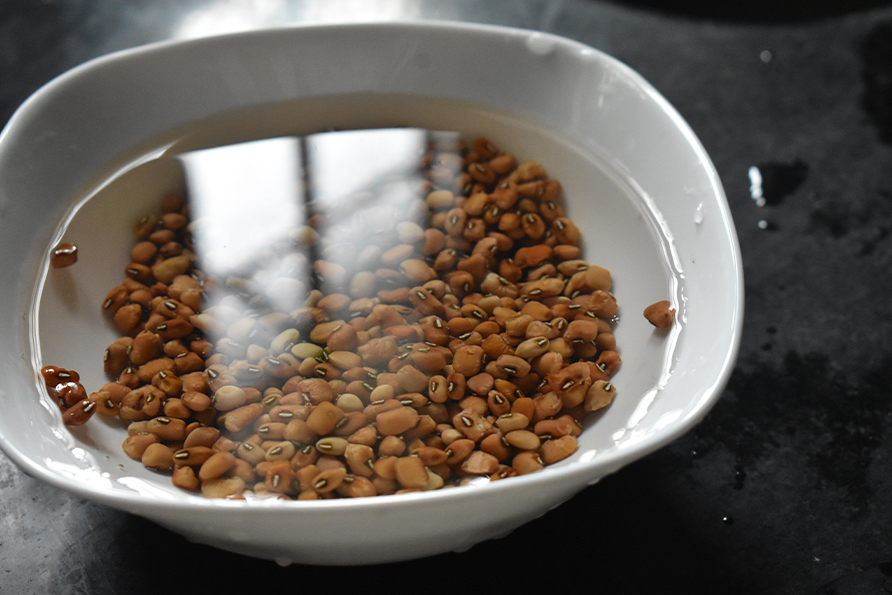
Figure 4: Soaking pulses significantly improves mineral absorption.
- Soak grains and legumes: Phytates are mainly stored in the outer layers of grains and seeds. Soaking grains and legumes for at least eight hours can significantly reduce their phytate content and improve the absorption of not only iron but also other minerals such as zinc, magnesium and calcium in the gut.
- Cook in cast‑iron pans: It may seem surprising, but cast‑iron pans can actually improve iron supply. This is because tiny amounts of inorganic iron can leach from the pan into the food during heating, increasing the iron content of the cooked dish. Note: does not work with enameled cast‑iron pans!
- Take iron supplements correctly: To be most effective, iron supplements should be taken on an empty stomach or with vitamin C (e.g. with a glass of orange juice). In severe deficiency states, iron infusions may also be considered.
- Have your iron levels checked: Iron supplementation should generally only be carried out after a deficiency has been identified. If you suspect you have iron deficiency, you can have relevant markers (e.g. ferritin, serum iron, transferrin saturation) measured by your doctor through a blood test. People with a history of iron deficiency are advised to check their values every three to six months.
- Be aware of other common causes of iron deficiency: Not only an iron‑poor diet or unfavourable combinations of certain foods can lead to iron deficiency. Heavy menstruation, hidden gastrointestinal bleeding, chronic gum bleeding, blood loss due to surgery or the use of medications that lower iron levels are possible causes that should be monitored.
Disclaimer
This article does not replace treatment by a qualified therapist. The basis of this contribution is studies and current literature. It must not be used for self‑diagnosis or self‑treatment. Discuss any inspirations from this article with a therapist you trust.
Biographical
Katharina Korbach regularly writes blog posts on medicinal plants and natural active substances for the Narayana Verlag. She developed an interest in language early on and began writing her own literary texts. A serious illness during her final school years prompted an intensive engagement with health and nutrition topics that continues to this day. After repeated failures of conventional medical treatment methods, she decided on a more self‑effective, naturopathic therapeutic approach. A plant‑based diet was an essential key on her path to recovery.
Katharina studied Cultural Studies (B.A.) and Applied Literary Studies (M.A.). In 2022 she published her debut novel "Sperling" with Berlin Verlag. She now lives in Berlin as a freelance author, medical editor and lecturer. In her free time she prefers to spend time with friends or at barre training. She also loves to travel and try out new vegan recipes.
[1] Yiannikourides A, Latunde-Dada GO. A Short Review of Iron Metabolism and Pathophysiology of Iron Disorders. Medicines (Basel). 2019 Aug 5. https://pubmed.ncbi.nlm.nih.gov/31387234/.
[2] McLean E, Cogswell M, Egli I, Wojdyla D, de Benoist B. Worldwide prevalence of anaemia, WHO Vitamin and Mineral Nutrition Information System, 1993-2005. Public Health Nutr. 2009 Apr. https://pubmed.ncbi.nlm.nih.gov/18498676/.
[3] Leung AKC, Lam JM, Wong AHC, Hon KL, Li X. Iron Deficiency Anemia: An Updated Review. Curr Pediatr Rev. 2024. https://pubmed.ncbi.nlm.nih.gov/37497686/.
[4] Weiss G. Eisentherapie. Österreichische Ärztezeitung 13/14. 15 Juli 2016. https://aerztezeitung.at/wp-content/uploads/2016/07/State_Eisentherapie.pdf (accessed: 05.05.2025).
[5] DGE (2024): Eisen. https://www.dge.de/gesunde-ernaehrung/faq/eisen/#c6622 (accessed: 05.05.2025).
[6] Asakura K, Sasaki S, Murakami K, Takahashi Y, Uenishi K, Yamakawa M, Nishiwaki Y, Kikuchi Y, Takebayashi T; Japan Dietetic Students' Study for Nutrition and Biomarkers Group. Iron intake does not significantly correlate with iron deficiency among young Japanese women: a cross-sectional study. Public Health Nutr. 2009 Sep. https://pubmed.ncbi.nlm.nih.gov/19063766/.
[7] Lynch SR, Hurrell RF, Dassenko SA, Cook JD. The effect of dietary proteins on iron bioavailability in man. Adv Exp Med Biol. 1989. https://pubmed.ncbi.nlm.nih.gov/2658489/.
[8] Gautam S, Platel K, Srinivasan K. Higher bioaccessibility of iron and zinc from food grains in the presence of garlic and onion. J Agric Food Chem. 2010 Jul 28. https://pubmed.ncbi.nlm.nih.gov/20597543/.
Figure 1: New Africa/shutterstock.com ; Figure 2: Keronn art/shutterstock.com ; Figure 3: New Africa/shutterstock.com ; Figure 4: sruthiskumar/shutterstock.com
22.05.2025

