
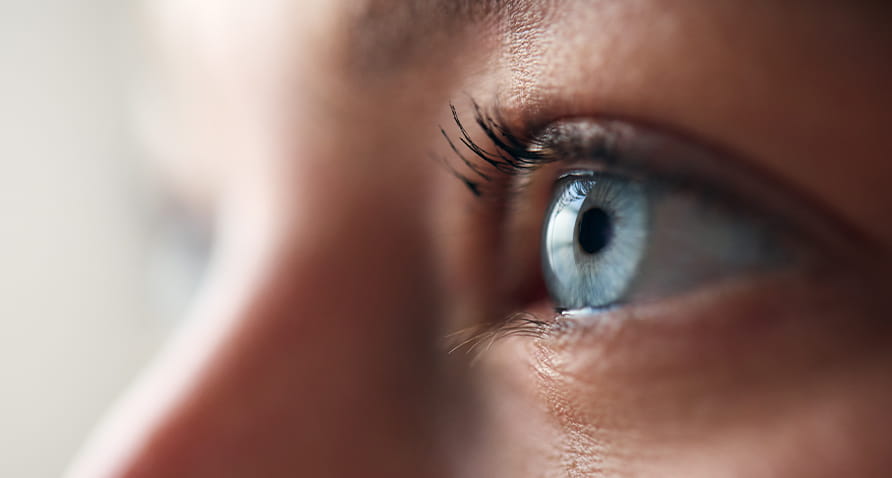
Figure 1: Eye exercises are said to support visual acuity and activate the eye muscles. Whether this is true and which eye exercises are recommended is explained in this blog post.
Targeted training of the eyes with specific exercises? What may at first sound odd was already promoted by the American ophthalmologist Richard Bates in the 1920s. The so‑called Bates method is intended to relax the eyes in the long term and strengthen the eye muscles. But does this “fitness programme” for the eyes actually work? In this blog post we get to the bottom of that question and also introduce 10 exercises that have proven useful for improving vision and preventing eye problems.
Why is it worth training the eyes specifically?
It is widely known that training muscles is important to maintain or build them, to strengthen joints and bones and to prevent lifestyle diseases. However, most people think of gyms and weight training—machines or free weights that mainly work the large muscle groups such as legs, chest, arms or shoulders—when they hear the term “strength training”. Less well known is that our eyes are not only made up of blood vessels, tendons and nerves, but also of muscles. Like other muscles in the body, the eye muscles can atrophy in the long term if they are not used or are used only unilaterally.
Eye training is all the more important because our eyes are often heavily strained today by increased screen work. As direct and unnaturally bright light sources, screens promote the consumption of visual pigment, which needs phases of darkness to regenerate. In addition, during long periods at the screen the gaze is less likely to wander into the distance and we blink less. The link between oxidative stress and eye diseases has also been known for a long time.[1]
In view of this, it is no surprise that refractive error is a widespread phenomenon here. According to the current spectacle study by the Institut für Demoskopie Allensbach, almost 39 million people in Germany alone were wearing glasses in 2024.[2]
What is Bates eye training and how does it work?
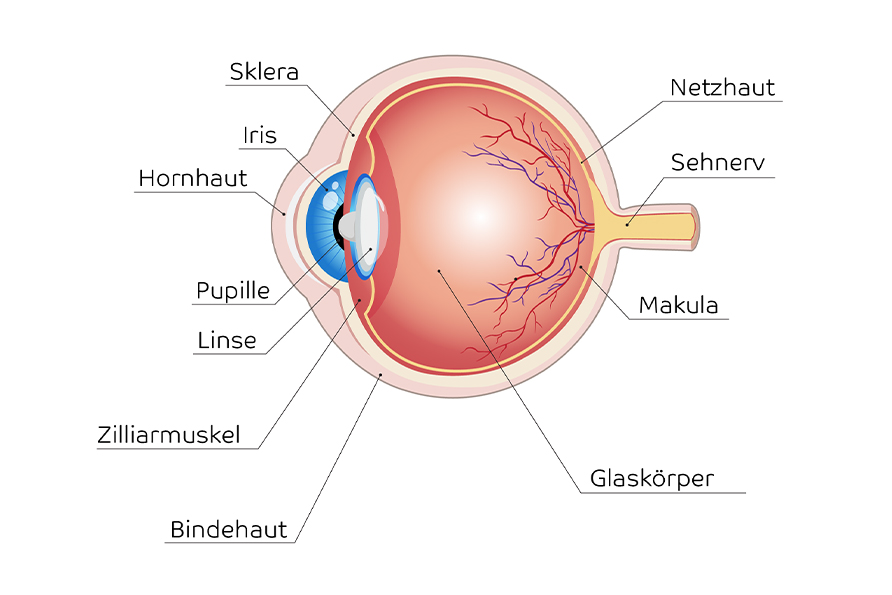
Figure 2: The American ophthalmologist William Bates developed an eye training in the 1920s that is still enthusiastically practised by many people today.
Many of today’s common eye exercises go back to New York ophthalmologist Dr William Horatio Bates (1860–1931). The Bates method is based on the assumption that most eye problems are not structurally caused. Instead, Bates considered functional aspects such as incorrect use of the eye muscles and mental tension to be the main reasons for many visual problems. The essential aim of Bates’s eye training is to relax the eye muscles—particularly the ciliary muscle responsible for focusing. Among the best known and still frequently practised eye exercises are the “Big Swing” and “palming” (for detailed instructions see the next section). These are said to help prevent refractive errors as well as relieve existing eye problems.
It must be noted, however, that the effectiveness of Bates eye training has not been scientifically proven to date. Nevertheless, there are many enthusiastic users who report positive effects from the eye exercises. Try the eye training yourself for a few weeks to test how it affects your eye health and vision. Bates exercises are not a substitute for medical treatment. For serious eye problems and significant refractive errors you should definitely consult a qualified ophthalmologist.
Which complaints can eye training help with?
Vision is a highly complex biological process in which light stimuli from the environment are received by the eye, converted into electrical signals and then processed by the brain. This process involves both the eye as the primary “sensory organ” and the brain, the central and autonomic nervous systems and the musculature. The complaints associated with the eye and vision are as multifaceted as the sense of sight itself.
Short‑ and long‑sightedness are particularly common. These visual problems are usually caused by a deformation of the eyeball or the lens. Training the eye muscles is therefore of limited effectiveness as a therapeutic approach. However, there are also forms of myopia and hyperopia that are induced by stress or eye fatigue. In these cases, eye exercises are said to have a relieving effect by helping to train the eye muscles, increasing blood flow and relaxing the eyes. Again, it must be emphasised that there is no scientific evidence for the effectiveness of eye training.
Many people who regularly do eye exercises report positive effects for the following vision problems, among others:
- Eye fatigue (asthenopia)
- Office Eye syndrome
- dry eyes
- beginning or mild presbyopia
- stress‑ or fatigue‑related myopia
- stress‑ or fatigue‑related hyperopia
From eye rolling to palming: 10 exercises to strengthen eyes and vision
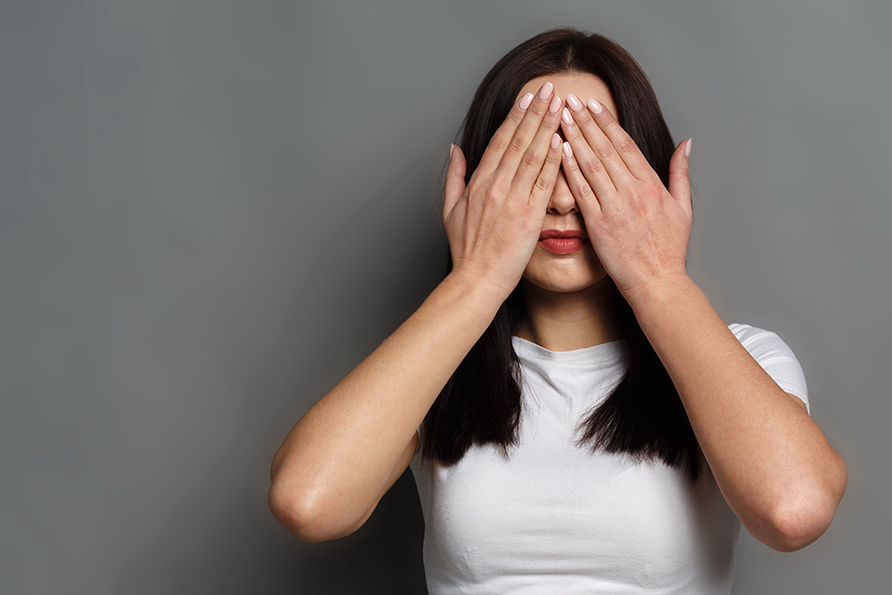
Figure 3: Eye exercises are recommended both for prevention and for relieving eye complaints. However, the effectiveness of eye training has not yet been scientifically proven.
There are a variety of eye exercises that are said to strengthen the eye musculature and improve vision. Eye exercises are often also performed with the aim of relaxing and preventing potential eye problems. Due to the lack of scientific evidence, it is advisable to consult an ophthalmologist or optician before performing certain eye exercises for the first time. As a general rule, the exercises presented below should always be performed without glasses or contact lenses.
1. The Big Swing
The “Big Swing” is a central exercise of the Bates method designed to relax the eyes, body and mind equally. The exercise is also recommended for back pain. Stand relaxed with your feet shoulder‑width apart. Let your arms hang down loosely. Keep your shoulders and neck relaxed. Now begin to swing your upper body and head gently from right to left in an arc of about 90°. Your heels may move with the swing but should still lightly touch the floor. Let your gaze “glide” with the movement of the head without fixing on any particular point, so that the entire field of view moves. Perform the exercise slowly and rhythmically and repeat the swing about twenty to fifty times.
2. Palming
Palming (from the English word “palm”) is primarily about giving the visual centre a break and relaxing the eyes. The whole nervous system can calm down when all visual impressions are temporarily switched off and the eyes are simultaneously sheltered by the hands. To perform the exercise, rub the palms together first to warm them slightly. Sit comfortably and support your elbows (e.g. on a table or a cushion). Close your eyes and place your palms over them so that your fingers cross on the forehead. Ensure that the hands do not touch the eyes directly but block out all light. Remain in this position for at least two minutes. To deepen the relaxation, it can help to focus on slow, deep breathing or think of something pleasant (e.g. a beach walk, a meadow of flowers or a pleasant memory). Palming is also a good way to finish a series of eye exercises.
3. A short sunbath for the eyes
The sunbath for the eyes is also part of the Bates method. In this exercise you deliberately expose your eyes to a natural light stimulus for two to five minutes. It is important to direct your gaze towards the sun with closed eyes but never look directly into it. Turn your head slowly from left to right and let the sunlight wander over the closed lids. The exercise is intended to promote light adaptation and to relax the entire nervous system through a gentle interruption of visual impressions.
4. Near and distance focus
To dynamically activate the eye muscles, switch between near and distance focus. Hold a small object about 20–30 centimetres in front of your eyes and focus on it, paying attention to the details. After three to five seconds, shift your gaze to a distant point (e.g. a tree, a house or the horizon). Repeat the change of focus about ten to twenty times and blink in between to moisten the eyes.
5. Zoom‑In and Zoom‑Out
The ability to focus on an object at different distances can be trained well with the Zoom‑In and Zoom‑Out exercise. Sit comfortably and extend one arm with the thumb raised. Focus on the thumb and slowly draw your arm towards you until the tip of the thumb is in front of your face. Then move the arm back to full extension away from your face. Keep the thumb continuously in focus.
6. Eye rolling
In everyday life the gaze (for example during prolonged screen work) is often fixed straight ahead. To counteract this one‑sided strain, you can consciously “roll” your eyes. First look up, then slowly move your eyes to the right, then down, left and up again until you have completed a full circle with your gaze. After five to ten circles clockwise, you can repeat the exercise counter‑clockwise.
7. Direction changes
Eye rolling can cause dizziness in some people. In that case, and regardless of that, you can train the eyes by moving them in different directions. Keep your head still and look straight ahead. After a few seconds look to the left and focus on what you see. Then let your gaze move to the right without moving your head and focus again. Repeat the exercise a few times. Afterwards you can also let your gaze wander from bottom to top, top to bottom or diagonally.

Figure 4: This simple exercise can strengthen your gaze. Children do it quite intuitively.
8. Pencil‑to‑nose bridge
The “pencil‑to‑nose bridge” or “convergence exercise” is often practised playfully by children. As an eye exercise it is intended to strengthen inward looking, also known as convergence. Hold a pencil (or a finger) about 30–40 centimetres in front of your face. Focus on the pencil with both eyes and slowly move it towards the tip of your nose. As soon as double vision occurs, hold the pencil briefly and then move it back out again. Repeat the movement several times.
9. The large figure‑of‑eight
Perform this eye exercise in a free area that allows you to look several metres into the distance. Imagine a huge figure‑of‑eight a few metres in front of you. Trace the figure slowly with your eyes. After your gaze has described the eight several times, you can change the direction. The exercise primarily serves to improve control over eye movement.
10. Eyelid massage
An eyelid massage can be wonderfully soothing on its own or as part of a relaxing facial massage. Before you begin, you can prepare the eyes with hot and cold compresses. Soak one towel in cold water and one in warm water and apply them alternately to your face. After about three minutes you can change the towels, leaving the cold compress on last. After this initial stimulation you can start massaging: close your eyes and massage your eyelids with circular movements. Take care not to press too hard on the lids.
Relaxed eyes at work: tips for screen use
In addition to the exercises mentioned, there are several other tips that can help strengthen your vision and prevent eye problems. Those who spend a lot of time in front of screens every day should in particular pay attention to their eye health. The blue light emitted by digital devices such as smartphones, computers, TVs or tablets can partly damage ocular tissue irreversibly.[3]
The group of eye complaints caused by intensive screen work is also referred to as Office Eye syndrome. With regular and frequent use of digital devices, the elasticity of the eye decreases in the long term. In addition, the focusing muscle in the eye adapts to a particular distance (that of the eyes to the screen), so that different distances often become blurred over time. Dry, burning or itchy eyes are typical symptoms of Office Eye syndrome, as are headaches, a strained gaze, blurred vision, red eyes, strong light sensitivity and tiredness.
To alleviate or prevent these complaints, it may be useful to observe the following tips:
- Blink consciously: Regular blinking helps to keep the eyes moist and to relax them after prolonged “staring” at the screen.
- Look into the distance: Let your gaze wander into the distance from time to time to alternate between near and far focus. Looking to the other side of the room or out of the window works well.
- Protect yourself from blue light: Glasses with a blue‑light filter can protect against digital eye strain. A blue‑light filter is particularly recommendable when working in the evening to prevent problems with falling and staying asleep.
- Take active breaks: Short bouts of movement between work blocks not only prevent back pain and tension. Turning your gaze away from the screen also gives your eyes temporary relief.
- Follow an eye‑healthy diet: Eye health can also be strengthened from the inside. Prefer nutrient‑rich foods that contain vitamin A (retinol, beta‑carotene), lutein, vitamin C, vitamin E, zinc and omega‑3 fatty acids.
- Reduce chronic stress: Chronic stress promotes inflammatory processes and can tire the eye muscles. Eyelid twitching is also common in stressed people. Relaxation measures such as yoga, meditation or a mindful breathing exercise can help reduce stress.
Disclaimer
This article does not replace treatment by a qualified therapist. The basis of this article is studies and current literature. It must not be used for self‑diagnosis or self‑treatment. Discuss any inspirations from this article with a therapist you trust.
Biography
Katharina Korbach regularly writes blog posts about medicinal plants and natural active ingredients for the Narayana Verlag. She became interested in language early on and began writing her own literary texts. A serious illness during her final school exams led to an intensive engagement with health and nutrition topics that continues to this day. After repeated failures of conventional medical treatments, she decided on a more self‑effective, naturopathic therapeutic approach. A plant‑based diet was an important key on her path to recovery.
Katharina studied Cultural Studies (B.A.) and Applied Literary Studies (M.A.). In 2022 she published her debut novel “Sperling” with Berlin Verlag. She now lives in Berlin as a freelance author, medical editor and lecturer. She spends her free time preferably with friends or doing barre training. She also loves to travel and try out new vegan recipes.
[1] Kang EY, Liu PK, Wen YT, Quinn PMJ, Levi SR, Wang NK, Tsai RK. Role of Oxidative Stress in Ocular Diseases Associated with Retinal Ganglion Cells Degeneration. Antioxidants (Basel). 2021 Dec 5. https://pubmed.ncbi.nlm.nih.gov/34943051/.
[2] Institut für Demoskopie Allensbach (IfD). Allensbach spectacle study 2024/25: Changes in the visual behaviour of Germans. https://www.sehen.de/fileadmin/user_upload/sehen.de/Downloads/Pressetexte/20250327-PM-KGS-Allensbach-Studie.pdf (accessed: 25.05.2025).
[3] Ouyang X, Yang J, Hong Z, Wu Y, Xie Y, Wang G. Mechanisms of blue light‑induced eye hazard and protective measures: a review. Biomed Pharmacother. 2020 Oct. https://pubmed.ncbi.nlm.nih.gov/32763817/.
Figure 1: Monkey Business Images/shutterstock.com ; Figure 2: chaiyo12/shutterstock.com ; Figure 3: Prostock‑studio/shutterstock.com ; Figure 4: Golubovy/shutterstock.com
05.06.2025

