
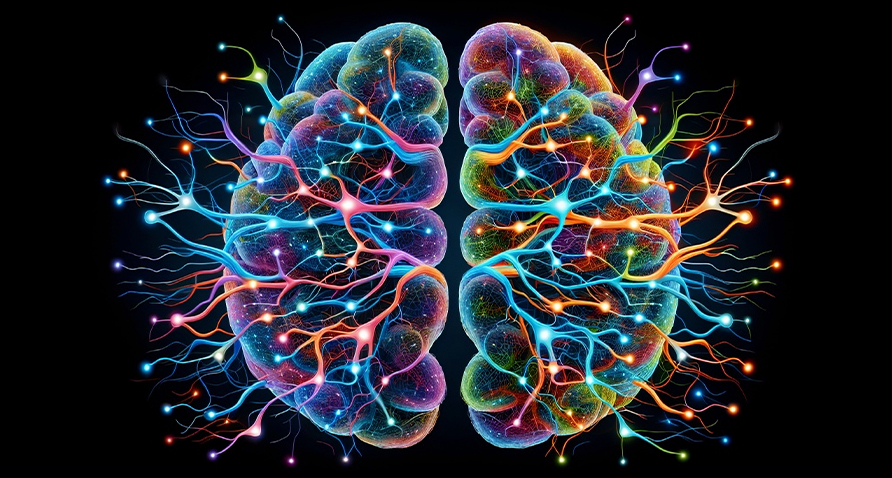
Figure 1: Give your brain a boost: you can actively shape neuroplasticity well into old age.
At every moment new cells are formed in the human body. In other words, you are never the same person at any given moment as you were just a few minutes ago. You literally reinvent yourself every moment. Neuroplasticity is the brain’s ability to reorganise and continuously adapt. This ability can be deliberately trained to keep the brain and neural pathways healthy for life and to strengthen confidence in your body’s functions.
“Every second millions of cells in your body die
and are replaced by new ones!”
Joey Remenyi
Which simple exercises allow you to have a concrete influence on your neural structures and thus on your emotional state and even on complaints such as chronic dizziness, tinnitus or sensations of lightheadedness is explained in this article.
Identify and break old habits
Neural pathways are created through repetition and can be strengthened by consistent training. Everyone knows this: when we learn an instrument, for example, it takes a lot of practice before it really sticks. The first step in training our neural wiring is likewise to recognise habits.
The emotional context is also important for our neural flexibility – for this reason it is important to incorporate feeling into neuroplasticity exercises.
You can learn to firmly anchor neuroplasticity in your daily life in order to free yourself from old sensations and entrenched neural patterns. The following exercises can be helpful:
Body scan
You can carry out the exercise sitting, lying down or standing. Go to a quiet place and take in your body from head to toe and right into its deepest interior.
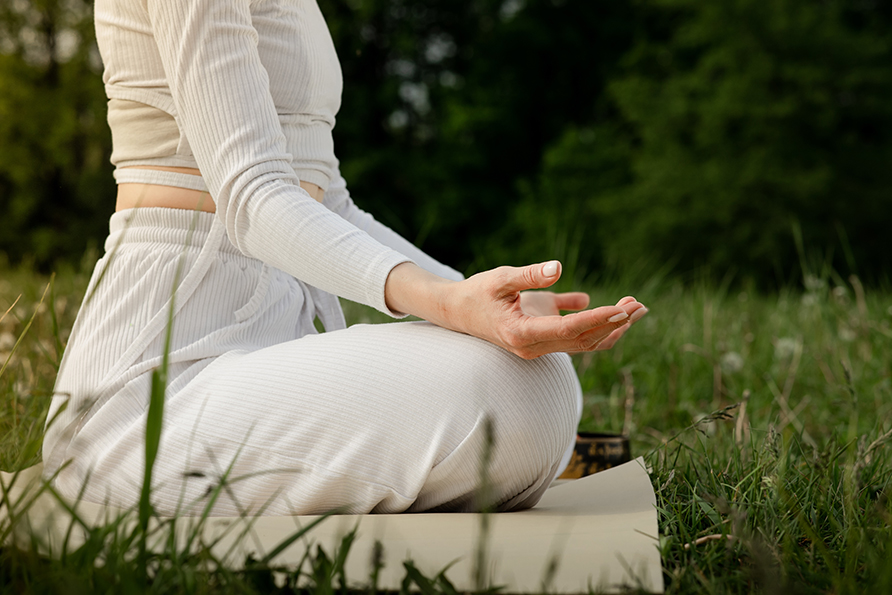
Figure 2: By consciously perceiving your body you can recognise that your sensations are constantly changing. This is the starting point for neural training.
Notice your left and right sides and your body from top to bottom. How do you feel inside and outside your skin? Perceive the world within you and the outer world that touches you. Feel your contours and your shape.
Notice the position of your shoulders over your hips. Feel your physical centre. Notice as many touches as possible. Feel everything. Connect with your body and practise feeling safe as you are. Develop a sense of curiosity and mindfulness for your body and your biology.
Notice that your sensations are constantly changing. Allow yourself to accept that every body scan is a completely new experience.
Playful presence
Look for what in your life sparks curiosity and enthusiasm, no matter how small or insignificant. Make a list of things that fascinate and make you curious. Give yourself permission to see your everyday life with fresh, non-judgemental eyes. Approach what you see or feel playfully.
This exercise strengthens your concentration, focus and ability to be present. Avoiding judgements is an essential part of neuroplasticity. You might like to record your playful observations in a notebook for as long as you find it useful.
My normal sensations
What does “normal” feel like for you? Remember that it is not helpful to focus on what is not normal. Define clearly for yourself how your version of normality feels and be specific. For example: calm, relaxed, carefree, confident, peaceful, clear-thinking, steady, enthusiastic, hopeful…
Train desired sensations

Figure 3: Positive sensations can be trained playfully. Perseverance pays off.
Bring to mind the neural patterns you want to build so you can feel normal again. Ask yourself: which sensations do I want to feel in my body? Write your answers down so you know what your goal is.
Track these sensations in your body. Experiment freely and try different approaches by finding ways to stimulate exactly these feelings in your daily life. Bring your desired sensations to the foreground and let those feelings grow stronger.
Become your own friend
First become aware of your relationship with yourself. How does it feel to be your own friend? What could you do to become closer friends with yourself?
Be kind to yourself and remain curious. Treat yourself and your sensations like a good friend.
Can you feel how different nerve pathways are activated when you treat yourself with affection and as you would a friend? Notice it. How does it feel when you are your own friend in everyday life? With time and through regular repetition of the positive perception you may find it becomes your new normal to be friends with yourself.
Release tension through curiosity
Try, for example, for a week to release your tensions daily through curious exploration.
You could decide to mentally retrain your neck muscles. Simply notice the tense areas. This exercise can be particularly helpful for neck or shoulder tension. Turn your head for a set number of breaths to the left, right, up and down.
Then begin to turn your head in the direction where you feel you have reached the maximum rotation. Pause there and simply feel into it with kindness. Try not to improve or achieve anything – simple feeling and noticing is sufficient.
Remain in this position for a moment and consciously let go. Then turn your head back to the centre and feel the relaxation. Next, move your head in the opposite direction and stay there feeling for another moment to let go and relax. Use the breath to consciously release.
Malleable throughout life
The human brain is an incredibly complex and powerful organ whose full potential is far from exhausted. Its adaptability, creativity and seemingly limitless capacity make it a wonder of evolution.
Neuroplasticity demonstrates that our brain remains adaptable throughout life if it is appropriately stimulated. The application of these insights in medicine, psychotherapy and personal development offers immense potential that has yet to be fully realised. Through continuous learning, mindful living and targeted exercises anyone can actively contribute to the malleability of their brain.
Disclaimer
This article does not replace the medical diagnosis or treatment by a qualified therapist. The basis of this contribution is the book by Joey Remenyi “Brain in Balance”. The article must not be used for self-diagnosis or self-treatment. If in doubt, discuss any inspirations from this article with a therapist you trust.
Biography
Jannyn Sass is a freelance medical journalist, diploma-qualified communications specialist, author and mother of three children. She has worked as a communications expert in design and software agencies and for a tech investor in Berlin.
Since her youth she has been fascinated by the larger contexts that can lead to illness or health in a person’s life. Jannyn studied business communication to explore systemic connections and the facets of interpersonal communication.
During her studies and an intense experience in Australia she realised there must be more to life. She began studying alternative medical disciplines, studied Traditional Chinese Medicine for three years in Berlin and trained as a health coach.
Her main interest is researching the effects of consciousness techniques and natural substances on the body, mind and soul of humans, animals and plants. In particular she focuses on meditation therapy. In her private life she loves to traverse mountains and valleys, bathe in cold rivers and discover the magic of nature.
Books
https://www.narayana-verlag.de/Brain-in-Balance-Joey-Remenyi/b28316
https://www.narayana-verlag.de/Die-Alzheimer-Luege-Michael-Nehls/b20994
Figure 1: Shutterstock AI Generator/shutterstock.com; Figure 2: NXTLVLSTCK/shutterstock.com; Figure 3: AstroStar/shutterstock.com
10 February 2025

