
Figure 1: NAC has mucolytic and anti-inflammatory effects. As a potent antioxidant, the amino acid can also reduce oxidative stress in the body and support the immune system.
N-acetylcysteine (NAC) is commonly known primarily as a mucolytic. But the semi-essential amino acid can do much more: it acts as an antioxidant and can help combat oxidative stress in the body. NAC is also an important precursor to the "master antioxidant" glutathione and can contribute to strengthening the immune system as well as to the health of the liver, lungs and airways. In this blog article you will learn which important functions NAC fulfils beyond this and in which areas it is commonly used. You will also receive guidance on choosing a suitable NAC supplement and on correct administration and dosing.
What is N-acetylcysteine (NAC)?
N-acetylcysteine, or N-acetyl-L-cysteine (NAC), is a form of the amino acid L-cysteine. Unlike free cysteine, which is very unstable, NAC has high stability and bioavailability. As a semi-essential amino acid, L-cysteine can in principle be produced by the body itself. The compound is an important component of many proteins. In addition, the body requires N-acetylcysteine to produce the important endogenous antioxidant glutathione. NAC is also a starting material for the synthesis of taurine and coenzyme A. The former is involved in the development of the nervous system and retinal cells as well as heart function, while coenzyme A is mainly required for energy production in the cells.
In the liver, NAC is converted into L-cysteine, which is then available for various metabolic processes. Alongside L-methionine, L-cysteine is the only one of the 21 proteinogenic amino acids that contains sulphur. The sulphur atom contained in NAC gives L-cysteine a special biochemical structure. This, for example, gives it the ability to react with the sulphur group of a cysteine in another protein and to form so-called disulphide bonds. These bonds support the resilience and functionality of various proteins in the body. This includes the structural protein keratin, which in humans is found, among other places, in hair and nails. As a sulphur-containing amino acid, L-cysteine is indispensable for keratin formation and thus essential for resilient hair and strong, stable nails.
Main effects and applications of NAC
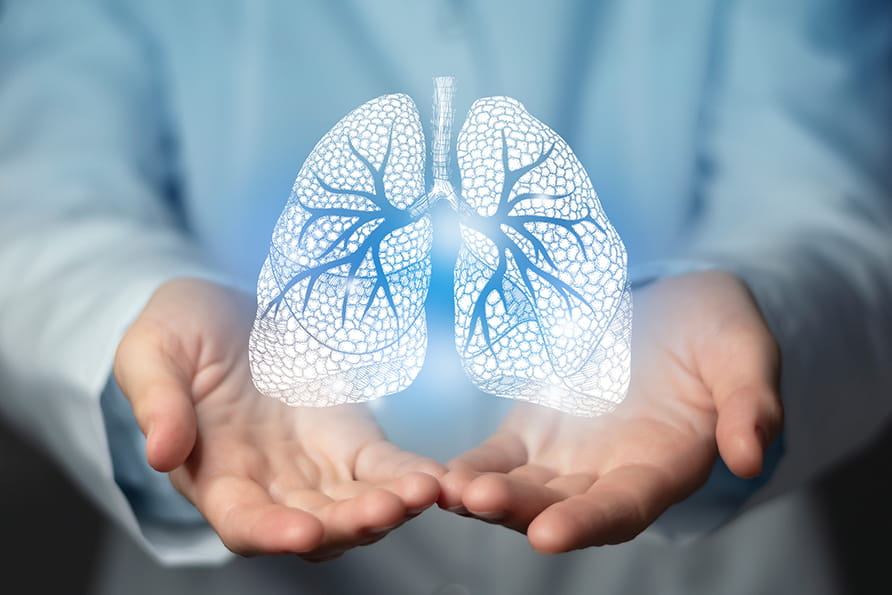
Figure 2: Because of its diverse health-promoting properties, NAC is used for numerous conditions such as lung diseases or respiratory infections.
NAC has a broad spectrum of activity. Among other things, the amino acid acts as an antioxidant, a mucolytic and an anti-inflammatory agent.[1] Respiratory diseases, disorders of the central nervous system (e.g. depression and addictions), as well as lung diseases and cardiovascular diseases are among the most common medical indications.[2] Below we present some of the most important effects and uses of N-acetylcysteine.
Antioxidant effect
NAC itself has strong antioxidant properties that can help neutralise free radicals in the body and protect cells from oxidative stress.[3] At the same time it acts as an indirect antioxidant: the contained, highly bioavailable L-cysteine is a central building block for other antioxidants in the body, including taurine and glutathione. Glutathione is considered the most important intracellular antioxidant. The tripeptide consists of three amino acids: glycine, glutamic acid and L-cysteine. Without the availability of L-cysteine, sufficient glutathione cannot be produced in the body. The "master antioxidant" is crucial for a variety of metabolic processes. Among other things, glutathione can help reduce inflammation in the body caused by free radicals and prevent cellular and tissue damage. Several studies have also shown that replenished glutathione stores can promote an improvement in general well‑being and quality of life.[4] As a direct precursor of glutathione, NAC is substantially involved in the positive effects mentioned.
Support for the immune system
As an antioxidant, anti-inflammatory agent and precursor for glutathione synthesis, NAC makes an important contribution to supporting the immune system. In addition, the amino acid has a direct influence on certain immune cells, the so-called granulocytes. These are produced in the bone marrow and belong to the innate immune system. Granulocytes make up a large proportion of white blood cells. Their essential task is to fight bacteria, parasites and fungi, a function that is significantly supported by NAC.
Several studies suggest that NAC supplementation can improve immune function or restore it in people with impaired immune defence. This aspect has often been studied in people living with the human immunodeficiency virus (HIV). In several investigations it was observed that supplementation with NAC in HIV patients led to a significant improvement in immune function, associated with an almost complete restoration of natural killer cells.[5]
Respiratory and lung health
In respiratory diseases, NAC acts as a mucolytic, which can help to thin mucus in the airways and make it easier to cough up. The antioxidant properties of NAC and glutathione can also contribute to alleviating cold symptoms. Furthermore, many researchers see great potential for NAC in the treatment of chronic obstructive pulmonary disease (COPD).[6] COPD is a progressive and currently incurable disease in which the airways become narrowed and inflamed. Preparations containing NAC can improve COPD symptoms such as cough and breathlessness and enhance overall lung function in people with COPD.[7]
Liver health and bodily detoxification
The liver has the highest concentration of glutathione of all organs in the human body. Glutathione is required to convert non-excretable substances by chemical processes into a form that can be excreted. As a building block of glutathione, NAC can support the liver in its important detoxification function. Of particular interest is NAC’s efficacy in paracetamol detoxification. When the analgesic is taken in high doses or in the case of paracetamol poisoning, the liver’s glutathione stores are typically rapidly depleted. Intravenous administration of NAC can prevent or at least reduce liver and kidney damage following paracetamol intoxication.[8]
Mental health
The use of NAC in psychiatric disorders is sometimes controversially discussed in specialist circles. Some researchers suspect that NAC, due to its effects on glutamate metabolism and its antioxidant properties, could have positive effects in various neurological and psychiatric disorders. Although preclinical studies provide some promising results, further larger-scale clinical trials are necessary to investigate the potential positive effects of NAC on mental health.[9]
Does NAC occur naturally in foods?
NAC or its precursor cysteine is only rarely found directly in foods. Animal foods that contain cysteine include meat (e.g. pig kidneys, calf liver, bacon), fish (e.g. cod, squid), as well as eggs and various dairy products. Good plant-based sources of cysteine are mustard seeds, walnuts, asparagus and sesame. However, NAC or cysteine is present in only small amounts in the foods mentioned. In addition, from middle age onwards the body becomes progressively less able to produce the important antioxidant glutathione using cysteine. Stress or an unbalanced diet can also lead to an increased cellular demand for glutathione. To ensure an adequate supply of NAC and glutathione, it may therefore be sensible to turn to a suitable dietary supplement.
NAC supplements: guidance and tips for choosing
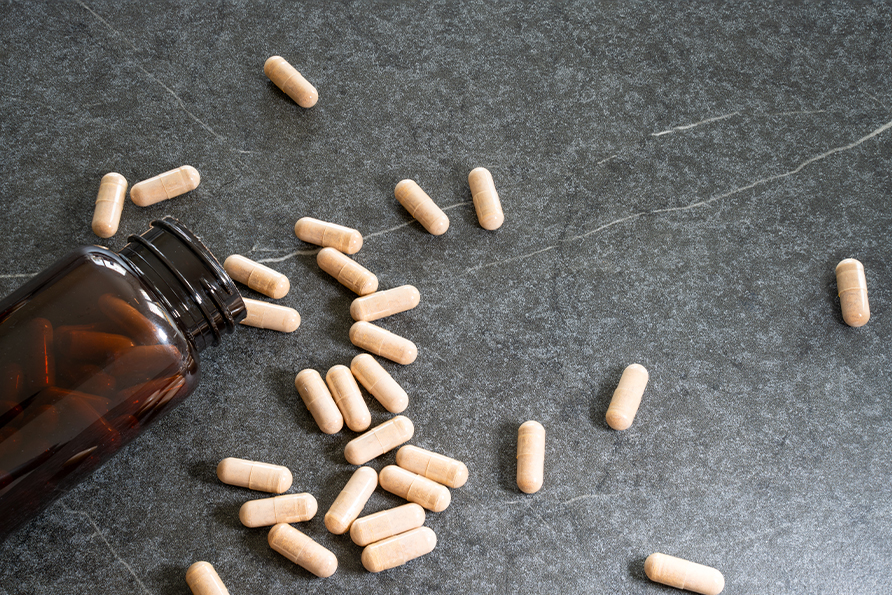
Figure 3: When choosing an NAC product you should pay particular attention to the purity of the ingredients and to an appropriate dosage.
N-acetylcysteine appears as a white, crystalline powder that is readily soluble in water. Accordingly, NAC is usually taken orally as a dietary supplement in capsule, powder, effervescent tablet or lozenge form. L-cysteine preparations are also available on the market and are often offered at lower prices than NAC products. However, NAC is the considerably more stable and thus better bioavailable source of L-cysteine. Before purchasing a particular product, check the dosage of the NAC it contains and whether it is a product without unnecessary additives. The vegan N-acetylcysteine capsules from Unimedica contain 250 milligrams of N-acetylcysteine per capsule, which is obtained naturally by plant-based fermentation.
Taking and dosing NAC preparations correctly
The optimal dosage of NAC depends on many factors, including health status, age, body weight and the purpose of taking NAC. To ensure an adequate supply of the amino acid L-cysteine – for example to promote glutathione synthesis – a daily dose of 250 milligrams may be sufficient. For therapeutic purposes, such as treating respiratory infections or lung diseases, substantially higher amounts may be necessary. It is advisable to consult your treating physician about dosing before you begin taking an NAC product.
Capsules containing N-acetylcysteine should normally be taken once or twice daily with plenty of fluid. Taking them between meals is recommended. As long-term use of NAC products has so far been little researched, NAC should only be taken for an extended period after medical consultation.
Side effects and contraindications of N-acetylcysteine
At usual dosages, NAC is considered safe and well tolerated. However, an overdose can lead to gastrointestinal complaints such as nausea, heartburn or diarrhoea. Allergic reactions to NAC are also possible in rare cases. Because blood coagulation and insulin action can be affected by NAC, people with diabetes and those taking blood-thinning medications (anticoagulants) should only take NAC if it has been medically recommended. The same applies to pregnant and breastfeeding women. People who are taking antibiotics or cough suppressants (antitussives) concurrently should also consult a doctor before using an NAC product.
[1] Gillissen A. Grundlagen der antiinflammatorischen Wirkung von N-Acetylcystein und dessen therapeutische Einsatzmöglichkeiten [Anti-inflammatory efficacy of N-acetylcysteine and therapeutic usefulness]. Pneumologie. 2011 Sep. https://pubmed.ncbi.nlm.nih.gov/21761386/.
[2] Raghu G, Berk M, Campochiaro PA, Jaeschke H, Marenzi G, Richeldi L, Wen FQ, Nicoletti F, Calverley PMA. The Multifaceted Therapeutic Role of N-Acetylcysteine (NAC) in Disorders Characterized by Oxidative Stress. Curr Neuropharmacol. 2021. https://pubmed.ncbi.nlm.nih.gov/33380301/.
[3] Mokhtari V, Afsharian P, Shahhoseini M, Kalantar SM, Moini A. A Review on Various Uses of N-Acetyl Cysteine. Cell J. 2017 Apr-Jun. https://pubmed.ncbi.nlm.nih.gov/28367412/.
[4] Atkuri KR, Mantovani JJ, Herzenberg LA, Herzenberg LA. N-Acetylcysteine--a safe antidote for cysteine/glutathione deficiency. Curr Opin Pharmacol. 2007 Aug. https://pubmed.ncbi.nlm.nih.gov/17602868/.
[5] Dröge W, Breitkreutz R. Glutathione and immune function. Proc Nutr Soc. 2000 Nov. https://pubmed.ncbi.nlm.nih.gov/11115795/.
[6] Sadowska AM, Manuel-Y-Keenoy B, De Backer WA. Antioxidant and anti-inflammatory efficacy of NAC in the treatment of COPD: discordant in vitro and in vivo dose-effects: a review. Pulm Pharmacol Ther. 2007. https://pubmed.ncbi.nlm.nih.gov/16458553/.
[7] Dekhuijzen PN, van Beurden WJ. The role for N-acetylcysteine in the management of COPD. Int J Chron Obstruct Pulmon Dis. 2006. https://pmc.ncbi.nlm.nih.gov/articles/PMC2706612/.
[8] Schwalfenberg GK. N-Acetylcysteine: A Review of Clinical Usefulness (an Old Drug with New Tricks). J Nutr Metab. 2021 Jun 9. https://pubmed.ncbi.nlm.nih.gov/34221501/.
[9] Smaga I, Frankowska M, Filip M. N-acetylcysteine as a new prominent approach for treating psychiatric disorders. Br J Pharmacol. 2021 Jul. https://pubmed.ncbi.nlm.nih.gov/33760228/.
Figure 1: Corona Borealis Studio/shutterstock.com; Figure 2: mi_viri/shutterstock.com; Figure 3: Dirk Canzler/shutterstock.com
13 February 2025

