

Figure 1: A healthy approach to sunlight means: using the positive effects while avoiding damage from overexposure.
The feeling of the sun on the skin – especially when it is the first rays of spring – triggers pleasant warm feelings of happiness in most people. In summer it is lovely to spend a lot of time outdoors in nature and in the sun, and above all the vitamin D stores are pleased when essential vitamin D can be produced again in our skin thanks to sunlight. Production of vitamin D in the skin through the sun is the main source of vitamin D for many people. A moderate exposure, particularly to so‑called UVB radiation, is important to gain the benefits of sunlight while avoiding harm.
An adequate vitamin D level is associated with many health benefits. An insufficient vitamin D level is considered a risk factor for some diseases such as multiple sclerosis, breast cancer or Alzheimer’s disease.[1] But the power of the sun also carries risks: excessive UV radiation can cause skin damage, premature skin ageing and skin cancer. UV rays penetrate deep into the skin and damage the collagen and elastin contained there, which give the skin firmness and elasticity. Excessive sun exposure can therefore cause cellular damage and a long-lasting reduction in collagen production.[2] Protective measures are therefore required.
Sunscreen must be skin-friendly
Most people reach for conventional sunscreens, many of which contain nanoparticles, chemicals and hormone‑active ingredients. A possible alternative can be mineral UV filters without nanoparticles. Mineral sunscreens use natural substances such as zinc oxide or titanium dioxide. These reflect and scatter UV rays. Compared with many chemical UV filters, they do not penetrate the skin and therefore have less systemic exposure. An additional advantage of mineral UV filters is their generally good environmental compatibility.[3] Given that UV radiation is associated to a high degree with skin cancer, completely foregoing sunscreen is not a solution.[4] It is important to pay attention to the ingredients of the chosen sunscreen and, where possible, to use sunscreens with harmless UV filters and ingredients.
In addition, this article looks at possible complementary measures for natural sun protection so that we can enjoy the sun and summer sensations as carefree as possible.
Clothing and physical protection – simple and logical
Let us begin with the logical and easy-to-implement measures of natural sun protection: lightweight, tightly woven clothing, for example made from linen, organic cotton or merino wool, provides physical sun protection that shields the skin from UV rays and thus prevents burns and skin damage. It is also sensible, especially in summer, to protect the head with suitable headwear. This not only helps to avoid sunburn, but also reduces the risk of suffering a heatstroke. Hats with a wide brim are particularly suitable to shield exposed areas. Another good physical sun protection is shade. Especially at midday, staying in the shade is recommended to protect against the most intense radiation. But caution is also needed here: shade does not provide complete protection from UV radiation.
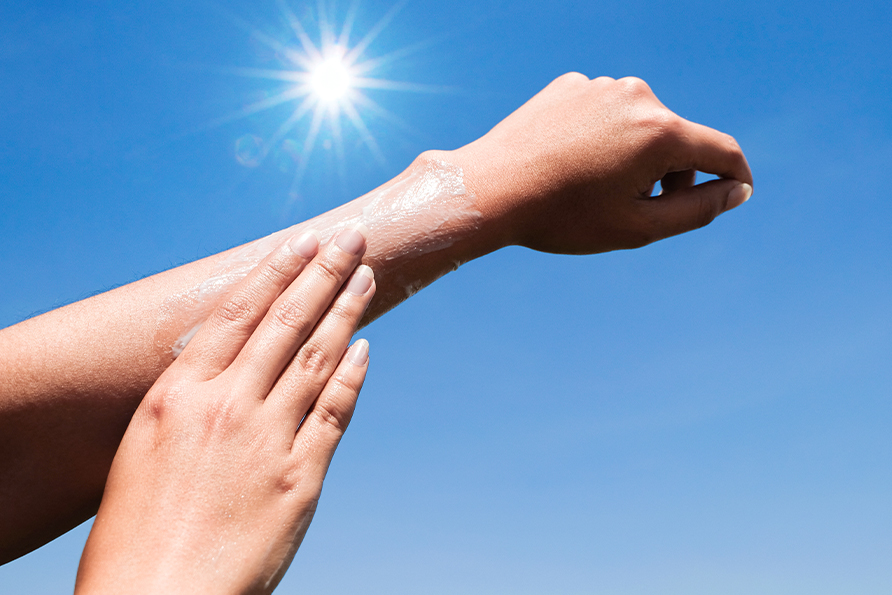
Figure 2: Oils with a UV factor are no substitute for highly effective sun protection – their protection is very limited and unreliable.
Oils with a UV factor – a drop in the ocean
Certain plant oils can make a small contribution to sun protection. They generally offer only a very low sun protection factor but can be a minor supplement to other measures. Examples include raspberry seed oil, coconut oil, wheatgerm oil and carrot seed oil, which is rich in beta‑carotene. This can in turn contribute to a normal skin barrier. However, the sun protection factor of plant oils is much lower than previously thought. This was described in a study published in 2021. The study reported that the SPF of carrot seed oil was only around 2.5 and that of raspberry seed oil around 2.6.[5] Only the nourishing effect of the oils together with the minimal SPF could support the skin.
Diet rich in antioxidants – optimal preparation for sun exposure and support for skin health
In addition to external sun protection, intake of certain nutrients through a healthy diet can support sun protection from within. For example, certain nutrients are associated with healthy skin function and cellular protection, which is beneficial for protection against sun damage. Especially in summer and in the months leading up to it, it can make sense to pay attention to a healthy diet rich in skin‑friendly nutrients. Antioxidant nutrients in particular can support skin health during sun exposure. UV radiation generates free radicals, which are considered harmful to cellular health. Antioxidants can help neutralise these. Let us be specific: which foods are particularly rich in nutrients that support healthy skin?
The role of beta‑carotene and vitamin A
Beta‑carotene is found in carrots and sweet potatoes. Beta‑carotene is a precursor of vitamin A, which contributes to the maintenance of normal skin.[6] Another carotenoid is lycopene, which is found in tomatoes. This is particularly well absorbed from cooked tomatoes or tomato paste. The antioxidant properties are especially advantageous here.[7] Carotenoids support normal skin functions and can help protect against UV damage.[8] As carotenoids are fat‑soluble, they are better absorbed in the body when eaten together with a source of fat. Vitamin E, which occurs in green leafy vegetables, nuts and seeds, is regarded as an antioxidant and can help skin regeneration.[9]
Berries and seafood
Berries provide a true summer feeling in the diet. The anthocyanins and other polyphenols contained in berries also have antioxidant properties.[10] Citrus fruits and peppers can supply the body with vitamin C, which is involved in normal collagen formation and is thus a supportive nutrient for the skin.[11] In addition, eating oily sea fish or oils made from it can contribute to supporting skin health and thus preparing the skin for sun exposure. These contain valuable omega‑3 fatty acids that can support normal skin function.[12], [13] In general, a healthy and varied diet is beneficial for skin health and thus also serves as an internal protective measure against sunlight. However, internal sun protection alone does not provide adequate sun protection and should be regarded only as a supplement.
Conscious sun protection – use common sense and adapt lifestyle habits
The body is not defenseless against the sun but has its own protection mechanisms. Melanin is a pigment in the epidermis whose production increases with sun exposure. Melanin protects the deeper skin layers from UV rays, thereby preventing DNA damage. Melanin is also partly responsible for our skin colour.[14] However, the body’s own protective measures need time to adapt. Therefore, it makes sense to accustom the skin slowly to the increasing sun and to let some sun reach the skin already in spring. Be mindful with your body and move out of the sun if you notice a feeling of heat on the skin or other changes. Mindfulness is also important when choosing the time of sun exposure. Planning short, conscious stays in the sun is a sensible way to use the positive effects of the sun. Spending the whole day “sizzling” in full sun, on the other hand, is not sensible and can have negative consequences. The most intense UV radiation occurs at midday. This is when the sun’s power and thus the risk of skin damage from UV radiation are greatest.
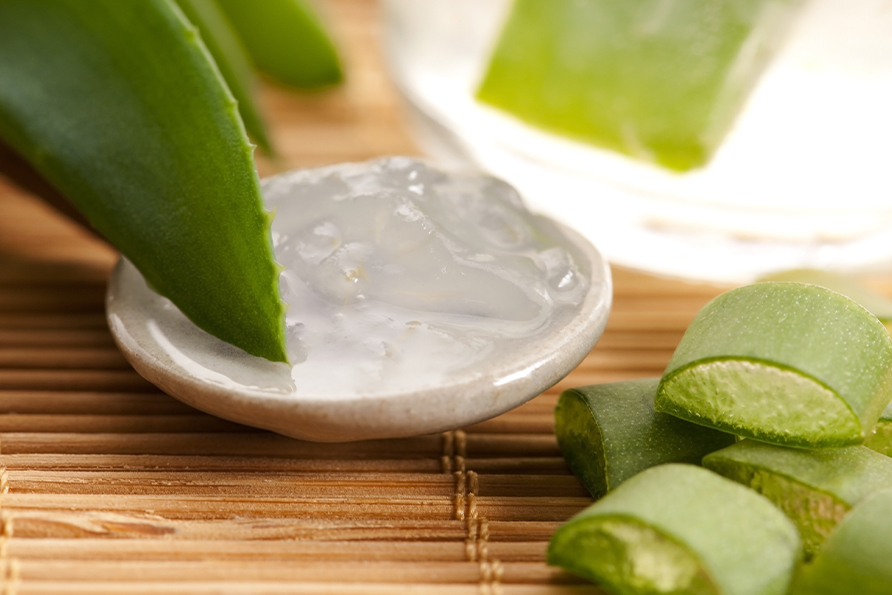
Figure 3: Healthy skin from the inside and out is better able to withstand environmental influences.
Finally – hydrating aftercare
To support skin regeneration after sun exposure, a moisturiser, for example containing aloe vera, jojoba oil or hyaluronic acid, is recommended. An intact and healthy skin is better able to cope with possible environmental influences.
Conclusion – enjoy the sun naturally
The true art of natural sun protection therefore lies in enjoying the sun, but with sense. Sun protection can be naturally supported by a combination of various factors. Physical protection, sensible sun times, gradual acclimatisation to the sun, a healthy diet focusing on supportive antioxidant nutrients and a mindful approach to sunscreens are sensible, complementary ways to protect our skin from damage and overexposure to the sun.
Disclaimer
This article does not replace treatment by a qualified therapist. The basis of this article is studies and current literature. It must not be used for self‑diagnosis or self‑treatment. Discuss any inspirations from this article with a therapist you trust where appropriate.
Bio
Vivian Zajac is a trained health educator (B.Sc.) and a trainee alternative practitioner with a special focus on holistic health and prevention. In a further training course to become a gut health consultant she devoted herself in 2022 to her passion for gut health. In her free time she also engages intensively with topics around health, naturopathy and biohacking, acquires knowledge and repeatedly tries out new things herself. Methods such as breathwork, ice bathing, strength training, healthy nutrition and an optimal supply of micronutrients are a fixed part of her life. Vivian Zajac not only loves to continually optimise her own health but also to pass on her knowledge and enthusiasm – both privately and professionally. A holistic view of the person is essential to her.
[1] Hoel DG, de Gruijl FR. Sun Exposure Public Health Directives. Int J Environ Res Public Health. 2018 Dec 10;15(12):2794. doi: 10.3390/ijerph15122794. PMID: 30544646; PMCID: PMC6313493. https://pmc.ncbi.nlm.nih.gov/articles/PMC6313493/ Accessed 03.05.2025.
[2] Rittié L, Fisher GJ. Natural and sun-induced aging of human skin. Cold Spring Harb Perspect Med. 2015 Jan 5;5(1):a015370. doi: 10.1101/cshperspect.a015370. PMID: 25561721; PMCID: PMC4292080. https://pmc.ncbi.nlm.nih.gov/articles/PMC4292080/#s5 Accessed 03.05.2025.
[3] Solish N, Humphrey S, Waller B, Vanderveen S. Photoprotection With Mineral-Based Sunscreens. Dermatol Surg. 2020 Dec;46(12):1508-1513. doi: 10.1097/DSS.0000000000002478. PMID: 32541340. https://journals.lww.com/dermatologicsurgery/abstract/2020/12000/photoprotection_with_mineral_based_sunscreens.8.aspx Accessed 03.05.2025.
[4] Sander M, Sander M, Burbidge T, Beecker J. The efficacy and safety of sunscreen use for the prevention of skin cancer. CMAJ. 2020 Dec 14;192(50):E1802-E1808. doi: 10.1503/cmaj.201085. PMID: 33318091; PMCID: PMC7759112. https://pmc.ncbi.nlm.nih.gov/articles/PMC7759112/ Accessed 03.05.2025.
[5] Ácsová A, Hojerová J, Janotková L, Bendová H, Jedličková L, Hamranová V, Martiniaková S. The real UVB photoprotective efficacy of vegetable oils: in vitro and in vivo studies. Photochem Photobiol Sci. 2021 Jan;20(1):139-151. doi: 10.1007/s43630-020-00009-3. Epub 2021 Jan 19. PMID: 33721242. https://pubmed.ncbi.nlm.nih.gov/33721242/ Accessed: 03.05.2025.
[6] Vollmer DL, West VA, Lephart ED. Enhancing Skin Health: By Oral Administration of Natural Compounds and Minerals with Implications to the Dermal Microbiome. Int J Mol Sci. 2018 Oct 7;19(10):3059. doi: 10.3390/ijms19103059. PMID: 30301271; PMCID: PMC6213755. https://pmc.ncbi.nlm.nih.gov/articles/PMC6213755/#sec4-ijms-19-03059 Accessed: 28.04.2025.
[7] Zhang X, Zhou Q, Qi Y, Chen X, Deng J, Zhang Y, Li R, Fan J. The effect of tomato and lycopene on clinical characteristics and molecular markers of UV-induced skin deterioration: A systematic review and meta-analysis of intervention trials. Crit Rev Food Sci Nutr. 2024 Jun;64(18):6198-6217. doi: 10.1080/10408398.2022.2164557. Epub 2023 Jan 6. PMID: 36606553. https://pubmed.ncbi.nlm.nih.gov/36606553/ Accessed 03.05.2025.
[8] Flieger J, Raszewska‑Famielec M, Radzikowska‑Büchner E, Flieger W. Skin Protection by Carotenoid Pigments. Int J Mol Sci. 2024 Jan 24;25(3):1431. doi: 10.3390/ijms25031431. PMID: 38338710; PMCID: PMC10855854. https://pmc.ncbi.nlm.nih.gov/articles/PMC10855854/ Accessed 28.04.2025.
[9] Chu CC, Chew SC, Liew WC et al. Review article vitamin E: a multi-functional ingredient for health enhancement and food preservation. 2023. Food Measure 17, 6144–6156. https://link.springer.com/article/10.1007/s11694-023-02042-z Accessed 03.05.2025.
[10] Sun M, Deng Y, Cao X, Xiao L, Ding Q, Luo F, Huang P, Gao Y, Liu M, Zhao H. Effects of Natural Polyphenols on Skin and Hair Health: A Review. Molecules. 2022 Nov 14;27(22):7832. doi: 10.3390/molecules27227832. PMID: 36431932; PMCID: PMC9695112. https://pmc.ncbi.nlm.nih.gov/articles/PMC9695112/ Accessed 03.05.2025.
[11] Pullar JM, Carr AC, Vissers MCM. The Roles of Vitamin C in Skin Health. Nutrients. 2017 Aug 12;9(8):866. doi: 10.3390/nu9080866. PMID: 28805671; PMCID: PMC5579659. https://pmc.ncbi.nlm.nih.gov/articles/PMC5579659/ Accessed 03.05.2025.
[12] Pilkington SM, Watson RE, Nicolaou A, Rhodes LE. Omega-3 polyunsaturated fatty acids: photoprotective macronutrients. Exp Dermatol. 2011 Jul;20(7):537-43. doi: 10.1111/j.1600-0625.2011.01294.x. Epub 2011 May 16. PMID: 21569104. https://onlinelibrary.wiley.com/doi/10.1111/j.1600-0625.2011.01294.x Accessed 03.05.2025
[13] Balić A, Vlašić D, Žužul K, Marinović B, Bukvić Mokos Z. Omega-3 Versus Omega-6 Polyunsaturated Fatty Acids in the Prevention and Treatment of Inflammatory Skin Diseases. Int J Mol Sci. 2020 Jan 23;21(3):741. doi: 10.3390/ijms21030741. PMID: 31979308; PMCID: PMC7037798. https://www.mdpi.com/1422-0067/21/3/741 Accessed 03.05.2025.
[14] Bierbach E. Naturheilpraxis Heute Lehrbuch und Atlas. 18 Haut und Hautanhangsgebilde 803-837. 6th edition 2019. Elsevier GmbH.
Figure 1: Alena Ivochkina/shutterstock.com ; Figure 2: Me dia/shutterstock.com ; Figure 3: joanna wnuk/shutterstock.com
10.07.2025

