
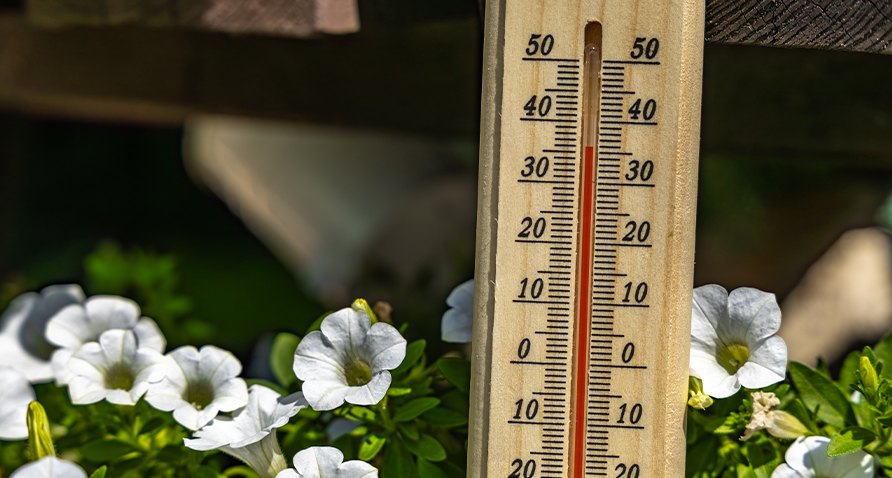
Figure 1: Summers that are becoming increasingly hot due to climate change can place a heavy strain on the body. A holistic approach to heat protection is sensible to safeguard health and prevent heat-related complaints.
Due to ongoing climate change, summers are getting hotter here too. Rising temperatures pose a serious health risk not only to older people, those who work outdoors or people with chronic illnesses. In this blog post you will learn which heat-related complaints commonly occur and which groups of people should pay particular attention to effective heat protection. You will also receive 10 concrete and easy-to-implement tips for holistic and sustainable heat management.
What does "holistic heat protection" mean and why is it important?
Excursions to the gravel pit lake, afternoons at the outdoor pool or holidays: for many people summer is the best time of year. But there is also a downside. Many climate scientists expect extreme heat events to increase significantly in the coming years due to climate change. This prognosis is supported by measurements from the German Weather Service (DWD), which document the increased occurrence of "hot days" and "tropical nights" in the years 2000 to 2024.[1] "Hot days" (also: heat days) are counted as soon as the daily maximum temperature reaches or exceeds 30°C. A "tropical night", by contrast, occurs when the night-time temperature between 6 pm and 6 am does not fall below 20°C.
When hot days and tropical nights occur in combination over a longer period, this is called a heat period, commonly referred to as a "heatwave". Such periods of sustained heat stress can place enormous strain on the organism and increase heat-related mortality. After Italy and Spain, Germany currently ranks among the three EU countries with the highest numbers of heat-related deaths.[2]
Since heat periods are expected to increase further in the coming years, it is important to consider in advance how to establish holistic heat protection. Holistic in this context means that heat protection is implemented comprehensively, systematically and on multiple levels. Instead of combating heat only in the short term (e.g. with air conditioning), holistic heat management also takes into account mental, social and environmental aspects (see below for concrete tips).
How does the human body respond to heat?
The human organism constantly strives to maintain a core body temperature of about 37°C. This temperature is necessary for all organs to fulfil their vital functions. If the ambient temperature deviates even slightly from the ideal core temperature, cooling or warming processes are set in motion. How well this physiological temperature regulation works depends, among other things, on a person's age, general health and personal fitness.
Perspiration is one of the best-known and most important physiological cooling mechanisms. As sweat evaporates from the skin, the body is effectively cooled. However, sweating also leads to the loss of large amounts of fluid and electrolytes. During multi-day heat periods with elevated humidity, the air often cannot absorb any more moisture, so sweat does not evaporate properly. Over time this can lead to the body becoming "overheated" and the circulatory system being strongly downregulated. In addition, blood vessels dilate in the heat and more blood is directed to the skin so that more heat can be released to the environment. At the same time, organs may receive less blood and muscles may be supplied with less oxygen and fewer nutrients.
Common heat-related complaints and their characteristics
Heat periods can place enormous strain on the body and cause a range of physical and psychological complaints. The severity of heat-related symptoms depends on the degree of overheating and the loss of water and electrolytes. Common heat-related complaints include:
- Heat collapse (heat syncope): In a heat collapse (also: heat shock), excessive sweating leads to increased losses of fluid and salt (electrolytes). Because overall blood pressure falls, the brain may no longer be adequately perfused. General weakness, dizziness, headaches, fainting and nausea are typical symptoms. If a cool, shady place is reached quickly and fluids are supplied, rapid and complete recovery is usually possible.
- Heat cramps: People who remain active in the heat (e.g. through sport or physically demanding work) risk heat-related muscle cramps. These occur especially during prolonged physical activity combined with heavy sweating and high fluid intake. This is because the minerals that remain in the body in the heat are dissolved by the water, which can lead to cramps. Targeted stretching often relieves cramp-like pains in the calves, thighs, feet, arms or hands.
- Heat stroke: Heat stroke can occur particularly in a closed, hot environment (e.g. in an overheated flat without air conditioning) or during physical exertion in a heat period. This is a life-threatening condition that develops when the body cannot lose heat fast enough. Body temperature usually rises above 40°C and high fever, impaired brain function, disorientation and seizures may occur. If heat stroke is suspected, emergency services should be called immediately.
Which groups of people are particularly at risk during heat periods?

Figure 2: For people who are less able to adapt physically to heat due to their age or certain illnesses, heat periods pose an increased health risk.
Although severe heat stress affects everyone in principle, there are groups for whom heat periods are particularly hazardous. These risk groups include:
- older people (65 years and over)
- infants and young children
- pregnant women
- people with chronic or acute illnesses
- people in need of care
- people who work outdoors and/or perform heavy physical labour
- people with low socio-economic status
Conditions for which heat presents an increased risk include, among others, cardiovascular diseases, lung diseases, diabetes mellitus, neurological disorders (e.g. multiple sclerosis, Parkinson's) and mental illnesses. It should also be noted that taking antidepressants or blood-pressure-lowering drugs can affect fluid and heat balance as well as the sensation of thirst.
There are several reasons why socio-economically disadvantaged people may be more at risk during heat periods: on the one hand, they more often work in jobs that require heavy physical labour outdoors. On the other hand, they may live in neighbourhoods where heat exposure is increased due to unfavourable building structures.
From daily routine to sun protection: 10 tips for holistic heat management
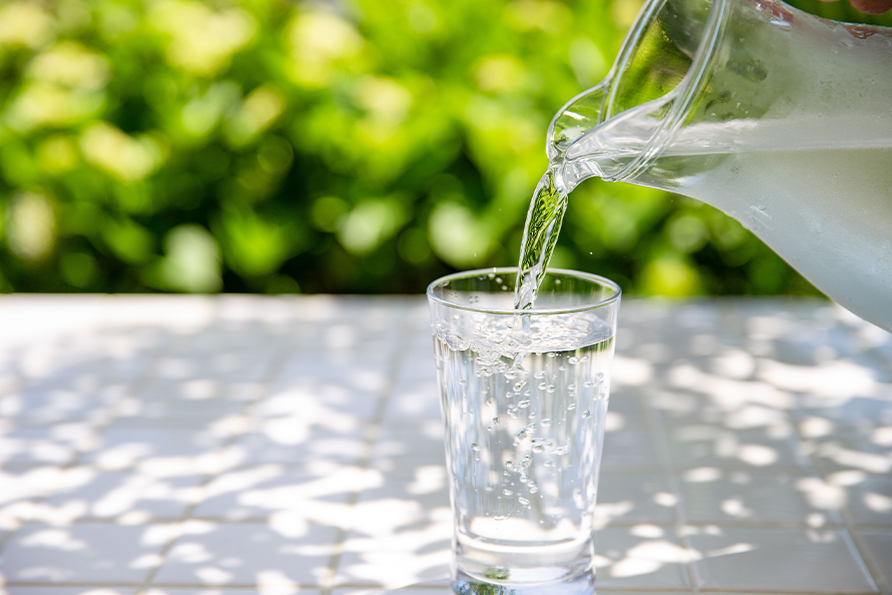
Figure 3: A daily rhythm adapted to the temperatures and the right choice of clothing and foods are just some of the points to consider when establishing holistic heat protection.
To protect yourself and others comprehensively from heat, it makes sense to combine different heat-protection measures. To avoid being caught unaware by a heatwave and to be able to prepare properly, you should follow heat warnings regularly. You can reliably stay informed via specialised weather apps or the official warning page of the German Weather Service. Below you will find helpful tips and strategies to increase your comfort and effectively protect your health in hot conditions.
1. Keep indoor spaces as cool as possible!
Holistic heat protection begins at home: ventilate only in the evening or early morning when temperatures are moderate, and keep windows and doors closed at other times. Because evaporation cools the indoor air, it can also help to hang damp sheets in front of the windows. To prepare optimally for heat periods, you should also ensure that your house or flat is well insulated. External sun protection (e.g. blinds, roller shutters or shutters) makes it harder for heat to penetrate indoors.
Instead of leaving them in standby mode, lamps, computers, TVs or freezers that you are not using should be switched off completely in hot weather. Many of these electrical appliances generate additional heat in operation. Although a fan does not cool hot air, the artificially generated airflow can feel pleasant and help dry sweat on the skin. A bowl of ice cubes placed in front of the fan increases the cooling effect.
2. Adapt your daily routine to the heat!
Cultural traditions such as the Spanish siesta did not arise without reason. In southern European countries the hottest time of day is deliberately used to rest or take a midday nap. If your daily routine allows it, you can adopt the same principle and adapt your daily structure to the heat. It makes sense to start the day as early as possible and schedule activity blocks in the morning when temperatures are still tolerable. Doctor's appointments, shopping or other errands should also, where possible during a heat period, be carried out in the cooler morning and evening hours. If you want to stay active in the heat, adjust the intensity of your workouts to the temperatures and avoid training at your limit. Outdoor training at midday or at temperatures above 30°C is not recommended even for generally healthy and athletic people. After exercise, shower lukewarm rather than ice-cold to avoid overloading the circulatory system with the cold.
3. Choose the right clothing!
Lightweight, airy and breathable are key words when it comes to choosing clothing for hot weather. It is important that air can circulate around the body. Materials such as natural fibres, linen, viscose or silk allow this. Avoid tight-fitting garments and wear head coverings such as sun hats or caps to protect your brain from overheating. Because black clothing absorbs a lot of light, it promotes additional warming of the body. Light colours that reflect sunlight are far better suited to hot conditions.
4. Train your mental heat tolerance!
How much the heat affects you is – at least in part – a matter of mindset. If you feel excessive anxiety about an upcoming heatwave or regard heat as inherently "hostile", these beliefs can amplify the actual strain. To avoid this, you can use reframing techniques to try to perceive heat consciously as something natural and increase your mental resilience. Mindfulness exercises can also help you tune in to your body in the heat and lower your stress levels.
5. Focus on cool hands and feet!
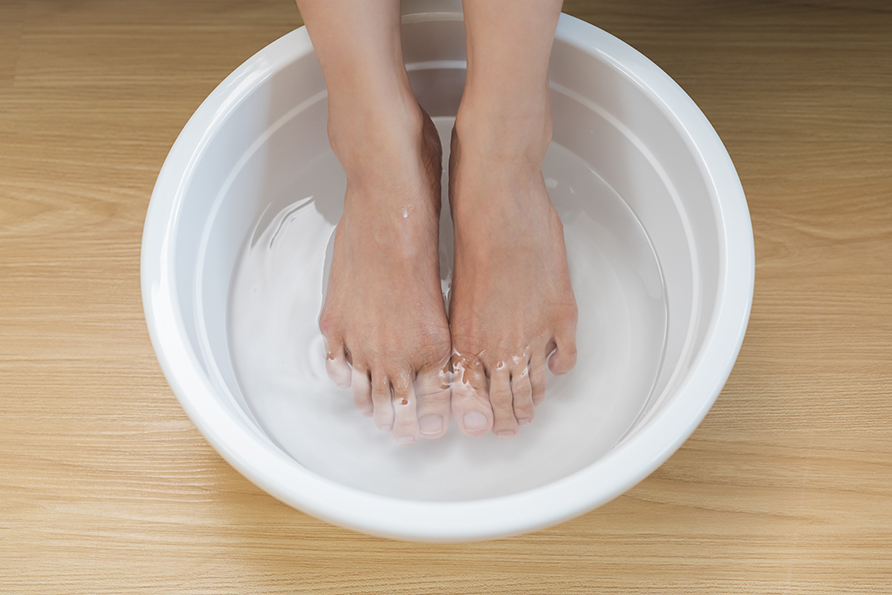
Figure 4: Hands and feet in cold water – gentle cooling without stressing the circulation!
Cooling the hands and feet is one of the best methods to achieve comprehensive relief and cooling in hot weather. Instead of a full-body shower, for example, you can fill a basin, tub or sink with cool tap water. Then immerse your hands and/or feet for up to ten minutes. This simple hand and foot bath gently reduces core body temperature without unnecessarily straining the circulatory system. If you wish, you can add a few ice cubes or essential oils (e.g. peppermint oil or eucalyptus oil) to the bath water.
6. Establish social heat protection!
Building sustainable heat protection is easier together than alone. A first step could be to liaise with your neighbourhood: are there cool places such as basements or garages nearby that could serve as retreats during severe heat? It can also be sensible to plan regular visits to older and vulnerable people who are particularly affected by the heat. A buddy system among friends and family has also proven effective: here, before a heat period, it is agreed who will remind others on which days to drink, take breaks or ventilate. This way you can look out for each other and help ensure that everyone in your circle gets through the heatwave safely and healthily.
7. Pay attention to physical symptoms!
In hot weather it is particularly important to be attentive and to listen to your body. Symptoms such as light-headedness, dizziness, headaches or pronounced weakness should always be taken seriously. Prolonged periods of heat place enormous strain on the organism. If your body signals that it is overwhelmed by the heat, give it a break without feeling guilty. Symptoms such as cramps, fever, very red skin, disorientation or vomiting can be precursors of potentially life-threatening heat-related conditions. In such cases, do not hesitate to seek medical help immediately.
8. Drink enough!
It is generally known that adequate fluid intake is very important in hot weather. Nevertheless, many people forget to drink regularly. Because acute thirst only sets in once the body has already lost too much water, you should drink preventively even without thirst. It can help to set an hourly alarm or to keep a water bottle within reach. As the body loses more fluid through increased sweating, fluid intake must be increased accordingly during hot weather. About two to three litres of fluid per day is a good reference value for healthy adults. In addition to water, you can also drink lukewarm tea or diluted fruit juice. You should, however, keep consumption of alcohol, soft drinks or caffeinated beverages as low as possible during heat periods.
9. Eat light and prefer cooling foods!
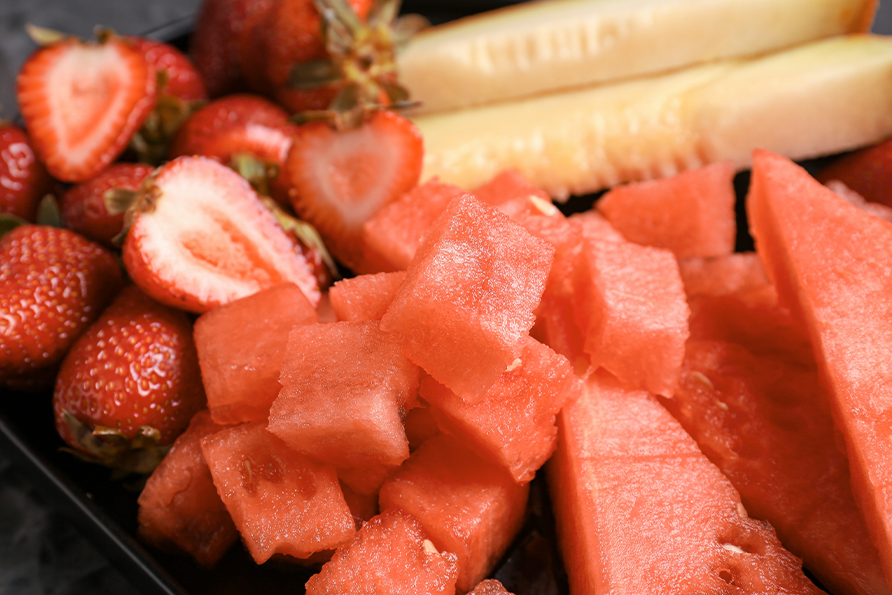
Figure 5: Beat the heat with water-rich fruit, salads and small meals!
On hot days, you should also adapt your meal structure and food choices. Instead of three heavy main meals, several small meals spread over the day are usually better tolerated. You can also relieve your body by choosing cooling and fresh foods. Water-rich fruits and vegetables such as watermelon, strawberries, grapefruit, cucumber or tomato are a good choice. Gazpacho, cold soups, salads with legumes or steamed fish are also popular summer dishes. Avoid greasy, fried and heavily spiced foods, as these can burden digestion and raise body temperature.
10. Don't forget sun protection!
On hot days the sun usually shines particularly intensely. UV radiation is also stronger, so effective sun protection is all the more important. This is not only about preventing sunburn, but also about protecting against skin cancer, heat stroke and sun-related skin ageing. Even in the shade, sunscreen with a high sun protection factor should be used – for fair skin types and strong sun an SPF of 50+ is recommended. Apply sunscreen generously at least every two hours and, when swimming, bathing or sweating heavily, make sure to use a water-resistant product.
Disclaimer
This article does not replace treatment by a qualified therapist. The basis for this contribution is studies and current literature. It must not be used for self-diagnosis or self-treatment. Discuss any inspirations from this article with a therapist you trust, if necessary.
Biography
Katharina Korbach regularly writes blog posts about medicinal plants and natural active ingredients for the Narayana Verlag. She developed an interest in language early on and began writing her own literary texts. A serious illness during her A-levels prompted an intensive engagement with health and nutrition topics that continues to this day. After repeated failures of conventional medical treatments, she decided on a more self-effective, naturopathic therapeutic approach. A plant-based diet was a key element on her path to recovery.
Katharina studied Cultural Studies (B.A.) and Applied Literary Studies (M.A.). In 2022 she published her debut novel "Sperling" with Berlin Verlag. She now lives in Berlin as a freelance author, medical editor and lecturer. She likes to spend her free time with friends or at barre training. She also loves to travel and try out new vegan recipes.
[1] Umweltbundesamt (2025): Health risks from heat. https://www.umweltbundesamt.de/daten/umwelt-gesundheit/gesundheitsrisiken-durch-hitze#indikatoren-der-lufttemperatur-heisse-tage-und-tropennachte (accessed: 10.06.2025).
[2] RKI (2025): FAQ on climate change and health and the risk posed by heat. https://www.rki.de/SharedDocs/FAQs/DE/Klimawandel-und-Gesundheit/FAQ-Klimawandel.html (accessed: 10.06.2025).
Figure 1: Dominik_Spalek/shutterstock.com ; Figure 2: Billion Photos/shutterstock.com ; Figure 3: kazoka/shutterstock.com ; Figure 4: Kmpzzz/shutterstock.com ; Figure 5: Pixel-Shot/shutterstock.com
03.07.2025

