
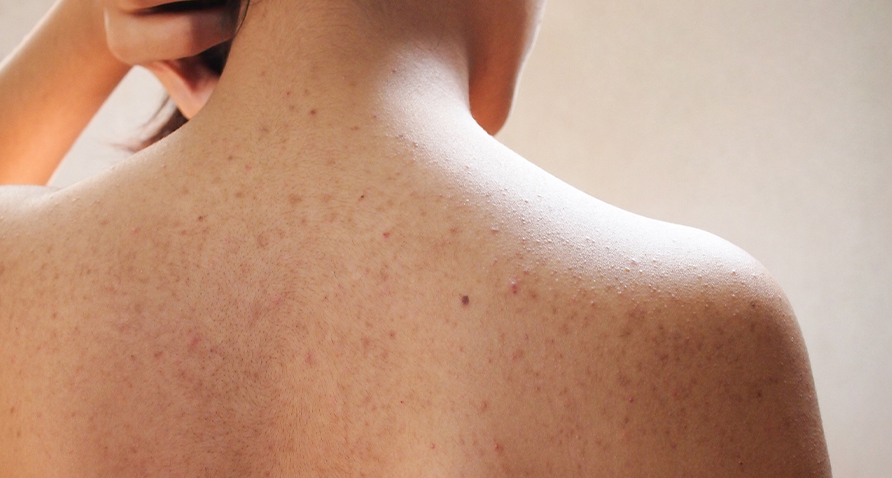
Figure 1: In summer, intense UV radiation, heat and increased sweating can stress and dry out the skin. With the right care you can prevent "summer acne" and promote regeneration.
Intense UV radiation combined with heat and humidity can put a lot of strain on the skin in summer. For it to return to its natural balance after sun exposure, proper regeneration is crucial. In this blog article you will learn which factors especially stress the skin in summer and why moisture and antioxidants are so important for skin health. If you follow our 10 tips and tricks for summer skin care, nothing will stand in the way of your next beach holiday, a day at the lake or sunny hours on the balcony.
Why is it important to adapt skin care to the season?
Our skin has different, specific needs in each season. This is mainly due to changing weather conditions, which are usually accompanied by lifestyle adjustments. In winter, cold and dry indoor heating air strip the skin of much moisture and lipids, which is why it often becomes scaly, itchy or tight. In the cold season, therefore, rich care is recommended. In contrast, in the summer months it is primarily high UV radiation and increased sweat and sebum production that stress the skin. External influences such as salt or chlorinated water and frequent showering can additionally burden the skin and strip it of important moisture.
Typical skin problems in summer include blemishes, because sebum, sweat and sunscreen can block pores and trigger so-called "summer acne". In addition, high UV radiation (often aggravated by hormonal influences or pre-existing skin irritations) can cause hyperpigmentation. This term covers all kinds of dark spots such as freckles, age spots or pigment spots, which can appear locally or over large areas of the skin. A high-SPF sunscreen can usually prevent further pigmentation in these cases. How proper cleansing and care can prevent blemishes in summer is explained in the next section.
Is sunlight always harmful to our skin health?
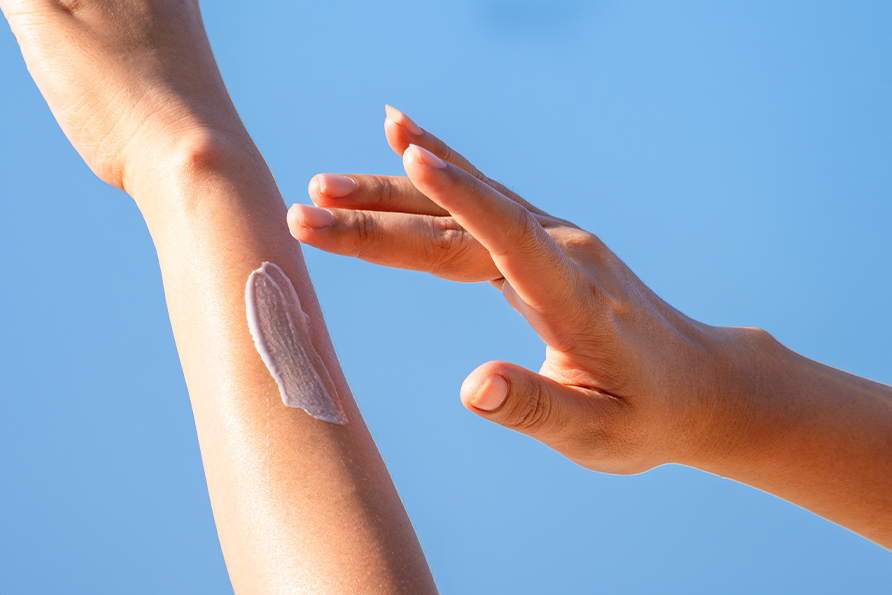
Figure 2: The body needs sunlight for certain bodily processes to run smoothly. At the same time, adequate UV protection is crucial, especially in the summer months.
The numerous warnings about intense UV radiation in summer are justified: if you expose yourself to the sun for too long without adequate protection, you can expect symptoms such as reddened, irritated skin or sunburn. In the long term, excessive UV radiation increases the risk of skin cancer and contributes to premature skin ageing. To understand this connection, it helps to know that there are two types of ultraviolet radiation from the sun: UVB and UVA rays. Their main characteristics are summarised below.
- UVB rays: This mid-wavelength type of radiation acts superficially and mainly affects the epidermis. UVB rays can release free radicals in the outer skin. Damage to skin cells is visible in the short term as sunburn and redness. In the long term, exposure to UVB rays increases the risk of DNA damage and skin cancer.
- UVA rays: Long-wave UVA rays make up the majority of UV radiation that reaches the earth (approx. 95%). They can penetrate to the dermis, a deeper skin layer, and damage the skin’s collagen framework. For this reason, UVA rays are rightly regarded as the main driver of premature skin ageing. Repeated unprotected exposure to UVA radiation promotes wrinkles and reduced skin elasticity. Long-term consequences include an increased risk of chronic diseases and skin cancer.
Especially in the summer months, a broad-spectrum sunscreen that protects against both UVB and UVA radiation should be used when needed.[1] However, demonising or completely avoiding sunlight because of the health risks of UV rays would also be wrong. That most people are naturally drawn to the sun has solid physiological reasons. Sunlight supports a variety of vital processes in the body. For example, vitamin D production is stimulated by UVB radiation – without contact between our skin and sunlight, this important micronutrient cannot be produced. Sunlight also promotes the production of white blood cells and the release of the "feel-good" hormone serotonin. It is therefore no wonder that most of us enjoy – at least a short – sunbath.
From hydration to antioxidants: 10 tips & tricks for summer skin care
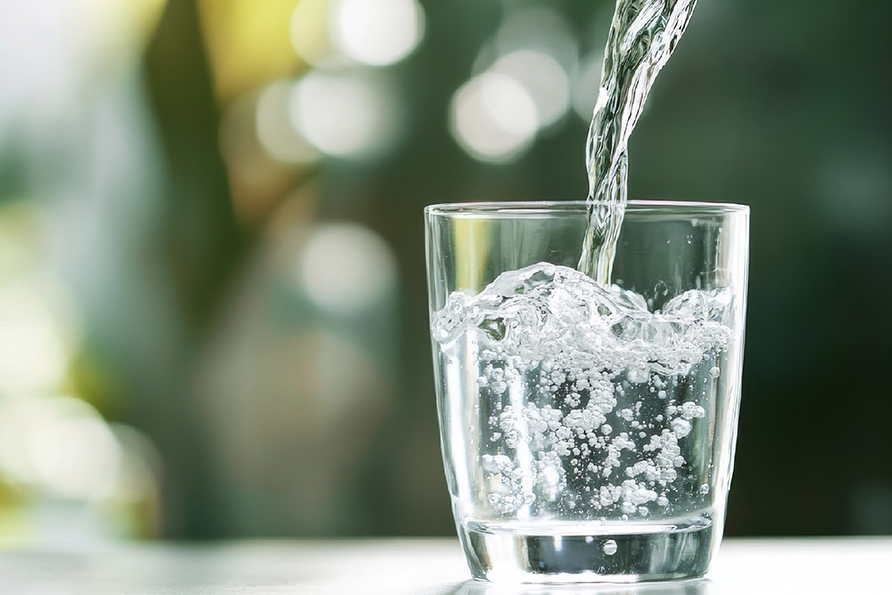
Figure 3: Skin-friendly nutrition, the right clothing and an adapted care routine are important building blocks with which you can specifically support summer skin.
In the sunny season the skin needs extra attention. Summer skin care should not be limited to UV protection alone. It is also important to prepare the skin properly for sun exposure and to care for it specifically afterwards. Below you will find 10 tips and tricks to support your skin in summer and restore its natural balance through regenerative care.
1. Hydrate your skin from the inside!
It is well known that you should drink plenty and regularly in high temperatures. Otherwise, mild circulatory problems to serious heat-related conditions such as heat exhaustion or collapse can occur. Through increased sweating in summer the body loses not only fluid but also important minerals and trace elements. Our skin notices this: when the body is dehydrated, it often looks dull, dry and less elastic. In addition, loss of fluid and minerals can destabilise the skin barrier. Inflammations can then no longer be adequately regulated and UV damage is less well defended against. The skin is also more prone to irritation. Active ingredients from skin care products may be less well absorbed and blemishes can form more easily.
The European Food Safety Authority (EFSA) therefore recommends a water intake for healthy adults under moderate conditions of 2 litres (women) and 2.5 litres (men) per day.[2] With physical activity, heavy sweating or on very hot days, the requirement can rise to 3 to 4 litres per day. To compensate for salt and mineral losses, isotonic drinks or electrolyte solutions can be useful.
2. Opt for hydration rather than heavy oils!
In summer the skin produces more sebum because warmth stimulates the activity of the sebaceous glands. The secretion forms a protective film (hydrolipid film) on the skin surface that protects against dehydration and potentially harmful environmental influences such as dirt or microbes. Because the sebum layer is already oily and can promote blemishes or skin that appears greasy, very oily skin care should be avoided in summer. Instead, use moisturising products with a low oil content. Lightweight moisturisers or serums with natural ingredients are a good choice to compensate for the increased moisture loss of the skin in summer. One of the best moisturising ingredients for well-cared-for summer skin is hyaluronic acid. This naturally occurring substance has strong water-binding properties and, among many other positive effects, can contribute to a noticeable improvement in skin elasticity and moisture supply.[3]
3. Remember daily sun protection!
The golden rule for skin health in summer is: never forget to use a sunscreen with a sufficiently high sun protection factor. Only in this way can you adequately protect yourself from sunburn, premature skin ageing and skin cancer caused by UV radiation. Choosing the right SPF depends on several factors such as skin type, UV intensity, duration of sun exposure and individual skin needs. Generally: the lighter the skin type, the higher the SPF should be. For very fair or sensitive skin types, for the prevention of pigment spots and in existing skin conditions, a sunscreen with SPF 50+ is usually recommended.
When buying a sunscreen, try to choose a product that is as natural as possible without questionable ingredients and that protects against both UVA and UVB radiation. Especially at the beginning of summer it is important to slowly acclimatise the skin to the sun. Instead of exposing yourself for long periods on the first sunny days, it is advisable to start with 10 to 15-minute sunbaths. Reapply sunscreen at least every two hours and after swimming, exercise or heavy sweating.
4. Support summer skin with the right nutrition!
Your skin is happy in summer not only with external but also with internal care. With skin-friendly nutrition you can help the body's largest organ successfully defend itself against UV radiation, free radicals and heat. But what does skin-friendly eating mean in concrete terms? In addition to adequate drinking, water-rich fruit and vegetables also help to compensate for moisture loss and promote skin circulation and elasticity. Reach more often for foods like cucumber, courgette, watermelon or tomatoes to keep the skin hydrated. High-sugar and highly processed foods should be avoided in summer and beyond, as they are usually low in nutrients and can promote inflammation in the body.
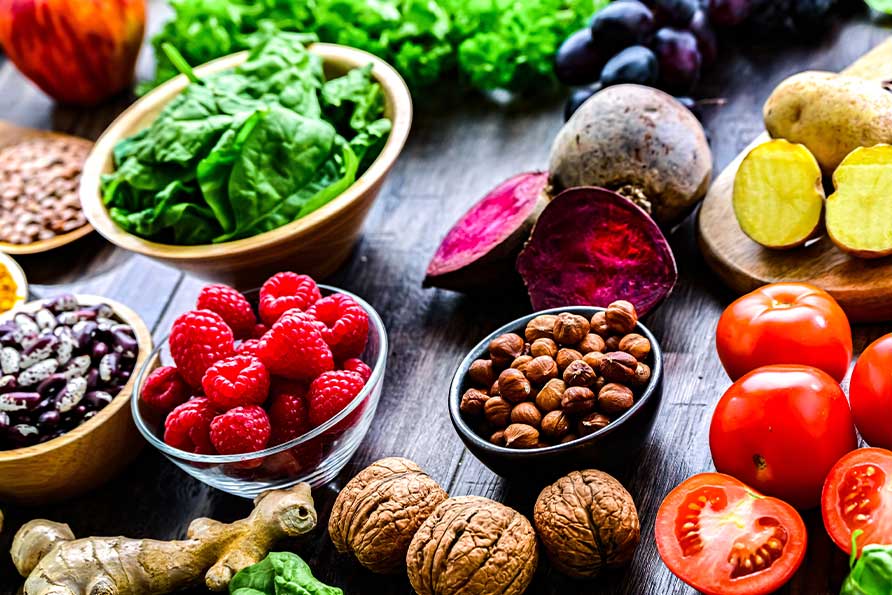
Figure 4: Antioxidant-rich foods can strengthen the body's defence against UV radiation and help prevent sunburn.
5. Supply your skin with antioxidants!
Did you know that antioxidants can help prevent sunburn? Studies show that an antioxidant-rich diet can strengthen the body's defence against UV radiation.[4] Antioxidant micronutrients include vitamin C, vitamin E, zinc, selenium and omega-3 fatty acids as well as carotenoids. The latter are fat-soluble secondary plant compounds responsible for the yellow, orange or red colour of many vegetables and fruits (e.g. carrots, tomatoes, sweet potatoes, pumpkin, apricots).
6. Cleanse and care for your skin thoroughly!
Careful cleansing is essential to keep the skin's acid mantle in balance. Preferably use mild cleansers that do not dry out the skin. Before sun exposure a gentle exfoliation can remove dead skin flakes and smooth the skin surface so that sunscreen can be applied more evenly afterwards. However, be cautious with highly concentrated peels such as AHA peels (fruit acid peels), as these can make the skin more sensitive to UV radiation and increase the risk of skin damage like sunburn and pigment spots when exposed to the sun. After cleansing in summer you should apply a light day cream and a sunscreen.
7. Use only light make-up!
When it comes to make-up, the rule for the warm season is: less is more! Tinted moisturisers or lightweight foundations are ideal now. Preferably use make-up products with SPF for additional protection. If you use make-up without SPF, be sure to apply a sunscreen or a day cream with adequate SPF beforehand. Wait about 15 minutes afterwards before applying make-up so that the sun protection can take full effect. At the end of a hot and sunny day it is important to remove make-up thoroughly and cleanse the skin. This removes residues such as sand, sweat or sunscreen and prevents pore blockage and subsequent blemishes.
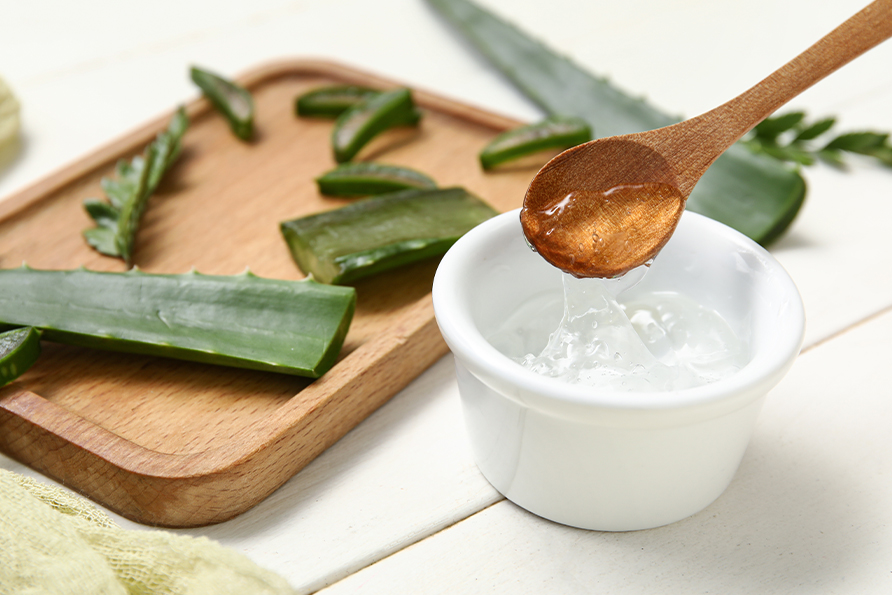
Figure 5: Aloe vera has cooling, anti-inflammatory properties and provides moisture – ideal for sun-stressed skin. Pay attention to pure gel, as too much aloin can irritate.
8. Soothe stressed skin with aloe vera!
Aloe vera was already used in antiquity to treat skin burns such as sunburn. The medicinal plant is regarded as a natural moisturiser and a suitable alternative to after-sun lotions. Aloin is one of the substances responsible for the anti-inflammatory properties of aloe vera.[6] The natural active ingredient is found in the rind and the yellow sap (latex) of the aloe vera plant and is naturally present in aloe vera gel. But caution: in high doses aloin can also be irritating to sensitive or already damaged skin.
If you want to use aloe vera on sunburn, it is advisable to use only high-quality, pure aloe vera gel. If you extract the gel yourself from an aloe vera plant, stand a leaf upright with the cut end down in a glass first. Let the yellow sap, which contains most of the aloin, drip off for about 20 to 30 minutes. Then remove the clear aloe vera gel and apply it to the sun-stressed skin areas. Even without sunburn, aloe vera gel can be extremely soothing and calm the skin after sun exposure. The cooling and revitalising gel is also used for redness and insect bites.
9. Prefer lukewarm showers in heat!
Although a cold shower can be tempting on hot days, there are several reasons against it. Cold water can not only put a strong strain on the circulatory system but also cause the skin and blood vessels to constrict. This reduces heat dissipation – instead of the hoped-for refreshment, the shower causes the body to retain heat. Lukewarm water, on the other hand, also cools the skin slightly but without excessive constriction of the blood vessels. This allows sweat to evaporate naturally and gently lowers body temperature. A lukewarm shower also supports skin health by promoting circulation and protecting the skin barrier. This is especially important in summer to retain moisture in the skin and prevent additional drying out from frequent showering.
10. Protect your skin with the right clothing!
The right clothing choice can also help protect the skin in summer. Choose breathable yet tightly woven fabrics such as canvas, which protect better against UV rays than loosely woven materials. Long-sleeved yet loose clothing offers mechanical protection by covering the skin while still allowing air to circulate. This prevents heat build-up and ensures comfortable wear. Lightweight, flowing and skin-friendly fabrics such as modal, linen or viscose should also not be missing from your summer wardrobe. Be sure to think about protecting your scalp in the warm season! Baseball caps, wide-brimmed sun hats and, if necessary, a specialised SPF spray for the scalp are good options.
Disclaimer
This article does not replace treatment by a qualified therapist. The basis of this contribution is studies and current literature. It must not be used for self-diagnosis or self-treatment. Discuss any inspirations from this article with a therapist you trust if necessary.
About the author
Katharina Korbach regularly writes blog posts for the Narayana Verlag on health topics, medicinal plants and natural active ingredients. She became interested in language early on and began writing her own literary texts. A serious illness during her final school year prompted intensive engagement with health and nutrition topics that continues to this day. After repeated failures of conventional medical treatments, she opted for a more self-empowering, naturopathic therapeutic approach. A plant-based diet was a key factor in her recovery journey.
Katharina studied Cultural Studies (B.A.) and Applied Literary Studies (M.A.). In 2022 she published her debut novel "Sperling" with Berlin Verlag. She now lives in Berlin as a freelance author, medical editor and lecturer. In her free time she prefers to spend time with friends or at barre training. She also loves to travel and try new vegan recipes.
[1] Guan LL, Lim HW, Mohammad TF. Sunscreens and Photoaging: A Review of Current Literature. Am J Clin Dermatol. 2021 Nov. https://pmc.ncbi.nlm.nih.gov/articles/PMC8361399/.
[2] EFSA (2010). EFSA Panel on Dietetic Products, Nutrition, and Allergies (NDA): Scientific Opinion on Dietary Reference Values for Water. EFSA Journal 2010. https://efsa.onlinelibrary.wiley.com/doi/epdf/10.2903/j.efsa.2010.1459 (accessed: 24.06.2025).
[3] Papakonstantinou E, Roth M, Karakiulakis G. Hyaluronic acid: A key molecule in skin aging. Dermatoendocrinol. 2012 Jul. https://pubmed.ncbi.nlm.nih.gov/23467280/.
[4] Fernández-García E. Skin protection against UV light by dietary antioxidants. Food Funct. 2014 Sep. https://pubmed.ncbi.nlm.nih.gov/24964816/.
[5] Guerin M, Huntley ME, Olaizola M. Haematococcus astaxanthin: applications for human health and nutrition. Trends Biotechnol. 2003 May. https://pubmed.ncbi.nlm.nih.gov/12727382/.
[6] Ma Y, Tang T, Sheng L, Wang Z, Tao H, Zhang Q, Zhang Y, Qi Z. Aloin suppresses lipopolysaccharide–induced inflammation by inhibiting JAK1–STAT1/3 activation and ROS production in RAW264.7 cells. Int J Mol Med. 2018 Oct. https://pmc.ncbi.nlm.nih.gov/articles/PMC6108888/.
Figure 1: DUANGJAN J/shutterstock.com ; Figure 2: Me dia/shutterstock.com ;Figure 3: rahmi ayu/shutterstock.com ; Figure 4: Tatjana Baibakova/shutterstock.com ; Figure 5: Pixel-Shot/shutterstock.com
17.07.2025

