
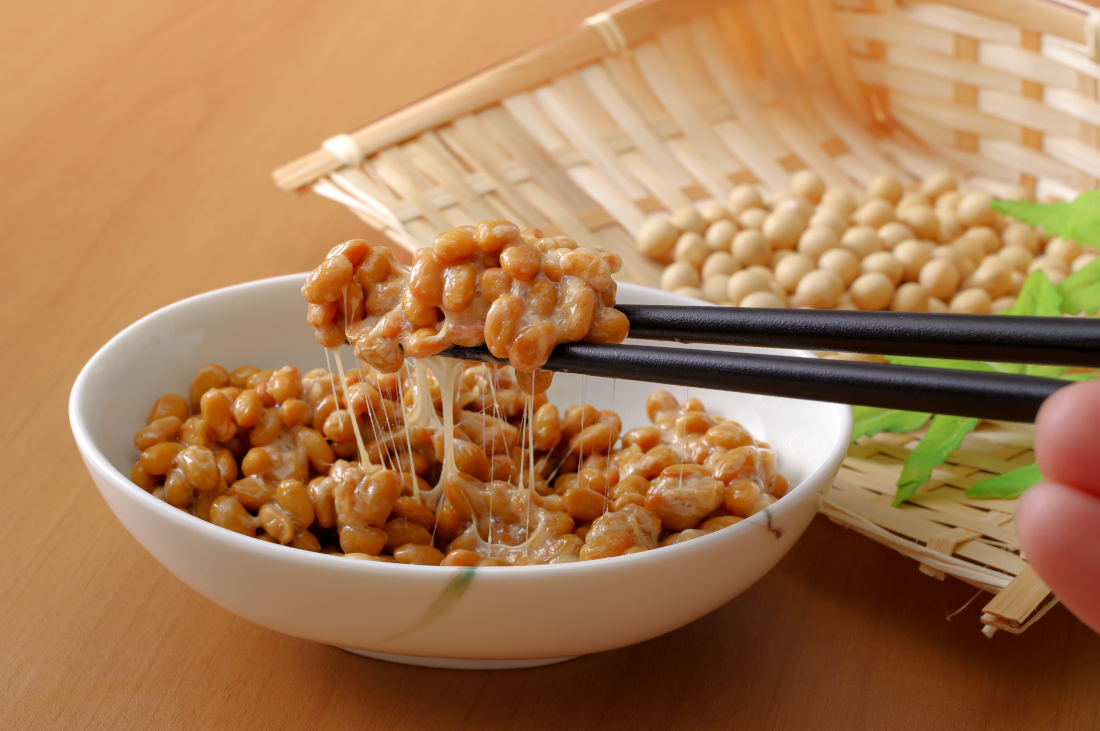
Figure 1: The enzyme Nattokinase consists of 275 amino acids. It is obtained from the fermentation of soybeans used to make the traditional Japanese dish Natto.
Nattokinase is regarded as a natural blood thinner and is widely used to help prevent thrombosis and cardiovascular diseases. The fibrinolytic (blood-clot–dissolving) enzyme is produced during the fermentation of soybeans to make the traditional Japanese dish Natto. In this blog article you will learn what else characterises Nattokinase and which health effects are attributed to this protein‑splitting enzyme (a protease). You will also receive helpful information on how to choose a suitable Nattokinase product and on correct intake and dosing.
Natto: Traditional Japanese soybean dish
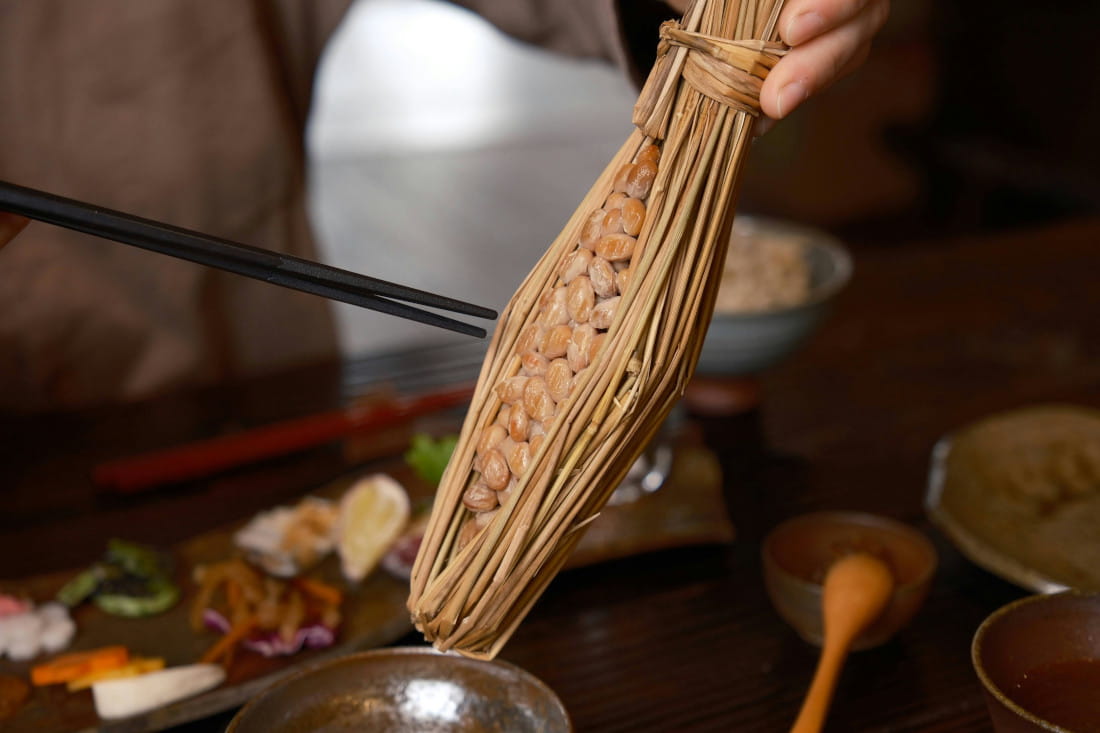
Figure 2: While Natto is considered a healthy delicacy in Japan, the dish is more of an acquired taste for Western palates.
Natto is regarded in Japan as a staple food and has been eaten there for centuries. The base for this traditional dish is whole, green soybeans. For the preparation of Natto, the soybeans are first cooked and then fermented with the help of the bacterial strain Bacillus subtilis natto. Natto is rich in nutrients and dietary fibre and also contains vitamins and all essential amino acids. In addition, the dish is low in fat and high in protein.
In Japan Natto is considered a healthy delicacy. It is often eaten as a side dish or served with vegetables and rice in the morning. That Natto has not become established in Europe despite its many health benefits is most likely due to its strong smell and slimy, stringy texture. These qualities are an acquired taste for most European palates and are also why Natto is often referred to as "vegetable cheese".
What exactly is Nattokinase?
Nattokinase is an enzyme obtained during the fermentation process of soybeans used to make Natto. The bacteria involved require the protein Nattokinase to metabolise the soybeans; it consists of 275 amino acids. Nattokinase was first discovered in 1987 in Chicago by Dr Hiroyuki Sumi.
The name "Nattokinase" is composed of the two terms "Natto" and "kinase". While "Natto" describes the origin of the enzyme, "kinase" refers to the ability of Nattokinase to act as a catalyst in metabolic processes. Only after the name was coined was it found that Nattokinase does not actually belong to the kinases but to the group of proteases. Proteases are enzymes that break down proteins into smaller building blocks.
Why take Nattokinase instead of eating Natto?
Nattokinase is often sold in isolated form as a dietary supplement. But why might it make sense in some cases to use Nattokinase capsules rather than consuming the original dish Natto? Before looking at possible reasons in more detail, it should be noted that taking Nattokinase does not necessarily exclude eating Natto. Those who eat Natto automatically consume Nattokinase and can thus benefit from the enzyme. The numerous nutrients, probiotic bacteria and essential amino acids contained in Natto can also support health in many ways.
It should be noted, however, that the health effects of Natto can only develop optimally if it is eaten regularly and in sufficient quantities. Since, as already mentioned, the taste and smell of traditional Natto are an acquired taste for people in the Western world, very few people enjoy eating Natto regularly. With Nattokinase capsules, precise dosing is also much easier, whereas enzyme contents in Natto can vary considerably.
For people with a soy allergy, those sensitive to soy, or those who for other reasons do not want to consume soy, taking purified Nattokinase as a dietary supplement is preferable to eating Natto.
Nattokinase and its health effects
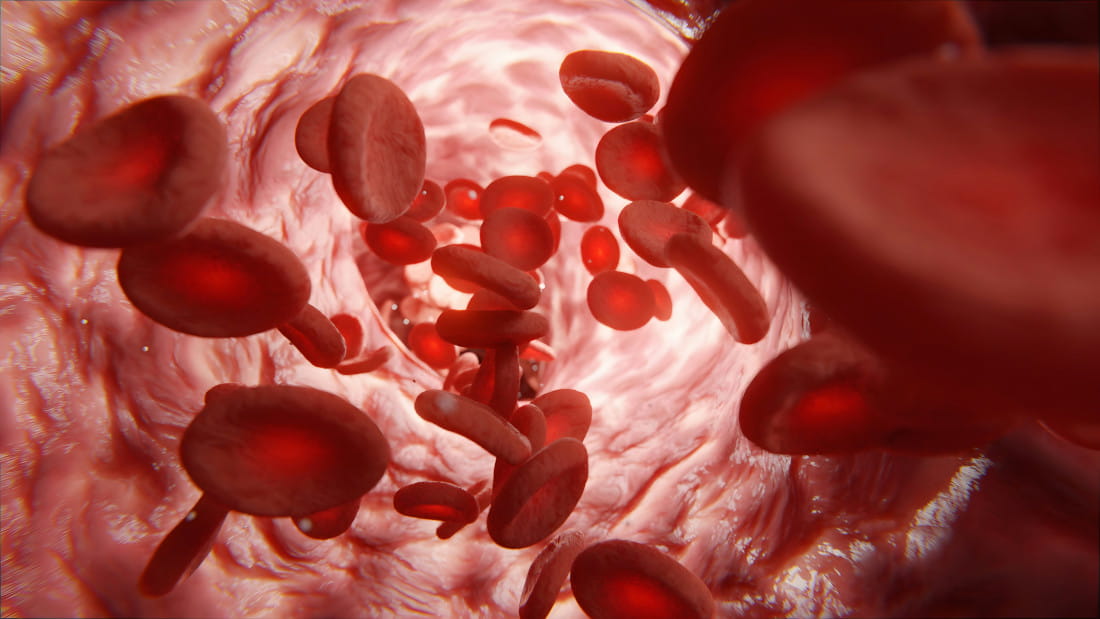
Figure 3: Due to its fibrinolytic properties, Nattokinase is regarded as a natural blood thinner.
In Japanese naturopathy, Nattokinase is often used for the prevention of cardiovascular diseases [1] and for severe fatigue. Here in Europe Nattokinase is particularly known for its fibrinolytic, i.e. "blood‑clot‑dissolving", properties. [2], [3] Below, and taking current studies into account, we examine to what extent Nattokinase may be relevant for the treatment and/or prevention of selected conditions.
Blood clotting and thrombosis
As a natural blood thinner, Nattokinase can dissolve blood clots and reduce blood viscosity. This happens because Nattokinase breaks down the protein fibrin, which plays a major role in the formation of blood clots. The body’s own enzyme thrombin is usually responsible for the formation of thrombi (thrombus = blood clot). Thrombin converts the precursor fibrinogen into the "glue" fibrin, which can seal wounds and blood vessels.
Possible undesirable consequences include heart attacks and strokes. These can, however, be prevented by fibrinolysis, i.e. the dissolution of the blood clot that has formed. Like the body's own enzyme plasmin, Nattokinase has fibrinolytic properties that enable it to dissolve the fibrin contained in blood clots and thus help restore a healthy balance in the body.
The described effects of Nattokinase on blood clotting have been investigated and confirmed in numerous studies.[4], [5] A randomised, double‑blind, placebo‑controlled study from 2004 involving 86 healthy volunteers found that blood clotting and endothelial function can be significantly improved by taking Nattokinase. [6]
Thrombosis on long‑haul flights
Further studies examined whether the antithrombotic activity of the enzyme Nattokinase can reduce the risk of thrombosis caused by prolonged sitting during flights. In a clinical study from 2002[7], 204 passengers on a flight from New York to London received either a placebo or a mixture of Nattokinase and Pycnogenol.
In the subsequent ultrasound examination no deep vein thromboses were found in the supplement group, whereas five cases of deep vein thrombosis and two cases of superficial clots were detected in the placebo group. Leg swelling increased after the flight in the placebo group, while it decreased by 15% in the Nattokinase–Pycnogenol group.
Cardiovascular diseases
Prevention of cardiovascular disease is one of the main uses for Nattokinase preparations. Notably, Nattokinase as a single compound can exert several pharmacological effects that are beneficial for preventing and alleviating cardiovascular diseases. These include, in addition to the fibrinolytic and antithrombotic properties, blood‑pressure‑ and lipid‑lowering effects as well as neuroprotective actions. [8]
Alzheimer’s disease
The connection between Nattokinase and the prevention and/or treatment of Alzheimer’s disease has not yet been sufficiently investigated in clinical human studies. It is conceivable, however, that because Nattokinase can dissolve blood clots, it might also dissolve the deposits typical of Alzheimer’s in the brain. An in vitro study from 2009 was actually able to demonstrate this. [9]
Atherosclerosis and hyperlipidaemia
As with Alzheimer’s, further human studies would be desirable to clarify the effect of Nattokinase intake on atherosclerosis and hyperlipidaemia. That a positive effect is possible is suggested by a large clinical study from 2022 with 1,062 participants. [10] At a daily dose of 10,800 FU — far exceeding the recommended daily dose of 2,000 FU — a significant efficacy of Nattokinase on the management of atherosclerosis progression and hyperlipidaemia was demonstrated.
In another study, a six‑month intake of high‑dose isolated Nattokinase (7,000 FU per day) showed no effects on blood lipid levels. [11] Interestingly, the same study included a second participant group that took Nattokinase in combination with red fermented rice. The cholesterol level in that second group was actually 25% lower after six months than at the start of the study.
Is vitamin K2 present in Nattokinase?
The Japanese soybean dish Natto contains large amounts of vitamin K2, which is formed during fermentation by Nattokinase. This is the specific vitamin K2 menaquinone‑7 (MK‑7), which among other things regulates blood clotting. Scientific studies indicate that MK‑7 is the most effective natural form of vitamin K2 for optimising the body's vitamin K status. [12]
Nutritional supplements containing Nattokinase, however, often contain only small amounts of vitamin K2 and are therefore generally not suitable for meeting vitamin K requirements. Many Nattokinase products have been purified and are completely free of vitamin K. This is usually indicated on the packaging with a statement such as "vitamin K‑cleaned" or "free from vitamin K".
What to look for when buying a Nattokinase product
Figure 4: In addition to the production method, when buying a Nattokinase preparation you should also pay attention to the FU value and any additional ingredients and excipients.
There are now numerous Nattokinase products on the market. The most common form of Nattokinase dietary supplement is Nattokinase capsules. These have the advantage of being easy to swallow and tasteless. The less common Nattokinase tablets often have an unusual taste and frequently contain additives such as tabletting aids. Even when buying Nattokinase capsules, it is advisable to pay attention to a few points:
Production and purity

Figure 5: Nattokinase arises from the fermentation of soybeans during the production of Natto.
The quality of dietary supplements is measured, among other things, by how they are manufactured. Nattokinase is no exception: some unscrupulous suppliers use genetically modified soybeans or residues from shrimp production (crab shells) to make Nattokinase products. Accordingly, when buying Nattokinase supplements you should ensure that only non‑GMO soybeans were used.
On many trustworthy suppliers’ websites you can find laboratory analyses and tests documenting the purity of the products offered. In case of doubt, you can request the relevant information directly from the manufacturer.
Capsule material
It is particularly important for people following a vegan lifestyle to check what the capsule is made of before buying a Nattokinase product. Many Nattokinase capsules are coated with gelatine. If you prefer a vegan supplement, make sure the Nattokinase product you choose contains only plant‑based ingredients. The vegan Nattokinase capsules from Unimedica are embedded in rice flour and have a capsule shell of purely plant origin. Nattokinase products with a capsule shell made of cellulose are also suitable for vegans.
Enzyme activity and Nattokinase concentration
Another important factor for the effectiveness of Nattokinase preparations is the so‑called fibrinolytic units (FU). A product’s FU value indicates how effectively the Nattokinase it contains can dissolve fibrin. In other words, it quantifies the enzyme activity. The higher the FU value, the higher the enzyme activity and thus the ability to dissolve blood clots. As in most Nattokinase products, the high‑dose Blutdruck‑Komplex capsules from Unimedica also contain 2,000 FU per 100 mg Nattokinase.
Additives and allergens
Make sure to choose a Nattokinase preparation that, apart from the capsule shell, contains only pure Nattokinase without additional additives. Many cheap products, for example, are additionally adulterated with magnesium stearate. Special caution is required for people with a soy allergy, since Nattokinase preparations may contain soy or soy residues.
Other ingredients
Nattokinase can be purchased not only in isolated form but is often also an ingredient in specialised active‑ingredient complexes. Here the enzyme can work together with other minerals, plant substances and vitamins to exert its effect. The Löwenherz capsules from Unimedica contain carefully coordinated ingredients to support heart and blood health. The Venenfreund capsules from Unimedica are also a high‑quality premium combination of various extracts and vitamins, in which, alongside Nattokinase, vitamin C as well as horse chestnut and vine leaf extracts are included.
Correct dosing and intake of Nattokinase
Nattokinase capsules are usually taken once daily with a glass of water. The recommended dose is 100 mg Nattokinase (2,000 FU) per day. In some cases, however, higher doses distributed throughout the day are used. It is best to speak with your treating doctor to decide which dosage is appropriate in your case.
There are no general recommendations regarding the timing of intake. If the product’s directions for use do not state otherwise, you can take Nattokinase at any time of day. Nattokinase preparations can be used either as a course or as a long‑term supplement.
Side effects and contraindications
In general, taking Nattokinase is rarely associated with side effects. Rarely, gastrointestinal complaints such as nausea, diarrhoea or abdominal pain occur. However, if medications are taken at the same time, Nattokinase should only be used after medical consultation.
People taking blood‑thinning medication should in any case refrain from taking Nattokinase! Because Nattokinase acts as a natural blood thinner, otherwise there is an increased risk of bleeding. Pregnant and breastfeeding women as well as people with a tendency to bleed or with bleeding disorders should avoid Nattokinase preparations. Intake is also not recommended before surgical procedures, as bleeding during surgery could otherwise be greater than usual.
References:
[1] Yunqi Weng et al., Nattokinase: An Oral Antithrombotic Agent for the Prevention of Cardiovascular Disease, International Journal of Molecular Sciences, 2017 Mar; 18(3): 523
[2] A newly derived protein from Bacillus subtilis natto with both antithrombotic and fibrinolytic effects, Journal of Pharmacological Sciences, 2005 Nov;99(3):247-51
[3] Chang CT et al, Potent fibrinolytic enzyme from a mutant of Bacillus subtilis IMR-NK1, Journal of Agricultural and Food Chemistry, 2000 Aug;48(8):3210-6.
[4] Randomized, controlled study of the postoperative preventive effect of a nattokinase-containing beverage on deep vein thrombosis. European Journal of Vascular and Endovascular Surgery, vol. 49, no. 2, 2015, pp. 230-5.
[5] Kurosawa Y et al., A single-dose of oral nattokinase potentiates thrombolysis and anti-coagulation profiles, Scientific Reports, 2015 Jun 25;5:11601.
[6] S. Fujita et al. Increased fibrinolytic activity during exercise may be mediated by an increase in thrombin-activatable fibrinolysis inhibitor and by changes in platelet activation. Journal of Thrombosis and Haemostasis, vol. 2, no. 7, 2004, pp. 1186-92.
[7] Cesarone MR et al., Prevention of venous thrombosis in long-haul flights with Flite Tabs: the LONFLIT-FLITE randomized, controlled trial. Angiology. 2003 Sep-Oct;54(5):531-9. https://pubmed.ncbi.nlm.nih.gov/14565628/ .
[8] Chen H, McGowan EM, Ren N, Lal S, Nassif N, Shad-Kaneez F, Qu X, Lin Y. Nattokinase: A Promising Alternative in Prevention and Treatment of Cardiovascular Diseases. Biomark Insights. 2018 Jul 5; 13:1177271918785130.
[9] Hsu RL et al., Amyloid-degrading ability of nattokinase from Bacillus subtilis natto, Journal of Agricultural and Food Chemistry, 2009 Jan 28;57(2):503-8.
[10] Chen H, Chen J, Zhang F, Li Y, Wang R, Zheng Q, Zhang X, Zeng J, Xu F, Lin Y. Effective management of atherosclerosis progress and hyperlipidemia with nattokinase: A clinical study with 1,062 participants. Front Cardiovasc Med. 2022 Aug 22;9:964977. https://www.ncbi.nlm.nih.gov/pmc/articles/PMC9441630/.
[11] Yang NC et al., Combined nattokinase with red yeast rice but not nattokinase alone has potent effects on blood lipids in human subjects with hyperlipidemia. Asia Pacific Journal of Clinical Nutrition, 2009;18(3):310-7.
[12] Schurgers LJ, Teunissen KJ, Hamulyák K, Knapen MH, Vik H, Vermeer C. Vitamin K-containing dietary supplements: comparison of synthetic vitamin K1 and natto-derived menaquinone-7. Blood. 2007 Apr 15;109(8):3279-83. https://pubmed.ncbi.nlm.nih.gov/17158229/
Images: Shutterstock: beauty-box; Unsplash: Seiya Maeda, Osarugue Igbinoba, Daniela Paola Alchapar, Kelly Sikkema

