
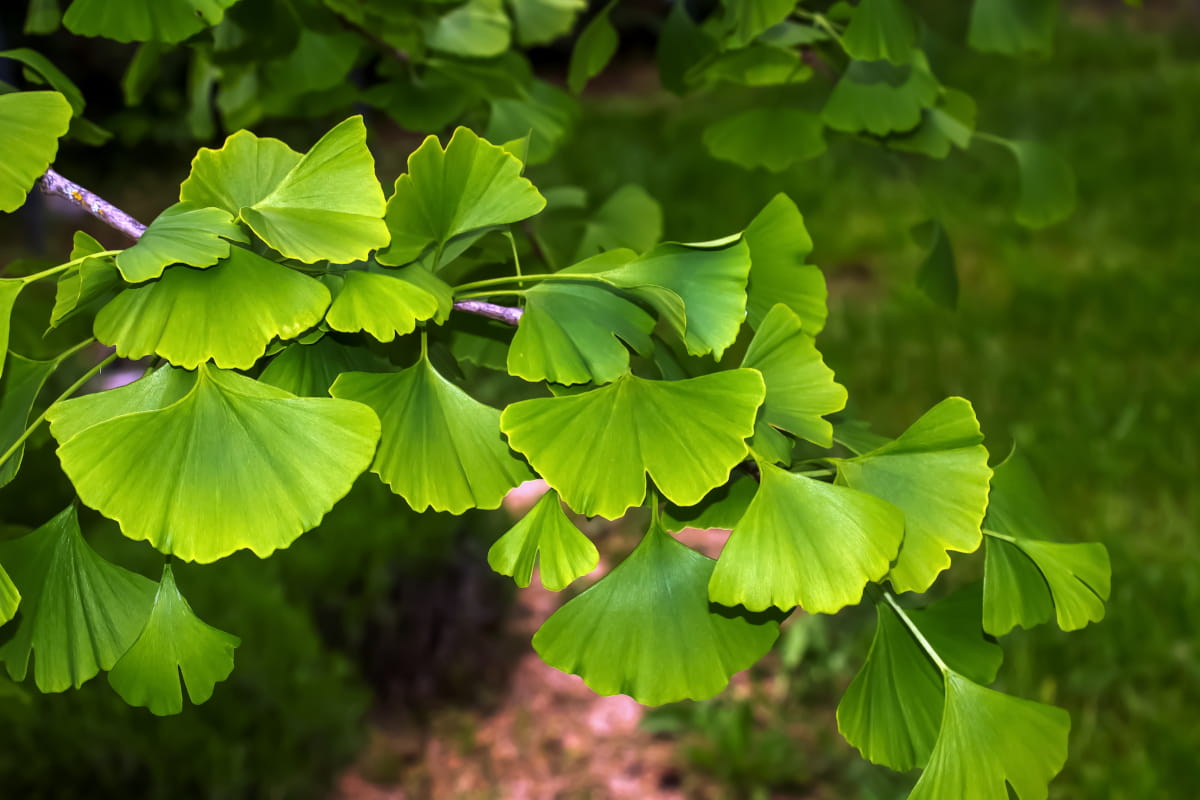
The leaves of the ginkgo tree are uniquely fan-shaped.
The ginkgo tree, scientifically known as Ginkgo biloba, is a fascinating plant with a long history that dates back to the time of the dinosaurs. In this text we will examine the origin, botany, traditional uses and medical research concerning the ginkgo tree, including its role in Traditional Chinese Medicine.
Origin and botany
The ginkgo is a living fossil and one of the oldest tree species in the world. Its origins can be traced back to the Paleozoic, about 270 million years ago. While many other plant species became extinct over time, ginkgo survived through natural selection and evolution. It belongs to a monotypic genus, meaning it is the only living species in its genus.
Botanically, the ginkgo is a deciduous tree that can reach up to 30 metres in height. Its leaves have a unique appearance and resemble the shape of a fan. For this reason, the ginkgo is commonly called the maidenhair tree. Ginkgo leaves are usually two-lobed and bright green. In autumn they turn a striking golden yellow before falling.
The ginkgo flowers are inconspicuous and yellowish-green. They produce characteristic seeds often referred to as “ginkgo nuts”. These seeds have a hard, fleshy outer covering. Although considered a delicacy in many cultures, the smell emitted by the seed covering can be unpleasant to some people.
Traditional uses
The use of the ginkgo tree stretches far back in history, especially in China, where it is regarded as a symbol of longevity, strength and permanence. In Traditional Chinese Medicine (TCM) the ginkgo has been used as a medicinal plant for centuries.
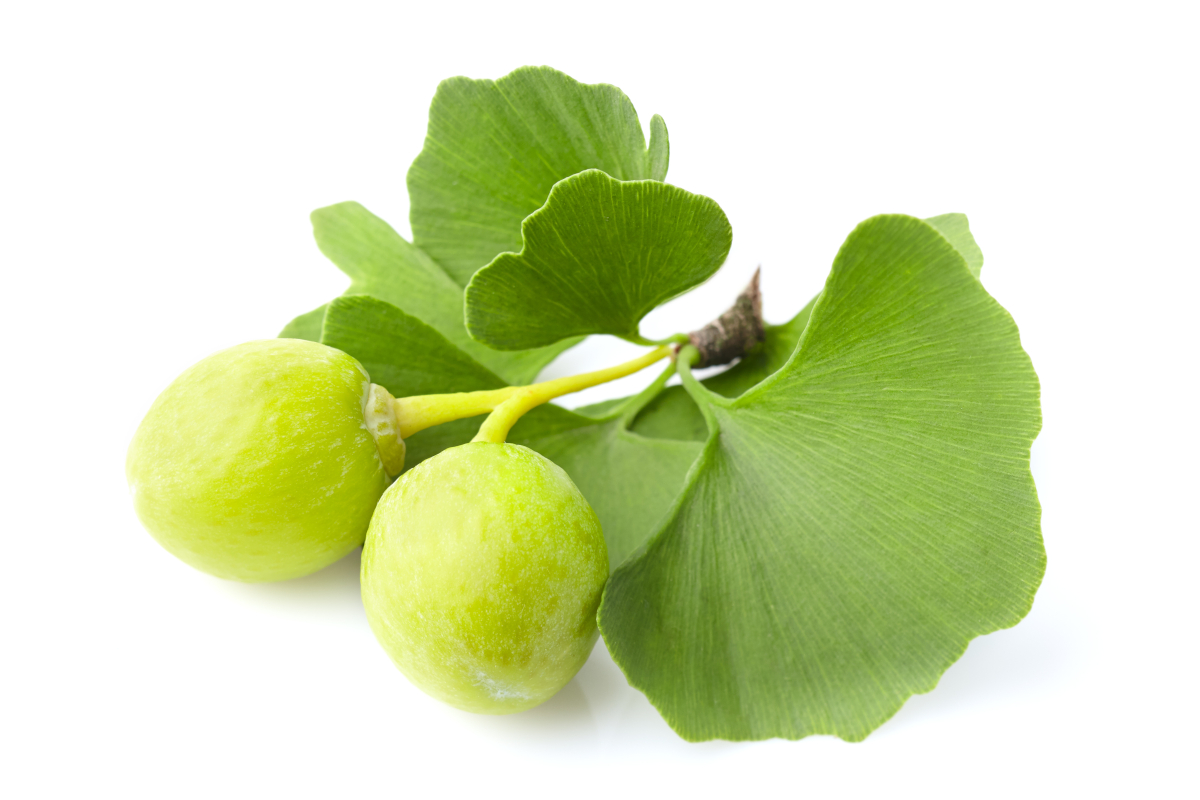
The fruits are also called ginkgo nuts.
The leaves, seeds and roots of the ginkgo are used in TCM for various medicinal purposes. The leaves are often dried and processed into an extract that is then used to treat a range of complaints. These include memory problems, dizziness, tinnitus, asthma and various circulatory disorders.
The seeds of the ginkgo are also used, particularly their fleshy covering. This is removed, dried and then used in traditional Chinese medicine to improve lung function, relieve coughs and aid digestion.
In addition, the roots of the ginkgo are used in TCM, though to a lesser extent. They are often processed into an extract and used to treat respiratory conditions and to support the immune system.
The history of the ginkgo tree is rich in cultural significance, medicinal use and botanical uniqueness, which continues to this day.
Symbol of strength and longevity
Ginkgo is a symbol of strength, longevity and hope. Its leaves have often been used as a motif in art and literature.
Today the ginkgo tree is not only popular in naturopathy but also in landscape design and as an ingredient in dietary supplements.
Unique genetics
Because of its unique genetic characteristics and its importance in the history of the plant world, efforts are being made worldwide to protect and conserve the ginkgo tree.
Medical research
In recent decades medical research has increasingly focused on the potential health benefits of the ginkgo. Numerous studies have been carried out, particularly regarding its effects on cognitive function and circulation.
One of the most notable applications of ginkgo is its use to improve cognitive function and memory. Several clinical trials have shown that ginkgo extract can help alleviate memory problems associated with ageing and neurodegenerative conditions such as Alzheimer’s disease and dementia. [1] This is thought to be due to the antioxidant properties of ginkgo extract, which may help reduce neuronal damage and improve cerebral blood flow. [2]
Moreover, ginkgo extract has been shown to improve peripheral circulation, making it a promising treatment option for people with peripheral arterial disease (PAD). This condition is caused by reduced blood supply to the extremities and can lead to symptoms such as pain when walking and impaired wound healing. [3]
In modern medicine ginkgo extract is also used to treat tinnitus, dizziness and macular degeneration, although the evidence for these uses is mixed and further research is needed to confirm their effectiveness.
The active constituents of the ginkgo tree
Ginkgo biloba contains a variety of bioactive compounds that may be responsible for its potential health benefits. These include flavonoids, terpenoids (notably ginkgolides and bilobalide), and phenolic acids such as chlorogenic acid and quercetin. These constituents act as potent antioxidants and may help reduce oxidative damage, fight inflammation and improve circulation. The ginkgolides and bilobalide are also responsible for ginkgo’s pharmacological effects and may contribute to improved cognitive function and the alleviation of symptoms in peripheral circulatory disorders.
Ginkgo and Alzheimer’s: promising research evidence
Research on ginkgo and Alzheimer’s has attracted considerable attention in recent decades because the ginkgo tree may possess neuroprotective properties. Here is an overview of the current state of research:
Neuroprotective properties
Ginkgo biloba contains a variety of bioactive compounds, including flavonoids, terpenoids and phenolic acids, which act as strong antioxidants and have anti-inflammatory properties. These compounds may help reduce neuronal damage and support brain function.
Improvement of cognitive function
Some studies have suggested that ginkgo extract could improve cognitive function in older adults, particularly in people with mild cognitive impairment or early-stage Alzheimer’s. This is thought to be due to improved circulation and protection against oxidative stress in the brain.
Effect on amyloid-beta plaques
One of the main causes of Alzheimer’s is the accumulation of beta-amyloid plaques in the brain. Some research has suggested that ginkgo extract could reduce the formation of these plaques, potentially helping to slow disease progression. [4] However, these results are not yet conclusive and further studies are required.
Mixed evidence
Although some studies show promising results, the overall assessment of ginkgo’s effectiveness in treating or preventing Alzheimer’s remains controversial. Some clinical trials have found no significant benefit of ginkgo for Alzheimer’s patients, while others reported slight improvements in symptoms or quality of life.
Future prospects
Research on ginkgo and Alzheimer’s is ongoing, with further studies being conducted to clarify the plant’s potential benefits for Alzheimer’s treatment. In addition to clinical trials, preclinical studies continue to investigate the mechanisms by which ginkgo may exert neuroprotective effects.
Overall, ginkgo remains a promising candidate for the treatment and prevention of Alzheimer’s, but further research is needed to fully understand its efficacy and safety.
Ginkgo for dizziness
Ginkgo biloba is sometimes used for the potential treatment of dizziness, but the scientific evidence for its effectiveness is mixed.
Some studies suggest that ginkgo extract may help certain types of dizziness, particularly age-related dizziness or dizziness caused by circulatory problems. It is thought that improved circulation due to ginkgo could contribute to relief from dizziness.
However, there are also studies that have not shown significant benefits of ginkgo in treating dizziness. It should also be noted that dizziness can have many different causes, and what works for one person may not work for another.
Ginkgo in Traditional Chinese Medicine
Ginkgo biloba has a long history in Traditional Chinese Medicine and has been used there in many ways for centuries. In TCM ginkgo leaves are believed to offer various health benefits, particularly for promoting brain function and improving circulation.
Some key aspects are:
- Memory and brain function: Ginkgo is often used to improve memory and support brain function. According to Traditional Chinese Medicine, ginkgo improves blood flow to the brain and thus enhances cognitive function.
- Improvement of circulation: Ginkgo is said to improve circulation throughout the body, which supports heart health and helps various organs.
- Anti-ageing properties: Because of its antioxidant properties, ginkgo is sometimes used in TCM to slow ageing processes.
In TCM ginkgo is often used in various forms, including as an extract, tea or in combination with other herbs to harness its health benefits. It is important to note that while ginkgo is widely used in TCM, the scientific evidence for its effectiveness is mixed and further research is needed to fully understand its range of potential health benefits.
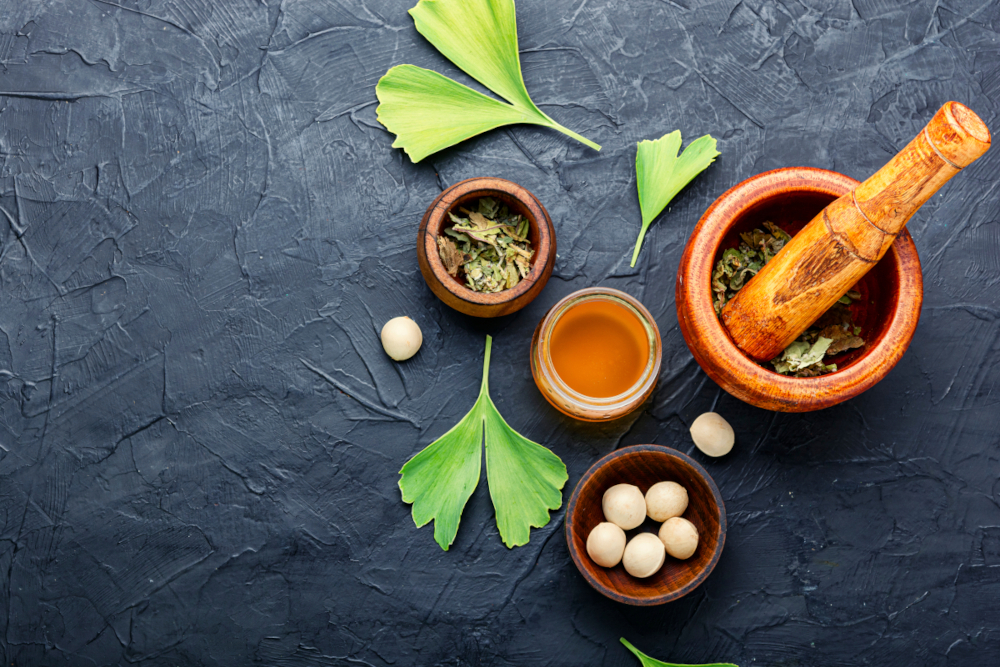
Ginkgo is used in many forms in TCM.
Ginkgo: possible interactions with medicines
There are potential interactions between Ginkgo biloba and certain medications that should be noted. Ginkgo may strengthen or weaken the effects of particular drugs.
Some medications that may interact with ginkgo include:
- Blood thinners (anticoagulants and antiplatelet agents): Ginkgo can affect blood clotting, which may increase bleeding risk, especially when taken with anticoagulants such as warfarin, aspirin, clopidogrel or other blood-thinning medications.
- Anticonvulsants: Ginkgo may reduce the effectiveness of medications used to treat seizures, such as carbamazepine.
- Antidepressants: There is evidence that ginkgo may affect the action of certain antidepressants, particularly SSRIs (selective serotonin reuptake inhibitors) such as fluoxetine or sertraline.
- Blood sugar-lowering medications: Ginkgo may affect blood sugar levels, so people taking antidiabetic medications such as insulin or metformin should be cautious.
It is important to consult a doctor or pharmacist before taking ginkgo together with medications to avoid potential interactions. These interactions can vary depending on individual health status and the specific medicines involved, so medical advice is essential to prevent unwanted side effects.
Ginkgo seeds as food
In some cultures, particularly in parts of Asia, ginkgo seeds, the so-called ginkgo nuts, are consumed as food. They have a long history as a traditional food in countries such as China, Korea and Japan.
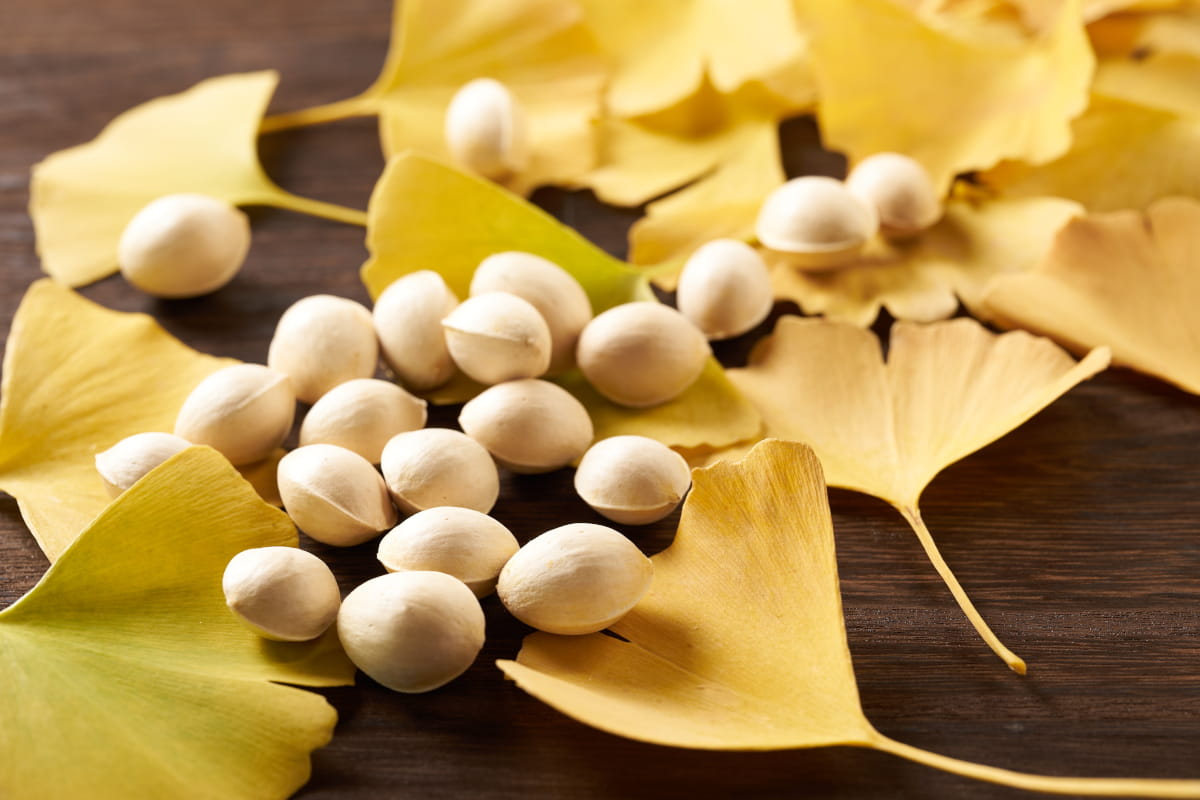
Ginkgo nuts are eaten cooked or roasted.
However, it is important to note that ginkgo seeds require special care before they are eaten. The seeds contain compounds such as ginkgolic acid and ginkgotoxin, which can be potentially toxic, especially in raw form.
Before eating ginkgo seeds they must undergo a specific preparation process to remove potentially harmful compounds. Traditionally the seeds are boiled or roasted to make them safer to eat and to improve their flavour.
It is important to emphasise that eating raw or improperly prepared ginkgo nuts carries health risks, such as gastrointestinal problems or even more serious health issues. Anyone wishing to consume ginkgo seeds as food should do so under the guidance or advice of people experienced in their safe preparation and consumption.
Poisoning from the wonder tree?
The ginkgo tree can in some cases be potentially toxic, particularly when it comes to consumption of the seeds or parts of the plant in raw or inappropriate form.
The seeds of the ginkgo have an outer fruit layer that contains a toxic compound called ginkgolic acid. This compound can cause skin irritation and allergic reactions, especially if the seeds are handled without protection. In addition, the seed contains a toxin called ginkgotoxin, which with insufficient preparation or consumption in larger amounts can lead to health problems.
In traditional cuisine ginkgo seeds are often roasted or boiled to neutralise these toxic compounds and make them safe to eat. Ginkgo seeds should never be eaten raw, as this can lead to symptoms of poisoning.
With regard to the leaves of the ginkgo tree, which are used as an extract in dietary supplements or medicines, these are generally considered safe when taken in appropriate dosages. However, they can cause allergic reactions or side effects in some people, such as headaches, gastrointestinal complaints or dizziness.
It is important to be aware that, as with many other substances, individual reactions can vary. In the event of an overdose or severe allergic reaction, medical help should be sought.
Summary
The ginkgo tree is a fascinating plant with a rich history and diverse uses in Traditional Chinese Medicine as well as in modern medical research. Its unique leaves, seeds and roots have been valued for centuries for their potential health benefits, particularly with regard to cognitive function and circulation.
While the ginkgo is undoubtedly an impressive and versatile plant, it is important to note that further research is needed to fully understand and utilise its potential health benefits. Nevertheless, the ginkgo remains a compelling example of the long-standing relationship between humans and plants and of the ongoing search for new ways to improve health and quality of life.
Sources:
[1] https://jamanetwork.com/journals/jama/article-abstract/418442, accessed 11 April 2024
[2] https://www.mdpi.com/2079-7737/12/1/15, accessed 11 April 2024
[3] https://pubmed.ncbi.nlm.nih.gov/21923430/, accessed 11 April 2024
[4] https://www.frontiersin.org/journals/pharmacology/articles/10.3389/fphar.2021.775034/full, accessed 11 April 2024
Photos: Antares_NS, Dionisvera, Lunov Mykola, manbo-photo

