

Figure 1: MSM is an organic compound that serves the human body as a sulphur donor. It is involved in numerous physiological processes.
The organic sulphur compound MSM occurs in almost all organisms. As a natural sulphur donor, this mineral is essential for numerous bodily functions and metabolic processes. In this blog article you will learn which specific roles sulphur fulfils in the body and in which areas MSM is particularly relevant. In addition, you will receive helpful advice on choosing a suitable MSM product as well as on correct administration and dosing.
What is MSM (Methylsulfonylmethane)?
Behind the somewhat cryptic abbreviation MSM lies the name of an important sulphur-containing natural compound: Methylsulfonylmethane. MSM belongs to the group of organic sulphur compounds (sulfones). It is a white, odourless, crystalline substance with a sulphur content of around 34%. The compound is found in nearly all organisms and is required for many biological processes. Among other things, MSM is an indispensable element in metabolism. The body needs it for the production of endogenous substances such as amino acids, enzymes, hormones and body proteins. MSM is rapidly absorbed by the body and completely excreted again.
Why is sulphur so important for the organism?
Although it is an essential mineral, sulphur is less well known to most people than, for example, iron or magnesium. However, this relative obscurity is undeserved, as sulphur is involved in vital physiological processes. Sulphur is found in numerous endogenous substances. Among other things, it is essential for the formation of collagen and sulphur-containing amino acids such as methionine or cysteine. Sulphur is also an integral component of antioxidants such as glutathione, which play a central role in detoxification. Insulin, coenzyme A and the anticoagulant heparin are also sulphur-containing.
Furthermore, sulphur is indispensable for the health of bones, cartilage, muscles and tendons. Strong sulphur bridges serve to ensure the correct spatial orientation of body proteins and thus provide stability. Hair, nails and connective tissue also benefit from an adequate sulphur supply.
Which foods contain a lot of MSM?
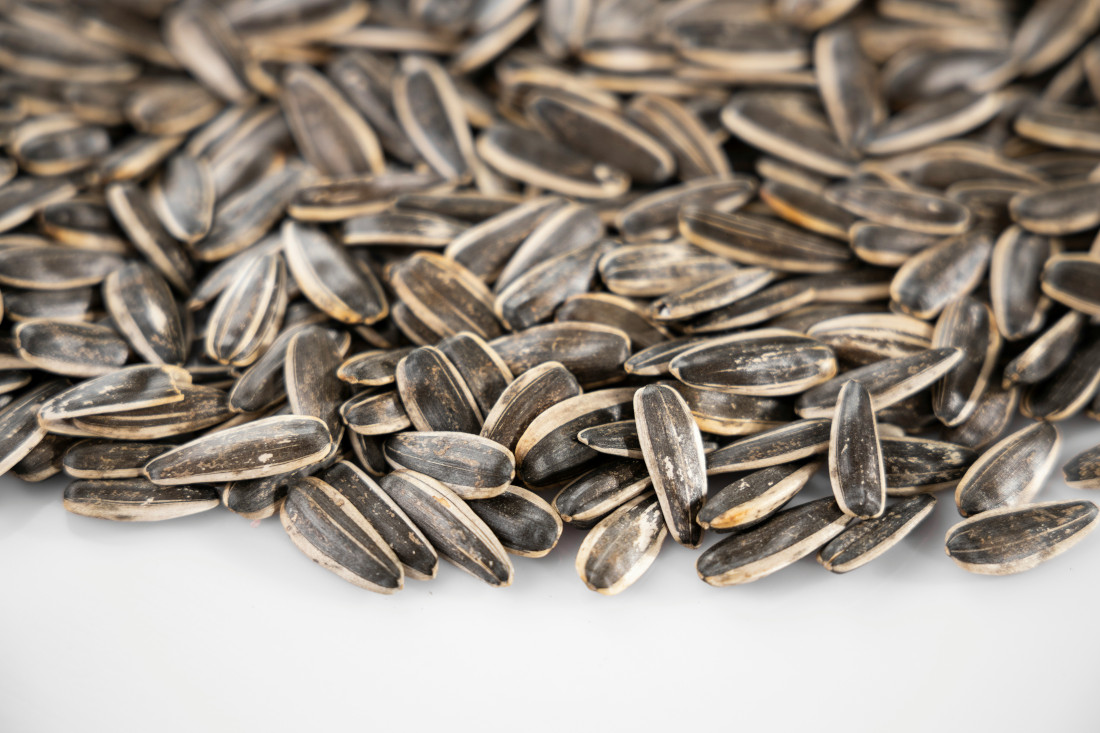
Figure 2: Foods such as fish, meat, eggs, yoghurt or sunflower seeds contain small amounts of MSM.
Since MSM cannot be produced by the body itself, it must be supplied externally. With a balanced, protein-rich diet, a sulphur deficiency is not to be expected, as some foods naturally contain MSM. However, the compound is very heat-sensitive, which is why MSM is often absent or only present in very small amounts in industrially produced or heavily processed foods. In addition to meat, fish, eggs and dairy products, legumes and nuts are good sources of MSM. Other foods in which sulphur occurs naturally include:
- Garlic
- Onions
- Broccoli
- Corn
- Sunflower seeds
- Chocolate
- Cashew nuts
- Walnuts
- Almonds
- Sesame
Effects and uses of MSM
MSM has long been used in alternative medicine and naturopathy for the prevention and treatment of a variety of complaints. However, the number of scientific studies on the organic sulphur compound and its potential health effects is still limited. Various investigations outside the body point to anti-inflammatory, antioxidant, anticarcinogenic and bone-metabolism-stimulating effects of MSM. [1] Below is an overview of the most important areas of application:
Joint health
Synovial fluid and cartilage are subjected to regular strain and must be continuously renewed. Sulphur is required for this regeneration process. If the mineral is not present in sufficient amounts, painful joint wear (osteoarthritis) can occur. Accordingly, MSM is often used for osteoarthritis and other musculoskeletal conditions to help maintain normal joint function and agility.
One of the few human studies to date investigating the efficacy of MSM in osteoarthritis is a randomised double-blind study from 2011. [2] In the study, a group of 50 patients with painful knee osteoarthritis received either 1,125 mg MSM or a placebo three times daily. After three months, pain in the MSM group had decreased significantly compared with the placebo group. Improved mobility was also observed.
Inflammation
MSM is able to inhibit certain inflammatory mediators, e.g. inflammasomes. [3] Those who are physically active, including athletes, can particularly benefit from the anti-inflammatory effects of the sulphur compound. One study found that MSM can help prevent exercise-induced muscle damage. In the study, male participants with a high level of physical activity took either a placebo or 3 g MSM daily for 28 days before an intense training session. It was found that in those who had taken MSM, the release of certain inflammatory mediators was inhibited.
With any physical exertion, energy consumption and oxygen requirements also increase, which leads to increased formation of free radicals. Free radicals are the main cause of oxidative stress, which in turn is often associated with inflammatory reactions as well as weakened immune defence and fatigue. Here too, the sulphur compound MSM can have a positive supportive effect by contributing to a reduction in oxidative stress. [4]
Skin, hair and nails
MSM is important for the health of skin, hair and nails in several ways. On the one hand, an adequate supply of essential sulphur is crucial for the vitality of these structures. MSM is involved in the formation of proteins that are a major component of skin, hair and nails. While keratin is particularly important for hair and nails, the structural protein collagen provides strength, elasticity and firmness in the skin and cartilage tissue. In addition, MSM’s antioxidant properties can prevent cellular damage and thus counteract visible ageing processes.
MSM dietary supplements: What you should consider
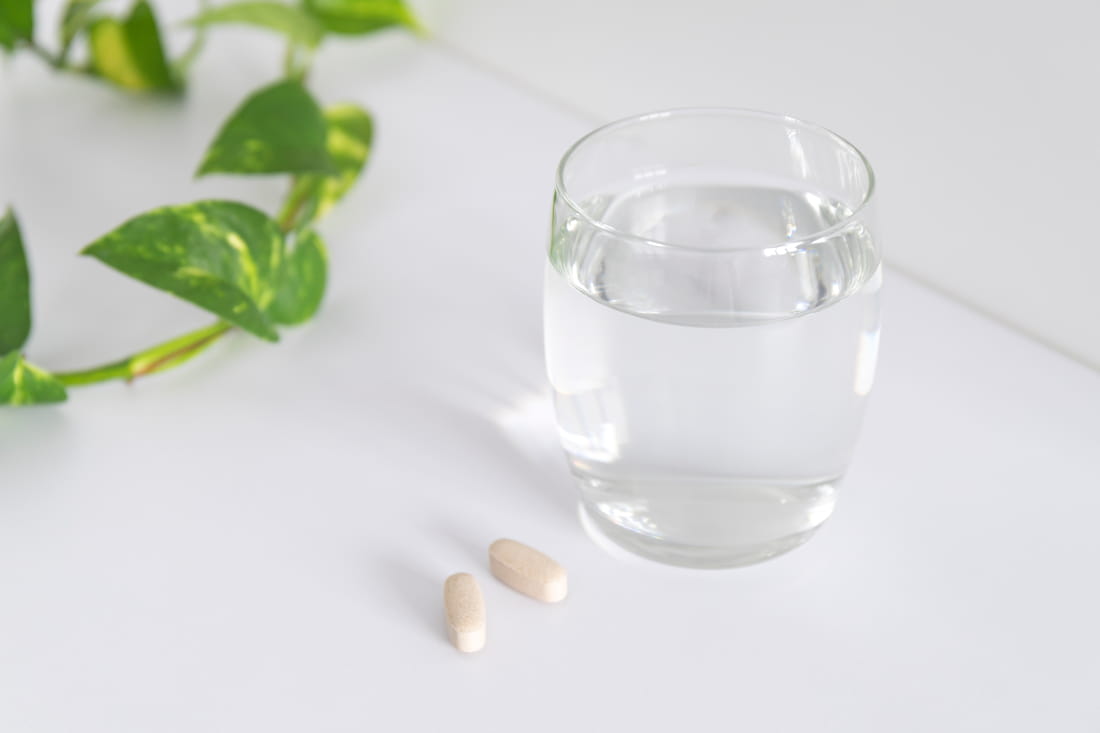
Figure 3: MSM supplementation is usually done by taking capsules, tablets or powder. External application with an MSM gel is also possible.
MSM products are available in various forms – from capsules and powder to tablets. For topical use on joints and muscles, MSM gel is well suited. When choosing an MSM supplement, particular attention should be paid to the purity of the sulphur-containing natural compound it contains. Both the MSM capsules from Unimedica and the MSM powder from Unimedica have a purity of over 99% and a mesh value of 60–80. Both products are also high-dose and contain no unnecessary additives.
Many MSM products on the market contain synthetic vitamin C. If you value a high-quality natural product, you should instead choose a preparation with natural active ingredients such as the MSM Plus Acerola 2000 tablets from Unimedica. The combination product contains 2,000 mg MSM and 12 mg vitamin C from the acerola cherry per daily dose. The Knorpel*-Komplex from Unimedica was developed to support all cartilage and bone, including joint bones and joint cartilage, in their normal function. The active ingredient combination consists of MSM, frankincense, boron, vitamin D, vitamin C and hyaluronic acid.
Not only humans can benefit from MSM in many ways. Sulphur is also a vital substance for animals and is required for numerous biological processes. For animals such as dogs, cats or horses, a powder product such as the MSM powder for animals from Uniterra is recommended. The appropriate dosage depends, among other things, on the type of animal, but also on the animal’s weight and activity level. MSM powder can easily be mixed into the feed.
How should MSM be taken?
How MSM products should be taken depends largely on the chosen product. Manufacturers’ recommended dosages are often based on the average requirement of a healthy adult. In certain cases, e.g. for osteoarthritis or movement restrictions, it may be sensible to take MSM at higher dosages. In such cases, you should always agree the daily amount with your doctor and ideally split the dose into two to three daily single doses.
As a general rule, it is advisable to start with a small amount of about 800 mg to 1,000 mg MSM per day to first test individual tolerance. The MSM dose can then be gradually increased if necessary. Depending on the area of application, a daily dose of 0.5 g to 3 g MSM is common. MSM can be supplemented before or with a meal. If side effects occur, taking it with meals is often better tolerated. MSM in capsule or tablet form should be swallowed whole with plenty of fluid, whereas MSM powder can simply be stirred into cold foods or drinks and taken that way.
Possible side effects and risks of MSM
In the studies conducted to date, side effects from MSM have only occurred rarely. Occasionally, however, intake can lead to gastrointestinal problems, skin irritations or intolerance reactions. If you notice certain side effects from taking MSM, it may be advisable to reduce the dose, switch the product or pause intake for a few days. If you are taking blood-thinning medications such as Aspirin or Marcumar, MSM supplementation should only be undertaken after consulting your doctor.
Sources
[1] Chrubasik-Hausmann, Sigrun: MSM (Methylsulfonylmethan). https://www.uniklinik-freiburg.de/fileadmin/mediapool/08_institute/rechtsmedizin/pdf/Addenda/Methylsulfonylmethan.pdf (accessed: 02.05.2024)
[2] Debbi EM, Agar G, Fichman G, Ziv YB, Kardosh R, Halperin N, Elbaz A, Beer Y, Debi R. Efficacy of methylsulfonylmethane supplementation on osteoarthritis of the knee: a randomized controlled study. BMC Complement Altern Med. 2011. https://www.ncbi.nlm.nih.gov/pmc/articles/PMC3141601/ (accessed: 02.05.2024)
[3] Ahn H, Kim J, Lee MJ, Kim YJ, Cho YW, Lee GS. Methylsulfonylmethane inhibits NLRP3 inflammasome activation. Cytokine 2015.
[4] Parcell S. Sulfur in human nutrition and applications in medicine. Altern Med Rev. 2002. https://pubmed.ncbi.nlm.nih.gov/11896744/ (accessed: 02.05.2024)
Photos: Unsplash: Polina Kuzovkova, engin akyurt; Shutterstock: LeviaUA

