
.jpg)
Figure 1: The protein-forming amino acid L-arginine fulfils numerous essential functions in the body. Among other things, the substance is an important nitrogen donor.
As a building block of protein, L-arginine is particularly important for athletes. But even people who are not engaged in targeted muscle building can benefit from the many effects of this amino acid. In this blog article you will learn how L-arginine affects the body and which foods contain a lot of L-arginine. We also provide some tips for choosing a suitable L-arginine dietary supplement.
What is L-arginine?
L-arginine is a semi-essential amino acid. This means that the body can produce it itself, but only in small amounts. Therefore L-arginine must additionally be obtained from the diet or supplemented via dietary supplements. During physically or mentally particularly challenging phases of life, the requirement can be significantly increased.
Amino acids are vital for our organism because proteins are formed from them. Without proteins many fundamental bodily processes—from growth and metabolic processes to the maintenance of muscle mass—would not function. Among amino acids, L-arginine is also one of the best nitrogen donors. As a precursor for the formation of nitric oxide (NO), the amino acid has a regulatory effect on the nervous, vascular and immune systems.
L-arginine and its many effects
In the human body L-arginine plays an important role in numerous processes. Among other things, the amino acid is involved in the urea cycle and supports the liver in its detoxification function. Below we have summarised other important effects and uses of L-arginine for you.
Performance-enhancing effect
It is not without reason that L-arginine is especially popular with ambitious athletes. The amino acid can increase athletic performance by supporting muscle growth. As already mentioned, L-arginine promotes the formation of nitric oxide. This in turn acts as a vasodilator, improving blood flow to the muscles. Muscles can regenerate more efficiently and are supplied with important nutrients.
Some studies also indicate that L-arginine may stimulate fat burning and reduce the amount of adipose tissue.[1] Further studies are needed to confirm this potential effect. L-arginine can also facilitate weight loss by promoting the formation of proteins and muscle. The more muscle mass there is overall, the higher the energy expenditure even at rest. An increased basal metabolic rate can, in combination with a balanced diet, make losing weight easier.
Endurance and explosive strength also benefit from adequate L-arginine intake, since the amino acid is involved in the formation of creatine. When the muscles' creatine phosphate stores are filled, the fuel ATP (adenosine triphosphate) can be produced more readily during short, intense physical exertion. In a placebo-controlled double-blind study at the University of Exeter, L-arginine was shown to increase athletic performance by about 20% and improve race times by up to two percent.[2]
Regulation of blood pressure
Certain stimulating substances, stress, intense physical activity or illnesses can change the diameter of the blood vessels. Both narrowing and widening of the vessels affect blood pressure and the entire cardiovascular system. The nitric oxide (NO) produced during the metabolism of L-arginine in the body causes the blood vessels to dilate. This allows blood to flow through with less pressure and reduces blood pressure.[3]
Immune system
Certain white blood cells, the so-called T cells, also require L-arginine as fuel. T cells are extremely important for immune defence because they recognise foreign substances and can fight pathogens. During and after heavy physical exertion the immune defence can be particularly weakened. L-arginine’s ability to strengthen the immune system is therefore especially valuable, for example after operations or during intensive training phases.
Male fertility and potency
Because of its vasodilatory effect, L-arginine is regarded as a natural treatment for potency. The amino acid has a reputation for enhancing male potency and counteracting erectile dysfunction. In addition, L-arginine can improve sperm quality. In one study positive effects of L-arginine were observed on both sperm count and motility.[4] The substance is not only involved in sperm production itself, but likely also protects the delicate sperm cells from damage caused by oxidation.
What is the difference between L-arginine and arginine?
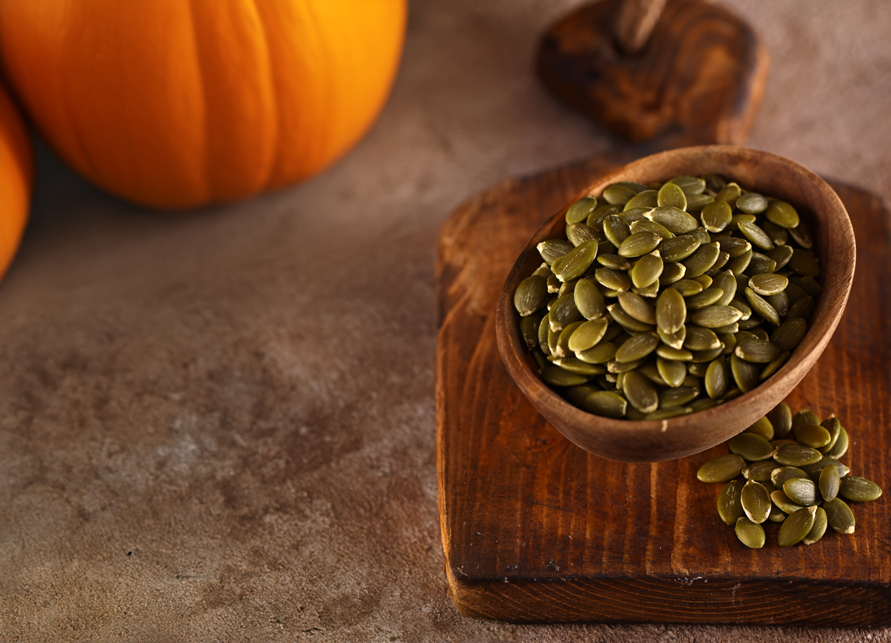
Figure 2: The prefixed letter “L” in amino acids indicates the spatial arrangement of the molecules.
The names “L-arginine” and “arginine” often cause confusion among consumers. Do the two terms mean the same thing, and what does the letter “L” mean?
The “L” before arginine stands for “laevus”, which in Latin means “left”. The designation refers to the spatial arrangement of the molecules that make up the amino acid. Besides the L-form there is also a so-called D-form (from the Latin “dexter” = “right”), in which the molecules are arranged as exact mirror images.
In the case of amino acids only the L-form is usable for metabolism, as it is recognised by the enzymes in the body, unlike the D-form. Consequently many manufacturers omit the “L” and simply use the term “arginine”, even though it always refers to the bioavailable L-form.
In which foods is L-arginine naturally present?
With a balanced diet on average about 2 to 5 grams of L-arginine are consumed per day. Protein-rich foods in particular are rich in L-arginine. But plant-based protein powders such as hemp or pea protein can also help meet daily requirements.
The foods listed below are good sources of L-arginine. The values refer to a quantity of 100 grams each:
- Pumpkin seeds (5.4 g)
- Peanuts (3.5 g)
- Pine nuts (2.4 g)
- Walnuts (2.2 g)
- Chicken breast (1.5 g)
- Lamb (1.4 g)
- Shrimps (1.2 g)
- Tuna (1.2 g)
- Chicken eggs (0.9 g)
- Oat flakes (0.9 g)
Tips for choosing an L-arginine dietary supplement
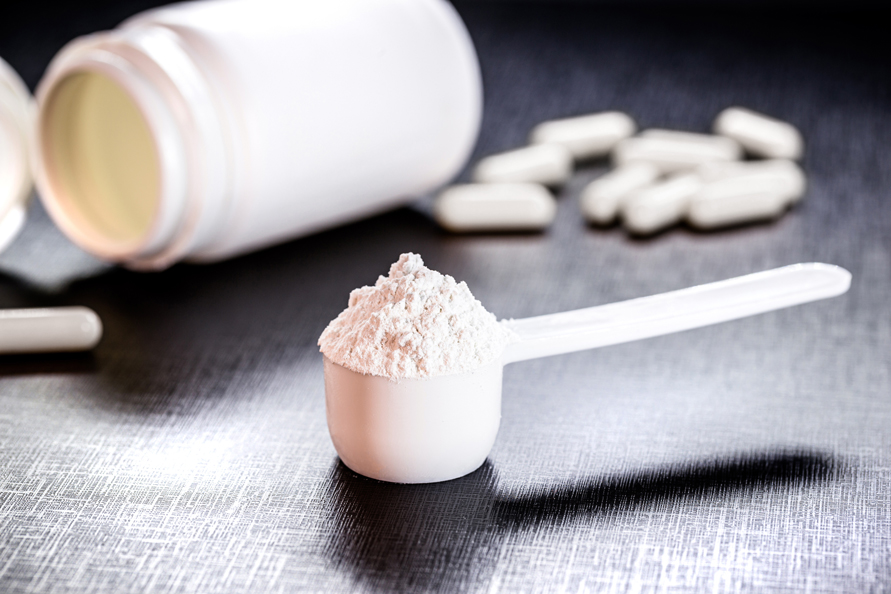
Figure 3: Among the most popular forms of L-arginine are capsule products and L-arginine powder.
Appropriate preparations can sensibly supplement L-arginine intake from food. This applies particularly in phases when the L-arginine requirement is increased, for example during intensive sporting activity or pregnancy. As a dietary supplement L-arginine is usually taken as a powder or in capsule form.
When choosing a product you should first pay attention to the method of production. The L-Arginin forte capsules from Unimedica are produced by purely natural fermentation. They are therefore also suitable for people who follow a vegan or vegetarian diet and offer a sustainable alternative to conventional comparison products made from animal raw materials. Our L-arginine Base Pure powder is also 100% vegan and is manufactured in Germany.
In addition, L-arginine is often combined with the non-essential amino acid L-citrulline. L-citrulline is a precursor of L-arginine. Since the substance is gradually converted into L-arginine in the body, the organism is supplied with L-arginine over a longer period. Because of this important depot effect, the L-arginine + L-citrulline powder from Unimedica and the L-arginine Base + L-citrulline capsules from Unimedica also contain a combination of the two amino acids.
Another popular active ingredient mix is that of L-arginine and maca. The Peruvian maca plant is full of valuable nutrients. The Maca + L-arginine Complex forte from Unimedica is furthermore fortified with vitamins C, B6 and B12 as well as the trace element zinc.
Proper use and dosage of L-arginine
There are no officially recommended maximum amounts for daily L-arginine intake. Daily doses of up to six grams are generally well tolerated by healthy people. L-arginine capsules should be swallowed whole with plenty of liquid. When taken in powder form, administration is once or twice daily. The powder should ideally be taken before a meal and either swallowed with plenty of water or dissolved in water and then drunk.
Side effects and contraindications
If the manufacturer's recommended intake is followed, no adverse effects from L-arginine supplementation are expected in healthy people. At high dosages above 10 grams per day, however, digestive complaints such as diarrhoea and stomach pain as well as drops in blood pressure and facial flushing may occur. In these cases it is often helpful to split the total dose into several smaller doses.
Interactions of L-arginine with medications are also possible. Especially if you are taking blood-thinning or blood-pressure-lowering drugs, you should use L-arginine supplements only after medical consultation.
[1] Wu Z, Satterfield MC, Bazer FW, Wu G. Regulation of brown adipose tissue development and white fat reduction by L-arginine. Curr Opin Clin Nutr Metab Care. 2012 Nov. https://pubmed.ncbi.nlm.nih.gov/23075933/.
[2] Bailey SJ, Winyard PG, Vanhatalo A, Blackwell JR, DiMenna FJ, Wilkerson DP, Jones AM. Acute L-arginine supplementation reduces the O2 cost of moderate-intensity exercise and enhances high-intensity exercise tolerance. J Appl Physiol (1985). 2010 Nov. https://pubmed.ncbi.nlm.nih.gov/20724562/.
[3] McRae MP. Therapeutic Benefits of l-Arginine: An Umbrella Review of Meta-analyses. J Chiropr Med. 2016 Sep. https://www.ncbi.nlm.nih.gov/pmc/articles/PMC5021928/.
[4] Sudha Srivastava, Prashant Desai, Evans Coutinho, Girjesh Govil, Mechanism of Action of L-arginine on the Vitality of Spermatozoa is Primarily Through Increased Biosynthesis of Nitric Oxide. Biology of Reproduction, Volume 74, Issue 5. 2006 May. DOI: 10.1095/biolreprod.105.046896
Figure 1: Danijela Maksimovic/Shutterstock.com; Figure 2: Dream79/Shutterstock.com; Figure 3: RHJPhtotos/Shutterstock.com

