
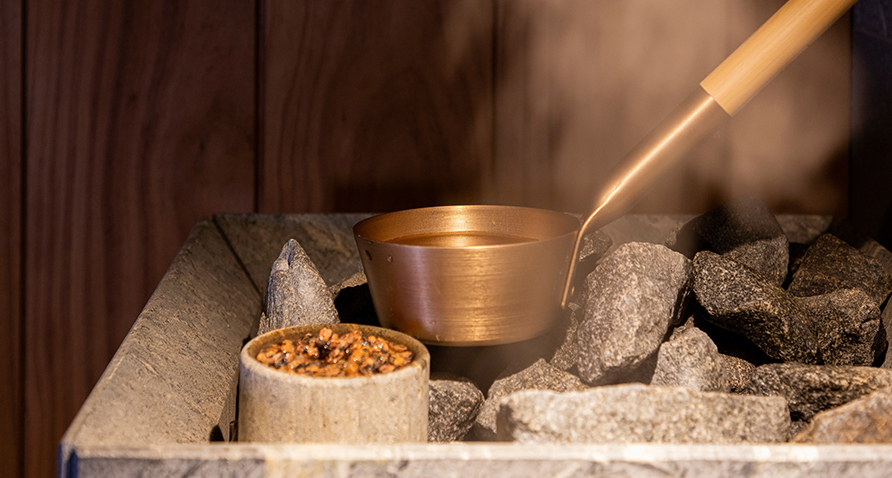
Figure 1: Sweating is a vital bodily function. A distinction is made between active and passive sweating.
Whether sauna, sweat cure or hot yoga: sweating is clearly on trend! In this blog post you will learn why sweating is essential for life and which sweating methods are considered particularly beneficial for health.
Sweating: What’s behind the trend?
The practice of intentional sweating has a tradition that goes back centuries. Archaeological finds show that people in the Stone Age already used hot stones to build simple steam baths. Indigenous peoples of North America used sweat lodges for spiritual and physical cleansing. Among the oldest and best-known sweating practices is also the sauna, developed by the Finns over 2,000 years ago.
To this day many people visit the sauna regularly because they expect health-promoting effects. Sweating is said to support the body’s own detoxification and promote the elimination of heavy metals. It is true that certain metabolic breakdown products are excreted in sweat.[1] However, the amounts of these substances are usually far too small to speak of a true detoxification through sweating alone.
For many other health benefits, however, sweating can still be worthwhile.
From cooling to circulation: The main functions of sweating
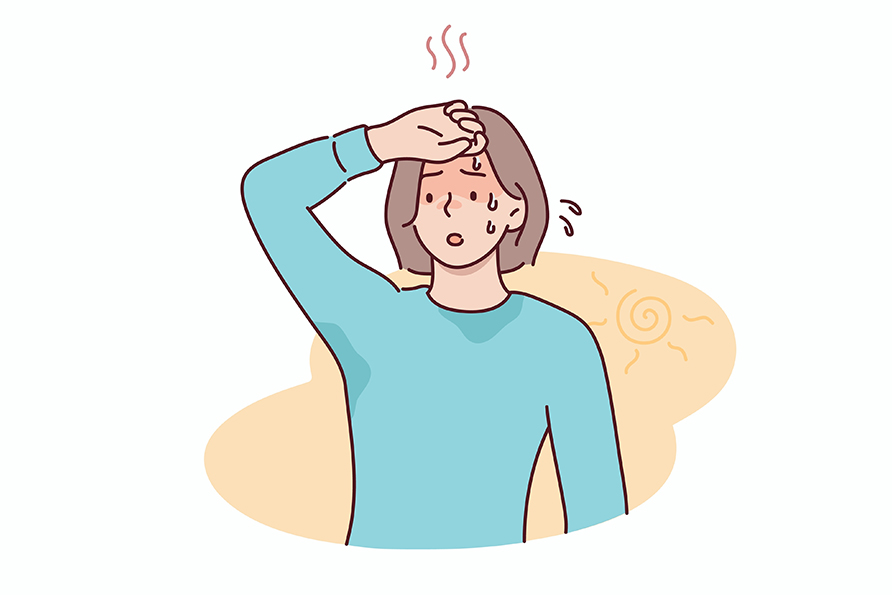
Figure 2: The main function of sweating is to protect the body from overheating. But it can also affect the immune system, the skin and the psyche.
In stressful situations, during sport or in warm weather we can start to sweat quickly. What many people find annoying or unpleasant is essentially a vital mechanism of our body. Below we briefly present the most important functions of sweating.
Regulation of body temperature
The main function of sweating is to protect the organism from overheating. When sweat evaporates from the skin, evaporative cooling occurs and the body is cooled. Our organs also need a as constant a body temperature as possible to fulfil their important tasks. In very hot conditions, during strenuous exercise or with fever it is therefore particularly crucial that our body’s natural air conditioning works smoothly.
Support for the immune system
Sweating can support the immune defences in a number of ways: so-called eccrine sweat, which is released in greater amounts in heat, during exercise or under stress, has an acidic pH of about 4.5. Together with the skin’s natural community of bacteria, sweat forms an important protective shield against pathogens. This is also the reason why excessive disinfection or aggressive cleansing of the skin should be avoided. Instead, choose mild and natural cleansing and care products that support a healthy skin flora and thus the immune defence.
Effects on the skin
Under certain conditions sweating can contribute to clearer skin. As the pores open with sweating, dirt, sebum and dead skin cells can be removed more easily. Sweating also promotes circulation, which can contribute to a fresher complexion. But be careful: if sweat remains on the skin for too long it can encourage blemishes. In particular, when sweat mixes with dirt and make-up on the skin, this often leads to the formation of pimples and blackheads. Skin irritations also often occur in a warm, humid environment (e.g. under tight sports clothing or hats).
Psychological and emotional effects
Intentional sweating – for example through exercise, sauna or hot baths – can help to reduce stress and promote relaxation. Physical activity also triggers the release of hormones such as endorphins and serotonin, not without reason often referred to as “feel‑good hormones.” At the same time sweating helps to reduce the stress hormone cortisol, which can ease inner restlessness and tension and contribute to general wellbeing and better sleep.
Different types of sweating and their health benefits
Where and how you sweat can influence whether sweating has a potentially health‑promoting effect. Are you moving while you sweat, or are you sitting still as in a sauna? Below we have summarised the main differences between various types of sweating for you.
Exercise
During activities such as jogging, cycling or strength training more sweat is produced to regulate the increased body temperature. But exercise‑induced sweating can have benefits beyond that: as blood vessels dilate, blood flow to muscles and organs improves. Improved circulation also facilitates the transport of nutrients. As described earlier, only a very small amount of pollutants is excreted in sweat. Nevertheless, it is interesting that you tend to detoxify more during exercise than in the sauna. This is because during physical activity the blood is mobilised faster and to a greater extent and the body’s core temperature rises more markedly than during sauna sessions.
Sauna, steam baths and spa
That the alternation between heat and cooling during sauna bathing strengthens the immune system, as is often claimed, is not scientifically proven. Those who enjoy saunas should not, however, be put off by the lack of scientific evidence. Many enthusiastic sauna‑goers report positive effects on general wellbeing, energy levels and sleep quality. A Finnish long‑term study also found that regular sauna bathing can reduce the risk of stroke. The 1,628 Finnish men and women who took part in the study had a lower stroke risk the more often per week they used the sauna.[2]
Bathing for colds and inhalation
Can you simply sweat a cold out? The short answer is: no. The virus that causes a cold will not leave the body through increased sweating. However, heat itself can certainly be soothing during a cold. A hot bath for colds can relieve limb pain and promote muscle relaxation. Take care not to bathe too hot (maximum 38 °C) to avoid overloading the circulatory system. Inhaling warm water vapour is also a tried and tested home remedy for colds. The heat dilates the blood vessels, improving circulation in the airways. Moisturising the mucous membranes also relieves irritating sore throat and cough.
Warming foods and spices
Anyone who has bitten into a chilli pepper will know that heat can certainly induce sweating. This is mainly due to capsaicin, the substance in chilli that activates heat receptors. In Ayurveda and Traditional Chinese Medicine (TCM), other spices such as ginger, cinnamon, turmeric or cardamom are also said to have warming effects. In cold seasons, dishes like hot soups and broths or hot drinks provide comforting warmth and stimulate sweat production.
Five interesting facts about sweating
Figure 3: Many falsehoods and myths surround the topic of sweat. We present five fascinating “sweaty” facts.
- Fact 1: Most animals do not sweat: The ability to sweat is a unique trait that distinguishes humans from many animal species. With the exception of horses and some great apes, most animals do not have sweat glands. Instead they use other strategies to cool down: dogs pant and bats release excess heat through their thin wing membranes. Pigs and buffalo, on the other hand, wallow in mud, which cools by evaporation and also protects them from the sun.
- Fact 2: Not every type of sweat smells: Whether sweat smells unpleasant depends mainly on how old it is and which glands produced it. Sweat produced by eccrine glands is almost odourless. Only when it is broken down by bacteria or comes into contact with other substances released, for example, during stress does it begin to smell. The situation is different with apocrine sweat glands, not without reason also called “scent glands.” They are found mainly under the armpits, at the nipples and in the genital area. Rather than cooling the body, they provide a person’s individual scent.
- Fact 3: If you sweat a lot, you should drink plenty: Adequate fluid intake should always be observed. According to the German Nutrition Society (DGE), it is recommended that adults drink around 1.5 litres of water daily.[3] In very hot conditions, with fever or physical exertion, fluid requirements increase. In addition to water, the body also loses electrolytes through sweat. To prevent sodium deficiency, it may therefore be sensible to choose a mineral water containing sodium when sweating heavily.
- Fact 4: We lose half to one litre of sweat daily: How much we sweat varies from person to person. In addition to genetic factors, age, size, constitution and physical activity also play a role. On average a person loses half a litre of fluid per day even at rest. With very intense physical exertion such as a marathon, however, the body can certainly sweat out over a litre of fluid per hour.
- Fact 5: Sweat is 99% water: Just as the amount of sweat can vary, so can its composition. The main component of sweat is always water. In addition, it can contain electrolytes, urea, lactic acid (lactate) and antimicrobial substances such as dermcidin.
Biography
Katharina Korbach regularly writes blog posts about medicinal plants and natural active ingredients for Narayana Verlag. She became interested in language at an early age and began writing her own literary texts. A serious illness during her A‑levels led to an intensive engagement with health and nutrition topics that continues to this day. After repeated failures of conventional medical treatments, she decided on a more empowering naturopathic therapeutic approach. A plant‑based diet was an essential key on her path to recovery.
Katharina studied Cultural Studies (B.A.) and Applied Literary Studies (M.A.). In 2022 she published her debut novel “Sperling” with Berlin Verlag. She now lives in Berlin as a freelance author, medical editor and lecturer. In her free time she prefers to spend time with friends or do barre training. She also loves to travel and try out new vegan recipes.
[1] Imbeault P, Ravanelli N, Chevrier J. Can POPs be substantially popped out through sweat? Environ Int. 2018 Feb. https://pubmed.ncbi.nlm.nih.gov/29197670/.
[2] Kunutsor SK, Khan H, Zaccardi F, Laukkanen T, Willeit P, Laukkanen JA. Sauna bathing reduces the risk of stroke in Finnish men and women: A prospective cohort study. Neurology. 2018 May 29. https://pubmed.ncbi.nlm.nih.gov/29720543/.
[3] DGE (2018): Wasser trinken – fit bleiben. https://www.dge-medienservice.de/media/productattach/File-1523011430.pdf (accessed: 03.03.2025).
Figure 1: Mari Zaro/shutterstock.com ; Figure 2: autumnn/shutterstock.com ; Figure 3: Angel Luciano/unsplash.com
13.03.2025

