
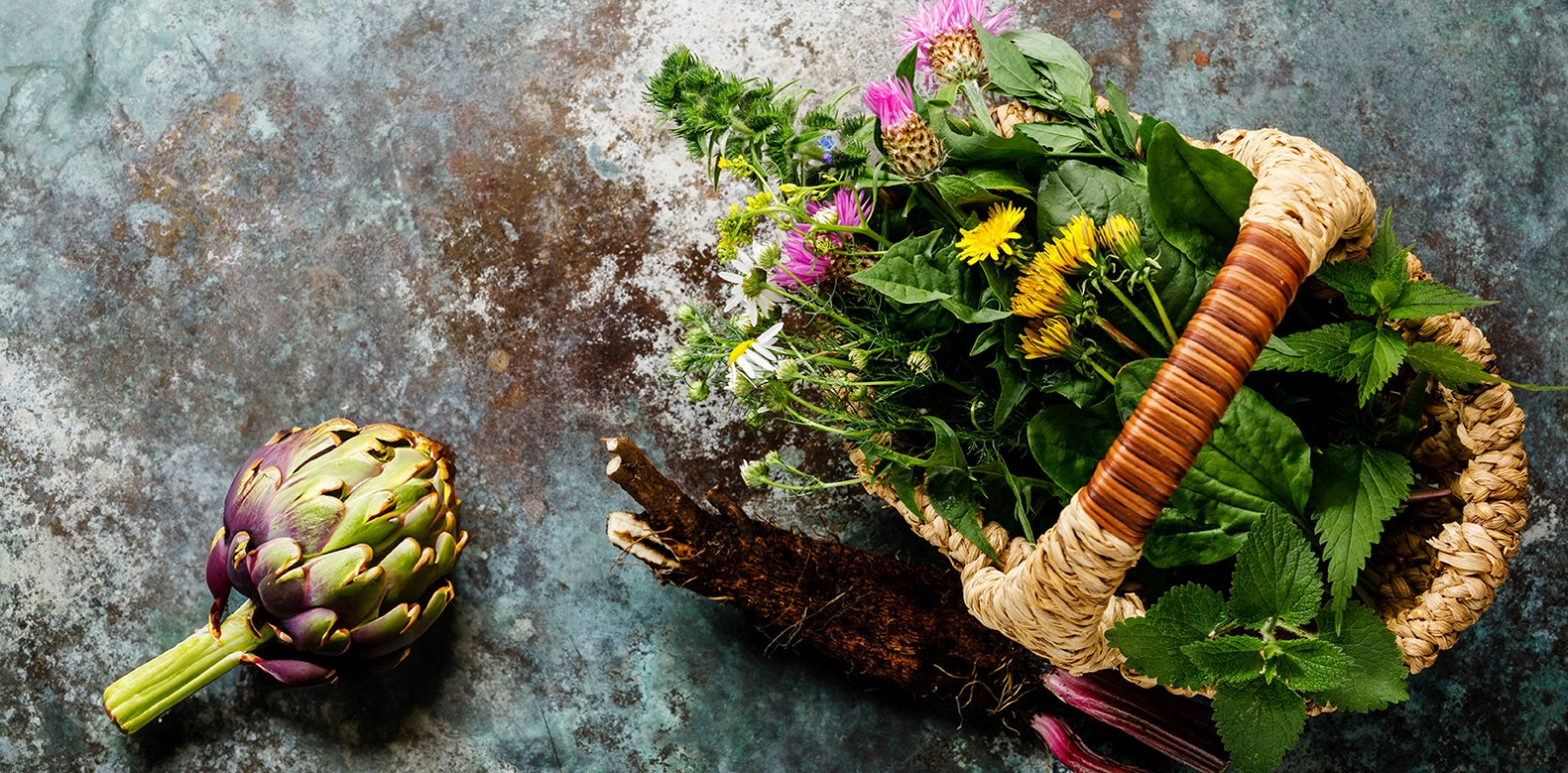
Heavy fatigue, irritability, tension or unexplained rashes – each of these symptoms can be one of the many faces of an overloaded liver. The liver is not only one of our largest organs, it is also invaluable for the body's detoxification. When it is overloaded, this does not lead to pain but to diffuse symptoms. Fatigue is one of the key symptoms that indicate an overloaded liver and a call for a liver cleansing regimen.
Herbal medicinal plants can be very valuable helpers for the liver and help it to regenerate. Which herbs these are is explained in this article.
Fascination liver
The liver is a very special organ. We are all familiar with colloquial expressions such as “a flea must have run over your liver” or “are you annoyed?”. In Traditional Chinese Medicine (TCM) the emotion of anger is also associated with the liver when the organ’s energy quality has fallen out of balance.
Typical signs of a liver out of balance include, in addition to irritability and a tendency to outbursts of anger on the emotional level, physical symptoms such as, for example:
- tension and muscle stiffness,
- menstrual complaints such as cramps and pain,
- pain beneath the right costal arch (liver area),
- sleep disturbances and nightmares, or
- disorders of muscles and tendons.
For every ailment a herb grows: Which medicinal plants help the liver?
In TCM, alongside acupuncture points, numerous herbs have been used for millennia to strengthen liver energy. Western phytotherapy also has a wealth of well-founded knowledge on medicinal plants for liver health.
For cleansing the liver there are, for example, many wonderful native plants. Herbal practitioner Andreas Moritz, himself deeply rooted in Western herbal medicine, investigated liver cleansing in depth and described his own programme. He recommends the following liver herbs for a plant-based liver cleansing regimen:
- milk thistle herb,
- dandelion root,
- artichoke leaves,
- fumitory herb,
- licorice root,
- agrimony herb,
- wild yam root,
- barberry root bark,
- oak bark.
Although there are many herbs that strengthen the liver and purify the blood, according to Andreas Moritz these are the most important.
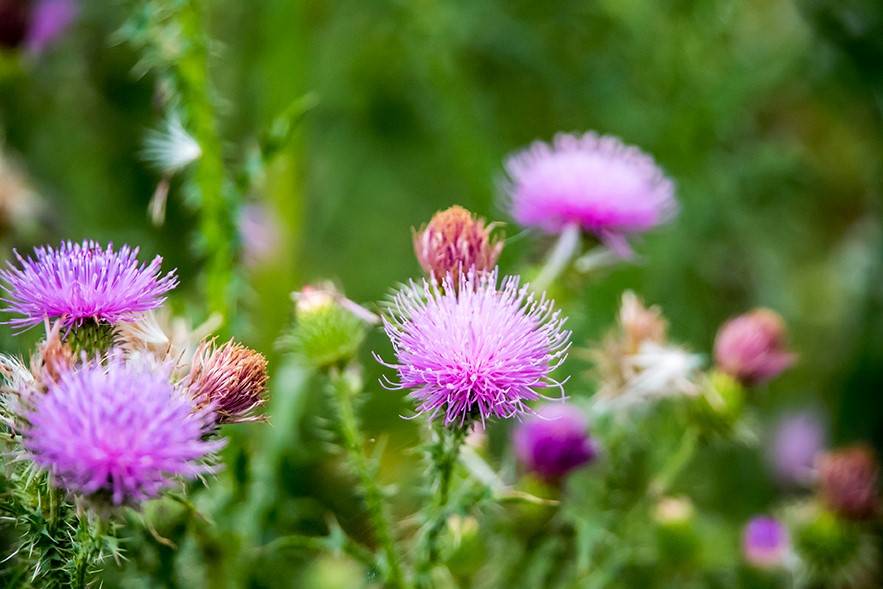
One of the most important liver herbs: milk thistle
Often described as one of the master herbs for the liver is milk thistle, also known as Silybum marianum. This thistle species of the Asteraceae (daisy) family grows mainly in the Mediterranean regions of Europe, but also in parts of Asia, Africa, the Americas and Australia.
Not only is it traditionally known as a plant-based liver remedy, milk thistle is also one of the most extensively researched liver herbs in science. Numerous studies confirm its effects on the liver. Therefore it can confidently be stated that the seeds of milk thistle are among the most effective options in a holistic liver cleansing regimen.
Detoxifies and protects the liver
Primarily the milk thistle seeds are used for detoxifying the liver, because the active ingredient silymarin is present in the seeds and helps prevent liver damage caused by disease, pollution, toxins or alcohol misuse. Silymarin can even reverse damage from these toxins and stimulate liver regeneration, making it a valuable aid in hepatitis, cirrhosis, fatty liver and jaundice.
Valuable flavonoids
Silymarin is a complex of different flavonoids (secondary plant compounds), which in turn consists of silybin A and B (= silibinin), silychristin and silydianin.
The effect of milk thistle seeds manifests independently of the specific cause of the liver burden: it supports the regeneration of liver cells, aids their reformation and protects against free radicals that occur in greater numbers during detoxification work.
Milk thistle helps displace old red blood cells from the liver and detoxify freely circulating toxins, residues and deposits that are located in the liver veins. In addition, the medicinal plant improves bile production and helps to cleanse the bile passages within the liver. Also noteworthy is the rejuvenating effect on the liver. It also helps to free the liver from stagnant energy. (Cf. Anthony William: The Miraculous Liver and Gallbladder Flush)
In general, milk thistle seeds help prevent the formation of gallstones and kidney stones, as they have the ability to cleanse the blood and thus minimise the risk of stones.
Milk thistle can do even more. For example, it is claimed that milk thistle would even protect against the deadly toxin of the green death cap mushroom. This should never be tried. Injected intravenously, however, it can be used in emergency medicine if the toxin is already present in the body.
Milk thistle protects, regenerates and detoxifies
Silymarin protects liver cells. The active ingredient of the milk thistle seeds helps to stabilise the lipid structures of liver cell membranes so that toxins harmful to the liver cannot penetrate the cells. [Study]
In addition to this protective effect, silymarin also assists in the formation of new liver cells and thus supports regeneration of the organ. As the liver cells regenerate, liver perfusion improves.
In combination with other liver plants such as artichoke or dandelion, milk thistle supports the liver in its detoxification function.
“In gynaecology milk thistle is used when the liver needs to be relieved, protected or regenerated. This is useful after taking liver-damaging medications such as the contraceptive pill, antibiotics, anaesthetics or painkillers, as well as after hormonal stimulation. Milk thistle also proves useful in breast cancer.” Margret Madejsky
Milk thistle is effective in liver diseases such as hepatitis C or fatty liver (including non-alcoholic origin). [Study] [Study]
Further positive effects of milk thistle on the whole organism
Another crucial mechanism of silymarin is the modulation of enzymes that are directly associated with the development of fibrosis and cirrhosis. By regulating these enzymes, silymarin slows the progression of liver diseases and helps maintain healthy liver function. [Study]
Notable are the antioxidant properties of milk thistle, as it effectively removes free radicals and also promotes the production of antioxidants, thereby increasing glutathione levels. Glutathione is one of the body's most powerful endogenous antioxidants. (Cf. Ursel Bühring, Praxis Heilpflanzenkunde) Moreover, the anti-inflammatory, antioxidant and antiviral capabilities of milk thistle seeds have also been demonstrated in studies. [Study]
Its effects have also been researched in dental diseases. Supportive effects of milk thistle have been shown in pathologies of the oral cavity. Here too, the most important phytochemical extract of milk thistle is its seed component, silymarin. [Study]
Due to its apoptotic effect without cytotoxic effects, the active ingredient of milk thistle seeds, silymarin, has great potential in the treatment of various cancers. [Study] [Study] [Study: immunomodulatory effect]
Silymarin also helps when medications are taken. It can prevent consequential damage, for example from taking paracetamol, and also during radiotherapy. It can mitigate damage from excessive alcohol consumption. [Study]
Many further studies demonstrate how wonderfully milk thistle can support the liver. Overall it acts cell-protective, antihepatotoxic (neutralising liver toxins), hepatoprotective (protecting liver cells), regenerating, digestive-supporting, antimycotic, choleretic (stimulating bile flow) and cholesterol-lowering.
Usage of milk thistle
It is important that the milk thistle preparation contains at least 70 mg of silymarin. The recommended daily dose is at least 200–400 mg of silymarin.
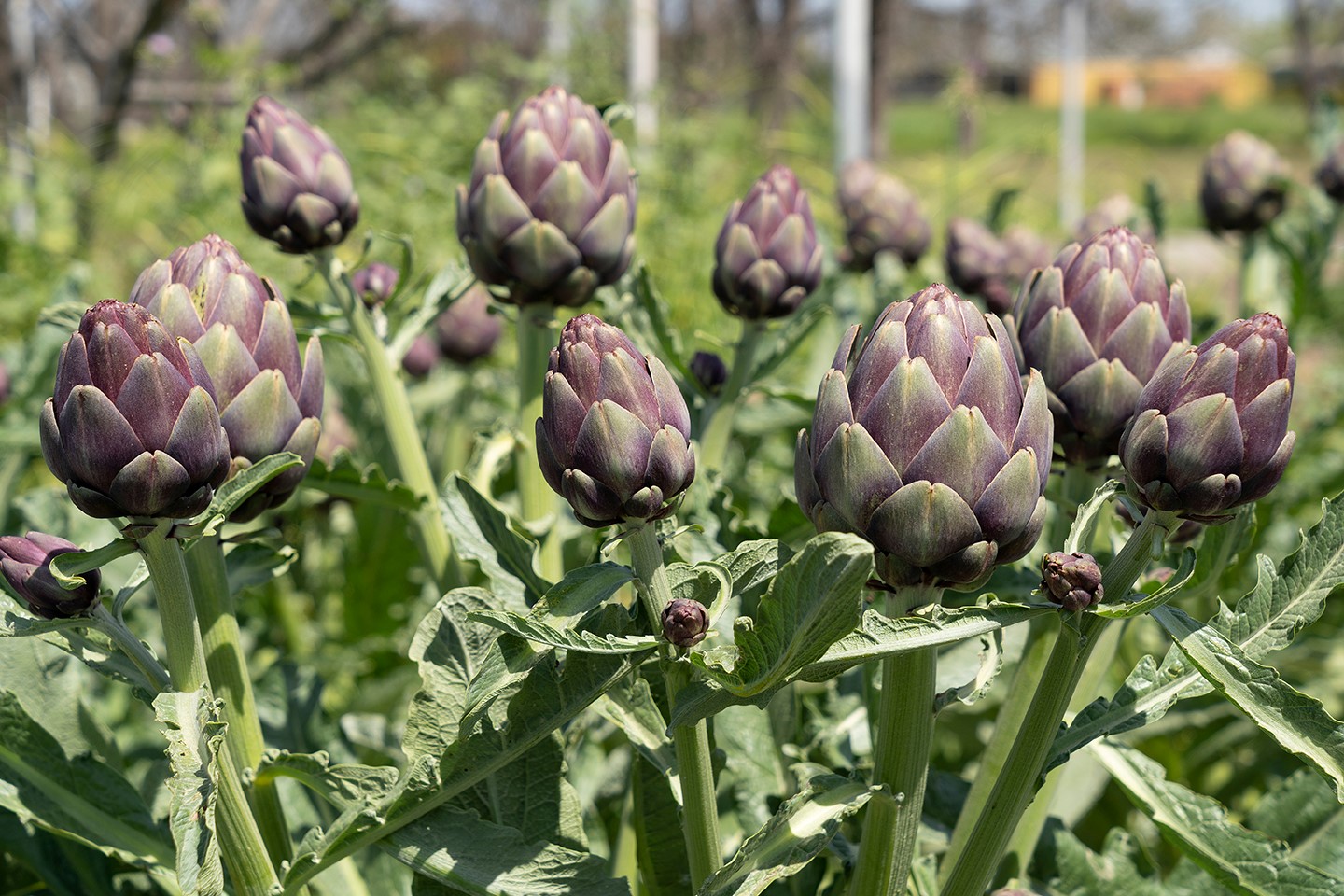
It has a heart for the liver: the artichoke
A very special liver tonic is the artichoke (Cynara scolymus). The extract from the dried leaves contains many valuable constituents that support the liver. Even the ancient Egyptians, Greeks and Romans used the artichoke both as food and as medicine, especially for the liver.
Stimulates bile flow
The quality of the artichoke lies in its ability to stimulate bile flow. [Study] This means toxins are excreted more efficiently from the body. At the same time, the artichoke helps bind toxins and reduce the burden on the liver.
The part used therapeutically is the leaves, which contain particularly high levels of flavonoids and bitter compounds such as cynarin.
But artichoke is not only a “detoxifier” – like milk thistle it is also a shield for liver cells and helps protect the liver from damage. For this reason it is recommended for liver diseases as well as for medication-induced damage (e.g. paracetamol, which can cause liver damage with longer-term use). [Study]
The artichoke also supports the regeneration of the liver, which is why, alongside milk thistle, it ranks among the most valuable liver herbs.
Artichoke can bind heavy metals
A particularly interesting and little-known aspect is that the artichoke even has chelation properties and can bind and eliminate heavy metals. An animal study found that artichoke extract helped reduce blood heavy metal burden in lead poisoning. [Study]
Due to its high flavonoid content, the artichoke is also antioxidant. [Study] This makes it a potential aid in chronic diseases and cancer, particularly pancreatic cancer. The secondary plant compound apigenin has been investigated in this context. [Study]
Usage of artichoke
The plant is best used as an artichoke extract in capsule form or as fresh artichoke juice. The recommended intake ranges between 300 and 2,400 mg. For digestive complaints a lower dose of 300–600 mg is advisable, whereas for liver diseases up to 2,400 mg daily is recommended. Please consult a therapist you trust for individual dosing advice.
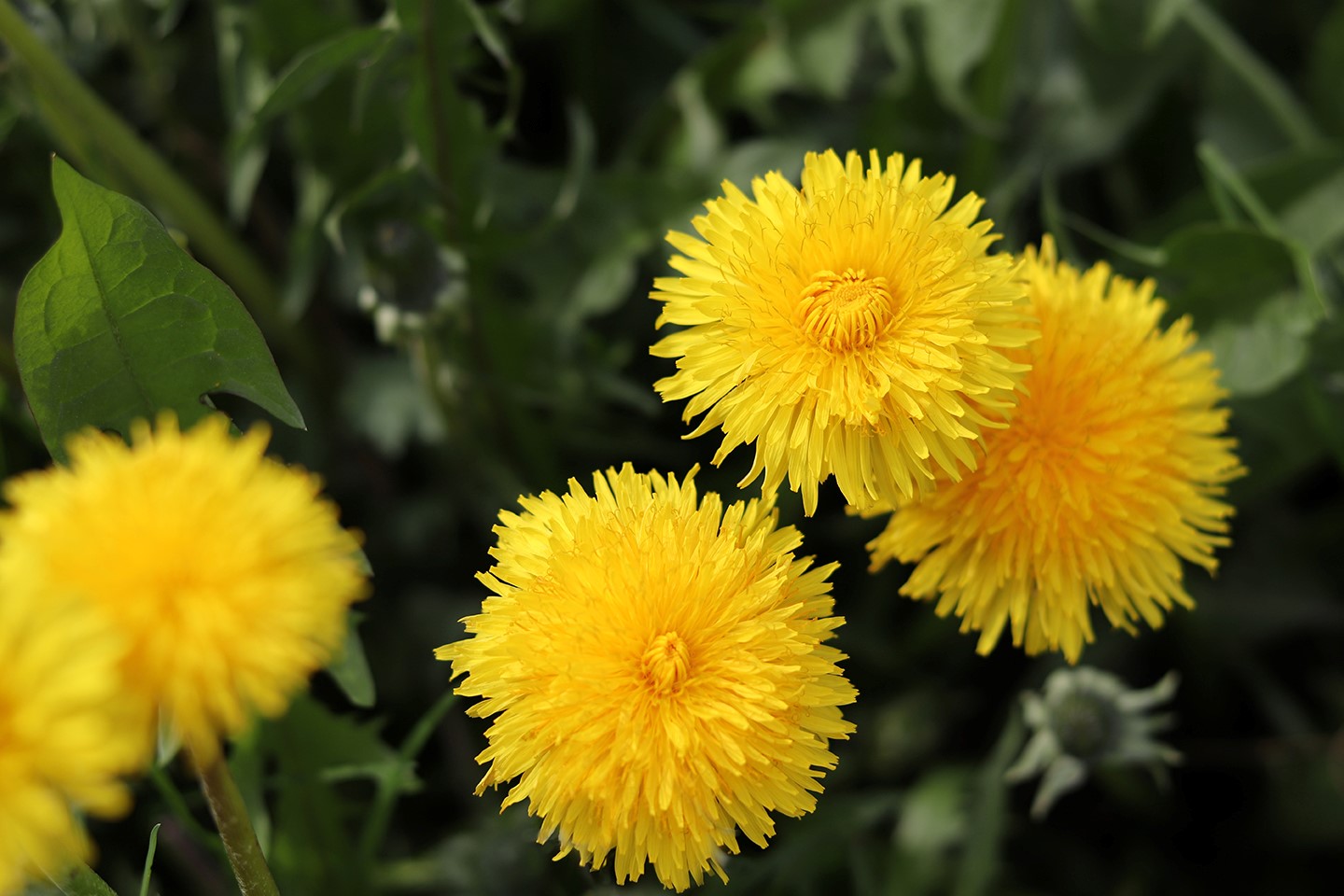
The golden-yellow liver power of the dandelion
Unfortunately this brightly yellow medicinal plant is still regarded by many people as a weed and its healing properties are underestimated. Dandelion (Taraxacum officinale) was already given great importance as a medicinal plant by Maria Treben. She prescribed dandelion, for example, for blood purification or liver diseases. In modern Western phytotherapy dandelion is also one of the best-known medicinal plants, especially for the liver.
Dandelion is an indispensable helper when it comes to flushing out toxins. People who feel tired should undertake a 14-day dandelion cure, because fatigue is the pain of the liver and a sign of an overloaded organ. Liver herbs can provide new energy and vitality here. Dandelion also helps with other complaints, such as itching, lichen and rashes. (Cf. Maria Treben. Health from God’s Pharmacy. Advice and Experiences with Medicinal Herbs)
Dandelion stimulates liver function
The quality of dandelion is that it stimulates the liver so that it is activated to secrete bile. For this reason it is considered in herbal medicine to be one of the most outstanding plants with pronounced liver properties. This bile-stimulating effect (choleretic) ensures that bile remains fluid, which improves fat metabolism. Dandelion is therefore often used for fatty liver. [Study]
The whole plant—from roots to stems, leaves and flowers—is effective. The fresh stems of dandelion have the remarkable ability to dissolve gallstones painlessly while stimulating the activity of the liver and gallbladder. In addition to valuable minerals, dandelion contains important healing and restorative substances that are of great significance in the treatment of metabolic disorders. Its blood-purifying effect also makes it useful for gout and rheumatism. The application of the fresh stems over a period of three to four weeks has been shown, for example, to reduce glandular swellings.
A versatile medicinal plant
Dandelion has also proven effective in jaundice and spleen disorders. The roots of dandelion, whether eaten raw or dried for a tea infusion, act as a blood purifier, promote digestion and have diaphoretic and diuretic properties.
Dandelion also has the ability to thin the blood, making it an excellent remedy against “thick blood”. (Cf. Maria Treben. Health from God’s Pharmacy. Advice and Experiences with Medicinal Herbs)
Dandelion’s beneficial effects have also been demonstrated in many studies concerning cancer. One study, for example, showed that breast cancer cells were inhibited in their growth. [Study]
Usage of dandelion
Dandelion is excellent served as a salad. It can also be made as an infusion from a handful of dried leaves and roots in 1 litre of water: boil for two minutes and leave to steep for 10 minutes. Drink three cups per day. Capsules are also an easy and convenient application option.
Further helpful liver medicinal plants for the natural medicine cabinet
In addition to milk thistle, artichoke and dandelion there are many other outstanding herbs in Western herbal medicine particularly suitable for the liver.
Rosemary: more than just a spice
Native to the Mediterranean region, rosemary has a strongly choleretic effect: whether as a spice or as a medicinal herb—it stimulates bile production and thus contributes to detoxification.
Goldenrod: a valuable kidney and liver herb
The bright yellow-flowering goldenrod not only affects the kidneys; it is also an excellent stimulant of liver functions.
Cat’s claw: the liver herb from the jungle
Cat’s claw has a different mechanism of action and is therefore not directly a liver herb. The plant stimulates liver detoxification by removing viruses, bacteria and other harmful microorganisms. It supports the liver’s regenerative capacity and stabilises liver cells.
Olive leaves: Mediterranean and healthy
A great antiviral, antibacterial herb for the liver is olive leaf extract. It gently cleanses the liver of toxins. The phytochemical compounds of the olive leaf also provide various nutrients for different liver functions.
Conclusion
Where there is disease, there is also the remedy; where there is the remedy, there is also the disease. This was already known to the physician Paracelsus, for everything is interconnected within and without. This is an ancient medical rule familiar to many herbalists.
Traditional herbal medicine knows plants for every organ and every mood. Yet a herb is never merely a singular component with a single effect. Just as a person is a holistic being, so is the plant. Therefore the same plant can affect one person in one way while triggering or supporting something quite different in another.
“Every medicinal plant possesses potent healing powers that support the body in detoxification and regeneration.” (Cf. Robert Morse. The Detox Miracle)
Milk thistle, artichoke, dandelion – the three major liver herbs should not be missing from any liver cleansing regimen. Each contains different active substances that support the liver in its diverse functions—from detoxification and blood purification to enzyme activity. Liver herbs are particularly suitable for spring cleanses.
Figure 1: Natalia Lisovskaya/shutterstock.com; Figure 2: Elina Chernikova/shutterstock.com; Figure 3: pokku/shutterstock.com; Figure 4: Yav_Olha/shutterstock.com

