
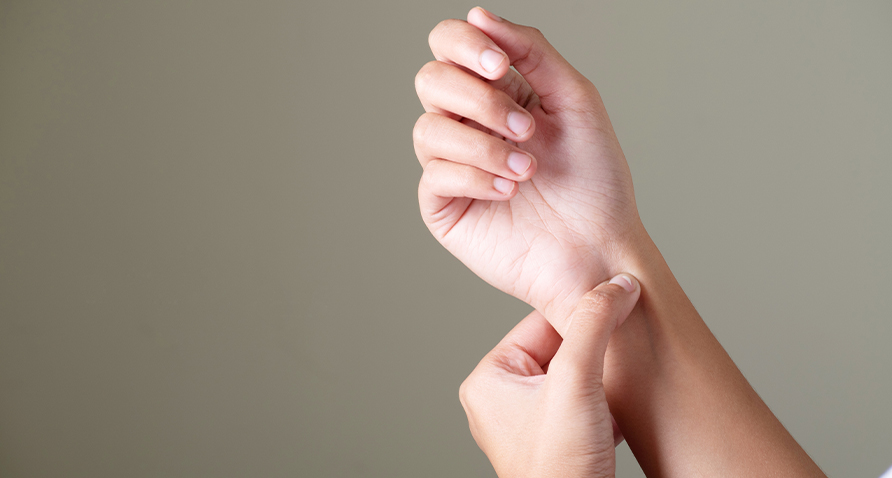
Figure 1: Relaxation techniques such as Progressive Muscle Relaxation, biofeedback, acupressure, deep breathing and visualisation can help reduce stress and meet the demands of modern life with greater composure.
In our modern society many people feel almost constantly stressed. To counter this and to prevent the negative consequences of chronic stress, relaxation techniques have proven effective. The methods are not only suitable for stress reduction, but can also have positive effects on pain, sleep disorders and migraine, among other conditions. In this blog post we introduce five well-known relaxation techniques and explain why relaxation is so important for the body. The routines and tips presented at the end of the article can help you integrate moments of relaxation into your everyday life with ease.
Why is it useful to relax deliberately?
We all experience stress – and that is not necessarily a bad thing. The stress response is an important bodily mechanism without which humanity might not exist today. To understand this, we must go back to the Stone Age: imagine one of our ancestors suddenly facing a sabre-toothed tiger. In that situation the organism switches within seconds to fight-or-flight mode. To be ready to fight or flee, stress hormones such as cortisol and adrenaline are released. The sympathetic nervous system – the part of our autonomic nervous system that has an activating effect – springs into action. Physiological functions such as libido, cell renewal or digestion, which are not necessary in an acute danger situation, are temporarily shut down.
Stress is therefore an important survival mechanism. It only becomes problematic when phases of tension are not followed by sufficient regeneration, so that stress becomes chronic. Today we are exposed to numerous stressors in our professional and private lives. High workloads and constant availability are as relevant as care work, pressure to self‑optimise, the climate crisis, wars and anxieties about the future. However, our brain does not distinguish between an email from the boss, an argument with a partner or a genuinely life‑threatening situation. The physiological stress response remains the same.
What benefits do relaxation techniques offer?
With suitable relaxation techniques, it is possible to counteract the demands of modern life and reduce stress in a targeted way. In addition to activating the parasympathetic nervous system and the accompanying regeneration, these methods offer several other advantages. Relaxation can, among other things, have a calming effect, improve concentration and strengthen self‑control. Several studies also show clear positive effects on psychological well‑being. A meta‑analysis involving 8,000 adolescents even found that certain relaxation techniques can sustainably reduce anxiety and depressive symptoms in young people.[1]
The long‑term consequences of chronic stress
Figure 2: Chronic stress is a risk factor for numerous illnesses, including cardiovascular disease, gastrointestinal complaints and depression.
But why is it so important to reduce stress – for example through relaxation techniques? What are the consequences if stress reduction fails? Unlike acute stress, which can temporarily enhance performance, many health problems can develop if the body remains permanently in "alarm mode". If the adrenal cortex, where the important stress hormone cortisol is produced, is constantly required, it will become exhausted sooner or later. Adrenal exhaustion can lead not only to tiredness and listlessness, but in the long term also to burnout.
In addition, a wide range of diseases are stress‑related or can be associated with stress. A meta‑analysis showed that high levels of stress hormones (cortisol, adrenaline, noradrenaline) are associated with a significantly higher risk of cardiovascular disease.[2] Chronic stress can also weaken the immune defence and favour gastrointestinal complaints, depression, diabetes mellitus, muscle tension and skin disorders.
Effective against stress: Five popular relaxation techniques
There are a variety of relaxation techniques that differ in their approaches. Some methods require aids or a guiding person, while others can be practised alone and without any equipment. All techniques share the goal of bringing body and mind into a relaxed, pleasant state. Which method suits you best depends, among other things, on your personal preferences as well as physical conditions and any pre‑existing illnesses. Some relaxation techniques are used not only for chronic stress but also for conditions such as anxiety, panic attacks, sleep disorders, migraine, fibromyalgia, tinnitus, high blood pressure or for disease prevention.
1. Progressive Muscle Relaxation (PMR)
Progressive Muscle Relaxation (also: Progressive Muscle Relaxation according to Jacobson) is one of the systematic relaxation techniques. This means the technique is based on a fixed method that is applied repeatedly. In PMR individual muscle groups are consciously tensed briefly and strongly. The tension is then held for a few seconds before being released. This alternation of muscular tension and relaxation can be beneficial for both body and mind. Progressive Muscle Relaxation is a scientifically recognised relaxation method that, especially in combination with other relaxation techniques, can be effective in reducing stress, anxiety and depression.[3]
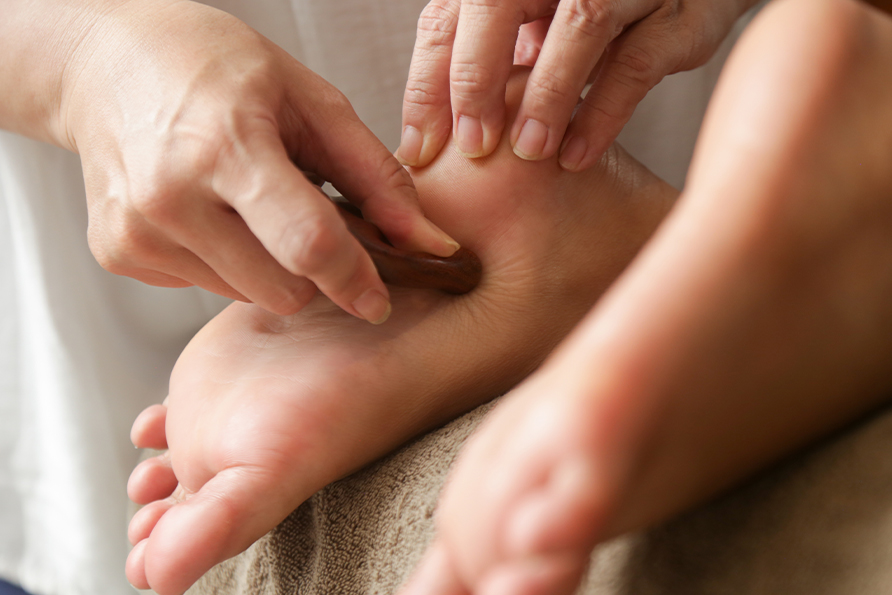
Figure 3: Targeted pressure on certain points can help restore balance in the body and enhance well‑being.
2. Acupressure
Traditional Chinese Medicine (TCM) recognises a total of 365 acupressure points on the body. These are located along the so‑called meridians, along which the life energy "Qi" flows. By applying targeted pressure to these specific points during acupressure, the energy in the body is intended to be balanced, pain relieved and general well‑being increased. Unlike acupuncture, acupressure is non‑invasive and works with finger pressure, the thumb or special tools rather than needles. The relaxation technique can be practised several times a week or even daily, with a typical session usually lasting no longer than half an hour. Acupressure is traditionally used not only for stress reduction but also for menstrual complaints and to improve sleep quality.[4] If professionally administered acupressure is not possible, an acupressure mat can be a good alternative.
3. Biofeedback
Our body constantly sends signals that reflect our internal level of arousal. An accelerated heartbeat, faster breathing, muscle tension or increased sweating are physiological processes that usually occur automatically and indicate a state of tension. In biofeedback these unconscious processes are measured with the help of sensors and made visible and audible on a screen (e.g. as a curve, bar or tone). Those using biofeedback can follow more or less in real time on the screen how their own tension decreases through certain relaxation techniques such as breathing exercises. This "feedback" trains the ability to relax consciously and to apply it in everyday life even without devices. As a systematic review notes, there is preliminary evidence that biofeedback improves both physiological and psychological stress indicators.[5]
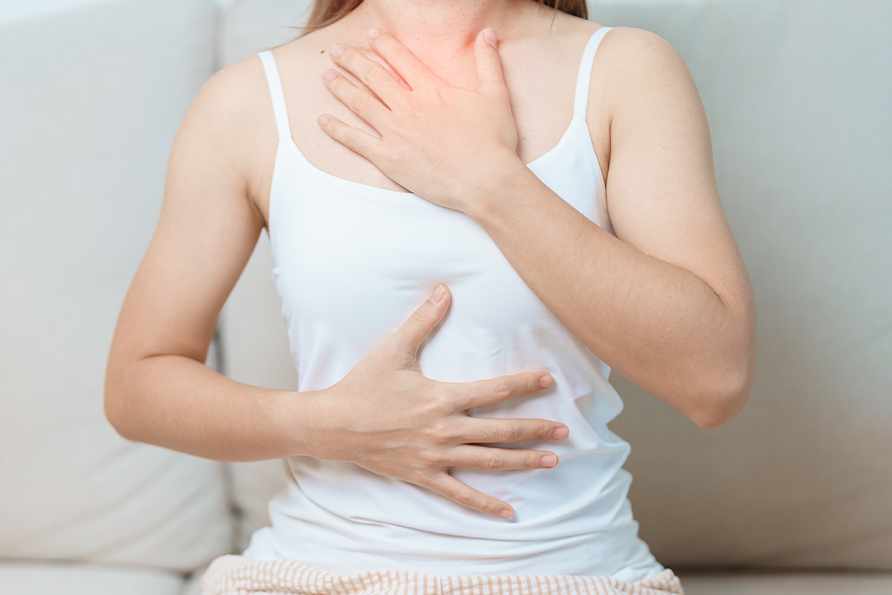
Figure 4: Breathe deeply: conscious abdominal breathing calms the body from within and can noticeably relieve inner tension.
4. Deep breathing
The power of breathing is often underestimated. It is one of the simplest and most effective methods for reducing stress. Under tension we generally tend to breathe more shallowly. Conversely, stress can be reduced by deliberately breathing slowly and deeply into the abdomen. In simple abdominal breathing you first inhale deeply through the nose so that the belly expands and the lungs fill. Then hold the breath for a few seconds. On exhaling, the air flows calmly out through the mouth or nose and the belly falls again. Deep breathing practised in this or a similar way activates the parasympathetic nervous system and can help relieve tension, nervousness and mild pain.
5. Visualisation
Visualisation is a relaxation technique that uses imagination to promote calm and composure. The possibilities for visualisation are numerous and can include calming images or scenes such as a walk on the beach or in the woods. Before the exercise, it is best to set a timer for ten to fifteen minutes. This period is usually sufficient to achieve noticeable relaxation. Visualisation should be practised in a quiet environment. Lie down or sit comfortably and close your eyes. Now concentrate fully on the imagined scene – whether a guided imagery or a pleasant scene you prepared beforehand. Try to experience the situation with all your senses and notice how your body gradually relaxes. As a comparative study in depressed patients showed, guided visualisations can not only reduce stress but even reduce depressive symptoms and improve self‑regulation.[6]
How to achieve relaxation in everyday life: 5 simple routines and tips
It is not always possible in a hectic daily routine to practise the relaxation techniques presented above in their full length. Yet it is precisely in stressful times that it is all the more important to take deliberate breaks and regenerate. Fortunately, besides techniques like biofeedback that require technical aids, there are activities and routines you can implement without another person or additional equipment. The following tips for everyday relaxation can help you let go of stress, prevent stress‑related symptoms and increase your general well‑being.
- Take mini‑breaks during your day: Even short breaks can be highly calming. If you work in an office or from home, you can, for example, set an alarm for a short five‑ to ten‑minute break at regular intervals. During this time everything that does you good and feels relaxing is allowed. You can, for instance, close your eyes and breathe slowly into your abdomen in a relaxed, comfortable posture. Alternatively, use the break for a short walk outdoors or a few deep breaths at an open window. Ideally, remove yourself from all screens to give your eyes a digital rest.
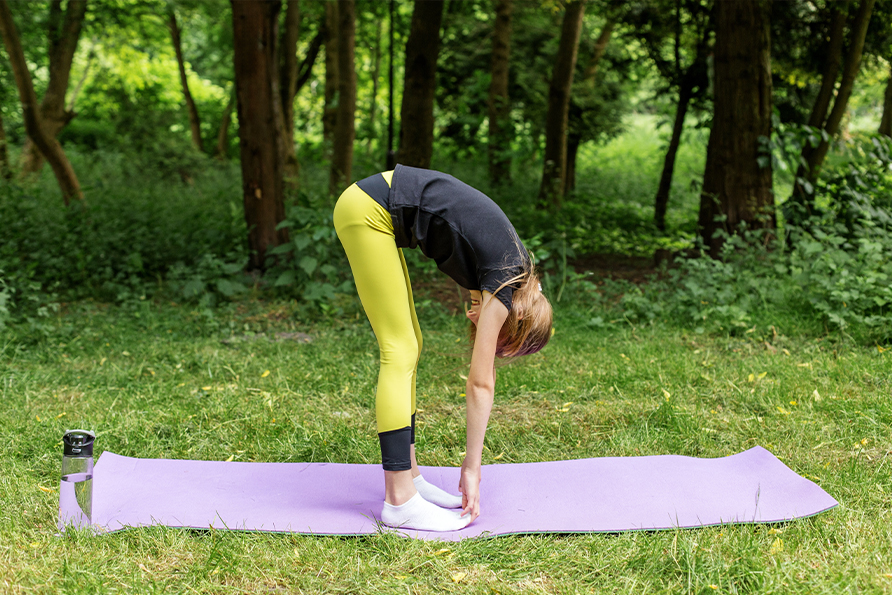
Figure 5: Movement against tension: stretches such as the "cat‑cow" movement help relieve muscle tension and recharge your energy.
- Stretch regularly: We often tense our muscles unconsciously under stress. Shoulder and neck tension are therefore typical companions of chronic stress. A short stretching routine helps release unconscious muscular tension and improves circulation. A classic stretch is the "cat‑cow" exercise, where the back is alternately rounded and arched. Other good exercises include the seated forward bend, the butterfly position or the "neck melt", where you slowly let the head sink to the right and left shoulder in turn. Feel into your body attentively while stretching and, if possible, practise the routine several times a week.
- Go on a guided imagery "dream journey": People who have difficulty falling asleep in particular can benefit from guided imagery. In these short visualisations you can imagine a place from your childhood linked to positive memories or a landscape you love. This can help stop evening rumination and make the transition to sleep easier.
- Listen to relaxing music: Music can support relaxation in several ways. On the one hand it influences the limbic system, the "emotional centre" of our brain. Soothing and meditative sounds can indeed lead to relaxation. In addition, music stimulates the production of dopamine and endorphins while reducing the release of the "stress hormone" cortisol. A meta‑analysis showed moderate to large effects of music therapy on physiological and psychological stress parameters.[7]
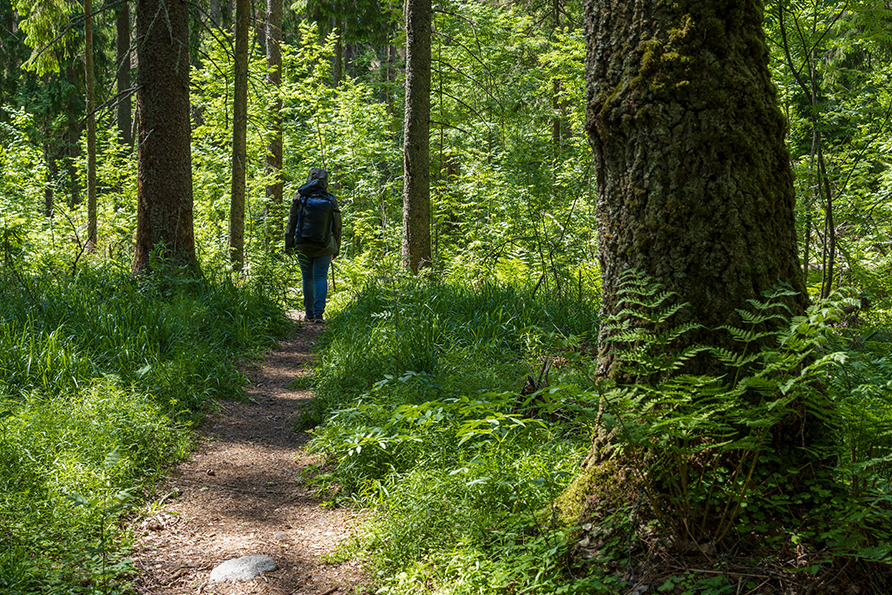
Figure 6: Nature as a source of strength: spending time in green spaces calms the senses, promotes mindfulness and supports mental regeneration.
- Spend time in nature: That being outdoors in nature can reduce stress is by now well researched.[8] Nature experiences activate the parasympathetic nervous system and can help reduce tension and rumination. Natural stimuli such as birdsong, wind on the skin or the smell of plants feel familiar and can help ground us. Direct contact with nature, such as touching tree bark or walking barefoot, can further enhance the state of mindfulness and relaxation.
Disclaimer
This article does not replace treatment by a qualified therapist. The basis of this contribution is studies and current literature. It must not be used for self‑diagnosis or self‑treatment. Discuss any inspirations from this article with a therapist you trust if necessary.
About the author
Katharina Korbach regularly writes blog posts about medicinal plants and natural active ingredients for the Narayana Verlag. She developed an interest in language early on and began writing her own literary texts. A serious illness during her school‑leaving exams prompted an intensive engagement with health and nutrition topics that continues to this day. After repeated failures of conventional medical treatment methods, she opted for a more self‑empowering, naturopathic therapeutic approach. A plant‑based diet was a key factor in her healing journey.
Katharina studied Cultural Studies (B.A.) and Applied Literary Studies (M.A.). In 2022 she published her debut novel "Sperling" with Berlin Verlag. Today she lives in Berlin as a freelance author, medical editor and lecturer. In her free time she prefers to spend time with friends or doing barre training. She also loves to travel and try out new vegan recipes.
[1] Hamdani SU, Zill‑E‑Huma, Zafar SW, Suleman N, Um‑Ul‑Baneen, Waqas A, Rahman A. Effectiveness of relaxation techniques 'as an active ingredient of psychological interventions' to reduce distress, anxiety and depression in adolescents: a systematic review and meta‑analysis. Int J Ment Health Syst. 2022 Jun 28. https://pubmed.ncbi.nlm.nih.gov/35765083/.
[2] Tsai SY, Hsu JY, Lin CH, Kuo YC, Chen CH, Chen HY, Liu SJ, Chien KL. Association of stress hormones and the risk of cardiovascular diseases systematic review and meta‑analysis. Int J Cardiol Cardiovasc Risk Prev. 2024 Jul 10. https://pubmed.ncbi.nlm.nih.gov/39319239/.
[3] Muhammad Khir S, Wan Mohd Yunus WMA, Mahmud N, Wang R, Panatik SA, Mohd Sukor MS, Nordin NA. Efficacy of Progressive Muscle Relaxation in Adults for Stress, Anxiety, and Depression: A Systematic Review. Psychol Res Behav Manag. 2024 Feb 1. https://pubmed.ncbi.nlm.nih.gov/38322293/.
[4] Waits A, Tang YR, Cheng HM, Tai CJ, Chien LY. Acupressure effect on sleep quality: A systematic review and meta‑analysis. Sleep Med Rev. 2018 Feb. https://pubmed.ncbi.nlm.nih.gov/28089414/.
[5] De Witte NAJ, Buyck I, Van Daele T. Combining Biofeedback with Stress Management Interventions: A Systematic Review of Physiological and Psychological Effects. Appl Psychophysiol Biofeedback. 2019 Jun. https://pubmed.ncbi.nlm.nih.gov/30604099/.
[6] Costa A, Barnhofer T. Turning Towards or Turning Away: A Comparison of Mindfulness Meditation and Guided Imagery Relaxation in Patients with Acute Depression. Behav Cogn Psychother. 2016 Jul. https://pubmed.ncbi.nlm.nih.gov/26190664/.
[7] de Witte M, Pinho ADS, Stams GJ, Moonen X, Bos AER, van Hooren S. Music therapy for stress reduction: a systematic review and meta‑analysis. Health Psychol Rev. 2022 Mar. https://pubmed.ncbi.nlm.nih.gov/33176590/.
[8] Shuda Q, Bougoulias ME, Kass R. Effect of nature exposure on perceived and physiologic stress: A systematic review. Complement Ther Med. 2020 Sep. https://pubmed.ncbi.nlm.nih.gov/33066853/.
Figure 1: Funstock/shutterstock.com ; Figure 2: Gulnaz Chikisheva/shutterstock.com ; Figure 3: triocean/shutterstock.com ; Figure 4: Jo Panuwat D/shutterstock.com ; Figure 5: OlhaTsiplyar/shutterstock.com ; Figure 6: Andrei Stepanov/shutterstock.com
28 August 2025

