
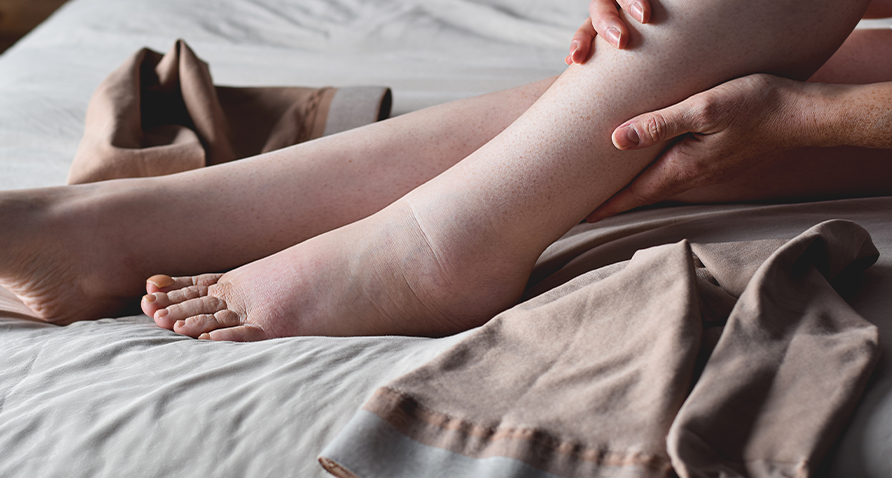
Figure 1: In many cases fluid retention is harmless. However, oedema can also arise as a consequence of serious conditions such as kidney, liver or heart failure.
Many people are affected by fluid accumulation in the tissues, known as oedema. The possible causes of fluid retention are varied. Heat, a high salt intake and certain medications can promote the development of oedema, as can liver, heart or kidney disease. In this blog post you will learn about the different types of oedema and how the fluid accumulates. We also present seven holistic tips that may help relieve existing oedema or prevent it naturally.
What is oedema?
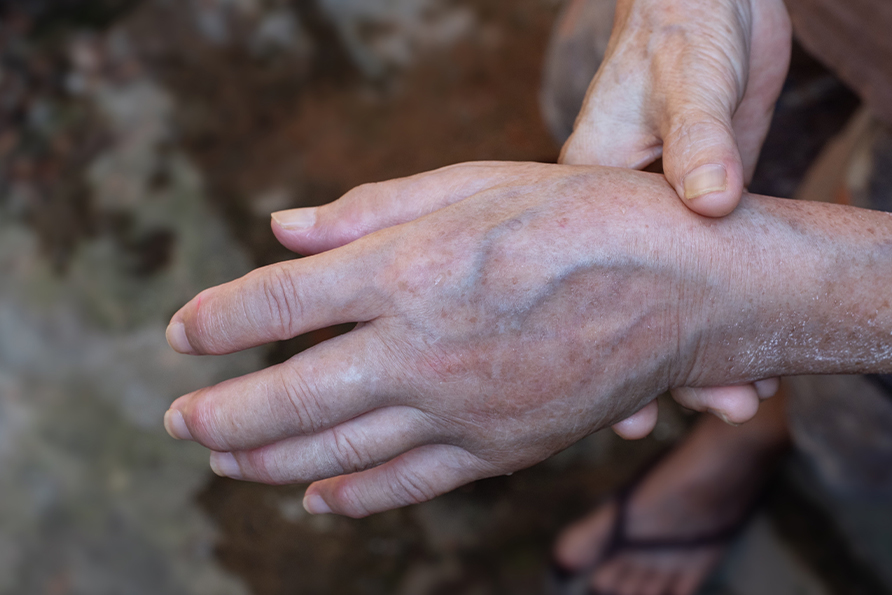
Figure 2: Oedema can be categorised, among other things, by its cause, its course and the location of the fluid accumulation.
Normally, the lymphatic system in our body is responsible for transporting excess tissue fluid away. At the capillary walls of the blood vessels, fluid exchange is determined by two main forces: hydrostatic pressure pushes fluid out of the capillaries into the tissue, while colloid osmotic pressure pulls fluid into the capillaries.[1] If drainage is impaired or more fluid flows into the tissue than can drain away, it accumulates – an oedema develops.
Oedema is particularly common in the legs or feet. But fluid can also accumulate in the hands or face. These are usually easy to recognise because they are associated with visible swelling. Fluid retention is often accompanied by a feeling of tightness of the skin over the affected areas, tenderness to pressure, a feeling of heaviness and restricted movement.[2] Whether a swelling is due to fluid retention can be checked easily: if light pressure on the skin leaves a dent that only slowly refills, it is most likely an oedema.
There are various forms of oedema that can be categorised in different ways. One option is classification by the causes of the fluid retention, which the next section addresses in detail. Oedema can also be sorted by the site of swelling: while generalized oedema occurs over the whole body, regional oedema affects only certain body regions (e.g. lower leg, lungs, brain). In addition, a distinction is made between acute fluid accumulations (e.g. after inflammation, thrombosis or renal failure) and chronic oedema (e.g. with chronic venous insufficiency).
Common causes of oedema and risk factors

Figure 3: In addition to weakness of the liver, kidneys or veins, lack of exercise, hormonal fluctuations, a salt-rich diet or medication can be the cause of fluid retention.
There are many possible causes of oedema. Fluid retention can be the result of a disease, but it can also be caused by hormonal fluctuations, inflammation, allergic reactions, lack of exercise, a high salt intake, fluid overload (e.g. during infusion therapy) or medication. Below we present five of the most common causes of oedema.
1. Oedema due to increased venous pressure
If the pressure in the blood vessels is elevated, fluid can leak from the capillaries into the tissue. This common form of fluid retention is also called hydrostatic oedema. The cause is usually a heart or venous disorder. In heart failure, the heart’s ability to pump blood effectively through the body is reduced. This can lead to a backlog of blood before the heart and fluid accumulation in the legs, abdominal cavity or lungs. A pulmonary oedema is life-threatening and requires immediate emergency treatment. In addition, chronic venous insufficiency, varicose veins, prolonged standing or heat can increase venous pressure and promote the formation of oedema.
2. Oedema due to disturbances of the lymphatic system
The lymphatic system is an important part of the immune system and performs two main tasks in the body: on the one hand, it transports fluid from the tissue back into the blood, and on the other hand it removes waste products, damaged cell components and other metabolic products. If the lymphatic system is damaged, blocked or underdeveloped, so that lymph fluid accumulates in the tissue, a so-called lymphoedema can develop. Lymphoedema can be congenital (primary lymphoedema) or acquired (secondary lymphoedema). In industrialised countries, lymphoedema frequently arises after removal or destruction of lymph nodes following cancer treatment (e.g. breast cancer).
4. Oedema due to protein deficiency
Albumin is one of the most important transport and storage proteins in the human body. The protein present in the blood plasma ensures that water does not simply “leak” into the tissue. In liver cirrhosis or kidney disease, however, albumin production is reduced or albumin loss via the urine is increased. Severe malnutrition can also lead to a drop in albumin levels. If the protein content in the blood is too low, the plasma can hold less water within the vascular system. This leads to accumulation of fluid in the tissue – a so-called colloid osmotic oedema.
5. Oedema due to medication
Certain medications can also affect fluid balance, vascular tone or kidney function and thereby promote the development of oedema. Typical drugs that may cause oedema include calcium antagonists, non-steroidal anti-inflammatory drugs (NSAIDs), corticosteroids, oestrogens/progestogens, antidiabetics, antidepressants and antipsychotics.
Diagnosis and conventional medical treatment of fluid retention
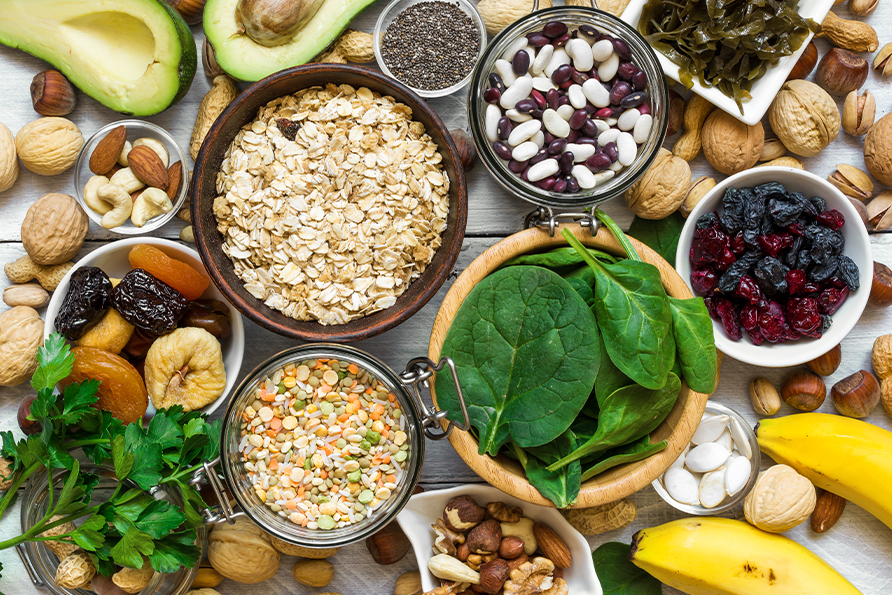
Figure 4: When treating oedema with draining diuretics, care should be taken to adequately compensate the associated loss of minerals. For example, by consuming foods rich in potassium, magnesium and zinc.
If you notice an oedema, you should always take the swelling seriously and have it examined by a doctor if necessary – especially if the oedema occurs repeatedly or suddenly or lasts for a long time. Some oedema, such as those that arise in heat, after prolonged sitting or in the context of an allergic reaction, are harmless and usually resolve by themselves, while other oedema can indicate serious disease.
Because oedema is not an independent disease but always a symptom, the underlying cause of the fluid retention should always be determined. Due to the large number of possible causes, however, it is often difficult to correctly identify the trigger of an oedema.[3] At the doctor’s, a physical examination is usually performed first. Imaging procedures (e.g. if thrombosis is suspected) or laboratory diagnostics (e.g. if protein deficiency, kidney failure or liver cirrhosis are suspected) may then be used.
Following diagnosis, treatment is guided by the precipitating factor. Generalised oedema are often treated with diuretics. These drugs inhibit the reabsorption of sodium and water and thus cause the kidneys to excrete more water from the body. However, it should be noted that diuretic-induced dewatering of the body inevitably involves a loss of vitamins and minerals, which should be specifically compensated. For regional oedema caused by venous insufficiency, compression stockings are often used to promote the return of tissue fluid into the blood and lymphatic vessels.
No more fluid retention: 7 holistic tips against oedema
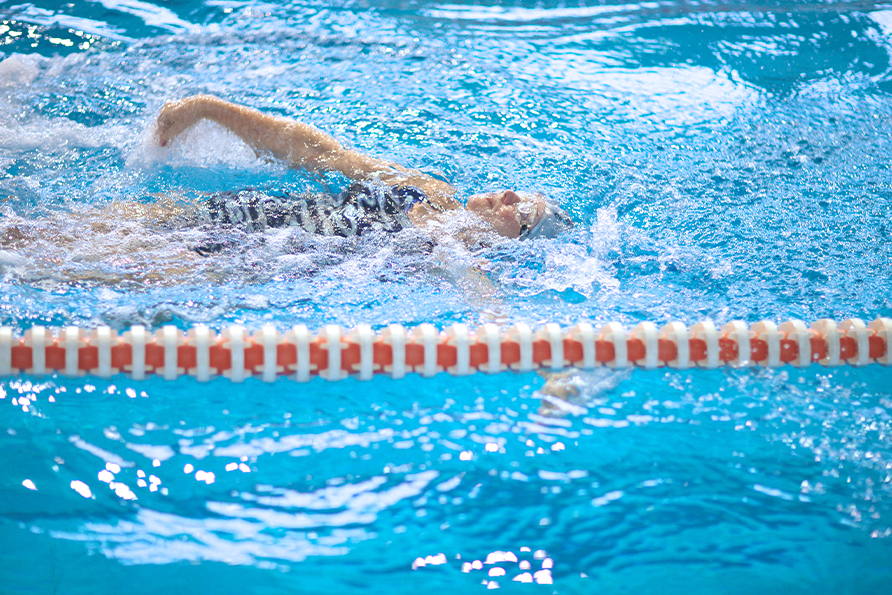
Figure 5: Many forms of oedema can be effectively prevented by targeted lifestyle changes.
Although drug therapy for oedema is necessary in many cases, it is generally sensible to treat fluid retention holistically. Many oedema can be alleviated by natural methods that take both physical and mental factors into account. For effective prevention, it is also advisable to consider some tips and approaches from the areas of lifestyle, nutrition and exercise.
- Keep moving: Whether hiking, swimming, moderate jogging or a long walk: whenever you move, you not only do something for your general health and fitness, you also help prevent oedema. Exercise activates venous and lymphatic return and stimulates tired veins. Regular physical activity can also support weight loss or the maintenance of a healthy body weight. Since overweight is one of the main risk factors for the development of oedema, optimising body weight reduces the risk of oedema.
- Eat a protein-rich, potassium-rich and low-salt diet: In terms of nutrition, try to keep your salt intake moderate and regularly eat protein-rich foods (e.g. quark, tofu, chicken) as well as potassium-rich foods (e.g. bananas, avocado, spinach, sweet potato). Potassium plays an important role in the body’s water balance by helping to keep water in the cells together with other ions. Diuretic foods such as cucumber, asparagus, pineapple, celery and parsley can also help prevent oedema.
- Drink enough: It is a dangerous misconception to think that reducing fluid intake can help remove water from the body in cases of fluid retention. The opposite is true: drinking plenty of fluids promotes lymph flow and supports the kidneys in excreting excess water and salt. If fluid intake is too low, the body switches to “conservation mode” and retains water, which can worsen oedema.
- Elevate your legs: Raising the legs is a simple but very effective measure against oedema. Gravity helps the accumulated tissue fluid flow back into the veins, which improves venous return to the heart, promotes lymph drainage and reduces swelling in the lower legs, ankles and feet.
- Use contrast showers and Kneipp applications: Natural measures that promote circulation can strengthen vessel walls and improve venous function. In addition to contrast showers, classical Kneipp applications have proved effective for oedema. When performed regularly, these can improve microcirculation and, through cold stimuli, also stimulate the circulation and the autonomic nervous system.
- Reduce stress: Chronic stress activates the sympathetic nervous system, which puts the body into “fight-or-flight” mode. This is often accompanied by constriction of the blood vessels and slowed lymph flow. Cortisol, which is released in higher amounts during stress, can also cause water retention and narrowing of the blood vessels. Stress-reducing measures include breathing exercises (e.g. 4-7-8 breathing), progressive muscle relaxation, yoga and meditation.
- Strengthen your veins with targeted exercises: Veins can be effectively strengthened by certain exercises. Especially if you sit a lot every day, regularly performed foot tapping, leg raises or ankle circles can be very beneficial and help prevent oedema and varicose veins. Many experts also recommend supplementing conventional therapies with specific manual mobilisation techniques for oedema.[4]
Disclaimer
This article does not replace treatment by a qualified therapist. The basis of this contribution is studies and current literature. It must not be used for self-diagnosis or self-treatment. If in doubt, discuss any ideas from this article with a therapist you trust.
Biography
Katharina Korbach regularly writes blog posts on medicinal plants and natural active substances for Narayana Verlag. She developed an interest in language early on and began writing her own literary texts. A serious illness during her final school years prompted an intensive engagement with health and nutrition topics that continues to this day. After repeated failures of conventional medical treatments, she chose a more self-empowering, naturopathic therapeutic approach. A plant-based diet was an important key on her path to recovery.
Katharina studied Cultural Studies (B.A.) and Applied Literary Studies (M.A.). In 2022 she published her debut novel "Sperling" with Berlin Verlag. She now lives in Berlin as a freelance author, medical editor and lecturer. In her free time she prefers to spend time with friends or doing barre training. She also loves travelling and trying out new vegan recipes.
[1] Lent-Schochet D., Jialal I. Physiology, Edema. StatPearls Publishing. 2025 Jan. https://www.ncbi.nlm.nih.gov/books/NBK537065/ (accessed: 02.08.2025).
[2] Institute for Quality and Efficiency in Health Care (2022): In brief: Causes and signs of edema. https://www.ncbi.nlm.nih.gov/books/NBK279409/ (accessed: 02.08.2025).
[3] Koirala A, Pourafshar N, Daneshmand A, Wilcox CS, Mannemuddhu SS, Arora N. Etiology and Management of Edema: A Review. Adv Kidney Dis Health. 2023 Mar. https://pubmed.ncbi.nlm.nih.gov/36868727/.
[4] Miller LK, Jerosch-Herold C, Shepstone L. Effectiveness of edema management techniques for subacute hand edema: A systematic review. J Hand Ther. 2017 Oct-Dec. https://pubmed.ncbi.nlm.nih.gov/28807598/.
Figure 1: JulieK2/shutterstock.com ; Figure 2: Zay Nyi Nyi/shutterstock.com ; Figure 3: ID-VIDEO/shutterstock.com ; Figure 4: artem evdokimov/shutterstock.com ; Figure 5: Anna Jurkovska/shutterstock.com
21 August 2025

