
Basic knowledge of medicinal mushrooms, their spectrum of activity and possible applications
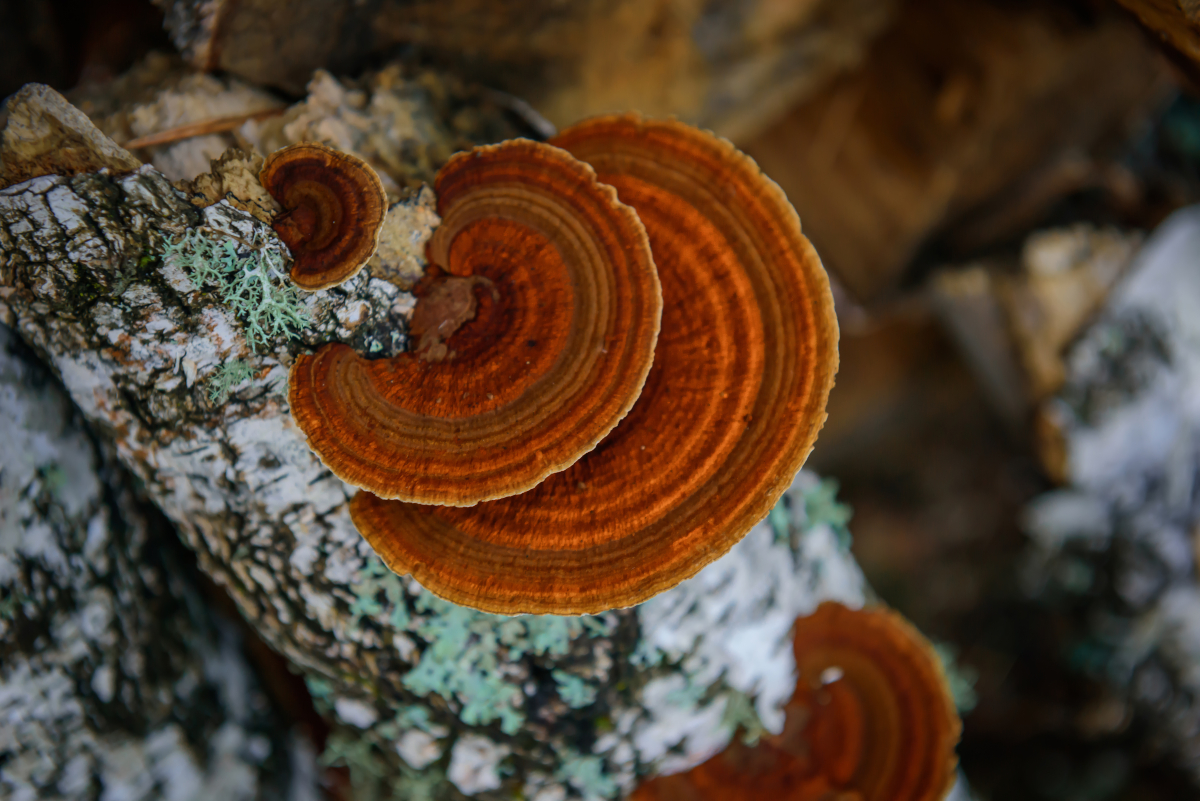
They seem to possess an intelligence of their own, these beings that are neither animal nor plant. They are ancient and not only tidy up the forests, they can even break down plastic: fungi. For as long as humans can remember they have played an important role in traditional medicine, whether among the Chinese, the Japanese, the Finns, the Estonians or Europeans. And it seems that alchemists may still discover many more treasures of healing knowledge from the world of fungi.
In this article you will learn
- basic knowledge of the qualities of individual, traditionally used medicinal mushrooms, and
- the influence they can have on human health.
Because knowledge alone is not enough, and it is always about integrating it into life, we present a few selected application possibilities. This way you can easily incorporate these valuable helpers into your daily routine and benefit from their advantages.
Why have fungi traditionally been embedded in medicine?
They were here long before us – it is assumed that fungi have inhabited our planet for at least 460 million years. A proud age to look back on, one that Homo sapiens with its 200,000 years cannot remotely match. These ancient inhabitants of the Earth did not merely adapt to survive; they developed many capabilities that they have been able to perfect over such a long time and which you would not necessarily expect from those small forest and meadow dwellers at first glance.
Responsible for detox: fungi are experts in recycling and detoxification
Their most obvious ability is to decompose dead organisms in the forest. In doing so they "tidy up". One could say: many fungal species are masters of detoxification. And in a figurative sense they are therefore also so advantageous for us humans, because they also help us break down unusable substances in the body.
Fungi appear to possess an intelligence of their own – without a brain
A less obvious ability is the intelligence of fungi. This overturns something we take for granted – namely our belief that intelligence must necessarily be linked to a brain. But how much brain does a living being need to be intelligent? Fungi show that none is needed at all.
To understand this requires unconventional thinking and a detachment from the idea that intelligence resides solely in a single organ.
This was discovered by Merlin Sheldrake, son of the famous biologist and discoverer of morphogenetic fields Rupert Sheldrake.
For example, slime moulds can find the shortest path between two points in a maze in laboratory experiments. Does intelligence not also have to do with problem solving, communication, decision-making, learning, remembering? That is precisely what fungi do.
And all without a brain. Who, then, are these beings that can grant us different insights into our thinking, feeling and behaviour – simply through the way they unfold their intelligence? Let us immerse ourselves in their world, for fungi are in symbiotic connection with everything around them. They appear where the forest needs detoxifying. No wonder they have been used since ancient times to help people.
Mycotherapy: an ancient healing art
The importance of fungi to humans is indeed immense. Fungi have long been used not only as food but also widely in traditional medicine. In Asia, for example, especially in China, Japan and Korea, fungi have been used medicinally for thousands of years.
Some species such as Reishi (Ganoderma lucidum), Shiitake (Lentinula edodes) or Maitake (Grifola frondosa) are particularly notable. They are traditionally
- used to strengthen the immune system,
- to improve heart health, and
- to alleviate respiratory diseases.
In ancient Egypt fungi were considered a symbol of immortality, and their consumption was often reserved for pharaohs. This indicates the esteem in which fungi were held in Egyptian society.
In Central Europe too, fungi were embedded in folk medicine well into the Middle Ages, but much of this knowledge was lost over time. Currently, medicinal mushrooms are once again coming into focus and mycotherapy is regaining its traditional place in naturopathy. This is in no small part due to Rolf Siek, a researcher at a long-established Cologne pharmaceutical factory, as well as the German mycologist Kronberger, who was ill with diabetes and discovered the blood-sugar-lowering effects of fungi in self-experiments. [Cf. Kronberger's publication]
What medicinal mushrooms can do
All vital mushrooms are said to detoxify, cleanse and deacidify – at least that is what Traditional Chinese Medicine states.
Medically, fungi are used for
- strengthening the immune system and defences,
- detoxification of the organs,
- as supportive therapy in cancer, and
- even in chelation therapy.
[Cf. study]
Vital mushrooms are not only detoxifiers but also nourisers, since they have a high nutrient density. In addition to vitamins B, D and E, they contain many bio-vital substances and minerals, as well as protein and carbohydrates. At the same time, vital mushrooms have adaptogenic properties. Adaptogens help the body adapt better to internal and external stresses, restore balance and regulate a variety of biological processes. [Cf. study]
The seven most important medicinal mushrooms for your health
1. Lion's mane - Hericium erinaceus
For memory, concentration and the nervous system
Indeed: it looks like a small white hedgehog, the medicinal mushroom known as lion's mane, bearded tooth or Hericium erinaceus. Its body consists of a cascade of white fibres.
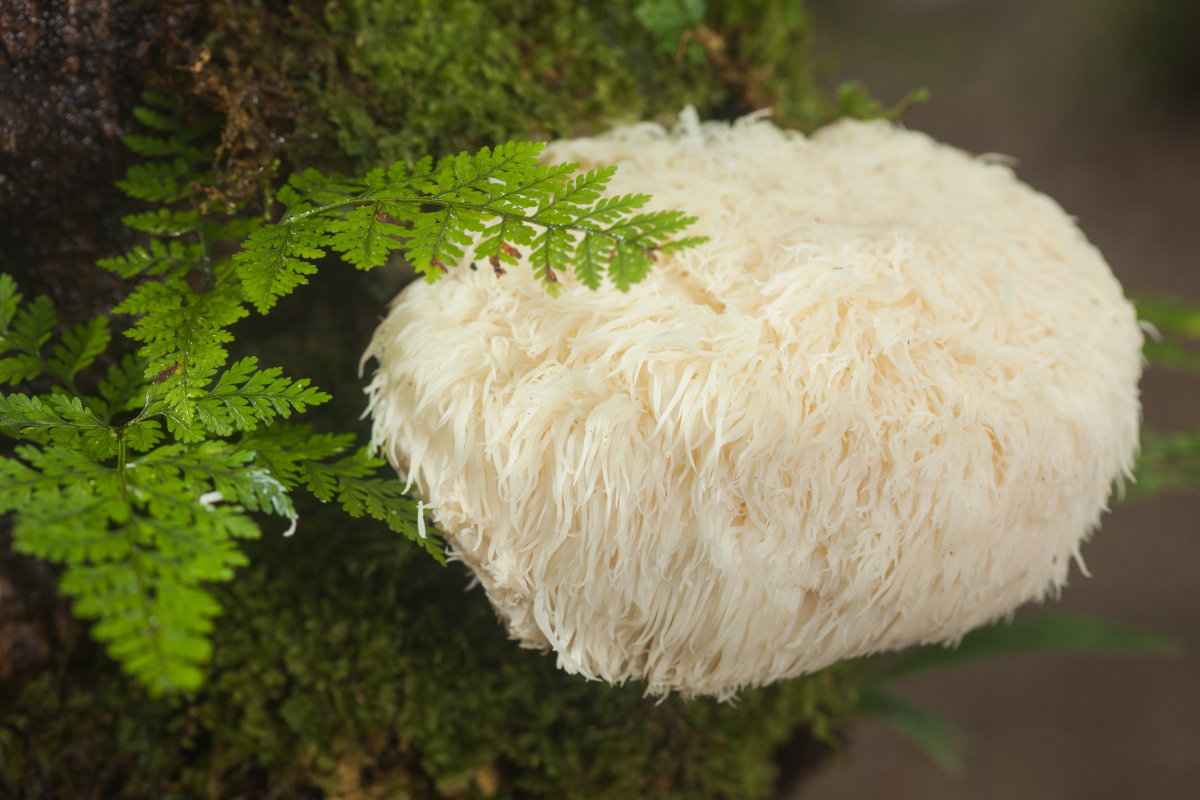
Fig. Lion's mane on moss
Lion's mane and its uses
Traditionally, this special medicinal mushroom is used for stomach and digestive problems and in cancer. In general it is considered a restorative in states of exhaustion.
Outstanding is Hericium's ability to positively influence the nervous system. Because of this property it is often used in the treatment of multiple sclerosis (MS). It stimulates the nerve growth factor and promotes the formation of new nerve cells, which is helpful in autoimmune processes of the nervous system. [Cf. Tero Isokauppila. “Medicinal Mushrooms from Reishi to Cordyceps”]
It has also been shown that the myelin sheath of nerve cells can be rebuilt by Hericium. The myelin sheath surrounds axons and is important for support, protection, supply and insulation of nerve fibres. Damage to the myelin structure can lead to severe nervous system diseases. [Cf. study]
For this reason Hericium plays a role in degenerative processes. A number of studies have shown that some bioactive compounds extracted from Hericium erinaceus had positive effects in various pathological conditions in the brain such as Alzheimer's disease, depression, Parkinson's disease or spinal cord injuries. [Cf. study] These properties may also prove useful for the consequences of stroke. [Cf. study]
2. Cordyceps - Ophiocordyceps sinensis
For good energy levels, and for asthma and bronchitis
It may seem somewhat eerie, but this fungus grows on the mummified larvae of insects, usually caterpillars, which is why Cordyceps is also called the caterpillar fungus. Ophiocordyceps sinensis is a precious component of Traditional Chinese Medicine and Tibetan medicine. Among the Tibetans this fungus was especially valuable, as it used to be found exclusively on the high plateaus of the Himalayas and was not easy to harvest.
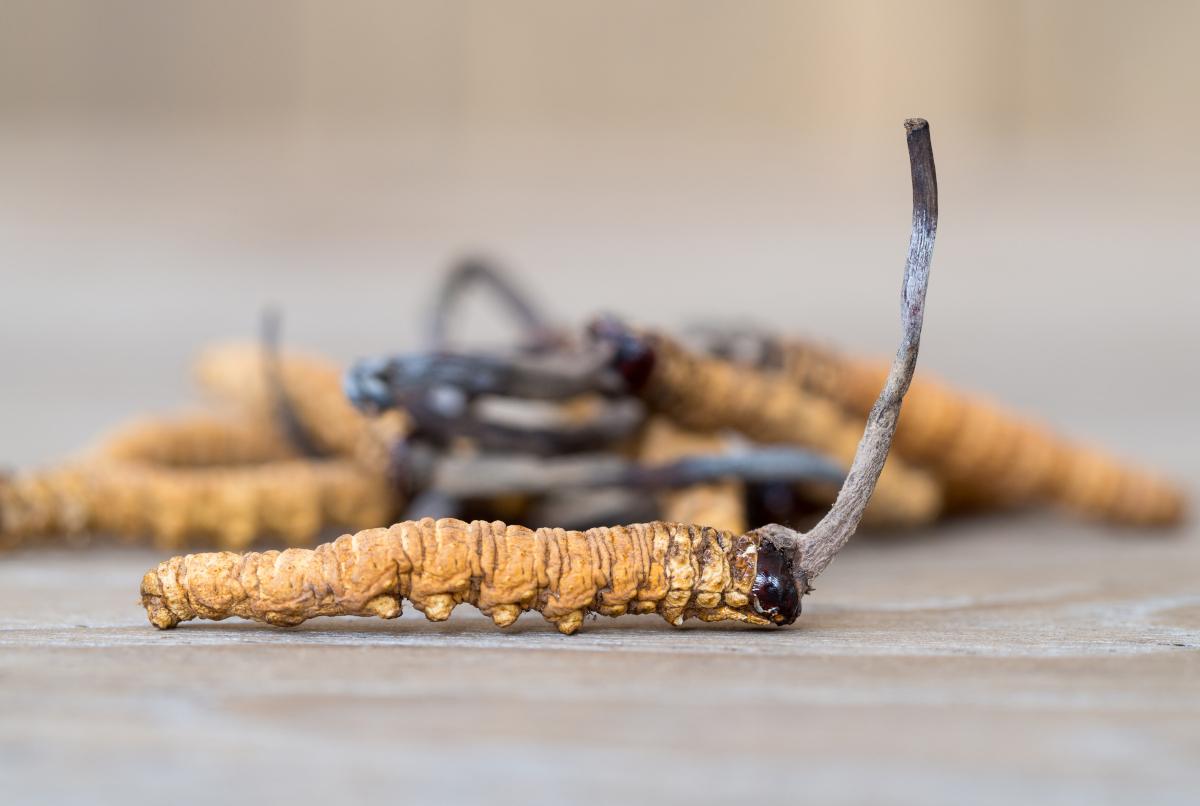
Fig. Cordyceps mushroom
Cordyceps was considered an important energy source by the Tibetans. Tero Isokauppila attributes this to its high content of beta-glucans. These are natural substances that supply the body with oxygen at the cellular level and can thus increase energy and endurance. For this reason Cordyceps is often used in cases of fatigue.
"Cordyceps also significantly increase levels of adenosine triphosphate (ATP) in the body. ATP is responsible for the body's main energy supply and is required for all cellular processes. (…) When the body recharges ATP, e.g. through Cordyceps, we shine again and move with ease and vigour."
[Cf. Tero Isokauppila. “Medicinal Mushrooms from Reishi to Cordyceps”]
Cordyceps and its uses
The fungus supports adrenal function and is an important nutrient for the lungs and kidneys. That it may even have aphrodisiac properties might be less well known. [Shashidhar et al., 2013].
Cordyceps is also known as the "Qi" mushroom, which activates "life forces". Therefore Ophiocordyceps sinensis is often used as a tonic to support athletes, to restore physical endurance and enhance performance. [Cf. study]
By the way: for your next sore throat you might also consider Cordyceps. A 2005 study showed that Cordyceps helps inhibit the spread and growth of streptococci. [Cf. study]
Caution! Pregnant or breastfeeding women and small children should not use Cordyceps, as it can cause mild gastrointestinal disturbances.
3. Reishi - Ganoderma lucidum
For restful sleep, stress, seasonal allergies and much more
Reishi is one of the most significant medicinal mushrooms. In Traditional Chinese Medicine it is called Lingzhi, which means "mushroom of immortality". This expresses how highly this fungus was valued in ancient China. Only the emperor himself was once allowed to benefit from the alchemical qualities of the "bridge between earth and heaven". Reishi, or the shiny varnished polypore, is also often referred to as the "mushroom of spiritual power" or "ruler of the herbs".
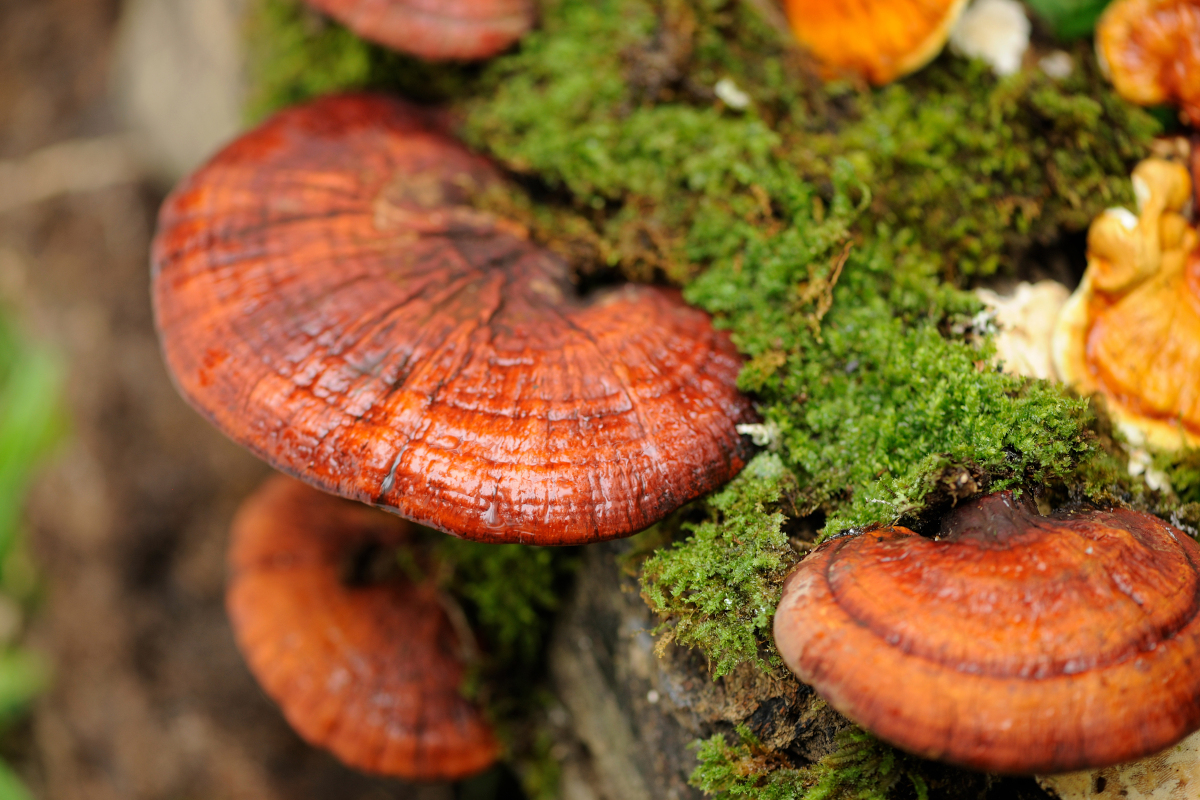
Fig. Shiny varnished polypore
The pharmacological effects of Ganoderma lucidum were already described around 100 BC in "Shen Nong's Herbal Classic". The ancient Chinese Taoists regarded Ganoderma lucidum as a plant medicinal product that might help people attain the "elixir of external youth". [Cf. study]
Not only historically was Reishi regarded as the "mushroom of long life", it is also a well-known anti-ageing agent today. Reishi enhances the immune system and protects the body from viruses, bacteria and parasites. [Cf. Tero Isokauppila. “Medicinal Mushrooms from Reishi to Cordyceps”]
Various extracts from Ganoderma lucidum have been shown to exert life-extending effects. At the same time, chelation properties are known. Chelating agents can bind heavy metals. [Cf. study]
→ Reishi protects the skin from ageing,
strengthens the immune system and supports memory function.
[Cf. study]
Reishi and its uses
Reishi and Alzheimer’s
Recent studies have shown benefits of the Reishi vital mushroom for the brain. The contained polysaccharides (GLP), one of the main active components in Ganoderma lucidum, protect neurons. In addition, oil from Ganoderma lucidum spores protects dopaminergic neurons and improves behavioural deficits in Parkinson’s disease. Scientifically it is not yet clear whether and how this fungus can be used in the treatment of Alzheimer’s. [Cf. study]
Reishi and seasonal allergies
Not a study, but a case report suggests that 1,000 mg of Reishi in the form of a dual-extracted powder can help relieve symptoms of seasonal allergies. [Cf. Tero Isokauppila. “Medicinal Mushrooms from Reishi to Cordyceps”]
Reishi and hormones
Reishi can contribute to a balanced hormonal profile, since the triterpene compounds support the endocrine system – according to Tero Isokauppila in his book.
Reishi and breast cancer
Reishi – as many studies have shown – has potential in the fight against tumours. Ganoderma lucidum was able to induce apoptosis (cell death) in human breast cancer cells by acting on the mitochondria and exerting an antiproliferative effect through cell cycle arrest. The viability of non-cancerous breast epithelial cells (MCF10A) was not impaired by the vital mushroom. [Cf. study]
4. Chaga - Inonotus obliquus
Traditionally for colds, for shiny hair and beautiful skin as well as for inflammation & stress
As popular and important as Reishi is the Chaga mushroom, which often grows on birch trunks. It is firmly rooted in Russian folk medicine and records of its diverse effects date back to the 17th century. Because of its therapeutic use in modern medicine, Chaga is also known as the "mushroom of immortality", in Japan it is nicknamed the "diamond of the forest" and in China the "king of plants".
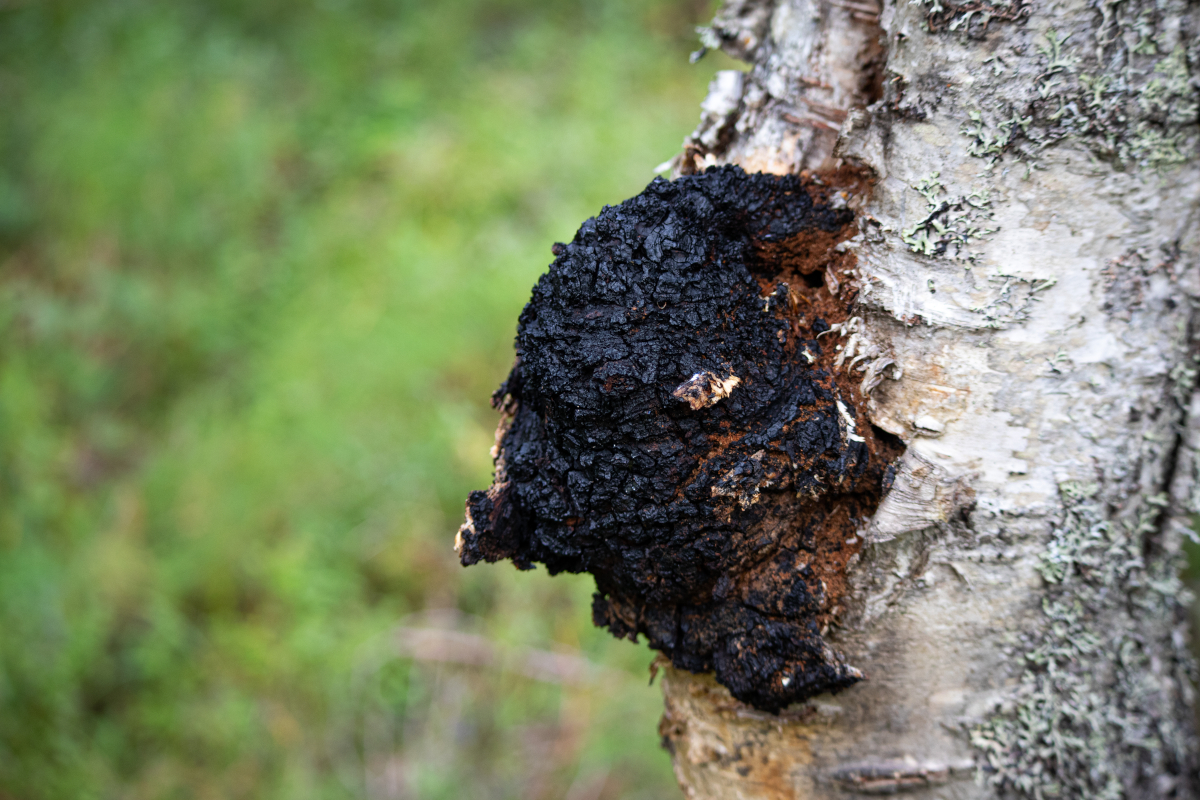
Fig. Chaga mushroom on birch trunk
Chaga and its uses
Chaga mushroom: a super mushroom with countless facets and untapped potential – so a comprehensive study describes the inconspicuous forest fungus. And rightly so, because the study found that Chaga applications are important for the treatment of breast, cervical and skin cancers as well as the treatment of diabetes. [Cf. study] Findings on its bioactivity have shown its ability as an antioxidant, anti-inflammatory, antiviral and antitumour agent. Even for future prognoses Chaga is said to be suitable – at least several indigenous peoples agreed on this. The inhabitants of Siberia, for example, noted that regular consumption of Chaga protected against the onset of degenerative diseases. They used it to increase their vitality and lead a long, healthy life. [Cf. study] Modern Russians have observed that cancers do not occur where Chaga has been traditionally used [Report Pilz, 2004]
In Russia, aqueous extracts of Chaga are often used as anti-inflammatory, antitumour and specifically anticancer medicines and are approved there as such. (Not so in the EU)
[Cf. study]
Chaga and the immune system
Chaga is also attributed immunomodulatory properties, which can be traced back to the polysaccharides of the fungus, above all the beta-glucans. These can stimulate the production of lymphocytes, which remove infectious microorganisms from the body. [Cf. Tero Isokauppila. “Medicinal Mushrooms from Reishi to Cordyceps”]
Chaga and the extraordinarily high ORAC values
Outstanding is the high ORAC value that Chaga brings with it. ORAC is the value indicating the antioxidant content per 100 g, and this is extremely high in Chaga. It does not matter whether a Chaga hot-water decoction or a dual extraction is used – both Chaga extracts exceed the ORAC values of many foods labelled as superfoods. While fresh ginger has an ORAC value of 39,000 / 100 g, Chaga contains as much as 113,003 / 100 g in the dual extract. [Cf. Klaus Glebe. “The mysterious Chaga mushroom” & Tero Isokauppila. “Medicinal Mushrooms from Reishi to Cordyceps”]
5. Shiitake - Lentinula edodes
For the skin, the liver and for high cholesterol
Shiitake, alongside mushrooms such as champignons, are perhaps the best-known mushrooms. Nevertheless, the powers of Shiitake should not be underestimated; its medicinal use dates back to 100 AD. Shiitake has long been used in China to treat upper respiratory tract conditions, but also for circulatory complaints or to increase energy levels in cases of physical exhaustion. [Tero Isokauppila. “Medicinal Mushrooms from Reishi to Cordyceps”]
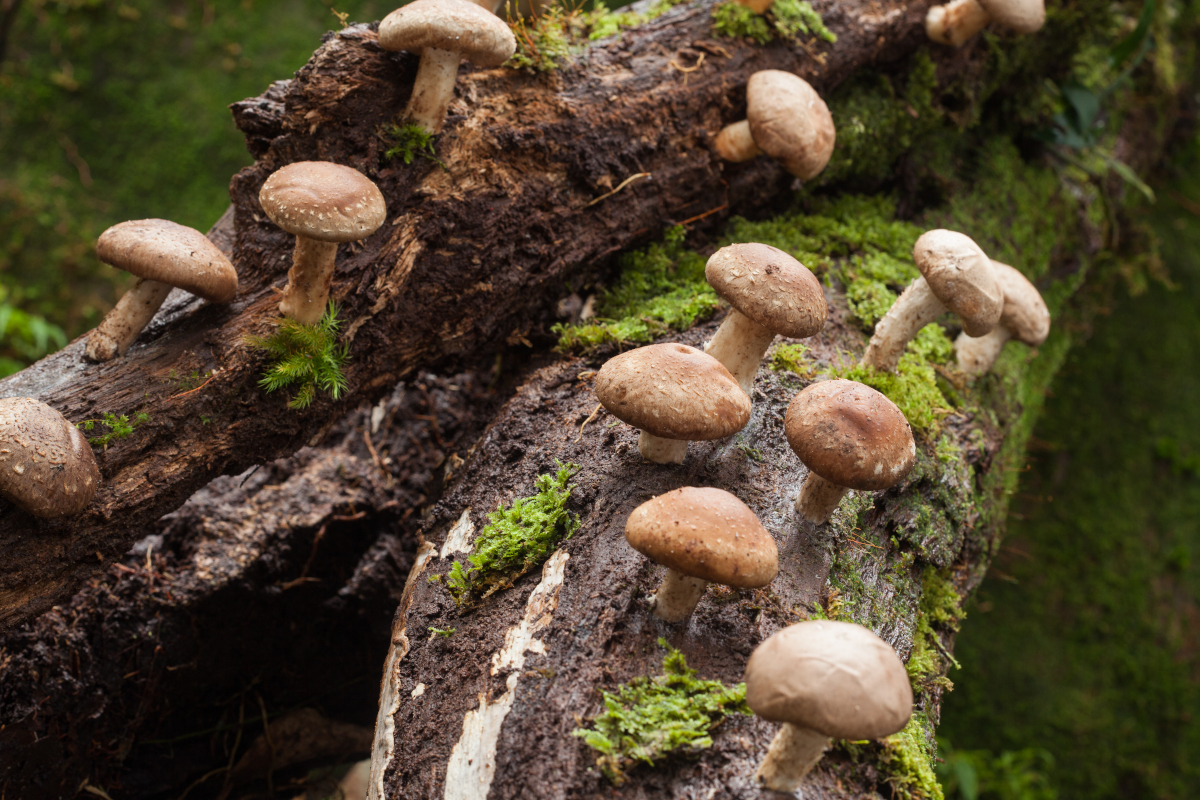
Fig. Shiitake mushrooms on a tree trunk
A total of nine of the most important amino acids are present in Shiitake, along with essential digestion-promoting enzymes and minerals such as magnesium and potassium as well as many vitamins (B and D).
Shiitake and its uses
The outstanding property of this vital mushroom, according to Traditional Chinese Medicine (TCM), is its positive influence on the cardiovascular system. Shiitake contains the organic compound adenosine, which has been shown to cause vasodilation and improve blood flow to the heart. The triterpenes contained also help lower blood pressure. TCM descriptions also include:
- antimicrobial properties against parasites, fungi, bacteria and viruses
- improved resistance to cancer [study]
- reduction of cholesterol levels in the blood
Studies have shown that Shiitake mushrooms can protect the beta cells of the pancreas, increase insulin production and lower blood sugar levels. For this reason Shiitake can be an interesting dietary adjunct in type II diabetes. [Cf. study]
Tero Isokauppila also describes in his book how a famous teen star suffering severely from acne was able to successfully replace aggressive skincare products and medications with a Shiitake extract.
By the way:
A significant benefit of this mushroom is also its anti-gingivitis effect. Shiitake can even be used for caries prevention. This is shown by various in vitro and in vivo studies. [Cf. study]
6. Maitake - Grifola frondosa
For digestion and for overweight
According to traditional accounts in Japan, gatherers performed dances of joy when they discovered a Maitake mushroom. For Maitake need not hide behind the other medicinal mushrooms. Also known as the "hen of the woods", Maitake has traditionally been prized for lowering blood pressure and blood sugar levels and for reducing unhealthy fats in the blood (triglycerides).
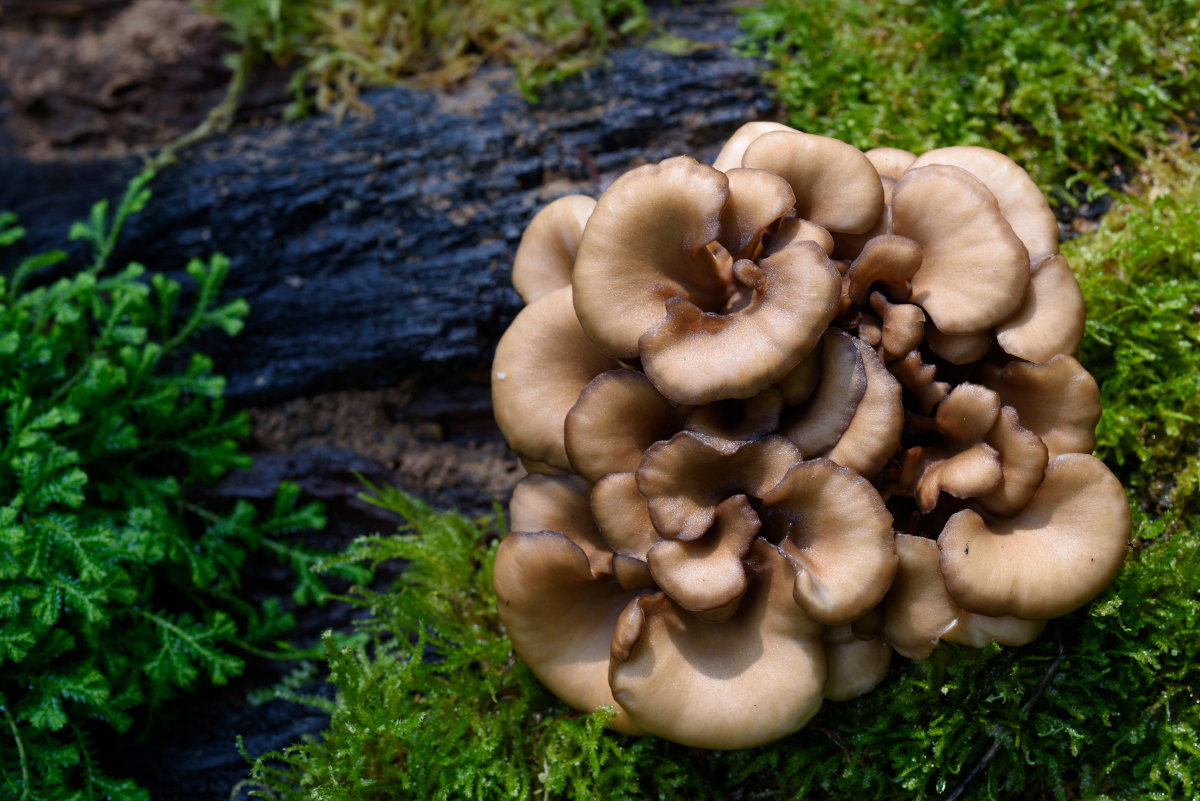
Fig. Maitake mushroom on moss
Maitake and its uses
Maitake is excellent for the gut microbiome, since the medicinal mushroom has prebiotic properties. Prebiotics are food components that promote the growth and activity of "good" gut bacteria. This effect can be attributed to the contained glucans and fibre. [Cf. study]
Cancer is now a leading cause of death and major reductions in quality of life worldwide. Chemotherapeutic drugs aim to kill rapidly dividing cancer cells but can also damage healthy cells and cause side effects throughout the body. For more than a century the ability of the immune system to recognise and reject tumours has been researched in various medical approaches. Numerous studies have shown that Maitake can inhibit the growth of tumour cells. [Cf. study]
7. Turkey tail - Coriolus versicolor
For colds and common colds, for digestion and infections
One final medicinal mushroom that should definitely be profiled is turkey tail. This fungus was especially admired by the Taoists. They were fascinated in particular by its ability to grow on trees that actually possess fungicidal properties, and saw this as a sign that it must be an extremely tough, resilient medicinal mushroom.
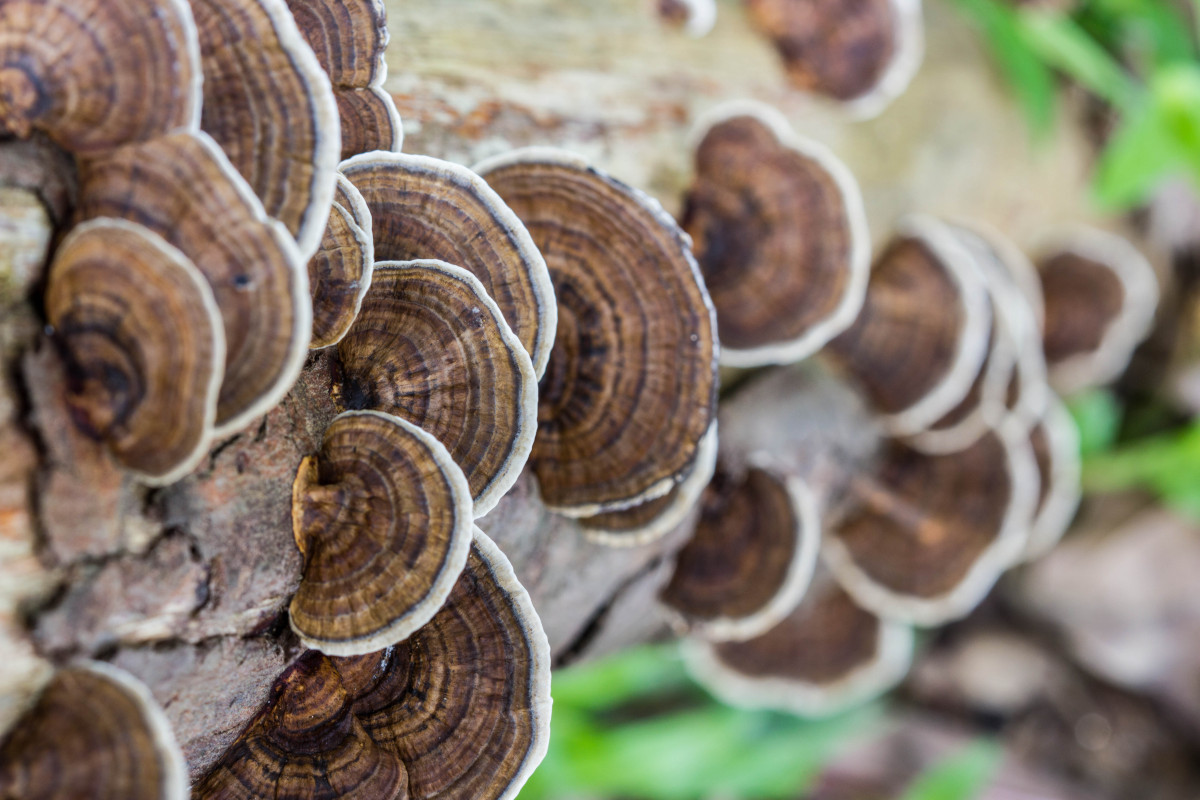
Fig. A group of turkey tails
Turkey tail and its uses
Indeed: turkey tail possesses, in addition to immunomodulatory properties, an anticarcinogenic effect. The latter is attributed to the two beta-glucans PSK (polysaccharide Krestin) and PSP (polysaccharide peptide) contained in it. These two ingredients make turkey tail one of the best-selling anticancer agents on the Japanese market. Turkey tail also appears to support the regeneration of damaged bone marrow after cancer treatments. [Cf. Tero Isokauppila. “Medicinal Mushrooms from Reishi to Cordyceps”]. However, more conclusive studies on this subject are still required.
The world of medicinal mushrooms is one that is worth exploring and studying in depth. Many other exciting species such as Polyporus, Agaricus blazei Murrill or Auricularia polytricha (wood ear) are mentioned here by name only.
Variety of applications for mushrooms
As varied as the species and their effects are their application possibilities. Mushrooms can be used as medicinal extracts, decoctions, dried or fresh in the kitchen.
They find their place in everyday life in various recipes, for example in
- desserts,
- cocktails,
- hot drinks as a coffee substitute,
- soups,
- salads,
- warm dishes, or
- cold soups.
Very good recipes can be found here.
Do you know, for example, the Chaga (non-)coffee?
For this you can, for example, simmer 2 tbsp ground Chaga with 1 tbsp roasted dandelion root for a long time and refine with nut milk and spices.
Also suitable for animals
Medicinal mushrooms are also suitable for our four-legged friends. Wanda May Pulfer describes in her book “Mycotherapy for Animals” in detail active substances and applications, e.g. for allergies, osteoarthritis, dermatitis, autoimmune reactions, babesiosis, borreliosis, diabetes, urinary tract infections, hepatitis or herpes. But she also provides guidance for laminitis in horses, cat flu, cancer, leishmaniasis, mycoses or pseudopregnancy.
How to recognise good quality?
Finally: many of the described fungi have chelating properties. This means they can bind heavy metals. This is precisely why you should always buy mushrooms only of high quality from organic cultivation and preferably from Germany – here the regulations and analyses are strictly controlled. The danger with untested mushrooms is that, due to environmental pollution, they may have a very high heavy metal content. Mushroom powders from high-quality whole mushrooms have a high enzyme content and are therefore able to break down toxins in the body and make them ready for excretion.
Further exciting books
Would you like to learn more about medicinal mushrooms?
In addition to the book by Tero Isokauppila frequently cited in this article, “Medicinal Mushrooms from Reishi to Cordyceps” with its numerous mushroom recipes and descriptions of mushroom spectra of activity, we would like to point to Christopher Hobbs’ “Holistic Use of Medicinal Mushrooms”. Here you will learn, in addition to detailed portraits of medicinal mushrooms, how to process mushrooms yourself.
If you want to get to know our native mushrooms better, Gerit Fischer’s “Native Medicinal and Vital Mushrooms – Compact Guide” is recommended. Here you will learn more about 20 mushrooms from oyster mushroom to tinder fungus, receive recipes and instructions for processing and producing oils, salves, teas and tinctures.
Disclaimer
If you are taking antibiotics, anticoagulants, certain diabetes medications or receiving intravenous glucose, you should use medicinal mushrooms only under medical supervision. Also, for general questions about the health use of vital mushrooms you should always seek expert advice.
Figure 1: exebiche/shutterstock.com ; Figure 2: puttography/shutterstock.com ; Figure 3: PattyPhoto/shutterstock.com ; Figure 4: puttography/shutterstock.com ; Figure 5: Apatic0/shutterstock.com ; Figure 6: puttography/shutterstock.com ; Figure 7: puttography/shutterstock.com ; Figure 8: Nawin nachiangmai/shutterstock.com

