
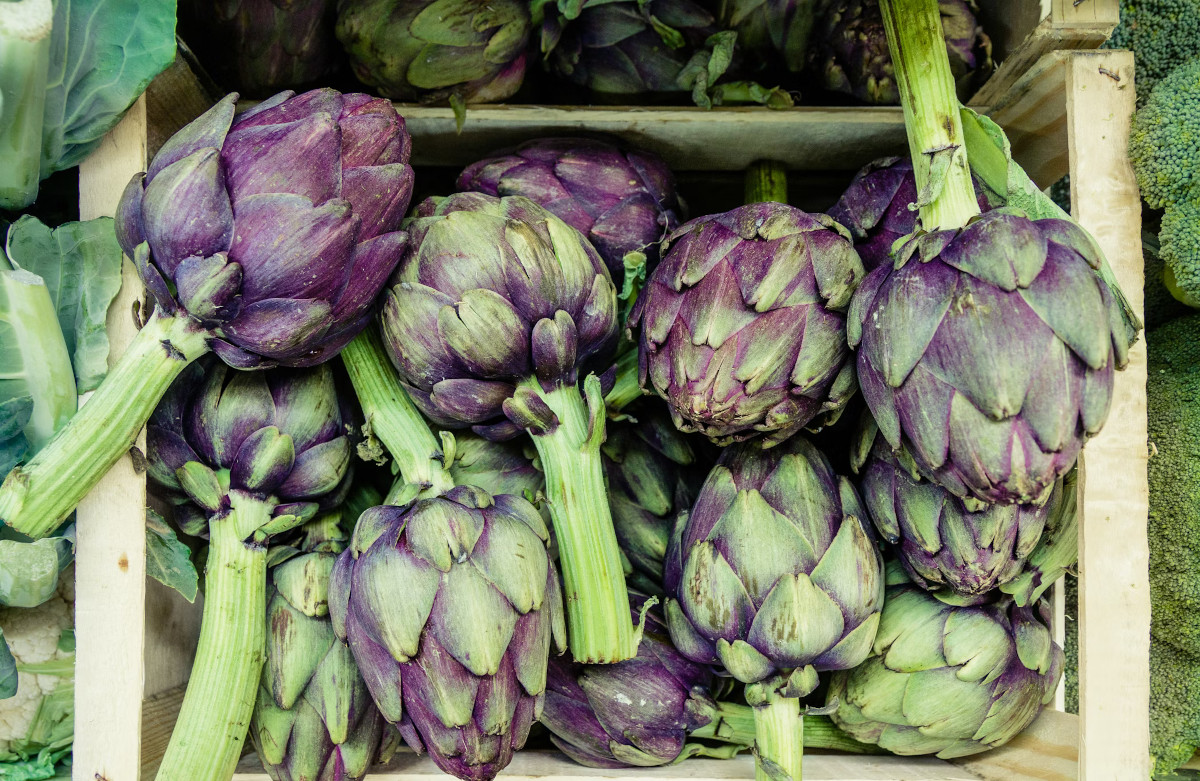
Figure 1: Vegetables with a long tradition: artichokes were already prized as a food and medicinal plant in ancient civilisations.
The ancient Romans and Greeks already appreciated the artichoke as a food and medicinal plant. To this day the versatile flower vegetable is an established part of Mediterranean cuisine and is used as a traditional remedy. In this blog article you will find further interesting information about the artichoke and artichoke extract. You will also receive practical tips for preparation and learn what to consider when choosing a dietary supplement containing artichoke.
What characterises the artichoke and artichoke extract?
Artichokes (Cynara scolymus) are a fixture at markets in Italy, Spain and France. In the Mediterranean the globular vegetable has a long culinary tradition and regularly appears on the table. Even here at home the artichoke is popular as a food. The fleshy part of the leaves and the flower base taste slightly bitter and are reputed to be particularly soothing after rich meals.
The artichoke is much more than a delicacy: ancient civilisations already recognised the health-promoting effects of this flower vegetable. In ancient Egypt the artichoke was so highly valued that it was painted on the walls of pharaohs’ tomb chambers.
The artichoke extract often used in the medical field and in dietary supplements is obtained from the flower buds and leaves of the artichoke. Valuable active compounds contained in artichoke extract include flavonoids and bitter substances. Of particular importance is the compound cynarin, which has antioxidant properties and is frequently used for digestive complaints.
What effect does the artichoke have on the body?
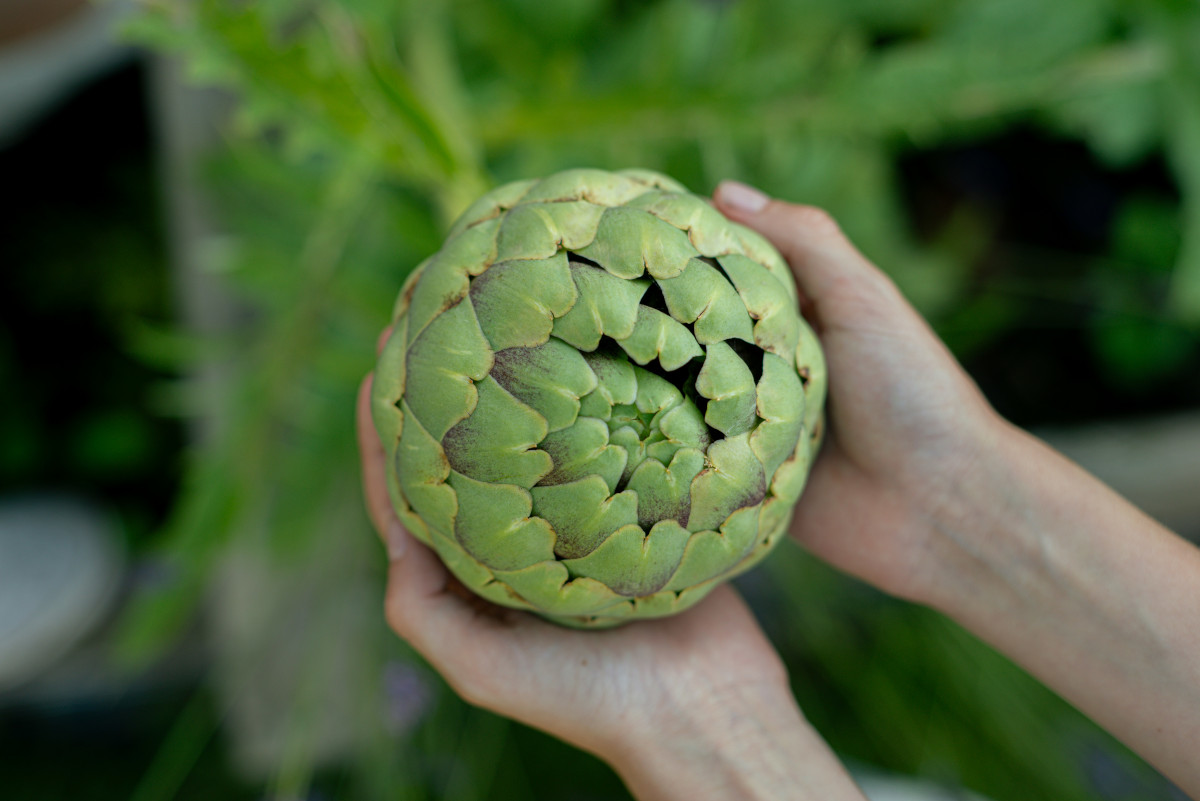
Figure 2: The artichoke is full of valuable bitter compounds and minerals and can have a positive effect on the health of the gallbladder, liver and intestines.
In 2023 the artichoke was named medicinal plant of the year – no wonder! The fibre-rich and low-calorie vegetable can be beneficial to health in many ways. How taking artichoke extract can positively affect digestion, blood lipid levels and the cardiovascular system is explained below.
Supporting digestion
As a so‑called choleretic, the artichoke supports bile flow and digestion. Studies have also shown that artichoke extract promotes pancreatic function, which can result in improved nutrient utilisation. [1] By stimulating bile flow, it can counteract sluggish digestion and an unpleasant feeling of fullness, which is why taking artichoke extract is particularly recommended after rich and fatty meals.
Stimulating fat metabolism
The bitter substances contained in the artichoke stimulate fat metabolism in the liver and gallbladder. If artichoke extract is taken before a meal, it can help the body to digest dietary fats more effectively.
Lowering cholesterol levels
Several studies have confirmed that artichoke extract is capable of lowering cholesterol levels without notable side effects. [2] On the one hand the extract promotes cholesterol excretion; on the other it inhibits the formation of new cholesterol in liver cells. Because this reduces the risk of deposits in the blood vessels, artichoke extract can help prevent atherosclerosis and associated cardiovascular diseases. [3]
Antioxidant effects
Not least, the artichoke is popular as a medicinal and healing plant because of its antioxidant effects. Its constituents reduce the formation of free radicals in the body and at the same time stimulate the production of molecules that bind free radicals. As an antioxidant, artichoke extract can reduce oxidative stress and the risk of cancer and chronic diseases.
General support for gut health
The artichoke contains a high proportion of so‑called prebiotics. These are fibres that can generally have a positive effect on gut health. These prebiotic fibres are indigestible and can mobilise a sluggish bowel by promoting the growth and activity of beneficial gut bacteria.
Is artichoke good for the liver?
The artichoke has a reputation for being especially beneficial to the liver. Indeed, artichoke extract is often recommended for liver conditions. [4] In one study, people with non‑alcoholic fatty liver disease took 600 mg of artichoke extract daily for two months. Afterwards the participants’ livers were noticeably better perfused and showed reduced fat deposits compared with the control group. [5]
Artichoke extract is also hepatoprotective, meaning it can protect liver cells and promote their regeneration. In addition, the artichoke is ascribed detoxifying properties.
Artichoke: a vegetable with many preparation options
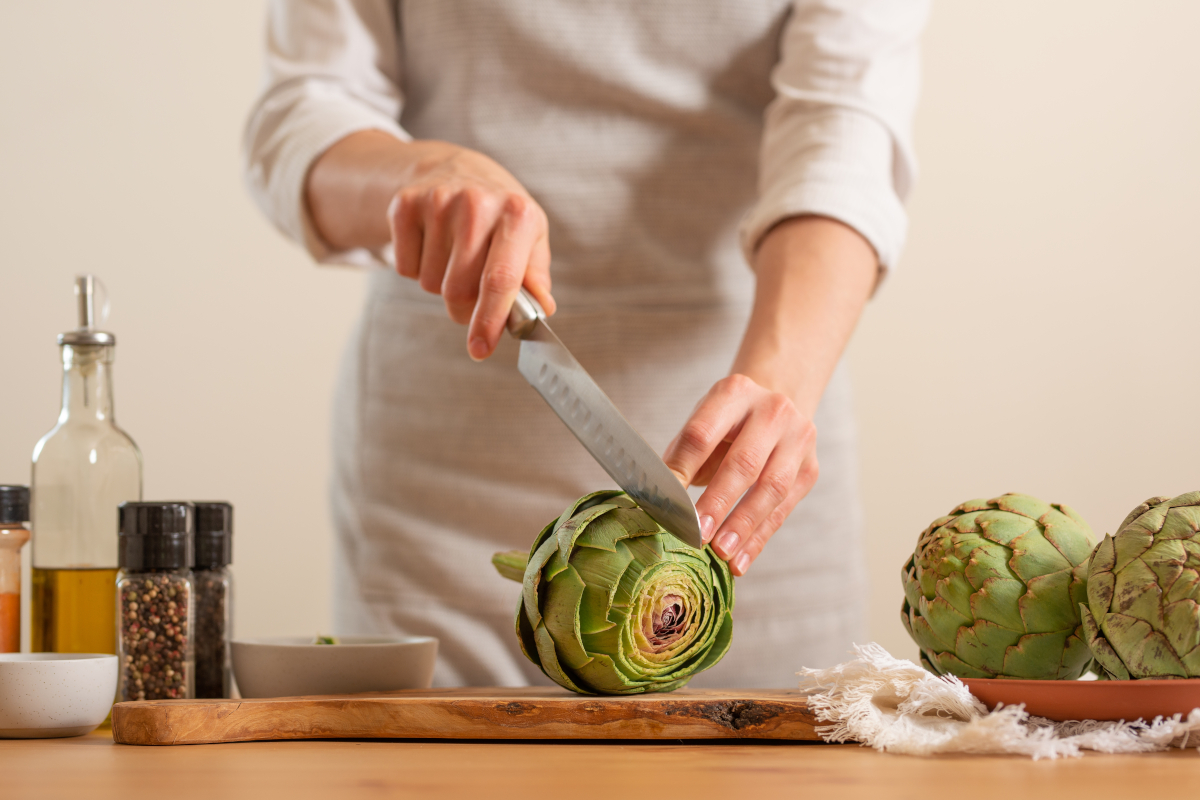
Figure 3: In countries such as France, Italy and Spain the artichoke is considered a true delicacy. Popular preparation methods include boiling, grilling or frying.
The artichoke plant prefers a mild climate and therefore grows mainly in Mediterranean regions. However, the versatile vegetable is also available locally and is easy to prepare. In addition to frying and grilling, boiling artichokes is one of the simplest preparation methods. First separate the stem from the flower head, then pull off the tough lower leaves and trim the tip.
Next, remove the spiky ends of the leaves with kitchen scissors and drizzle the cut surfaces with a little lemon juice to prevent browning. Now it is time to cook: allow the artichokes to simmer in a pot of water to which you have added a little sugar, salt and lemon juice, over medium heat for 30–40 minutes. The artichokes are done when the petals can be removed easily. Before enjoying the flower vegetable, you should remove the choke from the flower base, for example with the help of a small spoon.
Fresh artichokes can be stored wrapped in a damp kitchen towel for up to a week in the refrigerator. If you want to preserve the vegetable for longer, you can also pickle it. For this you should first cook the artichokes and let them dry overnight before placing them in a jam jar filled with olive oil. Pickled artichokes will keep for about one month in a sealed jar in the refrigerator.
How do I find the right artichoke preparation?
The range of readily available artichoke products is large. Artichoke extract is often offered in the form of tablets, capsules or dragees. When buying capsules containing artichoke extract, you should pay particular attention to their cynarin content. There are preparations with a standardised cynarin content of 2.5 percent as well as those with a higher cynarin proportion. The artichoke extract capsules from Unimedica contain 600 mg artichoke extract per capsule with a cynarin content of 15 mg.
If you want to support your digestion as effectively as possible with bitter substances, taking bitter drops is a good option. Many products, including the bitter drops from Unimedica, combine selected natural herbs and offer a natural and healthier alternative to herbal liqueur after a meal. Capsule products that contain a complex of bitter herb plants are also a popular form of supplementation. The milk thistle capsules from Unimedica, for example, combine valuable extracts from milk thistle, artichoke and dandelion in a single preparation.
Proper dosage and administration of artichoke extract
How best to take artichoke extract depends on the chosen product and your individual goals. Depending on whether you want to support your fat metabolism or your digestion, taking artichoke extract before or after a meal may be appropriate. In any case, follow the manufacturer’s consumption recommendations, which are usually printed on the product packaging.
In general, artichoke extract should not be taken without medical advice. An overdose of dietary supplements containing artichoke can, under certain circumstances, lead to diarrhoea and other digestive complaints.
Sources:
[1] Salem MB et al, Pharmacological Studies of Artichoke Leaf Extract and Their Health Benefits, Plant Foods Hum Nutr, December 2015.
[2] Bundy R et al, Artichoke leaf extract (Cynara scolymus) reduces plasma cholesterol in otherwise healthy hypercholesterolemic adults: A randomized, double blind placebo controlled trial, Phytomedicine, September 2008.; Wider B et al, Artichoke leaf extract for treating hypercholesterolaemia, Cochrane Database Syst Rev, October 2009.
[3] Barrat E, Peltier SL et al, Effect on LDL-cholesterol of a large dose of a dietary supplement with plant extracts in subjects with untreated moderate hypercholesterolaemia: a randomised, double-blind, placebo-controlled study, Eur J Nutr, December 2013.
[4] Yunes Panahi et al, Efficacy of artichoke leaf extract in non-alcoholic fatty liver disease: A pilot double-blind randomized controlled trial, Phytother Res, July 2018.
[5] Panahi Y, Kianpour P, Mohtashami R, Atkin SL, Butler AE, Jafari R, Badeli R, Sahebkar A. Efficacy of artichoke leaf extract in non-alcoholic fatty liver disease: A pilot double-blind randomized controlled trial. Phytother Res. 2018 Jul;32(7):1382-1387.
Photos:

