

Figure 1: Zinc is an essential trace element that is present in over 300 enzymes in the body.
Zinc is the second most abundant trace element in the human body after iron and is involved in many biochemical processes. Among other things, zinc contributes to the normal function of the immune system as well as to cell growth and wound healing. In this blog article you will learn which other important bodily functions the mineral supports, which foods are particularly rich in zinc, and how you can recognise and correct a zinc deficiency.
What is zinc and why is it essential?
Zinc is a true all-rounder and of great importance for the entire human organism. The mineral is found in both enzymes and proteins and is involved in a wide range of bodily reactions such as cell growth and wound healing. Zinc belongs to the group of so‑called essential trace elements, which means it is vital but cannot be produced or stored by the body itself. Therefore it is crucial to supply zinc regularly and in sufficient amounts through the diet.
What is zinc used for in the body?
It is advisable to keep an eye on your zinc status and to take active measures through dietary changes or supplementation in the event of a zinc deficiency. After all, zinc plays a key role in metabolism and helps certain bodily functions to run smoothly. The following summarises some of the most important processes in which zinc is involved.
Zinc and the immune system
Zinc can support normal immune function. The trace element has antiviral effects and can support the body's defences, which is why it is often used during flu seasons. With colds, zinc can shorten the duration of symptoms. Symptoms of allergic asthma can also be improved by zinc supplementation.
Role in cell division
Zinc is heavily involved in cell division and differentiation in the body. If there is a zinc deficiency, this often manifests in cell systems with a high rate of cell division. These include, in addition to the immune system and the haematopoietic system, the skin and mucous membranes. With a zinc deficiency, cell division slows down, which can result in diarrhoea, acne or a high susceptibility to infections.
Skin and hair
Last but not least, the skin and hair benefit from adequate zinc supply. Hair follicles are also body areas with a high rate of cell division. Accordingly, a zinc deficiency often appears as hair loss. In skin conditions such as acne or atopic dermatitis, increased zinc intake can positively support treatment.
Improved wound healing and protection against oxidative stress
Zinc can have a positive effect on wound healing, as wounds heal faster when the body is well supplied with the trace element. Oral zinc is also often prescribed for burns or ulcers. Zinc not only supports wound healing but also antioxidant processes. The mineral can bind free radicals in the body and thus helps protect cells from oxidative stress.
Hormonal balance
Due to its important contribution to the production and storage of insulin, zinc is indispensable for hormonal metabolism. The hormone insulin plays a major role in regulating blood sugar levels. If insulin function is impaired due to a zinc deficiency, blood sugar levels can worsen. For people with diabetes, it is therefore particularly important to check their zinc status regularly. Diabetics with low zinc levels often suffer from coronary artery disease, high triglyceride levels or high blood pressure.
Vitamin A metabolism
Vitamin A is needed, among other things, for growth as well as the renewal and development of cells and tissues. It also plays an important role in vision, which is why vitamin A is often referred to as the “eye vitamin”. Since zinc is a cofactor for vitamin A, it is suspected that zinc deficiency may be a possible cause of age-related vision loss. Indeed, studies have observed that zinc levels in the retina fell in parallel with loss of vision in participants. [1]
Which foods are particularly rich in zinc?
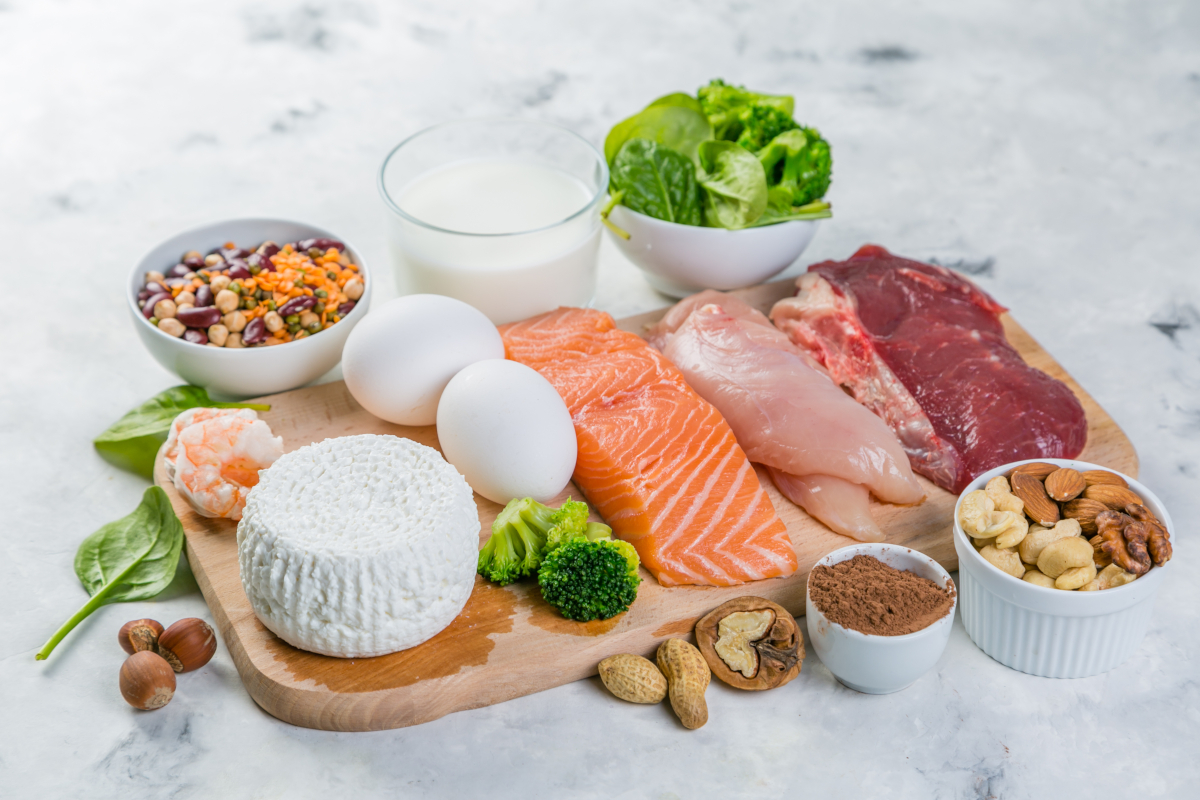
Figure 2: Animal foods such as meat, fish, seafood and dairy products are good natural sources of zinc.
Because the body cannot produce zinc, the trace element must be obtained from food. Fortunately, there are several good dietary sources of zinc. Animal foods that contain a lot of zinc include, for example, meat (beef, poultry, pork), fish and seafood, as well as dairy products (cheese, yoghurt, milk). The absolute leader in terms of zinc content, however, is the oyster: on average, a single oyster already contains as much as 8 mg to 9 mg of zinc.
The body can generally absorb zinc from animal sources better than from plant-based foods. For people who follow a vegetarian or vegan diet, it is often therefore more difficult to take in enough zinc. They should ensure they include good plant-based zinc sources such as beans, nuts, oats, oilseeds (e.g. pumpkin seeds, linseeds) or peas in their daily meals.
Although fruit and vegetables provide relatively small amounts of zinc per 100 grams, they can be eaten in larger quantities, which means this food group should not be underestimated as a potential source of zinc.
Phytic acid can inhibit zinc absorption
In addition to the pure zinc content, the other constituents of a food are also crucial when it comes to zinc absorption. Plant foods in particular can contain substances that hinder zinc uptake in the intestine. Besides casein, phytic acid or phytate is especially relevant in this context. Phytic acid is a plant compound found in cereals, legumes, seeds and nuts that inhibits zinc absorption. [2]
But don't worry: as long as you pay attention to a few points when preparing plant foods, vegetarians and vegans need not fear a zinc deficiency. For example, legumes and oilseeds should always be soaked for several hours before consumption to initiate germination. This activates the enzyme phytase, which breaks down phytic acid.
When baking bread, it is advisable to use flour from sprouted grains. A high-quality traditionally baked wholegrain bread is also generally a very good source of zinc, because traditional dough fermentation methods (e.g. using sourdough, yeast or baking ferment) automatically reduce phytic acid.
How much zinc should be taken per day?
The reference values for recommended zinc intake depend on age and sex as well as on phytate intake. In general, zinc requirements increase with age.
The reference values defined by the German Nutrition Society (DGE) [3] state that infants aged 0 to under 4 months require an estimated 1.5 mg of zinc per day. Among 15‑ to under 19‑year‑olds, the recommended zinc intake is 11 mg per day for females and 14 mg per day for males. Women aged 19 and over with low, medium or high phytate intake should consume 7 mg, 8 mg or 10 mg of zinc per day, respectively; men should consume 11 mg, 14 mg or 16 mg of zinc per day.
But what happens if the recommended daily zinc amount is exceeded? It is very unlikely to reach a zinc overdose through diet alone. However, if zinc supplements are taken excessively, the maximum dose can easily be exceeded, which can lead to vomiting, diarrhoea, stomach cramps or nausea. The DGE recommends a tolerable total intake for adults of 25 mg zinc per day and for children, depending on age, between 7 mg and 22 mg zinc per day.
Which symptoms indicate a zinc deficiency?
A zinc deficiency is observed much more frequently in the population than zinc overdose. In the National Consumption Study (NVS II) [4] the average zinc intake among women was 9.1 mg per day and thus within the recommended range, while men consumed only 9.1 mg of zinc per day on average, which is too little. But how can you tell whether you might be taking in too little zinc? The following typical symptoms may indicate a zinc deficiency:
- Hair loss
- high susceptibility to infections (weak immune system)
- delayed wound healing
- skin eczema and acne
- diarrhoea
- brittle nails
- fertility disorders
- depressive moods
- cognitive disorders
- visual impairment
If one or more of the symptoms listed occur, it may be advisable to have your zinc level checked. Measurement is best carried out in whole blood rather than in serum or plasma. If the result shows a zinc deficiency, the diet should be adjusted to include more zinc or appropriately dosed zinc supplements should be taken depending on the severity.
Common causes of zinc deficiency
In addition to a zinc-poor diet, there are other factors that can cause zinc deficiency. For example, taking certain medications (e.g. antihypertensives, the contraceptive pill, corticosteroids or lipid-lowering drugs) can lower zinc levels, for instance by increasing zinc excretion in the urine. Alcohol consumption also increases the amount of zinc excreted in urine and can thus impair zinc status.
Furthermore, chronic diseases that increase the excretion of essential nutrients or worsen their absorption are often the reason for zinc deficiency. People with allergies, diabetes, cancer, anorexia or chronic kidney disease are particularly often affected.
Zinc supplements: how to find the right preparation
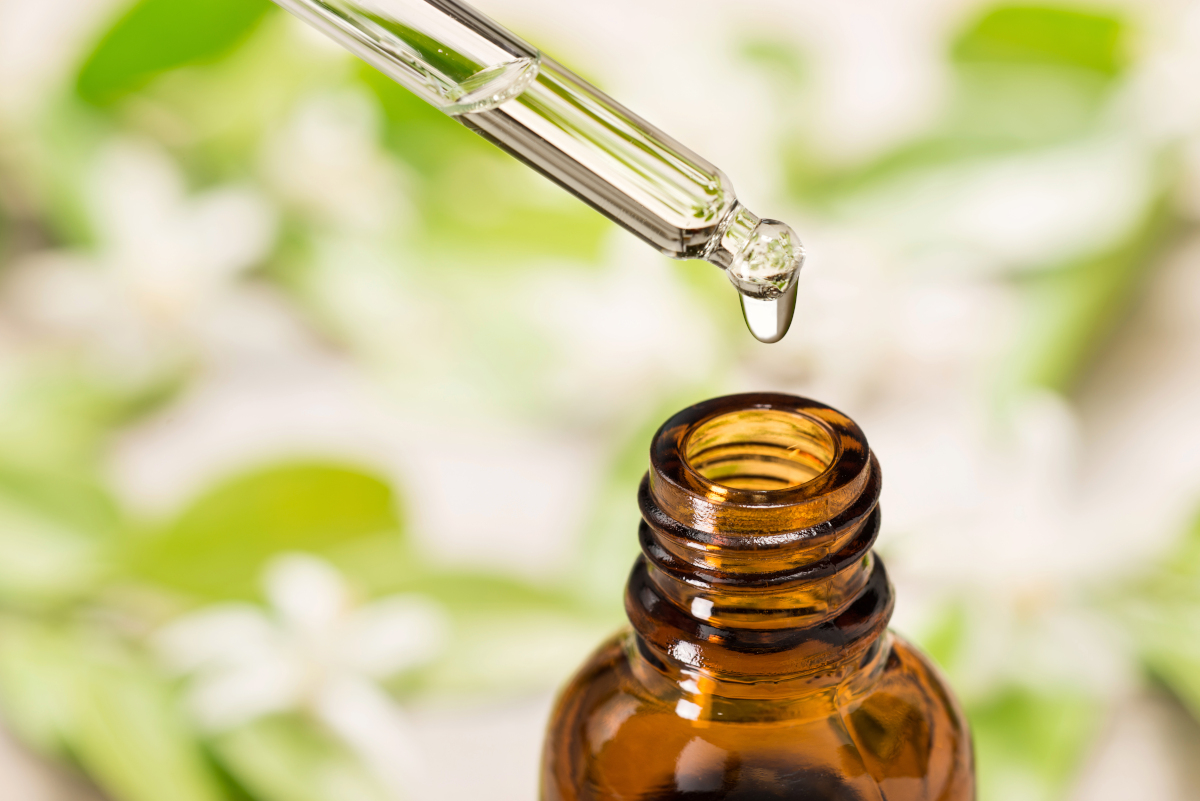
Figure 3: Capsules, tablets and drops are common dosage forms for zinc supplementation.
If zinc requirements are increased, taking appropriate dietary supplements can be sensible. Depending on personal preference, you can choose between different dosage forms. Popular options are zinc as tablets, capsules or drops.
Before choosing a zinc product, you should check its bioavailability. Zinc ions, as found for example in the zinc sulphate drops from Unimedica, are considered one of the most bioavailable forms of zinc. Dosage of course also plays a role. Depending on your personal zinc requirements, you should choose a supplement with a higher or lower dose. For a zinc deficiency, extra high-dose products such as zinc bisglycinate from Unimedica, whose dosage corresponds to 250% of the nutrient reference values, are suitable.
There are also many products on the market that combine zinc with other active ingredients. To comprehensively support the immune system, supplements that contain zinc together with vitamin C or the antioxidant quercetin are suitable. The Buffered Vitamin C + Zinc capsules from Unimedica combine high-dose vitamin C and zinc from natural sources.
When is the best time to take zinc?
The time of day when zinc is taken generally does not play a major role. Although zinc supplements can be taken both in the morning and in the evening, many people prefer to take them in the evening because zinc can improve sleep quality and help support the circadian rhythm. [5] As some foods can inhibit zinc absorption in the body, it is advisable to take zinc supplements a few hours apart from meals.
[1] Erie, Jay C., et al. Reduced zinc and copper in the retinal pigment epithelium and choroid in age-related macular degeneration. American Journal of Ophthalmology (2009): 276-282.
[2] Haros, Monica, et al. Myo-inositol hexakisphosphate degradation by Bifidobacterium infantis ATCC 15697. International Journal of Food Microbiology (2007): 76-84.
[3] Zinc - recommended intake, reference values zinc, DGE, German Nutrition Society, https://www.dge.de/wissenschaft/referenzwerte/zink/, accessed 07.03.2024.
[4] Max Rubner-Institut (2008b): National Consumption Study II. Final report, Part 2, Karlsruhe: Max Rubner-Institut, Institute for Consumer Nutrition Behaviour.
[5] Cherasse Y, Urade Y. Dietary Zinc Acts as a Sleep Modulator. Int J Mol Sci. 2017 Nov 5;18(11):2334.
igation. Br J Nutr. 2014 Jul 28. https://pubmed.ncbi.nlm.nih.gov/24804871/.
Figure 1: Panayot Savov/shutterstock.com ; Figure 2: Oleksandra Naumenko/shutterstock.com ; Figure 3: AmyLv/shutterstock.com

