
Dietary modification for prediabetes and Type 2 diabetes

If you have diabetes or know people with Type 2 diabetes, you will certainly be aware of the burden this disease places on everyday life. Insulin treatments can influence the ageing process, may initiate diabetic vision loss, and can even promote obesity and arteriosclerosis.
So: Isn't it better to treat the disease at its root? If a disease is diet-related, couldn't dietary change also achieve something?
How oats are used for prediabetes or Type 2 diabetes
Many specialist clinics do in fact work with dietary modification for Type 2 diabetes and for the precursor stage, prediabetes.
It is not solely about cutting out sugar. Many people believe that with Type 2 diabetes they must remove sugar completely from their diet. Interestingly, it is not so much the sugar that causes the problems – it is fats in combination with sugar. This leads to higher blood glucose levels than in people who eat low-fat diets but still consume a lot of sugar. [Michael Greger. “How Not to Die”]
Studies show: blood glucose levels can normalise when the diet is changed. For example, oats can improve blood glucose control in Type 2 diabetes patients. [See study]
But caution! Find out more – there are many specialist clinics in Germany that work with dietary modification and specifically with oat days. Such a change should always be carried out for diabetes only under medical supervision.
Why are oats used for Type 2 diabetes in clinics?
A specific component that has a positive effect in Type 2 diabetes is beta-glucan. Oats contain a lot of this special fibre, about 7.8 g per 100 g, compared with other cereals. Beta-glucan causes blood glucose to rise much more slowly and results in a lower insulin response. [See study] That is why many specialist clinics recommend an oat regimen for Type 2 diabetes, because this makes cells in the body more sensitive to insulin again. Oats also have a positive effect on fat metabolism: they have been shown to lower cholesterol levels. For this reason oat days are often recommended as an accompanying nutritional therapy, for example for insulin resistance, Type 2 diabetes mellitus, but also for obesity and other metabolic disorders.
By the way: oats are also rich in bioactive substances, silica, minerals such as iron, manganese and zinc, and are an excellent source of B vitamins. We would like to share the valuable components of oats with you here:
- Proteins – for muscle building
- Vitamin B1 – for strong nerves
- Vitamin B6 – for a stable psyche
- Vitamin E – to slow ageing processes
- Iron – for healthy blood
- Calcium – for strong teeth and bones
- Magnesium – for relaxed muscles and regulated blood pressure
- Silicon – for beautiful skin and hair
- Phosphorus – for more energy
- Antioxidants – for protection against chronic inflammation
[See Mayr cure]
How you can carry out an oat regimen at home
Whether you are changing your diet because of diabetes (please only under medical supervision) or you simply want to lose a few kilos – oat days are a long-established regimen.
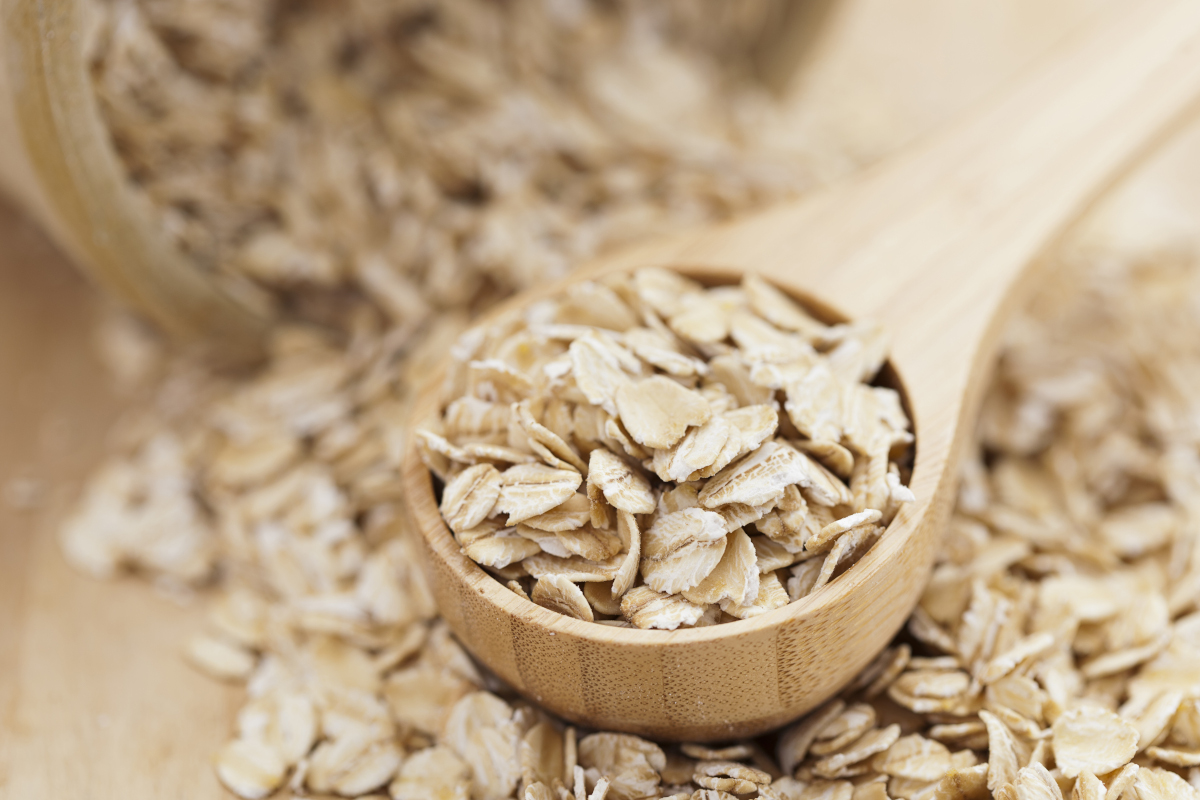
If you want to follow a stricter version of the oat regimen, your course should consist of daily meals each containing 75 g of rolled oats. Cook these with 500 ml of water or fat-free vegetable stock. Eat the porridge three times a day.
With the less strict variant, the so-called oat days, you eat meals with a high proportion of oats over two to three days. Just two oat days per month are enough to get your metabolism going. Blood glucose and blood lipids decrease, insulin resistance and fatty liver improve.
What you should bear in mind
- During oat days avoid protein, fat [i.e. no yoghurt or milk], sugar and alcohol.
- During the 2–3 day short regimen eat only oat-based dishes.
- Eat 3 oat meals per day; avoid snacks between meals.
- Consume 75 g of oats per meal, prepared with water or vegetable stock.
- Enhance with berries, vegetables, nuts, almonds, spices, lemon juice or herbs.
- Do not exceed the maximum amount of 225 g of oats per day.
- Incorporate oats as a regular part of your diet after the regimen.
How to keep your oat regimen anything but boring
Vary the recipes for your oat regimen and let your creativity run free. Oats are suitable for muesli, as porridge, as bread, but also as soup.
Great basic oat recipes, valuable nutritional tips and everything worth knowing about this supergrain can be found in Matthias Riedl’s Der Hafer-Masterplan.
For example, bake an oat bread in various versions or vary your porridge with vanilla or lavender – depending on the time of day. Matthias Riedl has put together a wonderful two-week regimen that is easy to integrate into everyday life.
If you want to snack despite the oat regimen, the recipes from the book Gesunde Sünden mit Hafer are recommended.
Can oats be used for other illnesses?
The oat Avena sativa is an ancient medicinal plant that has long been established in medical history. Whether Hildegard von Bingen, Paracelsus or the “Materia Medica” – one of the oldest European books on medicines – they all mention oats as a remedy, for example for intestinal ailments.
Besides its use in diabetes, oats can also support many other conditions. Traditionally oats have been used as a stimulant, antispasmodic, antitumour agent, diuretic and neurotonic. Oats also possess antioxidant, anti-inflammatory, wound-healing, immunomodulatory, antidiabetic and anticholesterol properties – they are a true powerhouse. [See article]
Oats for depression
Oats are considered a true mood booster. Hildegard von Bingen already emphasised: “Oats are a blissful, healthy food, they create a joyful mind and clear understanding.” Oats are rich in vitamin B6, which is involved in serotonin production. Serotonin is a neurotransmitter that can help against depression. This is currently strongly discussed in science, but it is certainly worth a try!
Oats for a restful sleep
In addition to beta-glucan, oats contain another interesting component: avenin – a gluten protein that promotes restorative sleep, generally stabilises and improves psychological resilience. Oats are also a good source of melatonin, our natural sleep hormone.
For a strong gut flora and against fungi
Traditionally oats have always been used to strengthen the gut. The positive effect has now been scientifically proven. The beta-glucan they contain promotes the “good” gut bacteria, which means oats can also have a prebiotic effect. Prebiotics displace unwanted gut inhabitants and thus support a healthy gut flora. [See source] Furthermore, there appears to be an interesting effect of oats [Avena sativa] on bacteria and intestinal fungi. [See study]
By the way: not all oats are the same. You should know the differences!
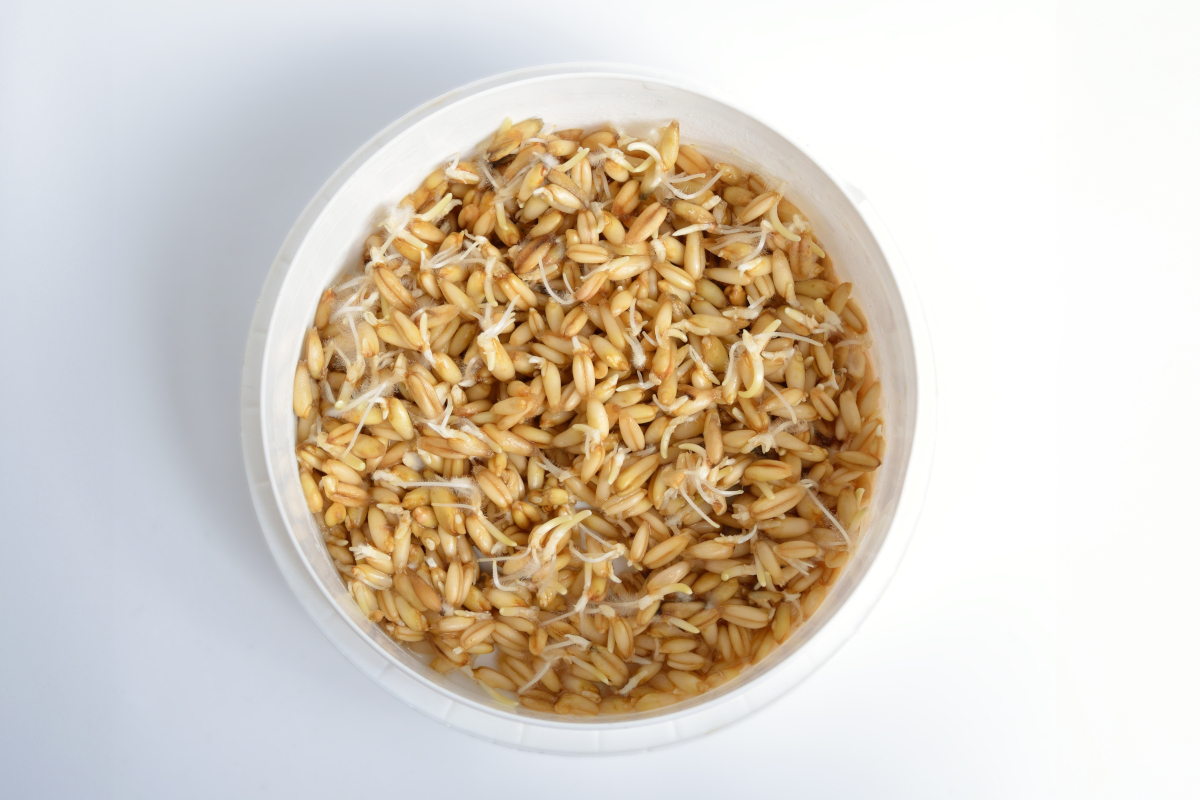
Conventional oat flakes are always heated – including the oat grain. Heating makes it easier to remove the hard hull. The disadvantage is that valuable nutrients and the grain's germination capacity are lost. Therefore, where possible it is recommended to use hulless oats, as this preserves the highest raw-food quality. Ideally you would also sprout the oats before use. Because the sprout always contains the full power of a plant. Oat sprouts can be used wonderfully in salads, smoothies, but also in mueslis.
Application note:
If you are a diabetes patient, you should carry out the oat regimen only under medical supervision, because the insulin dose must be adjusted by a doctor during an oat regimen. Do not take action on your own! If you are taking medication, you should also discuss this with your treating physician. Your blood glucose levels should be closely monitored. It is recommended to measure blood glucose up to seven times daily on oat days. Otherwise there is a risk of hypoglycaemia!
Recommended books on oats:
- Michael Greger. How Not to Die
- Matthias Riedl. Der Hafer-Masterplan
- 80 recipes: Gesunde Sünden mit Hafer
Clinics that use oat regimens for diabetes:
- Regeneration cures: Bircher Benner Braunwald
- Heart and Circulation Clinic Bad Bevensen
- Rheinisches Diabeteszentrum
Shutterstock: lara-sh, Brent Hofacker, spline_x
