

Figure 1: The blue-green microalga Spirulina has been valued as a source of nutrients by various cultures for centuries.
Spirulina is rightly regarded as a superfood: thanks to its high concentration of vital nutrients, the microalga can be a useful addition to the diet. In many tropical and subtropical regions, Spirulina has been used for centuries as a food and source of protein. In this blog article you will learn what else distinguishes the blue-green alga and which valuable constituents Spirulina contains. You will also receive helpful tips on choosing a suitable Spirulina dietary supplement and on proper intake and dosage.
What is Spirulina?
Although it is often referred to as a microalga or blue-green alga, Spirulina is actually a cyanobacterium. This was discovered only after Spirulina had been officially classified as an alga, which is why several terms are now commonly used. Spirulina naturally thrives in fresh water as well as in alkaline salt lakes with a pH between 9 and 11. Among other places, the microalga colonises bodies of water near Australia, Southeast Asia, Africa and Central America, where it has been used as a food source for centuries.
Around 30 different species of Spirulina are known. For the production of dietary supplements in this country, the species Arthrospira platensis is usually cultivated in aquaculture and dried. The dried Spirulina powder can then be processed into tablets or used as a powder dietary supplement.
As a microalga with a cell diameter of 1 μm to 5 μm, Spirulina is microscopic. The bacterium forms multicellular, filamentous protein structures. Like most cyanobacteria, Spirulina is capable of photosynthesis. The blue-green colouring of the algae is due to the green pigment chlorophyll and the blue photosynthetic pigment phycocyanin.
Nutritional composition of Spirulina: Is the blue‑green alga rightly called a superfood?
Spirulina is often claimed to be a superfood and a true nutritional wonder. But which constituents are actually present in the cyanobacteria? At the macronutrient level, the particularly high protein content of around 60% is notable, making Spirulina a real protein bomb. In addition, it is a very high-quality protein with a biological value of 103. [1] Furthermore, 100 g of dried Spirulina provide about 19.8 mg iron, 3.6 mg beta‑carotene and 1,820 µg folate. [2]
It is also noteworthy that, unlike other seaweeds, Spirulina is relatively low in iodine or even iodine‑free. Consequently, intake is generally unproblematic for people with hyperthyroidism or Hashimoto’s. If the exact iodine content is not stated in the product description, affected individuals should ask the manufacturer to ensure safe use of Spirulina.
Spirulina contains all essential amino acids as well as many minerals and vitamins. Due to its soft cell walls, Spirulina is easily digestible and is generally well tolerated. Thanks to the high bioavailability of the microalga, its nutrients can be particularly well absorbed by the body.
Effects of Spirulina: What does the evidence say?
Despite its high nutrient and vital‑substance density, Spirulina is repeatedly criticised. Among other things, it is objected that Spirulina is often called a “superfood” even though the amounts of nutrients contained in the microalga are allegedly not relevant for covering daily requirements. It is true that a typical dose of Spirulina cannot fully cover the daily requirement for proteins, vitamins and minerals—but the same applies to most other foods.
As a dietary supplement, Spirulina can be particularly useful for people who otherwise eat a nutrient‑poor diet. Many people report that taking Spirulina has had a positive effect on their health. However, since most published studies on Spirulina are animal experiments and in vitro studies, none of these effects have yet been sufficiently proven in humans.
Research indexed by the U.S. National Library of Medicine suggests that Spirulina intake may, among other things, lower blood pressure, reduce allergic symptoms, positively influence cholesterol levels and produce antiviral effects. [3] To confirm these hypotheses, further larger‑scale studies on the health effects of Spirulina are necessary.
Spirulina as a dietary supplement
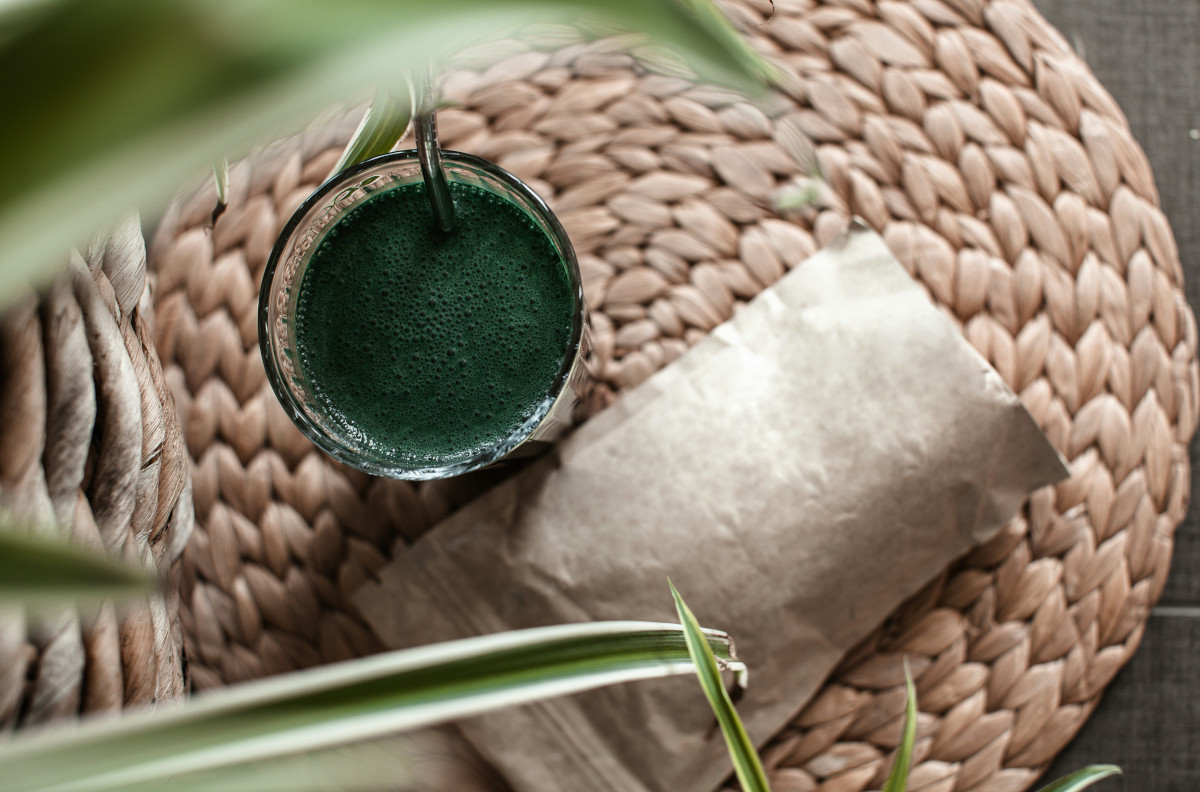
Figure 2: Which form of Spirulina you choose depends on your personal preferences and lifestyle factors.
Spirulina is usually taken in the form of tablets or powder. The choice between the forms is simply a matter of personal preference, as the modes of action do not differ. If you do not like the taste of Spirulina powder, opt for neutral‑tasting tablets such as the high‑dose Organic Spirulina Premium tablets from Unimedica. For people who are often on the go or travelling, Spirulina tablets are particularly practical, as they can simply be swallowed with a glass of water.
Spirulina in powder form must be mixed with liquid or other foods before it can be consumed. The powder is a popular ingredient in green smoothies, shakes or salad dressings. Preparing a Spirulina shake is very simple: first put some water, milk or a milk alternative into a shaker or blender. Then add the Spirulina powder and, if desired, sweeten the drink with a little agave syrup or another sweetener of your choice. After shaking or blending, you can enjoy the tasty Spirulina shake!
What to look for when buying Spirulina
Before buying Spirulina in powder or tablet form, you should check the purity of the product. Apart from Spirulina itself, there should be no additives such as preservatives or colourings. The origin of the ingredients is also a crucial factor: it is advisable to choose products from certified organic cultivation. For the Organic Spirulina powder from Unimedica, for example, only Spirulina grown under strict organic conditions is used.
Gentle processing of the Spirulina algae is also decisive so that valuable nutrients are not destroyed. To avoid possible contamination with pollutants or heavy metals, algae from controlled cultivations are generally used for the production of Spirulina powder and Spirulina tablets. Many manufacturers publish corresponding analyses on their websites demonstrating the removal of contaminants, PCBs and heavy metals.
Spirulina vs. Chlorella: Key differences
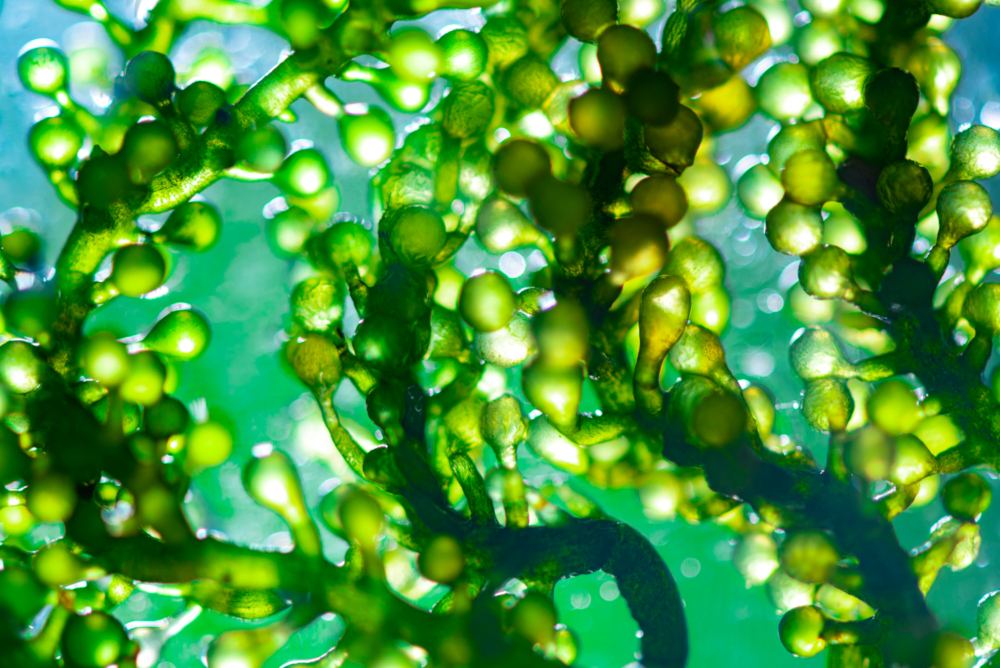
Figure 3: The nutrient‑rich microalgae Spirulina and Chlorella are often used individually or in combination as dietary supplements.
The microalgae Spirulina and Chlorella are often mentioned together or confused due to their similarities. In fact, there is a major similarity: both Spirulina and Chlorella are nutrient‑rich green microalgae. While Chlorella is a single‑celled alga with an indigestible cell membrane, Spirulina is a multicellular, spiral‑shaped bacterium. Because Spirulina lacks cellulose walls, the nutrients of the cyanobacteria are more bioavailable to humans than those of the unicellular alga Chlorella.
There are also differences in the distribution of nutrients: Spirulina is considered particularly valuable because of its high protein content of approximately 60%, whereas Chlorella has an almost five times higher chlorophyll content compared with Spirulina. Since the harvesting and processing of Chlorella also involve greater effort, Chlorella products are generally more expensive than those made from Spirulina. In some dietary supplements, such as the Organic Spirulina and Organic Chlorella tablets from Unimedica, the microalgae duo is also included as a powerful combination.
Correct dosage and intake of Spirulina
There is no official recommendation for how much Spirulina should be taken daily. A common dose is 2 g to 4 g per day. Since Spirulina tablets normally contain 400 to 500 mg of powder, it is common to take 12 tablets daily (for example 3 x 4 tablets or 2 x 6 tablets per day).
You can choose the timing of intake flexibly. If you have a sensitive stomach, you can take Spirulina tablets or Spirulina powder with or after a meal rather than on an empty stomach. Begin with a small amount of 3 g during the first two weeks of intake and then gradually increase the dose. This allows you to test tolerance initially and to accustom your body slowly to the Spirulina algae.
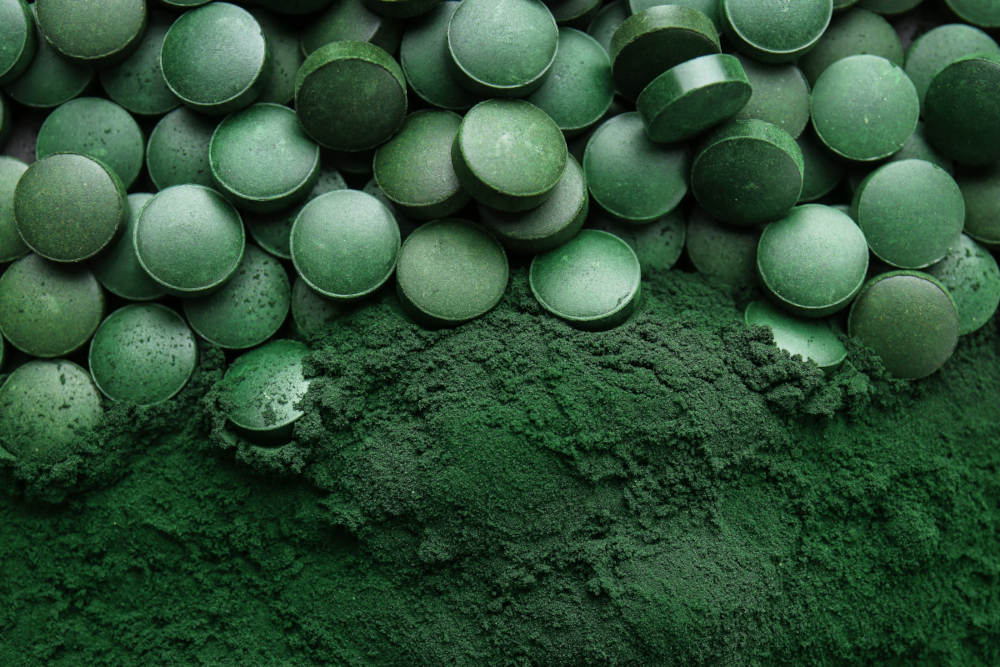
Figure 4: Spirulina can be taken flexibly before, with or after a meal.
Can side effects occur when taking Spirulina?
When authorised as a dietary supplement, Spirulina was classified as "generally safe". Adverse effects generally do not occur. In rare cases, mild stomach upsets or skin rashes may occur. If you are generally sensitive to algae or seafood, you should start with a low dosage and pay particular attention to choosing a high‑quality organic product.
If you are taking medication, it is advisable to discuss taking Spirulina with your doctor beforehand. In particular, if antidiabetic drugs, blood thinners or immunosuppressants are taken concurrently, interactions with Spirulina may possibly occur.
People who suffer from phenylketonuria should avoid taking Spirulina. Phenylketonuria is a congenital metabolic disorder in which the essential amino acid phenylalanine cannot be properly broken down. Therefore, protein‑rich foods and protein‑rich dietary supplements such as Spirulina, which contain phenylalanine, must be avoided by those affected.
[1] Grosshagauer S, Kraemer K, Somoza V. The True Value of Spirulina. J Agric Food Chem. 2020 Apr 8.
[2] Nutritional values for dried Spirulina according to the German Food Code 3.02, accessed on 25.03.2024. https://www.ernaehrung.de/lebensmittel/de/G004400/Spirulina-getrocknet.php
[3] Karkos PD, Leong SC, Karkos CD, Sivaji N, Assimakopoulos DA. Spirulina in clinical practice: evidence-based human applications. Evid Based Complement Alternat Med. 2011. https://www.ncbi.nlm.nih.gov/pmc/articles/PMC3136577/
Image sources: Unsplash: Supliful; Shutterstock: CHC3537, Chokniti-Studio, Pixel-Shot

